
Could this little-known law be the key to unlocking the regeneration of Ipswich's town centre?
Boarded-up shops have become part of the furniture in Ipswich town centre. A little-known law could be about to change that, and for the first time, the council looks ready to use it.

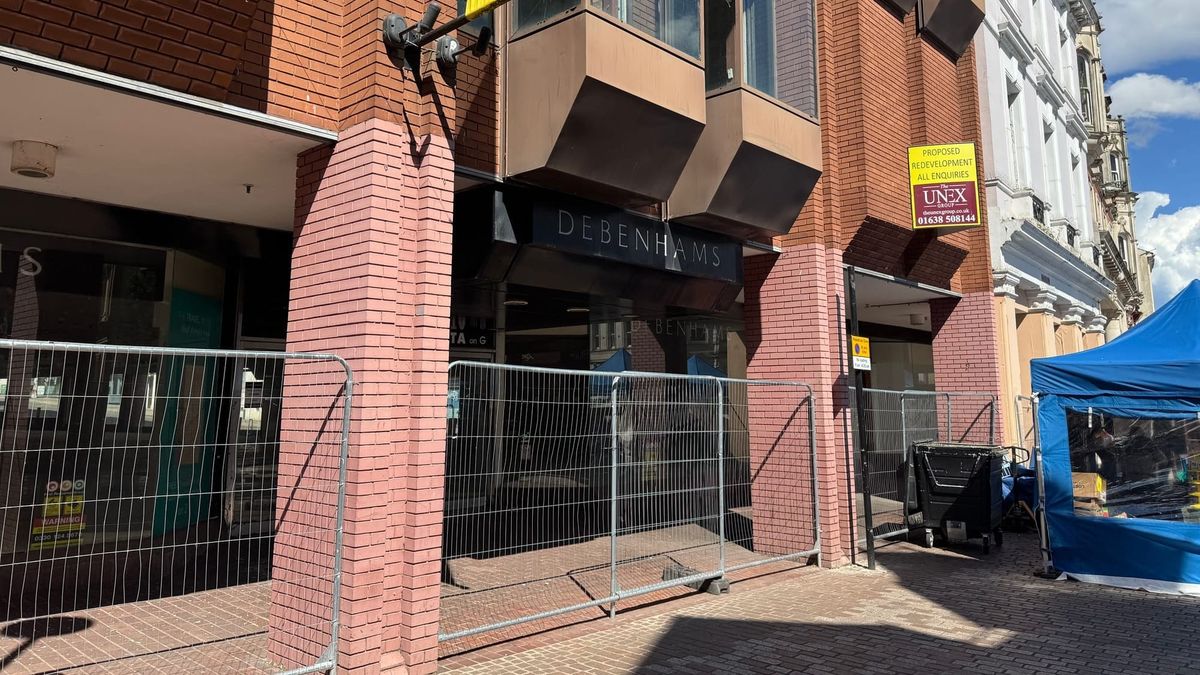
Walk through Ipswich town centre on any given day, and the empty units are impossible to miss. Shuttered shopfronts, faded letting boards, windows papered over or left bare. Nationally, one in every seven high street shops now stands empty — a vacancy rate of 13.5% across England, according to government data. In some parts of the country, it is closer to one in five.
Ipswich is far from immune. The former Debenhams building on Westgate Street — one of the most prominent retail sites in the town centre — has sat vacant since the department store closed in 2021. The Ancient House on the Buttermarket, one of the most architecturally significant buildings in Suffolk, has been empty for years. The Buttermarket is littered with empty units. These are not obscure backstreet units. They are the kind of properties whose vacancy shapes the entire perception of a town.
"For too long, towns like Ipswich have had to put up with boarded-up shops and empty units dragging down our high streets and holding back local growth," said Jack Abbott, the MP for Ipswich. "High streets are at the heart of life in Ipswich — they should be places where people work, shop, socialise and build local pride."
A law most people have never heard of
In 2023, the government quietly introduced a new power that could change the equation for towns like ours. High Street Rental Auctions — HSRAs — were brought in under the Levelling Up and Regeneration Act and give councils in England the ability to auction the lease of commercial properties that have been vacant for more than a year, opening them up to new businesses, community groups and organisations at market rents.
But three years on, those powers have yet to be used by the council.
The process is more nuanced than it might sound. Before a council can act, a property must have been unoccupied for at least 12 continuous months, or for at least 366 days within a two-year period. The council must also be satisfied that bringing the property back into use would benefit the local economy, society or environment — a condition that, in a town centre context, is rarely difficult to meet.
Once those conditions are satisfied, the council serves notice on the landlord, who then has eight weeks to find their own tenant. If they fail to do so, the auction process begins. The whole process, from first notice to a new tenant signing a lease, takes between 22 and 24 weeks.
Someone has to ask why these shops are still empty
This is the kind of local accountability journalism that rarely gets done in Ipswich, digging into the laws, the council decisions, and the political choices that shape life in Ipswich. It takes time and money (lots of it!) to produce. Your membership – at just £4.75 per month – keeps it free for everyone.
Crucially, the landlord retains significant rights throughout. They can make representations on the terms of the tenancy, choose between valid bids, and appeal against the process on several grounds, including if they have genuine plans to redevelop or occupy the property themselves. The scheme is designed to be a lever of last resort, not a blunt instrument.
"Our high streets are ecosystems — and vacant shops are bad for business," said Communities Secretary Steve Reed. "Through High Street Rental Auctions, we are reducing vacancies by helping councils to force landlords to rent out empty shops — stamping out boarded-up shops and getting businesses back in."
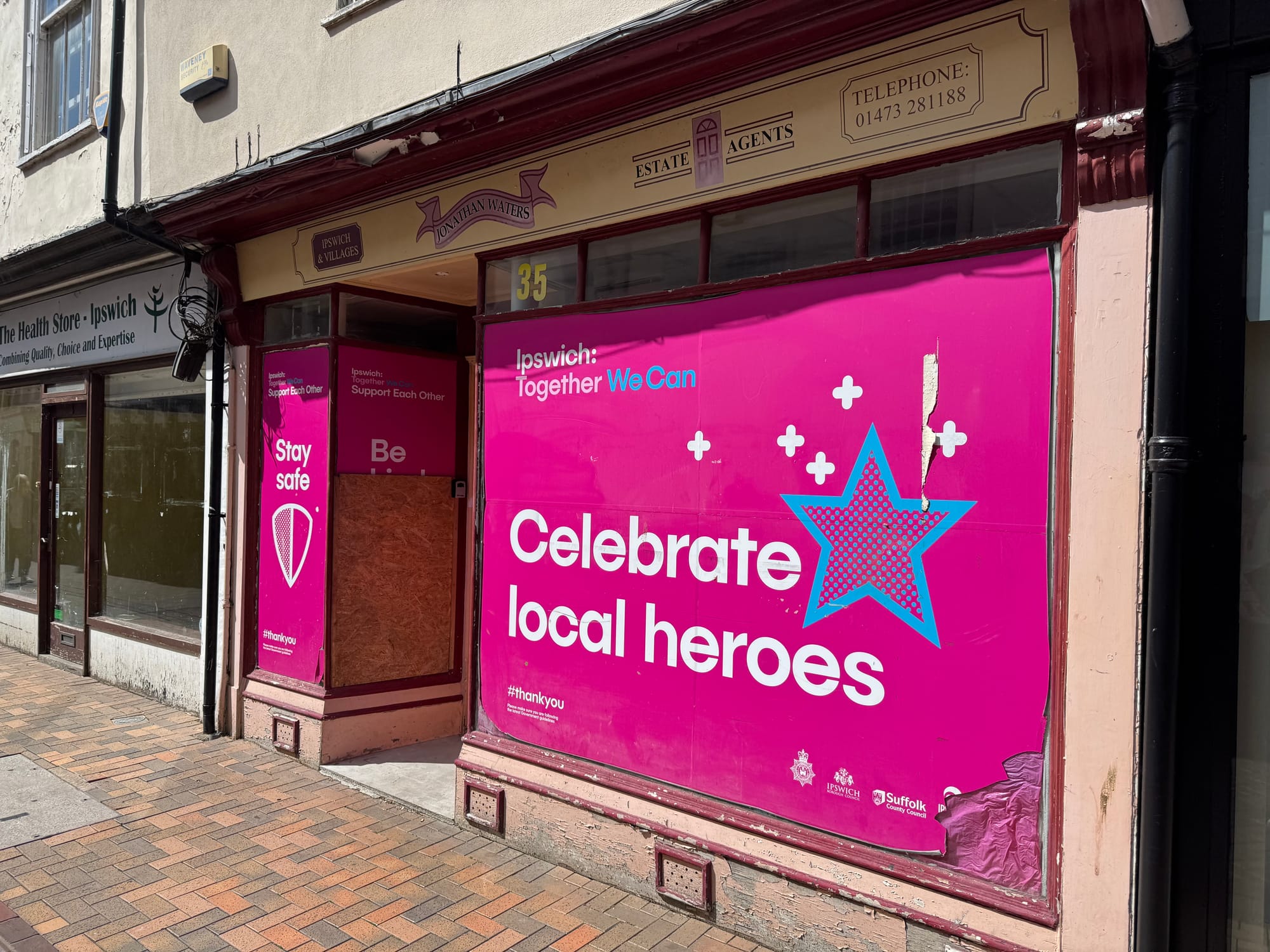
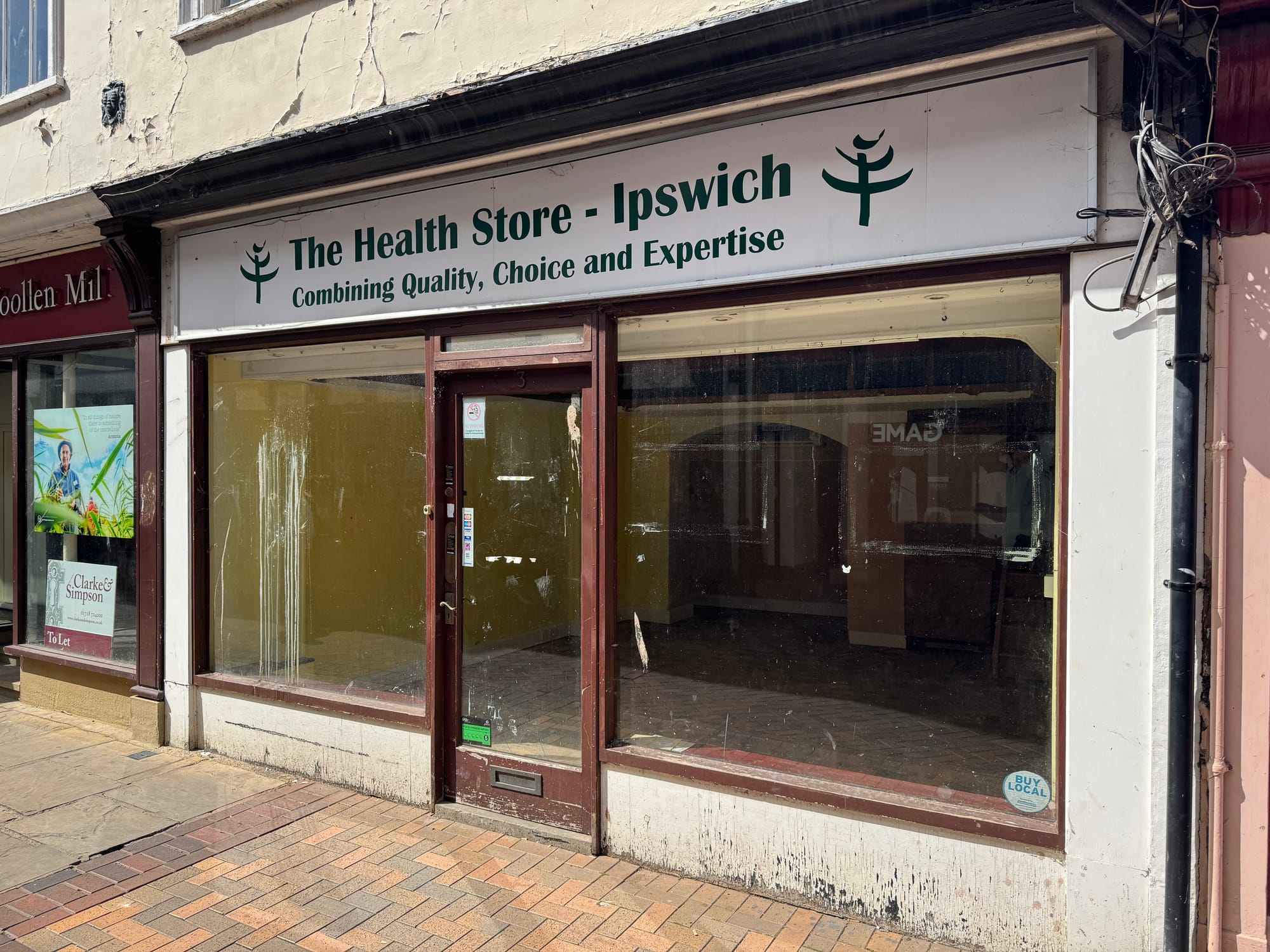
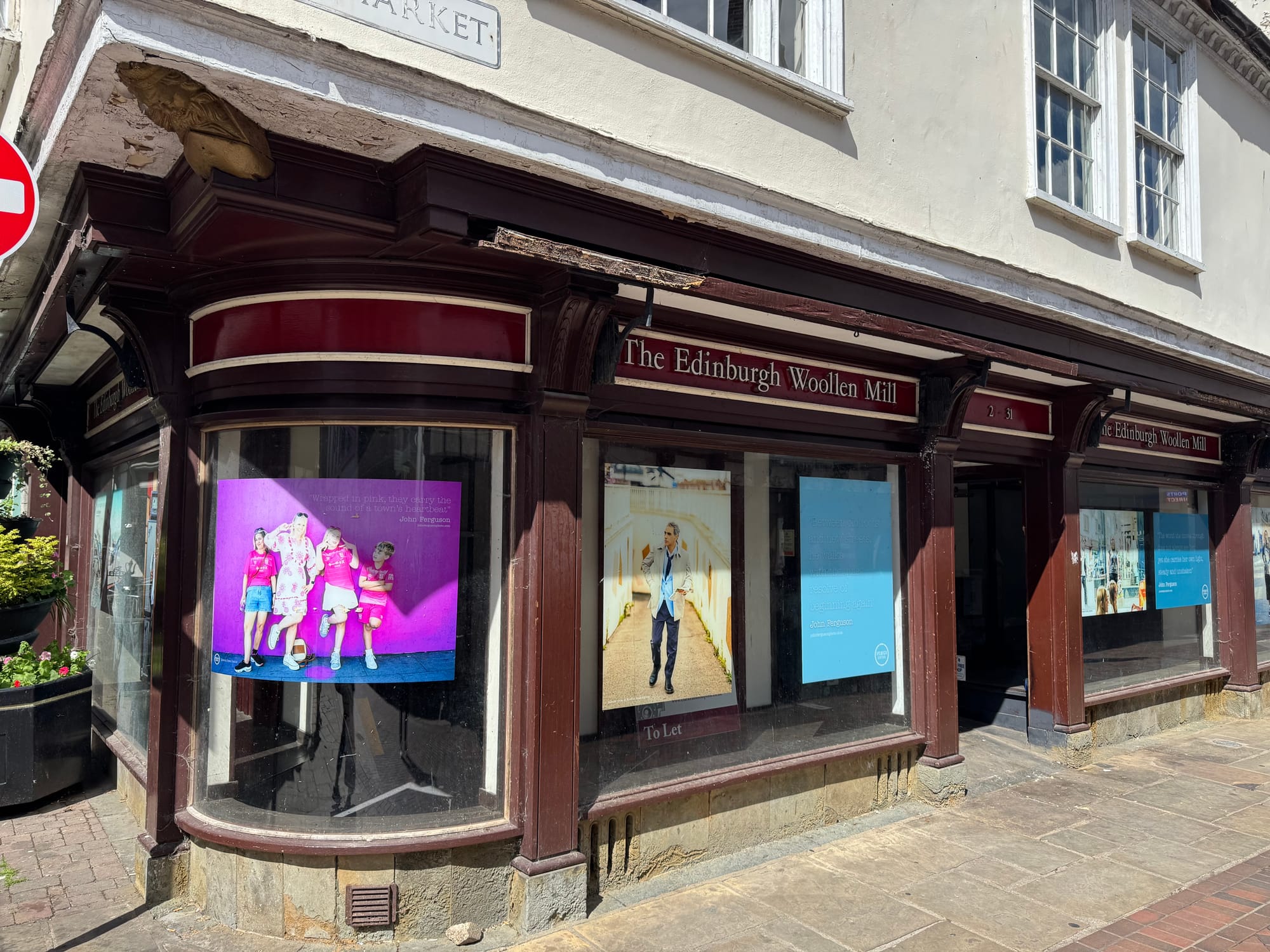
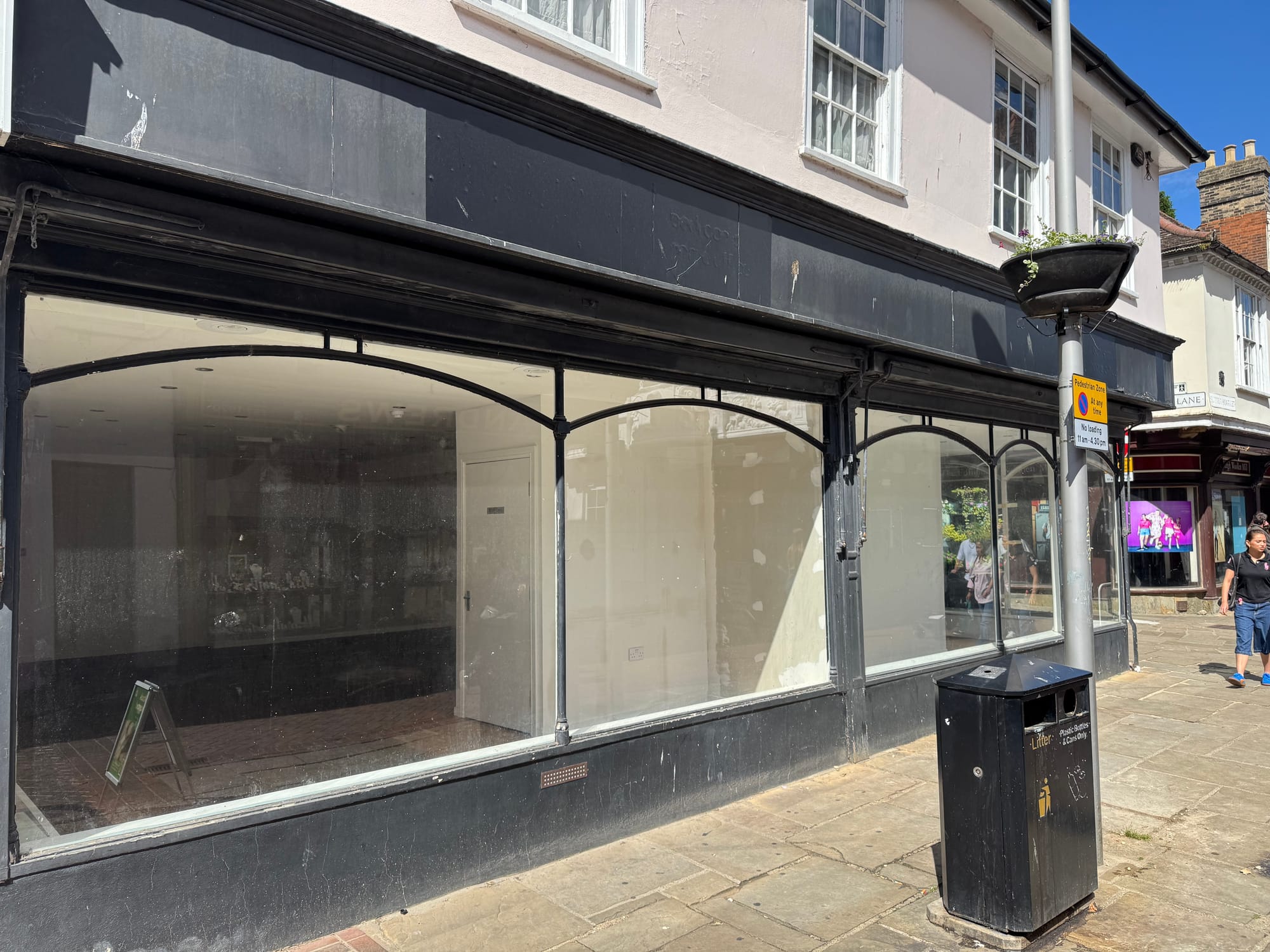
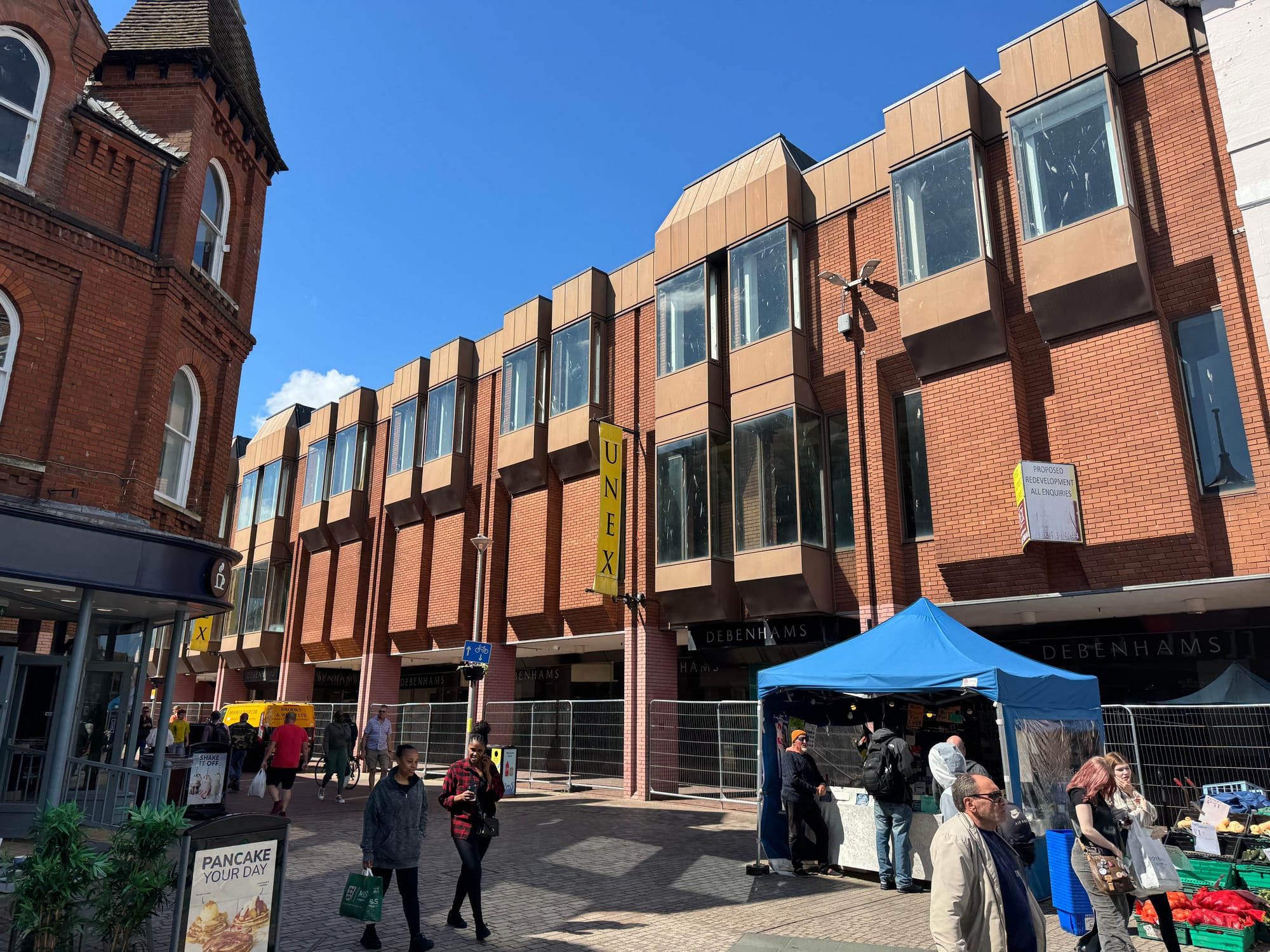
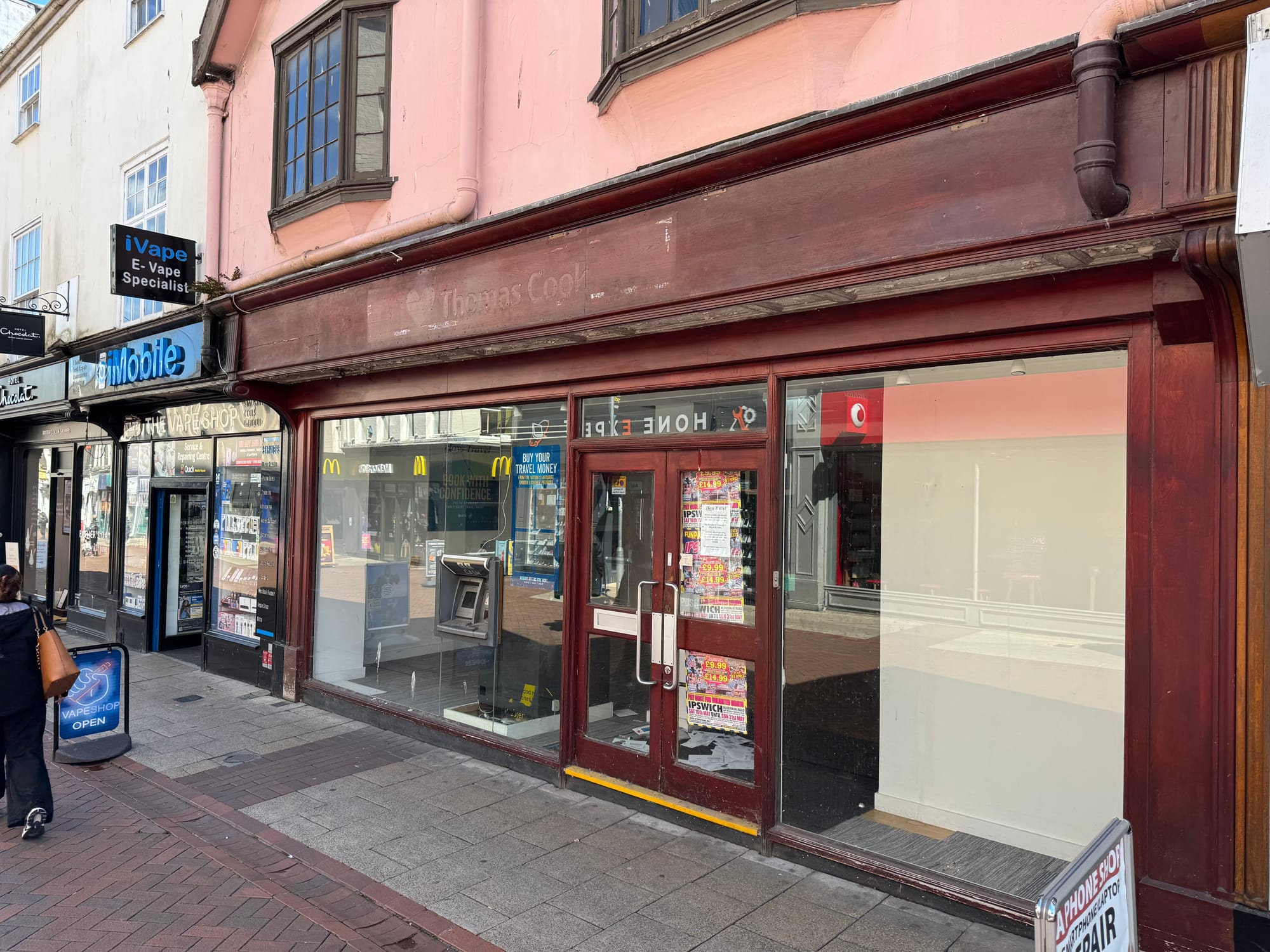
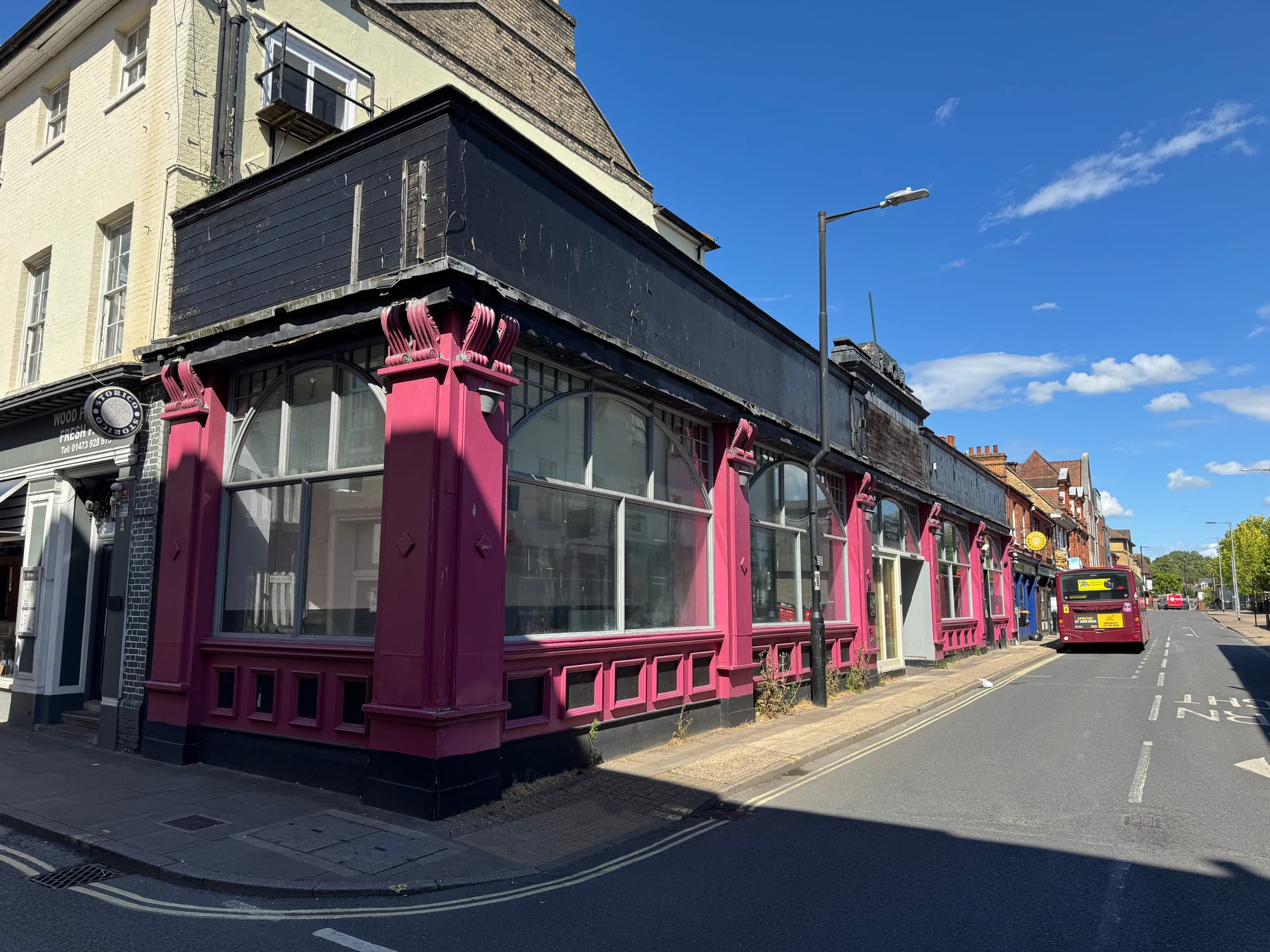
How many of these units could be subject to HSRAs in the future? (Photo: Oliver Rouane-Williams/Ipswich.co.uk)
Does it actually work?
The honest answer, for now, is: sometimes, and modestly. The government has been working directly with 12 early adopter councils, and a total of 66 long-term vacant units have been brought back into use nationally — a figure that reflects the early stage of the scheme rather than its ultimate potential.
But there is at least one compelling proof of concept. In Harworth and Bircotes, a small town in Nottinghamshire that was among the first to implement the powers, the vacancy rate fell from 11% to 3% in the first year of enforcement. That is a remarkable turnaround, and one that the government is keen to replicate.
"Just imagine if we could replicate that on every high street," said Reed.
The scheme is not without its limits. Large former department stores subject to complex redevelopment plans may be unsuitable. Properties with serious structural issues — dangerous structures notices, combustible cladding, significant damp — are likely to be outside its scope. And the process only works where there is genuine demand from prospective tenants; a council cannot conjure interest where none exists.
What it could mean for Ipswich
On Monday, 9 June, the government announced a £10m expansion to the HSRA programme, providing councils with additional refurbishment grants and support to widen their use of the powers. It was an announcement that Jack Abbott welcomed warmly — and that appeared to land at a significant moment for Ipswich.
Ipswich Borough Council confirmed to Ipswich.co.uk that it has been monitoring the early adopter programme closely and that proposals for the use of HSRAs in Ipswich will be presented to the council's Executive shortly. Those proposals will include recommendations for designating a relevant area and a plan for community engagement.
The council says it is already monitoring vacant units in the town centre and holds data sufficient to satisfy the vacancy and local benefit conditions required before any auction can proceed. It is understood that the council is actively exploring the use of the powers in relation to at least one specific vacant unit, though they won't confirm which unit that is.
Councillor Neil MacDonald, leader of Ipswich Borough Council, said: "I welcome the Government announcement to provide additional funding for local authorities to bring properties back into use through the use of High Street Rental Auctions. I'm looking forward to presenting proposals to the Council's Executive for the use of High Street Rental Auctions in Ipswich that will remove the blight of long-term empty town centre property and open up opportunities for these spaces to be used by new tenants at an affordable cost."
The council, it says, has also been working with property owners to secure improvements to the exterior of vacant buildings where their condition is affecting the wider street scene. Though again, how and where is unclear.
The question of council-owned properties
There is an intriguing complication in all this. The Ancient House on Buttermarket — one of the town's most prominent vacant properties — is owned by Ipswich Borough Council itself. As is the former Little Waitrose building. High Street Rental Auctions are designed to give councils powers over private landlords who are failing to fill their properties. Whether those same powers can, or should, be applied to a council-owned building is a question the legislation does not answer.
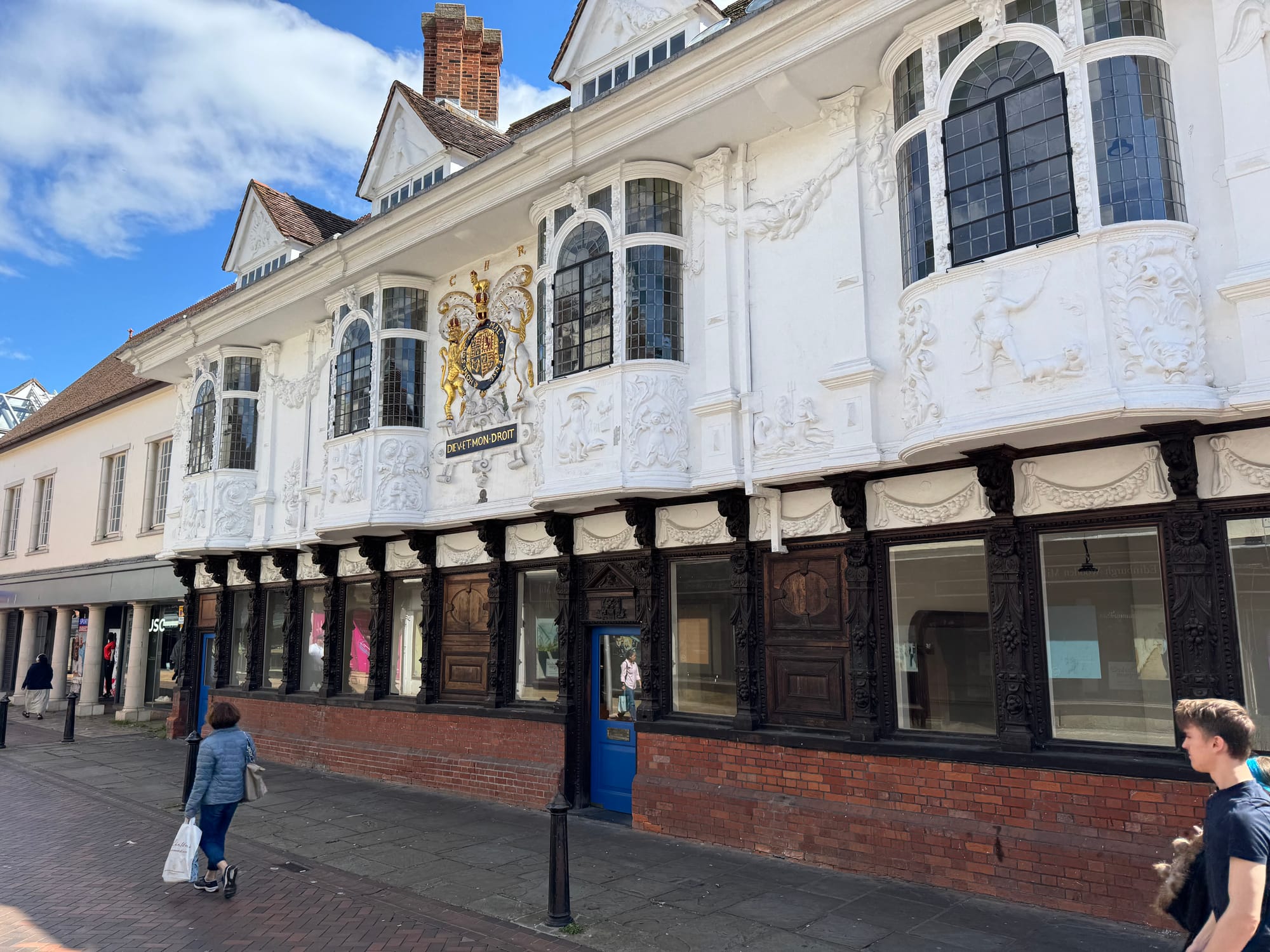
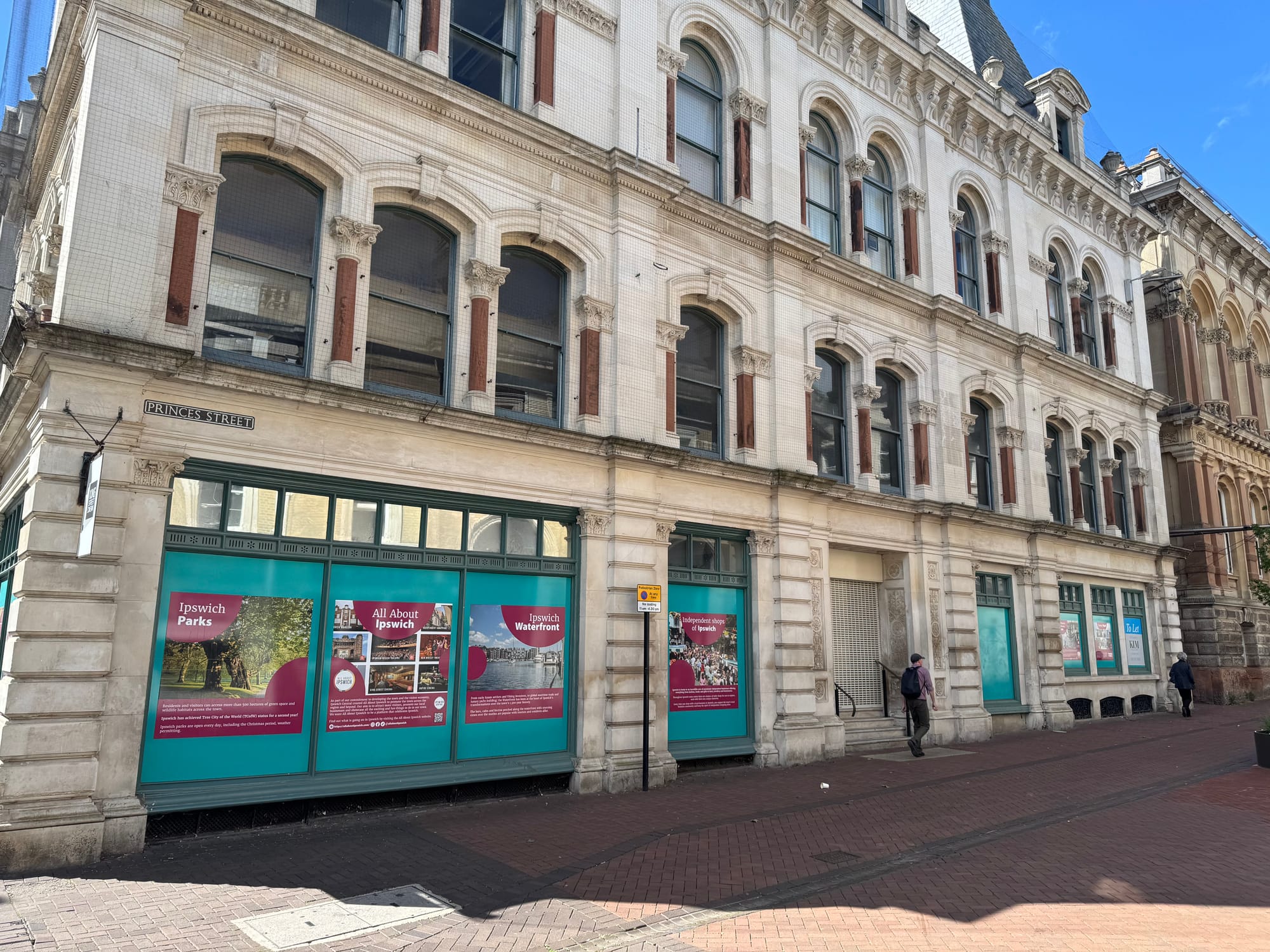
The Ancient House and former Little Waitrose building are both owned by Ipswich Borough Council (Photo: Oliver Rouane-Williams/Ipswich.co.uk)
It is a point worth watching as the council's proposals take shape. If the council process results in HSRAs being used only for privately owned units while council-owned vacancies remain unaddressed through separate mechanisms, the town will reasonably want to understand what those mechanisms are — and when they will deliver results.
What they will not change
HSRAs are not a silver bullet. They sit alongside a broader set of regeneration tools, and the government has been clear that engagement with landlords should always come first. Many landlords, the guidance notes, are proactive and want to fill their properties; the auction process is intended for those cases where cooperation has broken down or simply never materialised.
Should the purchase of the former Grimwades building have fallen through, this, perhaps, would've been one such instance.
It would be a mistake, however, to treat High Street Rental Auctions as a cure for all that ails Ipswich town centre. The powers address one specific problem — landlords who are not letting their properties — but they cannot touch the deeper structural forces that have made trading on any British high street so difficult in recent years.
Those forces are considerable. The cost of living crisis has squeezed consumer spending, with households across Suffolk cutting back on discretionary purchases in ways that have hit independent retailers and hospitality businesses particularly hard. At the same time, the cost of running a business has risen sharply. The National Living Wage increased by 4.1 per cent in April 2026 to £12.71, a rise that — however justified — has added significantly to the wage bills of the small businesses that high streets depend upon. Employer National Insurance contributions rose in the same month, adding further pressure. Energy costs remain substantially higher than pre-pandemic levels, look set to rise again courtesy of Donald Trump's conflict with Iran, and continue to weigh on margins for shops, cafes and restaurants alike.
The result is that even businesses with access to affordable space may struggle to make the numbers work. An empty unit brought back into use through an HSRA is only a success story if the business that moves in is able to survive — and right now, survival is not guaranteed.
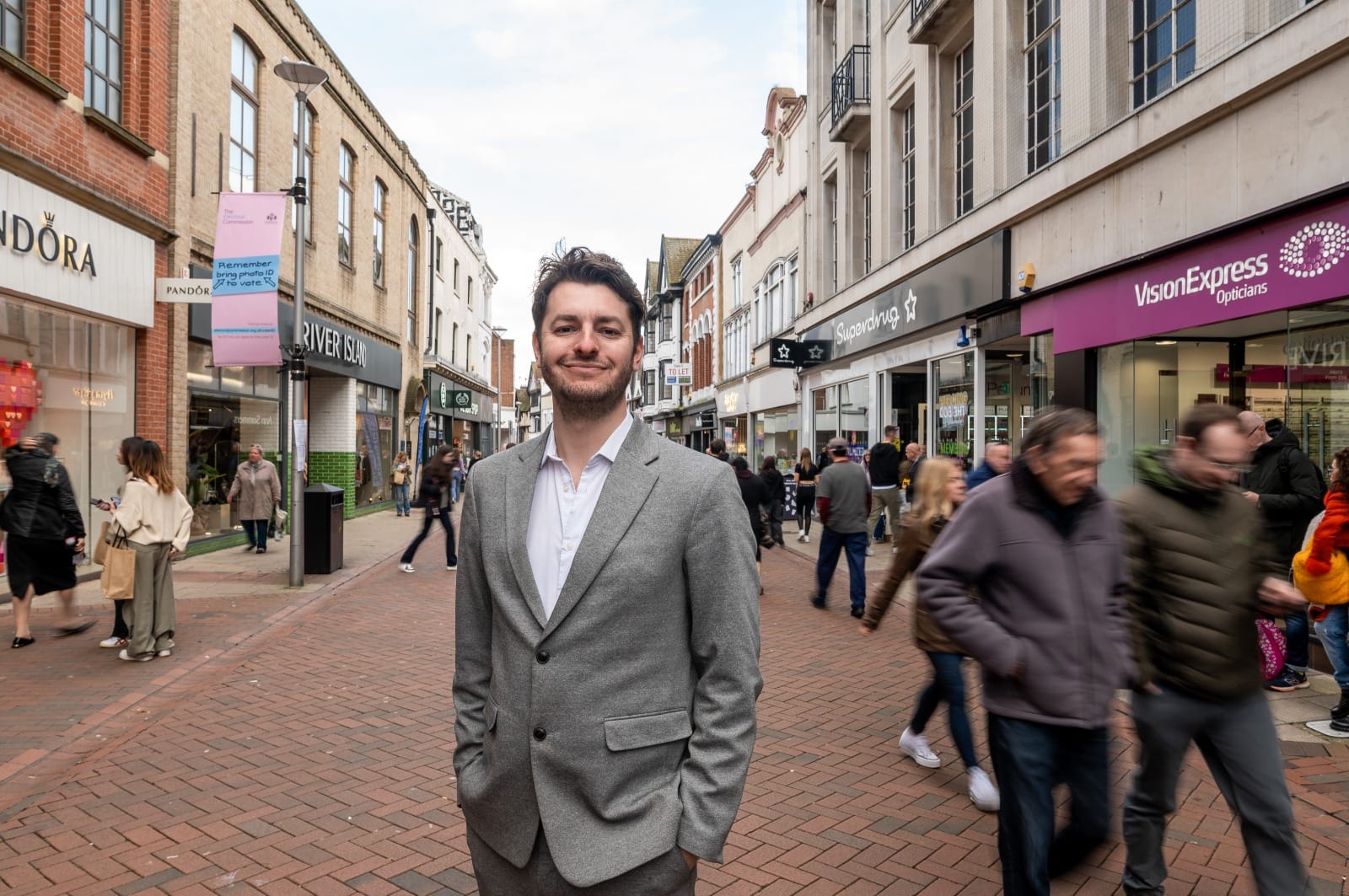
"This is part of a wider plan to restore pride in Ipswich and make sure people can see real change in their local area," Abbott said. "Our town has huge potential, strong communities and a generation of young people who deserve opportunity, investment and ambition for the future."
But Abbott must do more – a lot more – to make clear to his government the impact its policies are having on our private sector and local economy.
The bottom line
HSRAs can open doors. They cannot guarantee that what lies behind them will thrive.
But the powers exist. The funding is there. The council appears, for the first time, to be ready to act. What Ipswich needs now is not another announcement, but action — new businesses opening in units that have been empty for years, and a town centre that starts to feel like somewhere people want to be again.
HSRAs will not fix everything, and they will certainly not fix it quickly. But in a town that has been waiting a long time for its high street to turn a corner, even one auction, one reopened shopfront, one new business where there was previously a boarded-up window, would be a start worth celebrating.
Someone has to ask why these shops are still empty
This is the kind of local accountability journalism that rarely gets done in Ipswich, digging into the laws, the council decisions, and the political choices that shape life in Ipswich. It takes time and money (lots of it!) to produce. Your membership – at just £4.75 per month – keeps it free for everyone.
Don't forget: If you enjoy our content, please add Ipswich.co.uk as a "preferred source" on Google so you can easily find more of the content you value.
This article cost us ~£162 to produce
It's free for you to read thanks to the generous support of our partners. Please support us by supporting them.
Below the line