
Could the river Gipping heat Ipswich?
There is a forming plan to heat buildings using the River Gipping, and Ipswich is becoming home to some of Britain's more imaginative renewable energy projects. Away from the arguments about wind turbines, pylons and solar farms, something rather encouraging is happening.

For all the controversy surrounding Britain's transition to green energy, there is another story worth telling. It is unfolding on rooftops, in industrial estates, on housing developments and even on a reservoir just outside Ipswich.
There are no enormous cooling towers, no forests of electricity pylons and, in some cases, very little visible evidence that anything unusual is happening at all.
Yet these projects are generating electricity, reducing dependence on conventional energy supplies and creating opportunities for local businesses.
Perhaps most interestingly, some are demonstrating that renewable energy need not always compete with the countryside for space.
The reservoir that generates electricity
Just outside Ipswich, at Great Blakenham, an unlikely combination of water, sunshine and tomatoes has become something of a renewable energy success story.
At Suffolk Fresh, approximately 1,250 solar panels float on a reservoir, covering 3,500 square metres of water.
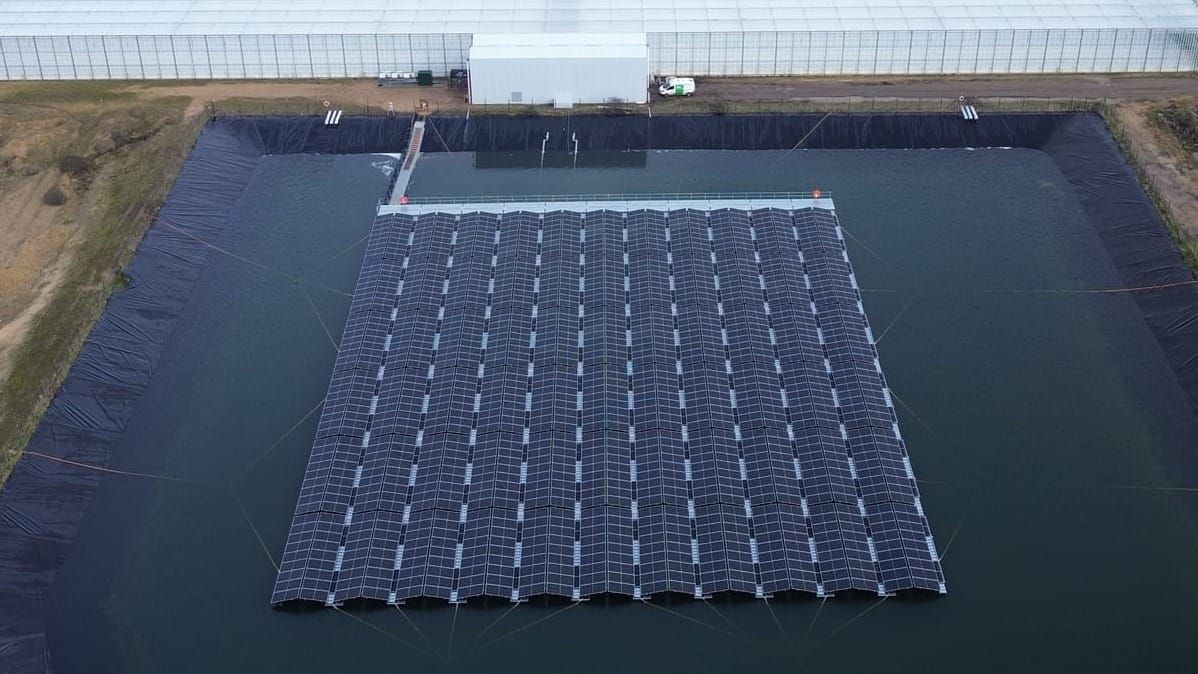
The installation generates electricity for an enormous hydroponic glasshouse growing tomatoes.
During its first ten months of operation, the system produced almost 500 megawatt-hours of electricity, supplying around 20% of the nursery's requirements. About 95% of the electricity generated was used directly on site.
The project was developed by Melton-based East Green Energy and won Commercial Project of the Year at the national Solar & Storage Live Awards in September 2026.
What makes it particularly interesting is that the panels occupy water already being used by the business, rather than requiring a separate agricultural field.
It is a rather elegant example of making existing infrastructure work harder.
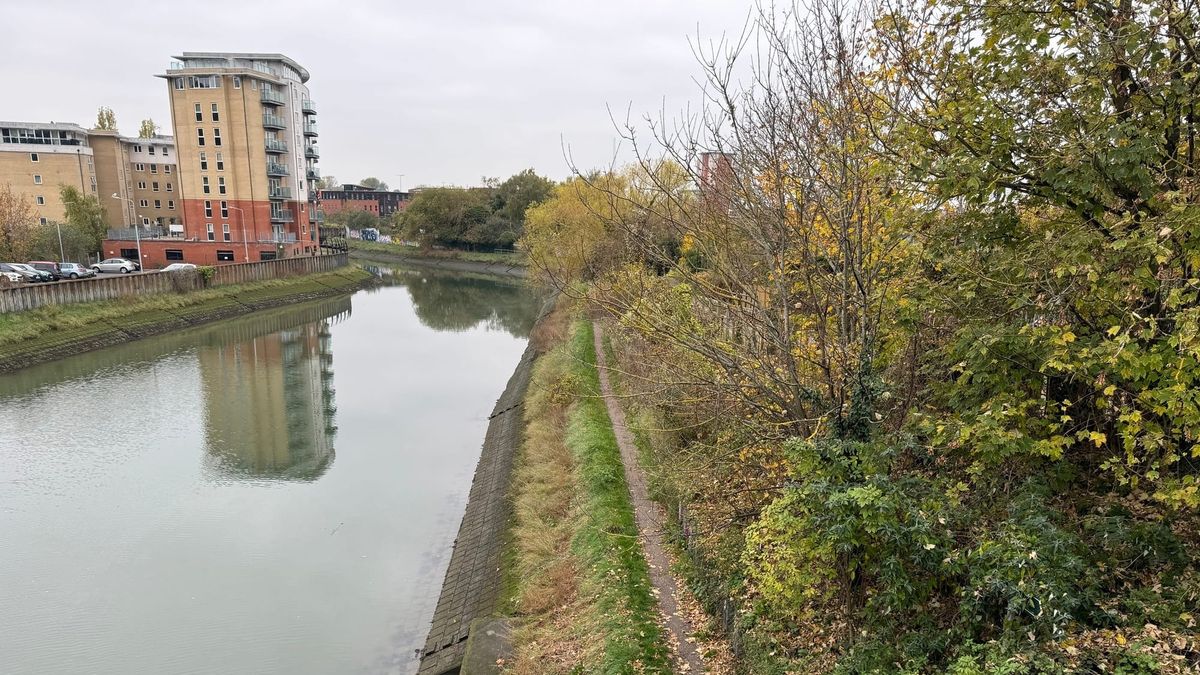
Could the River Gipping heat Ipswich?
The next innovation could be even more remarkable.
Suffolk County Council has secured £9.8 million in government funding for a scheme that would use naturally occurring heat from the River Gipping to warm buildings across central Ipswich.
The technology involves extracting low-grade heat from river water, raising its temperature through large heat pumps and distributing it through insulated underground pipes.
The ambition is to provide approximately 35 gigawatt-hours of low-carbon heat annually, initially serving around 40 buildings.
Offices, hotels, theatres, colleges and public buildings could eventually benefit.
The first connections are envisaged from 2028, and the project is expected to support more than 50 local jobs.
There is something wonderfully appealing about the idea that a river which helped establish Ipswich as a trading town could, centuries later, help heat its buildings.
The scheme remains in development, however, and its eventual costs and benefits will depend on successful delivery.
A revolution taking place above our heads
Perhaps the most significant transformation is also the least dramatic.
Across Ipswich, householders are increasingly turning their roofs into miniature power stations.
By March 2025, government figures recorded 2,540 domestic solar installations in the Ipswich constituency, an increase of 85 in just three months.
Research using Met Office sunshine data subsequently placed Ipswich ninth nationally among areas combining high sunshine hours with relatively low solar-panel coverage.
In other words, there is considerable potential still waiting to be exploited.
Ipswich Borough Council has also been installing solar panels on its housing stock. Its 2024/25 housing report recorded another 111 homes receiving installations.
And at Hawke Road, 26 new council homes completed in March 2026 were fitted with solar panels and high-quality insulation.
For residents, the attraction is practical: electricity generated at home can reduce the amount purchased from the grid, although savings depend on installation costs, consumption and tariff arrangements.

Cleaner energy, ordinary working lives
The transformation extends into Ipswich's everyday municipal operations.
The borough council's Layard House depot, opened in 2025, incorporates solar generation and facilities supporting the transition towards electric vehicles.
In May 2025, the council began trialling three fully electric refuse collection vehicles.
Meanwhile, a pioneering solar canopy at Beacon House in Ipswich was reported by Sustainable Suffolk to generate around £50,000 worth of electricity annually, alongside an innovative battery-storage installation.
These are not particularly glamorous achievements.
But reducing the energy required to operate public buildings and services offers something potentially valuable to every council taxpayer: the prospect of lower running costs over time.
The bigger opportunity for Ipswich
None of this means renewable energy comes without difficult choices.
There remain legitimate questions about land use, infrastructure costs, energy storage and what happens when the wind stops blowing, or the sun disappears.
Nor can local solar panels supply all of Ipswich's electricity requirements. The town remains connected to, and dependent upon, the wider national electricity network.
But the projects already operating around Ipswich suggest that the argument about renewable energy need not always be framed as a choice between protecting the countryside and producing cleaner power.
Rooftops, reservoirs, existing commercial sites and rivers offer possibilities that are often overlooked.
The exciting part is not simply the technology. It is that local businesses, engineers and public authorities are finding imaginative ways to put it to work.
And perhaps that is where Ipswich's green revolution will prove most successful - not through grand promises or contentious megaprojects, but through hundreds of practical improvements quietly making the town cleaner, more efficient and less dependent on conventional energy.
It may not make much noise. But it is already making a difference.
Don't forget: If you enjoy our content, please add Ipswich.co.uk as a "preferred source" on Google so you can easily find more of the content you value.
This article cost us ~£103 to produce
It's free for you to read thanks to the generous support of our partners. Please support us by supporting them.
Below the line