Why it matters: This isn't just another annual report with a youth consultation chapter. It's the first time young people have shaped every stage of Suffolk's public health strategy, from identifying priorities to proposing solutions.
Stuart Keeble, executive director for public health and communities, set the tone early: "Let's not just have a consultation that leads to no action. We have to challenge that," emphasising the report must identify not just what's next, but who is held accountable and how.
The shift represents a significant rethink of how public health approaches young people. "We're not starting from scratch here - we haven't just suddenly discovered youth social action," Keeble reminded attendees. But this report moves from treating youth social action as a nice-to-have, to positioning it as a core public health strategy. “It’s not just the money, but how we work together… the how is just as important as the what.”
The evidence base came from 300 young people across three recent hackathons in Ipswich, Bury St Edmunds and Lowestoft. Crucially, adults "took the back seat" as young people identified their own priorities rather than responding to adult assumptions.
Suffolk County Council signed the Power of Youth Charter in April 2025, joining a national movement supporting young people to have a stronger voice in shaping their communities. The charter is linked to the #iWill movement and backed by local charities, including Volunteering Matters.
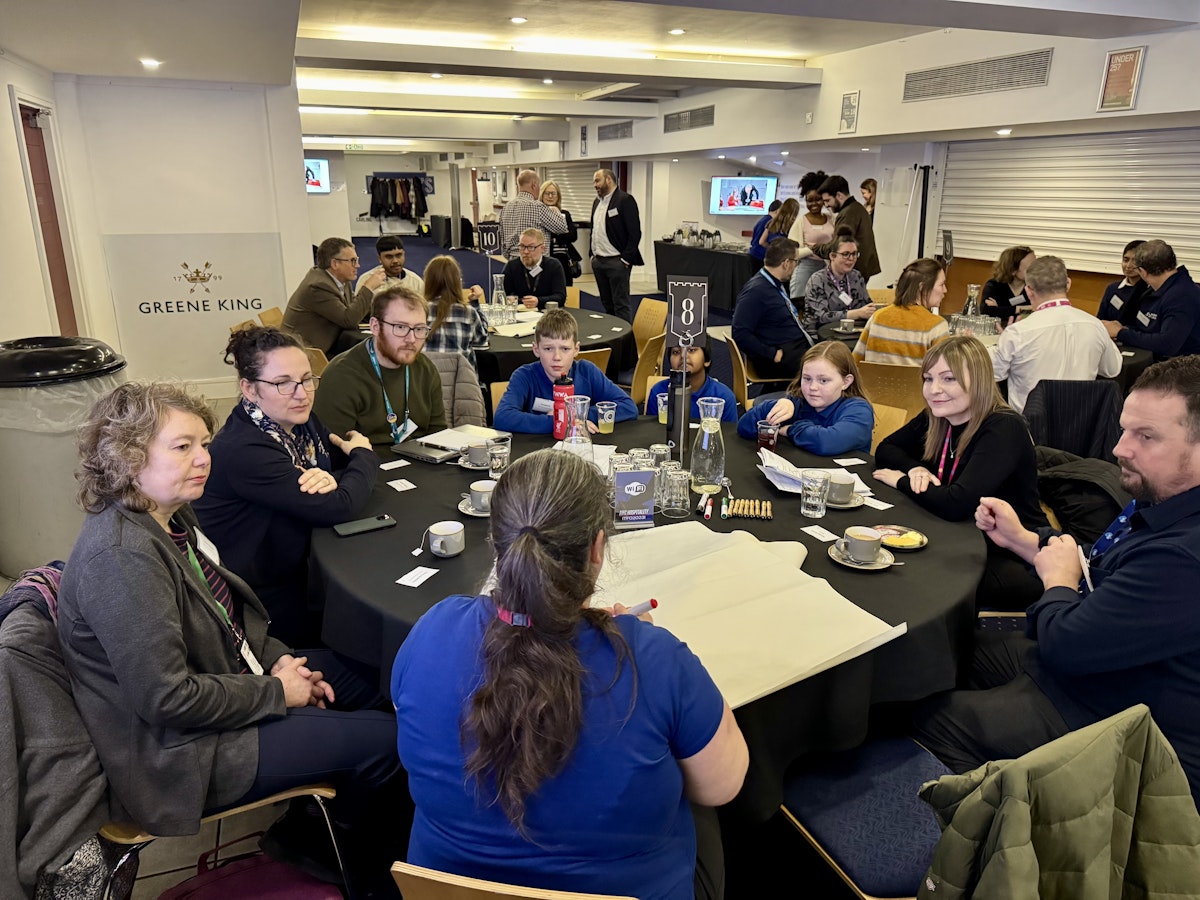
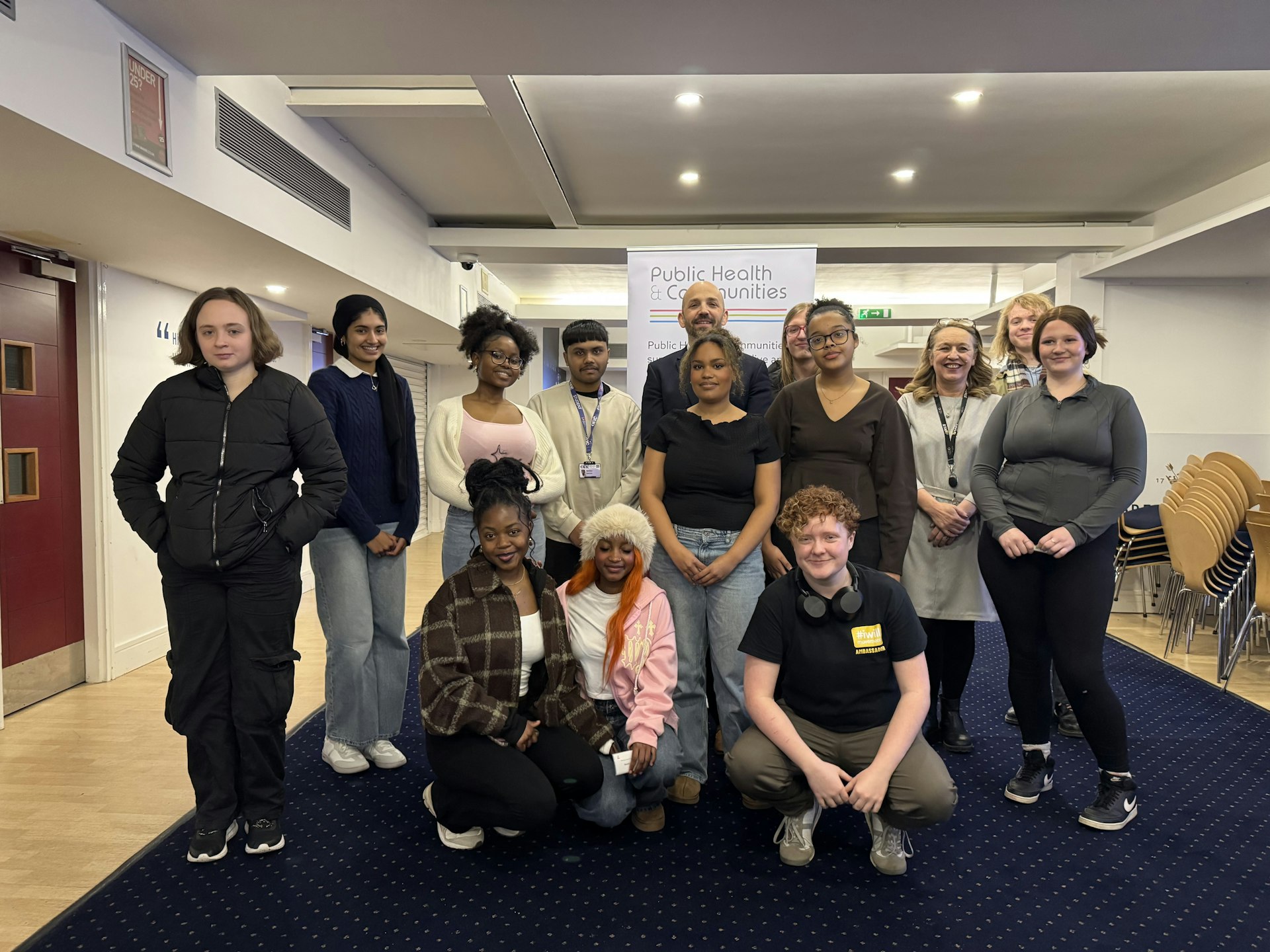
The details: Around 100 people attended the launch at Beattie's Suite, including representatives from charities like Inspire, businesses including global container shipping company MSC, around a dozen Year 5 students from Cliff Lane Primary School, and #iWill ambassadors who facilitated roundtable discussions.
The most striking moment came when the Cliff Lane students took the microphone following the roundtable discussions. They articulated concerns and optimism with the poise, precision and passion of seasoned politicians. Attendees were in awe – some literally open-mouthed – as they spoke of the importance of safe spaces, seeking role models, feeling confident in group discussions, and wanting to create a better future.
Pupil Freddy told the room he wanted to present young people’s views directly to Prime Minister Sir Keir Starmer and Parliament. Others were demanding future events like this to share and reinforce their views.
In the hackathons, young people consistently raised three priorities: mental health support focused on connection rather than just services; safe spaces to gather on their own terms; and tackling barriers, including rural isolation, financial constraints, and confidence.
Stephen Skeet, director of Volunteering Matters, shared young people's core frustration - "When are adults going to start talking about the things we are doing?" – explaining that the hackathons gave them the platform to do exactly that, with young people acting as MCs, filmmakers and directors.
During roundtable feedback, an #iWill ambassador shared how her school council successfully changed lesson structures – reducing classes from 2.5 hours to 1.5 hours, demonstrating youth power in action.
The big picture: The report found that 85 per cent of young people surveyed felt that taking part in social action is good for their confidence or mental health, while 53 per cent felt there were not enough fun or welcoming spaces for them in their local area.
Roundtable discussions explored the disappearance of youth clubs, town centre and night-time economy safety, youth involvement in local politics, funding stream challenges (12-month programmes leaving some disenfranchised), the dangers of tokenism, empowerment, "joining the dots" between charities, groups and good causes, anxiety, addiction, loneliness, and the dilemma of adults keeping young people engaged and safe versus "being in their faces" and not granting them the freedom to make their own decisions and develop key life skills.
Participants introduced the concept of 'braveguarding' – moving beyond traditional safeguarding to give young people safe spaces to explore their identity and take risks necessary for growth.
What's next: The report identifies five priorities shaped by young people: mental health, access to meaningful work, equality, wellbeing and strong community connections.
Its Suffolk Youth Social Action Strategy recommends investing in connection rather than just services, supporting local infrastructure that young people trust, and amplifying youth leadership.
The Health and Wellbeing Board will now consider these recommendations, with implementation details to be announced following further consultation.
The bottom line: Young people are sending a clear message: they don't want to be talked about – they want to be listened to. They have solutions, not just problems. They want safe spaces, affordable activities and forums created to be heard across Ipswich and Suffolk. They're done being the subject of adult-led conversations about mental health, safety and their futures. They want real power, not token consultation.
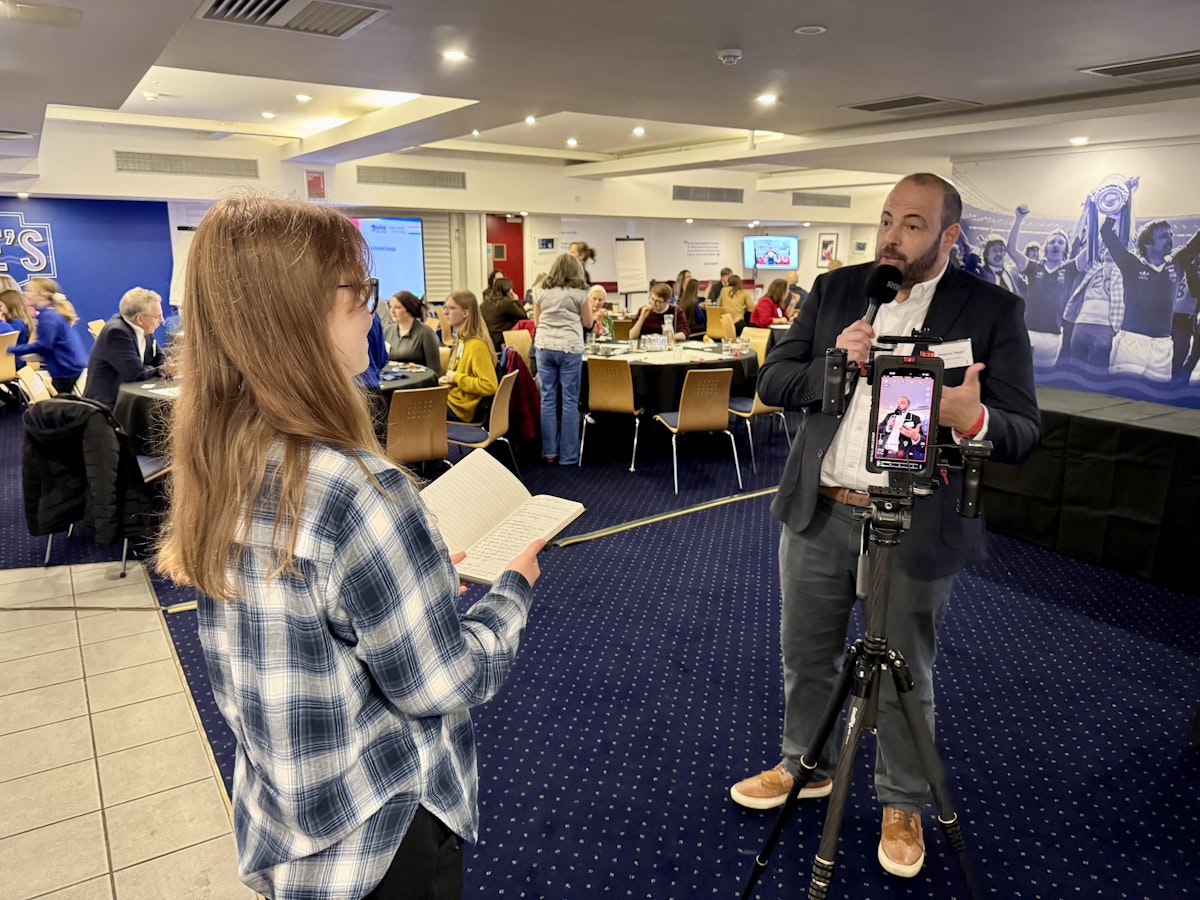
Three young journalists from Ipswich.co.uk's Youth Voice Matters conducted interviews with officials on accountability, experiencing firsthand what it means to hold power to account. Stay tuned for their features over the coming days, examining implementation timelines, budget commitments, and what young people actually need. They will be written by the generation this report is supposed to serve.
Suffolk County Council's report was produced in partnership with Volunteering Matters, following the #iWill Power of Youth Charter principles of participation, shared decision-making and working across generations.
Ipswich.co.uk was the only media outlet to attend and officially support the launch.