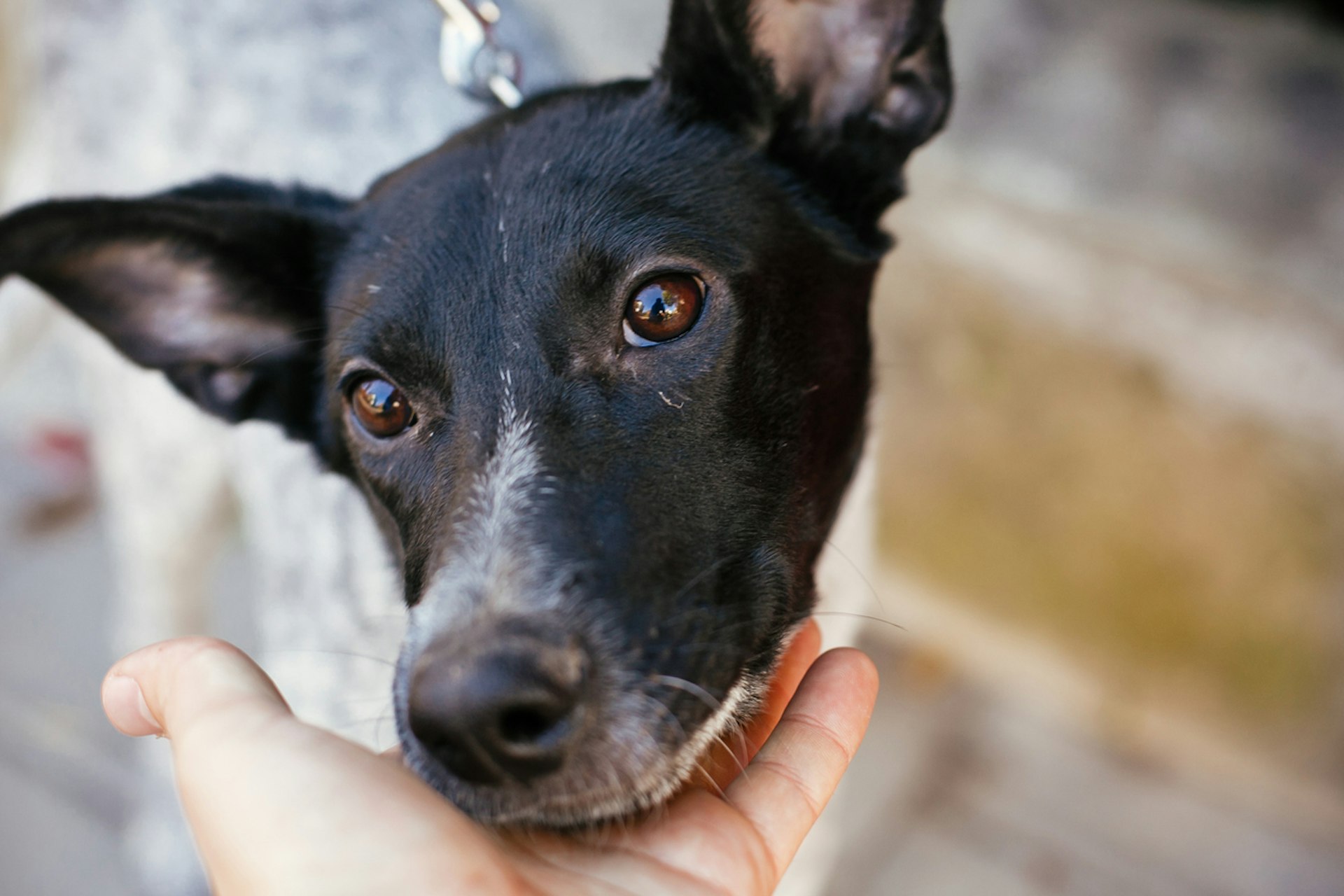
Animal abuse ranges from physical violence to neglect and abandonment. A member of staff at Cat's Protection's Ipswich branch, who did not wish to be named, told me that animal abuse towards cats has risen by around 50% compared to 2020 when the pandemic first hit.
The scale of the problem nationally is staggering. According to the RSPCA's 2024 annual review, the charity dealt with 61,000 allegations of cruelty and neglect in 2024. Cruelty reports rose from 88,770 in 2023 to 105,250 in 2024 - a 19% increase in just one year.
The RSPCA's prosecution work shows results. In 2019 (the most recent data available), the charity secured 1,432 convictions relating to animal welfare offences, achieving a 93.7% success rate.
Running as a registered charity cost the RSPCA £152.5 million in its most recent financial year, demonstrating the scale of resources needed to rescue animals.
Unfortunately, in the worst cases, animals are being put down to end their suffering, mainly due to rising vet bills and the cost of vital checkups.
But the biggest question here is, why would people abuse or neglect animals to begin with?
The price to pay for company and comfort
Many do not understand why animal abuse occurs. However, I have delved into this topic as a passionate pet owner myself. I want to make sure animals are treated fairly and respectfully, especially considering they are our pets and should be loved. Take my cat, for example – she depends on proper care and deserves to be treated with dignity.
There is also the case of a stray cat who lives outside my flat, whom I see regularly. My neighbours have fed them, cared for them, and paid vet expenses. This is not even their cat, but they are caring for it and nurturing it so it thrives, even if it is confined to the outdoors, as they cannot adopt it.
Such acts as these can change an animal's life, and all that is asked is to treat them with respect.
So why is this abuse happening? What is the drive behind this dramatic increase in cruelty?
The impact of a struggling economy
Rising costs have left many struggling financially, and people need to buy more important things than pet essentials, which is leading to pets being neglected. This lack of money has contributed to the overall abuse and neglect towards pets, as many animal owners cannot afford the vet bills and checkups which would have kept sick pets alive.
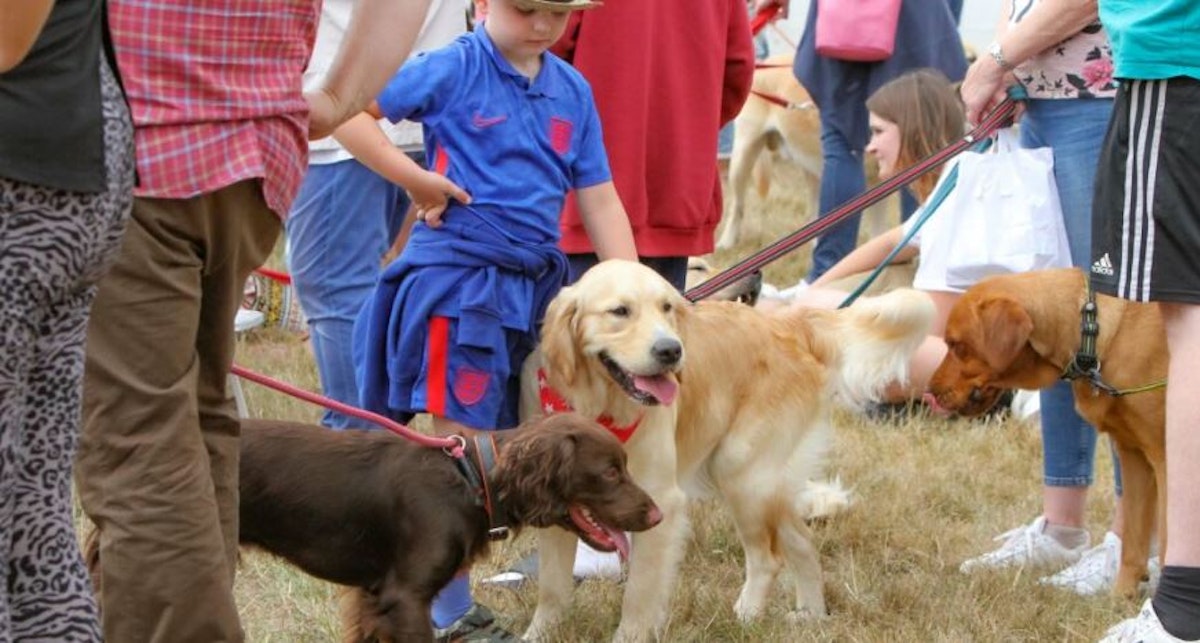
During the pandemic, so many were lonely and required something to do. Many bought pets solely for companionship, but now some owners realise they did not think their choices through and eventually get rid of these pets, either by putting them down or selling them.
As the world returned to normality, people no longer had the means to provide for these companions, and many were neglected or abandoned.
Trained pets for mental health
There is also the question of pet owners with mental health problems who may benefit from specifically trained animals. Pets such as ESAs (emotional support animals), PSAs (psychiatric support animals) and TSAs (trained service animals) are trained to personally support their owners through episodes and provide the right kind of help.
Someone may require an ESA for autism or anxiety disorders so they can be calmed in overwhelming conditions. Someone with a PSA may require it to help them during episodes like depression, PTSD or bipolar disorders. And someone with a TSA may require it due to sight impairment or other complications like hearing loss.
These trained animals are designed for these specific purposes and can provide proper support, whereas ordinary pets - whilst wonderful companions - may not have the training to help in these situations.
The bottom line
Innocent victims of cost-of-living pressures and post-COVID trends, our beloved pets are paying the price for decisions beyond their control.
Many pass by animals who are facing abuse and cruelty and do nothing, so to help stop this rise, sponsor an animal, visit animal-helping charities and make purchases to provide life-saving care. You could even adopt a pet from a shelter and show them the love and care they deserve.
The next time you see an RSPCA advert asking for volunteers or donations, remember: these are not just numbers. Behind every statistic is an animal whose life depends on us choosing compassion over convenience. Just one act of kindness can make a difference to these animals and help decrease cruelty for good.
NB This article was written by a student journalist participating in Youth Voice Matters, a six-week community journalism project delivered by Ipswich.co.uk and Ipswich Community Media (ICM), in partnership with Volunteering Matters.