Why it matters: Government spending on local youth services fell by 73% between 2010/11 and 2022/23, with more than 1,000 youth centres closing and over 4,500 youth worker roles being lost.
The big picture: "Youth Matters: Your National Youth Strategy" sets out a 10-year, cross-government plan to improve outcomes for young people aged 10-21, up to 25 for those with Special Educational Needs and Disabilities. The strategy has been co-produced with more than 14,000 young people across England through a landmark "State of the Nation" survey that was heavily influenced by young people in Ipswich, the country's first Town of Youth Social Action.
The details: The government is committing over £500 million of new funding, which will:
Build or refurbish up to 250 youth facilities over the next four years, as well as providing equipment for activities to around 2,500 youth organisations, through a new £350 million "Better Youth Spaces" programme.
Launch a network of 50 Young Futures Hubs by March 2029 as part of a local transformation programme of £70 million, providing access to youth workers and other professionals.
Support organisations in underserved areas to deliver high-quality youth work through a "Richer Young Lives Fund" worth over £60 million.
Boost young people's wellbeing through a new £22.5 million programme of support around the school day in up to 400 schools.
Recruit and train youth workers, volunteers and other trusted adults with £15 million of investment.
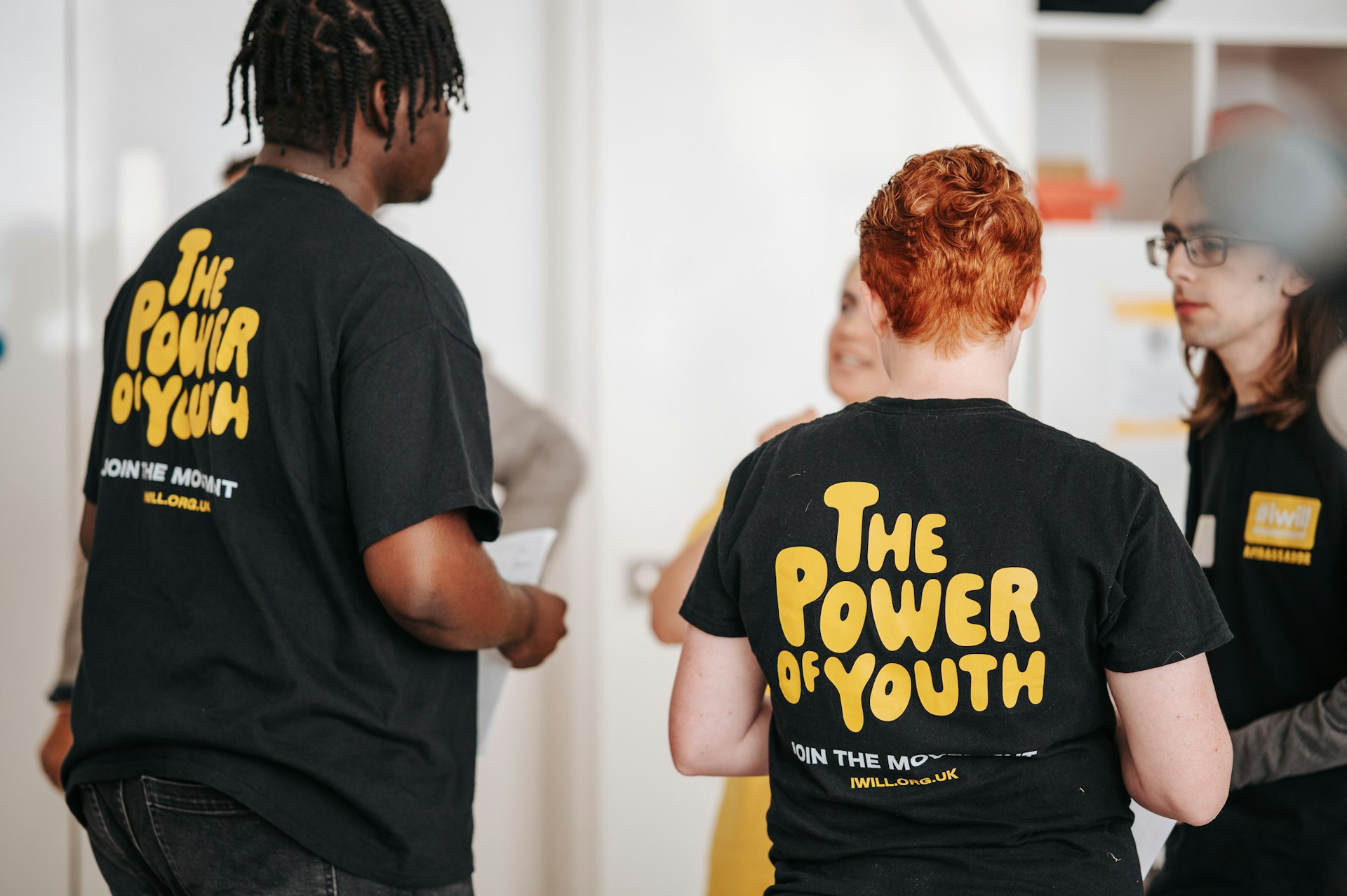
What they're saying: Jack Abbott MP, Member of Parliament for Ipswich, said: "I am so proud that Ipswich was at the heart of the first National Youth Strategy in decades. We are a Town of Youth Social Action and, as a Power of Youth Charter signatory, I have been so inspired by working alongside young people in our town. This is a Strategy written by young people, for young people, and it is a game-changer."
He added: "This Strategy is about giving our young people the security, support, and genuine voice they deserve, helping to grow our local economy and restore a real sense of pride and belonging in the place we call home. We are listening, and we are delivering."
Stephen Skeet, Director of Business Development and Partnerships at Volunteering Matters, an organisation that has led a nationwide charge for youth social action from its base in Ipswich, said: "This National Youth Strategy is groundbreaking, for young people, by young people. Since February, we have engaged young people to have their say, including through our Hack in Ipswich and the findings have been clear. Young people want people who care, places to go and connect, and to be seen and heard in decision-making that affects them."

The 10 priority actions: The strategy sets out 10 prioritised actions for government departments to deliver over the next decade, including:
Supporting and embedding more trusted adults, including through sports programmes or new Young Futures Hubs.
Funding for youth workers, volunteers and trusted adults, and developing a network of Young Futures Hubs.
Helping young people develop positive social connections and reduce isolation.
Creating a better enrichment offer in up to 400 schools and new funding creating activities and youth work opportunities in areas that need it most.
Delivering the Youth Guarantee to ensure access to further learning, jobs, or apprenticeships for young people.
Restoring neighbourhood policing and providing support via Young Futures Hubs.
Building and renovating youth centres as well as investing in new and upgraded grassroot community sport facilities.
Rolling out Mental Health Support Teams in schools and colleges to reach full national coverage by the end of 2029.
Lowering the voting age to 16 and empowering young people to co-design policies.
Measuring outcomes across government through a shared framework and publishing an interim delivery report in 2027.
For context: The "State of the Nation" report, published alongside the strategy, highlights four critical themes that shaped the plan: community, connection and belonging; physical, mental and digital wellbeing; skills and opportunities for life and work; and safety and security.
The report reveals stark concerns from young people about a lack of mental health support, growing social isolation and an absence of youth services in their communities. While young people today are the most digitally connected generation, the report highlights that they face unprecedented levels of isolation, among the highest globally.
The bottom line: The government says it will begin implementation of the 10-point plan immediately, with key milestones set across the next decade, aiming to turn the tide from isolation online to real-life connections for young people across England.