Why it matters: The figures provide insight into armed policing activity in Suffolk compared to other forces, with significant variation across England and Wales reflecting local crime rates.
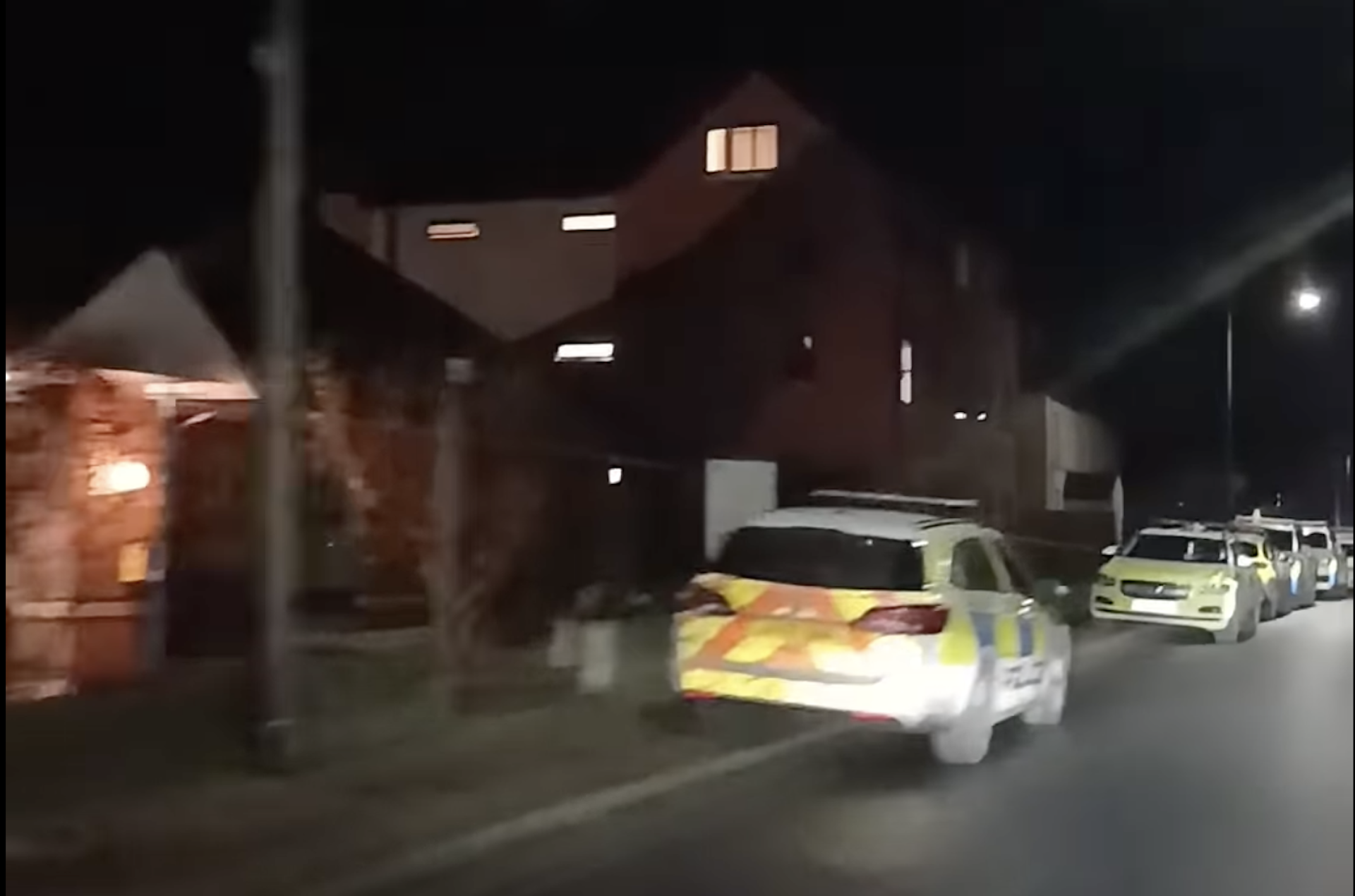
By the numbers: Suffolk Constabulary conducted 190 firearms operations in the year to March, up from 175 the previous year. This represents 24 operations per 100,000 people, slightly up from 23 per 100,000 in 2023-24.
The bigger picture: Police firearms operations varied dramatically across England and Wales. Cleveland (68), the West Midlands (67) and Gwent (49) had the highest rates per 100,000 people, while Lancashire, North Wales (12) and Cumbria (11) had the lowest.
The National Police Chiefs' Council said this variation "is reflected in local crime rates" and "is to be expected", adding "the British model of policing remains predominantly unarmed".
What they're saying: An NPCC spokesperson explained that police firearms operations include "a range of scenarios". They said: "Many will be pre-planned operations, for example, the arrest of armed criminals or providing armed protection for high-profile individuals, others will be spontaneous responses to crime in progress or responding to calls from members of the public where the deployment of armed officers is deemed necessary to protect the public or unarmed colleagues."
The details: Police firearms operations involve the deployment of armed officers who may have to protect themselves or others from a person with a firearm or other weapon, or who is considered so dangerous that firearms may be necessary.
Nationally, 17,249 such operations were recorded across England and Wales in the year to March – down 2% from 17,589 the year before and the lowest figure since 2016-17. The two largest police forces – the Metropolitan Police and West Midlands Police – accounted for 28% of firearms operations last year.
What's next: StopWatch, which challenges police use of stop and search powers, suggested the declining number of firearms operations nationally could be due to "fewer deployments of firearms units for the purpose of counterterrorism policing". Executive director Habib Kadiri said the charity believes "the number of police firearms operations and officers matters less than what they are doing with such great responsibility".
The NPCC spokesperson said the decreasing number of operations nationally "is seen as positive". Just four incidents where police firearms were discharged at people took place in the year to March – double the two in the previous year, but lower than the 10 in 2022-23.
The bottom line: Suffolk's firearms operations rate remains below the national average, with local variation across forces reflecting different crime patterns and operational requirements in each area.