Why it matters: Councillor Matthew Hicks argued that splitting Suffolk into two or three authorities would lead to "artificial borders" and inequality in care services and other essential support.
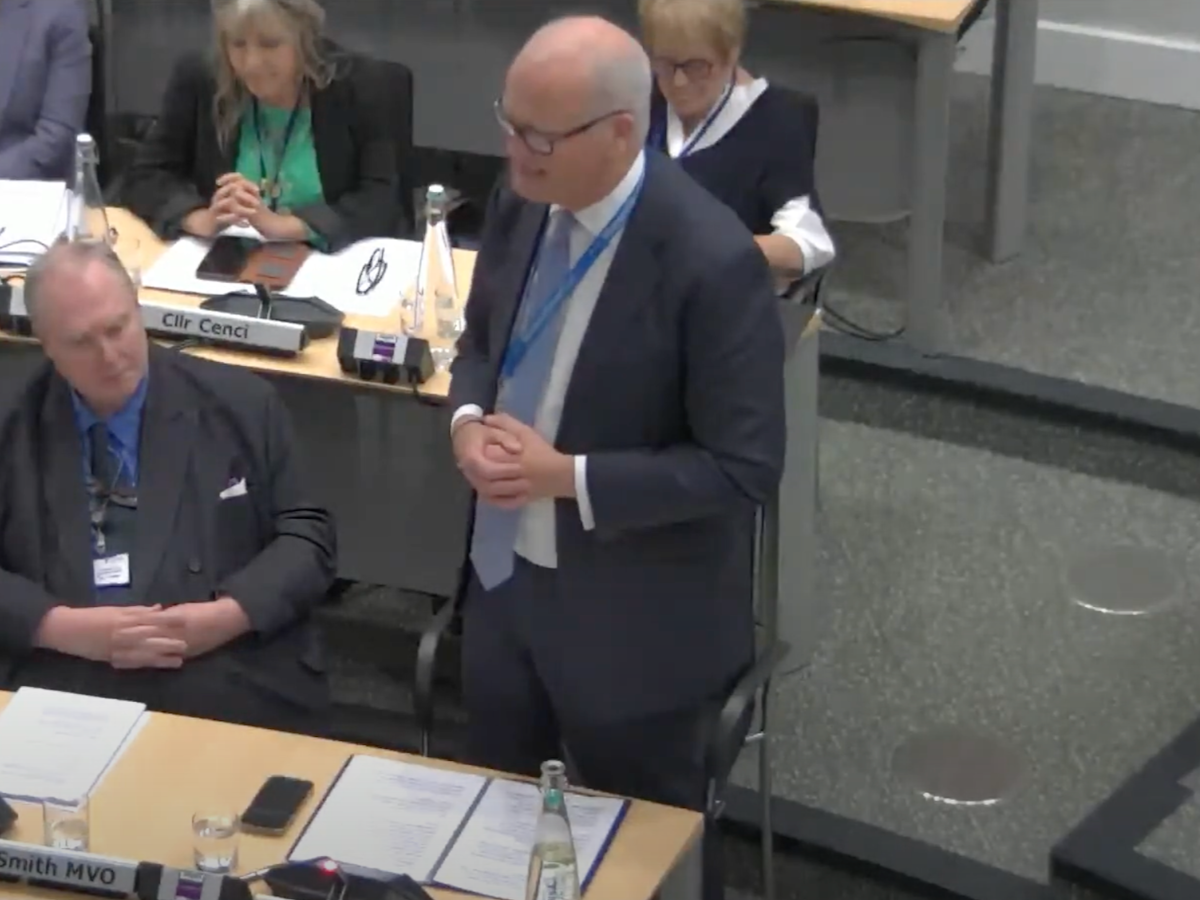
Speaking at the county council's Annual General Meeting on Thursday, 22 May, Cllr Hicks said: "Any suggestion of disaggregating or creating artificial divisions within this single market—leading to a postcode lottery in care services or pitting one side of the county against another—is not something we should pursue with any seriousness."
He warned that multiple councils would result in "authorities squabbling over finite pools of financial and human resources" and risk dismembering adult social care services.
The other side: Councillor Neil MacDonald, Leader at Ipswich Borough Council, defended the three-council approach, saying it was "vital to deliver effective and efficient services that communities want and need".
He argued that Suffolk's varied communities – "rural, coastal, industrial, agricultural and urban" – meant multiple unitaries were "the only solution to delivering targeted services".
What's next: Under government devolution plans, all existing Suffolk councils will be abolished, and a new unitary system will replace them by May 2026, when the first mayoral election takes place.
The bigger picture: Suffolk County Council supports creating a single authority covering the entire county, while Ipswich Borough Council unanimously backs a three-council approach based around an Ipswich & South-East Suffolk area that includes Ipswich, Woodbridge and Felixstowe, but not Stowmarket.
The bottom line: Unsurprisingly, Suffolk's political leaders remain deeply divided over the county's future structure of local governance, with competing visions for how best to serve residents under the new devolution arrangements.