Announced on Tuesday, 4 November, the milestone makes Sizewell C the first nuclear project globally to attract independent private investment, following an equity raise and final investment decision in July.
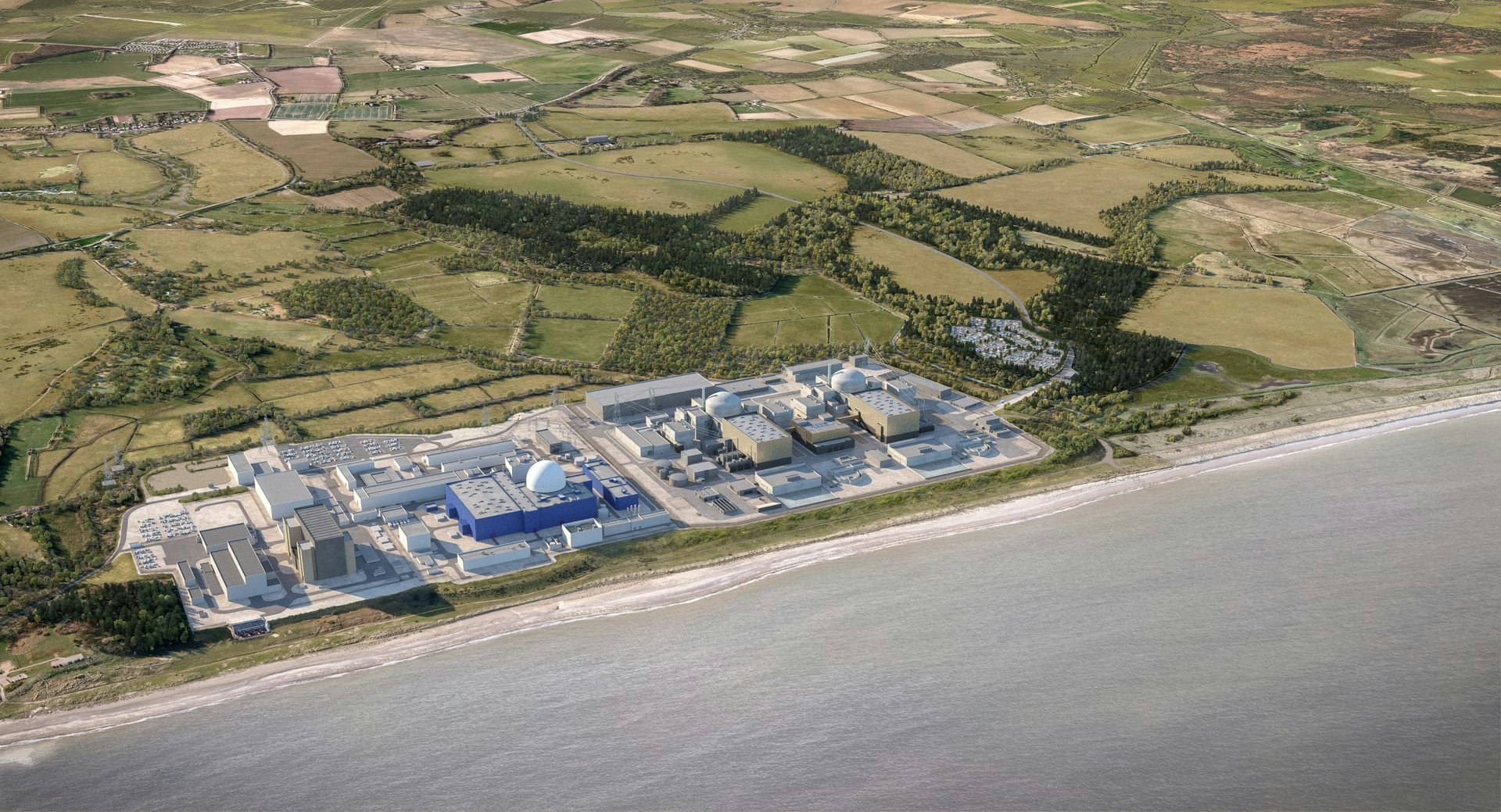
The funding comprises £5 billion in debt and a £500 million working capital facility. Located in Leiston on the Suffolk coast, the plant is expected to power six million homes for at least 60 years.
Why it matters: The financial package unlocks construction of a plant that is projected to save £2 billion annually across the future low-carbon electricity system once operational. The government argues the financing model itself could save consumers £30 billion compared to traditional approaches, though the project will not contribute to energy supply until the late 2030s at the earliest.
The details: The project, with an estimated cost of £38 billion, will comprise two reactors with 3.2GW capacity and is expected to be completed by the late 2030s or early 2040s. It will be built near to Sizewell B, which was completed in 1995 as Britain's last nuclear station and is set to stop generating electricity in 2035.
Sizewell C secured £5 billion through the BpifranceAE export credit facility, backed by 13 banks including HSBC, BNP Paribas, Lloyds, Santander and Crédit Agricole. The £500 million working capital facility and National Wealth Fund term loan complete the debt package.
The project achieved investment grade credit ratings from Moody's, S&P and Fitch on the strength of its robust financial structure and replication benefits from Hinkley Point C, the sister plant under construction in Somerset that uses the same European Pressurised Reactor design.
The big picture: Sizewell C is the first nuclear project to be financed using the UK's Regulated Asset Base model, which lowers upfront costs by allowing developers to earn regulated revenues during construction. The mechanism, used in infrastructure projects like Heathrow Terminal 5 and the Thames Tideway Tunnel, effectively means billpayers contribute to construction costs before the plant generates electricity.
The project is British-majority-owned, backed by major investors including the UK Government, La Caisse, Centrica, EDF and Amber Infrastructure Group.
The use of the RAB model for Sizewell C is estimated by government to save consumers £30 billion compared to other models, as a result of lower financing costs.
By the numbers: The project is set to create over 10,000 high-skilled British jobs, with thousands more in the supply chain, and 1,500 apprenticeships. Over 70% of contract value has been awarded to British firms.
About 60% of materials will reportedly be transported by rail and ship, with a new jetty being built on the beach. The project will build accommodation for 2,500 workers.
What they're saying: Julia Pyke and Nigel Cann, Sizewell C's joint-managing directors, said: "Sizewell C is a transformative project for Britain's energy future, delivering reliable low-carbon power, tens of thousands of jobs, and a major boost to the UK economy.
"In Sizewell C the UK has pioneered a model for financing new build nuclear which works for both consumers and private investors and has attracted considerable interest from other countries with nuclear power development plans."
Energy Secretary Ed Miliband said: "This is a major milestone in delivering our new golden age of nuclear, with private investment starting to flow into Sizewell C. By backing nuclear, we are creating thousands of high-quality jobs across the country, supporting British supply chains and keeping the lights on with homegrown energy for generations to come."
Chris O'Shea, group chief executive of Centrica, said: "Investing in Sizewell C means investing in Britain's energy security, economic prosperity, and net-zero ambitions. This project will provide the dependable, low-carbon energy our country needs for a secure future, while creating thousands of skilled jobs and driving economic growth."
What's next: Construction is expected to be completed by the late 2030s or early 2040s, though the project faces scrutiny over whether it can avoid the delays and cost overruns that have affected Hinkley Point C.
Campaigners, including Stop Sizewell C, have raised concerns about the European Pressurised Reactor design and the potential disruption to communities near the Suffolk coast during the decade-long build.
For context: The £5 billion debt facility was arranged through BpifranceAE and backed by 13 international banks, including HSBC, BNP Paribas, Lloyds, Santander and Crédit Agricole. It has refinancing support from Sfil and is classified as a green loan, earning S&P Global Ratings’ second-highest Medium Green rating.
The bottom line: Sizewell C’s financial close marks a major milestone, positioning Ipswich and East Suffolk at the centre of one of Europe’s most closely watched infrastructure projects. The plant now enters a decade-long build in which developers must prove the European Pressurised Reactor design can be delivered on time and on budget, while managing disruption to surrounding communities.