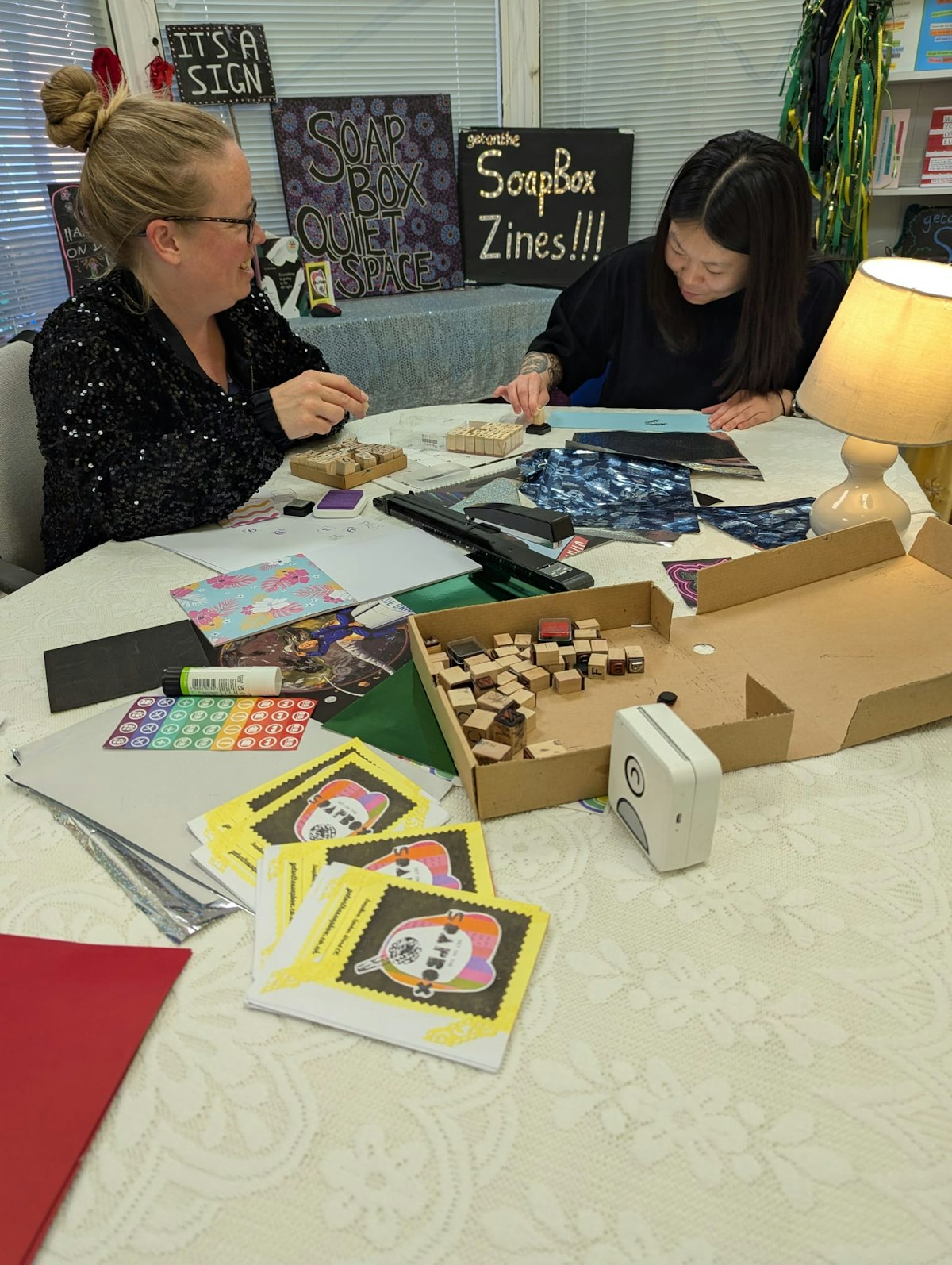
The two-hour workshops provide a great introduction to the art form, with a whistle-stop tour of the various techniques and approaches that can be used in its creation.
What is a zine anyway?
A zine is a handmade, DIY, non-profit pamphlet. Pronounced ‘zeen,’ the word is an abbreviation of magazine but is more closely linked to ‘fanzine’ in content. Usually made by one person and distributed on a small scale, zines are unfunded, non-commercial, and often intensely personal. They tend to focus on alternative culture, politics, art, music, and hyperlocal scenes or communities.
Perhaps made most famous by punks in the 1970s, zines have been a counter-culture activity for almost 100 years. They were first pioneered by science-fiction fans in the 1930s, who wanted to share their passionate engagement in a niche topic with other like-minded people.
Zines are intrinsically linked to nerd and geek culture. They champion communities forged over shared interests despite the geographical distance between members. Zines were made at home and then posted out to subscribers, so they brought people together over long distances.
Rising popularity of zines
Nowadays, with the advent of digital and social media, you may think that something as old-fashioned as print and paper may have had its moment. Much like the rise of vinyl record sales, people respond to the digital saturation of their daily lives by reverting to tangible objects, something you can hold and cherish.
Zines have also taught artists to be less precious and to really enjoy the act of making itself. They are usually made quickly, on a budget, and with limited resources, so they really challenge people to think creatively about how to communicate a message. Due to the limited timeframe that people have to make them, they also help makers embrace their mistakes, so they are often scrappy publications that contain a whole heap of personality.
How zines have changed Ipswich
One of the facilitators, Suzanne Chung, told me, "Zines were how I came to be involved with local creatives. It is how I became a Director of a local arts organisation." By distributing her zine across Ipswich, Suzanne met loads of people along the way and ultimately became a leader in the grassroots creative community.
Zines are particularly well-suited to amplify marginalised voices because the creator has full control over the whole process. There are no gatekeepers, editors, or funders to please. Zine makers are one-person armies, writing all the content, making the visual design, and even printing and distributing the final product themselves.
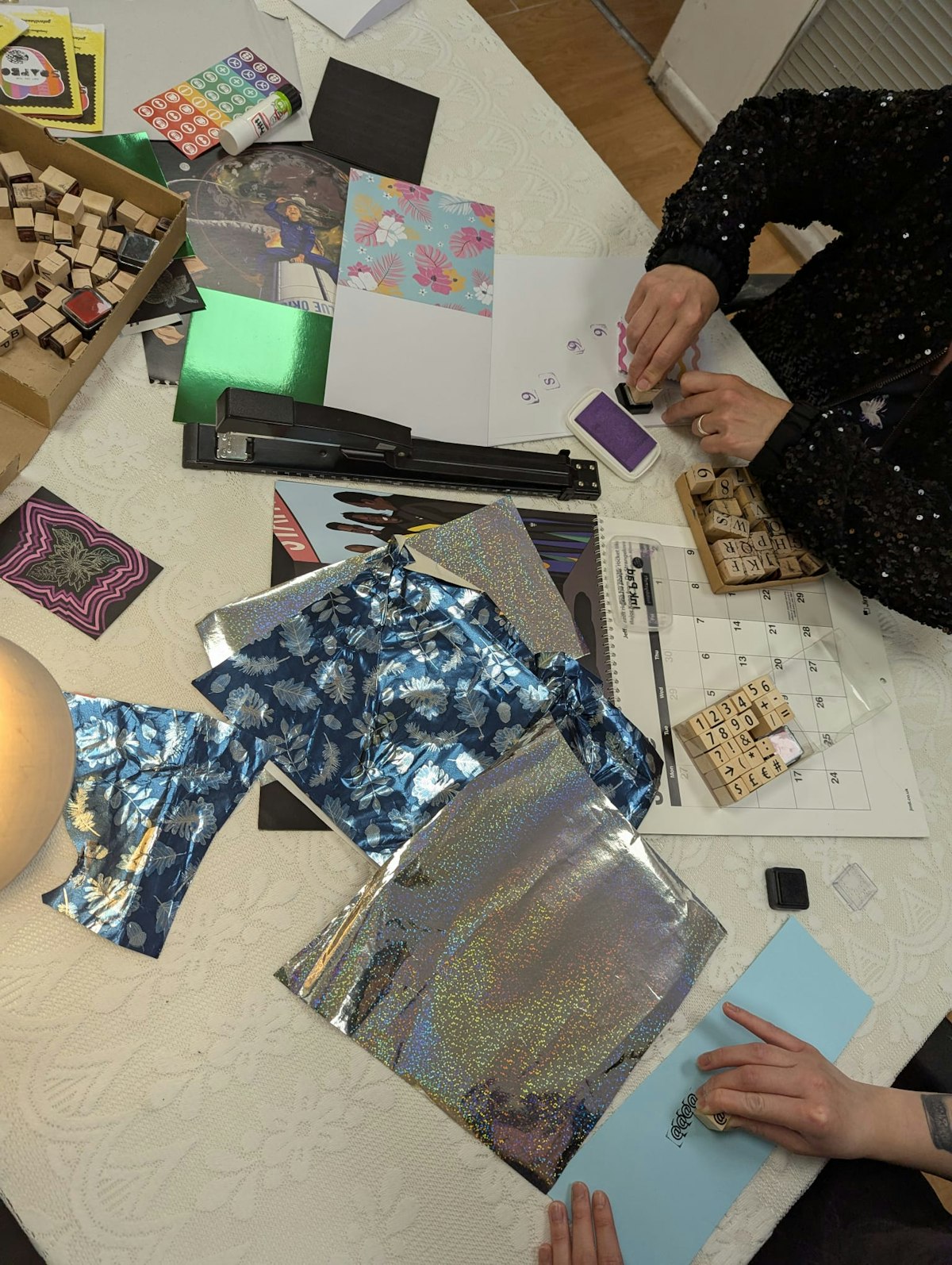
The first Ipswich Zine Club will take the ‘Blue Peter’ approach, providing colourful paper, cards, stickers, pens, pencils, and a whole box of letter stamps in a variety of colours. It will also include a thermal printer for quick sticker making and old newspapers and magazines for extra inspiration. The final zines will be scanned into a computer, with digital and printed versions provided to each workshop attendee.
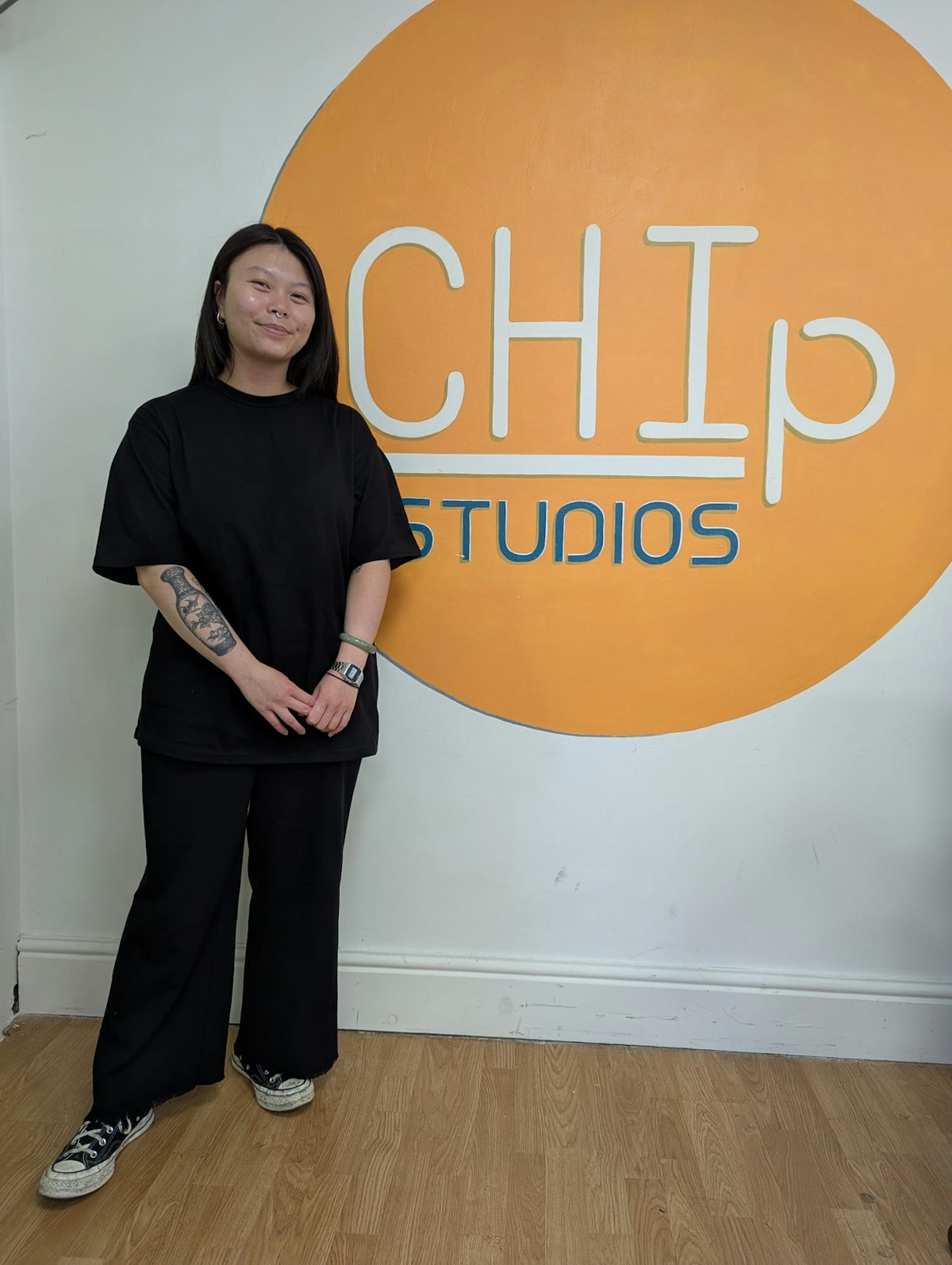
The Zine Club will run monthly from 16:00 to 18:00, starting on Thursday, 22 May. The workshops will be held at CHIp Studio on Turret Lane and are suitable for teenagers and adults. There is no need to book—just come along.