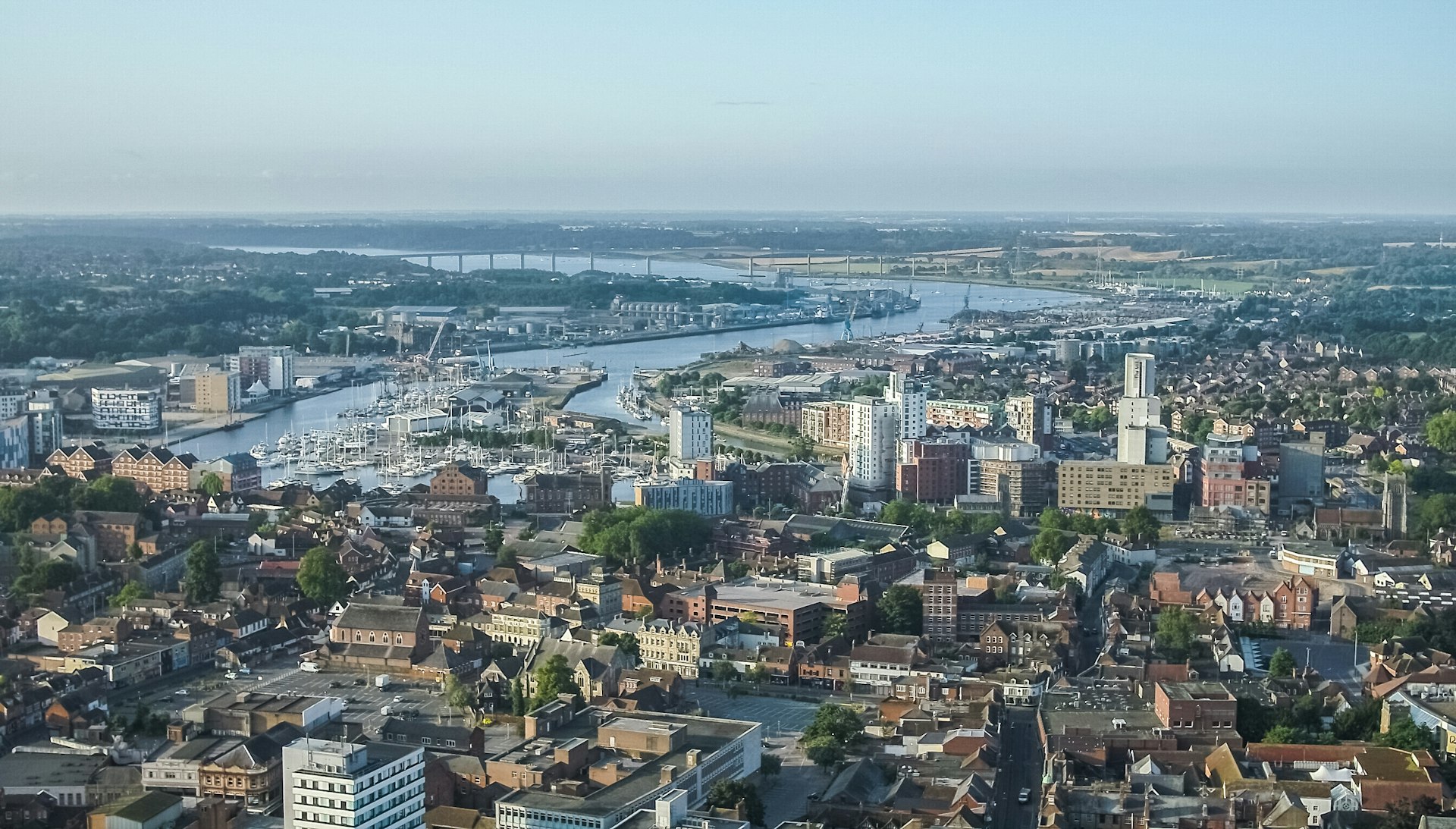
Why it matters: With final business cases due to be submitted to the Government by 26 September, Suffolk's MPs have weighed in on proposals to replace the county's six councils with either one or three unitary authorities in a reform that will affect how essential services are delivered to residents.
The big picture: The comments come as Suffolk's district councils have formally challenged the county council's preferred single authority model with their own three-unitary proposal, setting up a battle between competing visions ahead of the September deadline.
What they're saying: Mr Abbott, MP for Ipswich, welcomed calls for three unitaries as a way of turning the proposed Ipswich and South East Suffolk unitary authority, which includes Ipswich, Martlesham, Felixstowe and Hadleigh, into a "nationally leading economic powerhouse".
"The goal of devolution must not be to tinker around the edges of our current system and stick with a status quo which isn't working for anyone," he said, "but to seize an opportunity for change with both hands."
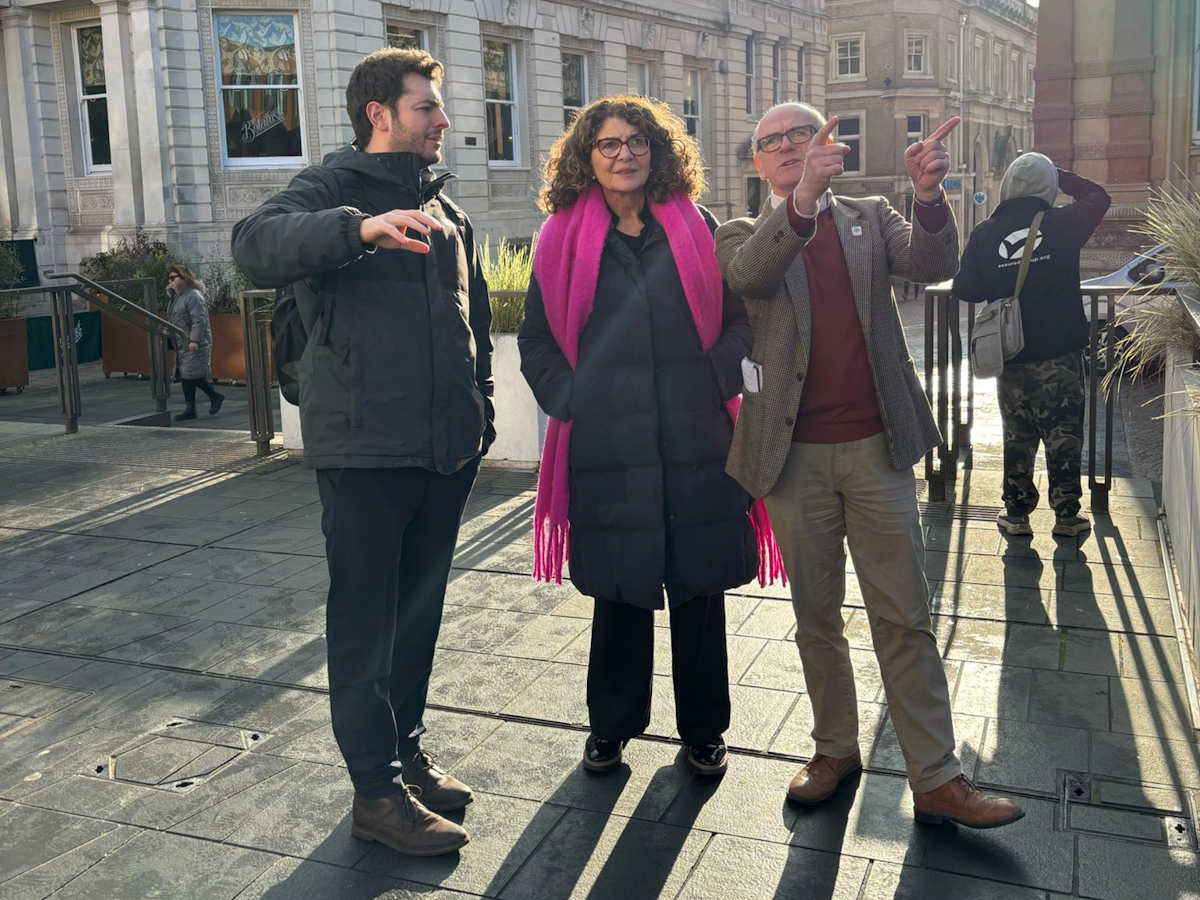
The MP said residents had shared similar views in support of the three-unitary model and argued the unitaries to the east and west of the county would benefit just as much from a stronger Greater Ipswich.
Jenny Riddell-Carpenter, MP for Suffolk Coastal, and also a supporter of a three-unitary structure, added that reorganisation was an opportunity to strengthen local government in Suffolk and that the three unitary authority model would keep decisions local and recognise the different needs across the county.
Jess Asato, MP for Lowestoft, said it was important any model gave Suffolk the powers and resources it needs to prosper, as well as protected local heritage and local decision-making.
She welcomed the idea of three unitaries replacing the current "broken two-tier system" anchored in Lowestoft, Ipswich and Bury St Edmunds.
"This model would mean more democratic accountability, stronger local representation, and councils that are financially viable and fit for the future," Ms Asato said. "With Suffolk's population set to rise to a million by 2045, we need councils that can grow with us and deliver the real change that people need."
The other side: In South Suffolk, James Cartlidge MP said whatever shape local government takes, it was essential to minimise the impacts on council tax, particularly for residents living outside Ipswich.
When boundaries change, Council Tax has to go through a "harmonisation" period over a number of years to bring it level for every resident. Mr Cartlidge said he believed a single unitary could create enough savings to minimise pressures on council tax and stressed the need for any of these savings to stay within the county.
"Whatever direction we take, the one thing we need to know for certain is that any money we save is spent in Suffolk – an outcome that is far from assured," he said.
"I cannot emphasise it enough – what will make or break this is the extent to which savings are created, and, most importantly, whether those savings stay in Suffolk."
Similar concerns were raised by Nick Timothy, MP for West Suffolk, who called for Council Tax to be set at the lowest rate possible and money to be reinvested. He said his priority was keeping power as close as possible to local people, rather than having decisions enforced from above by officials who do not understand life in places like West Suffolk.
"There are undoubtedly some upsides of reform, but unless we get convincing answers, I will oppose these changes to Suffolk's local government," he said.
He further called for money to be split fairly across the county, for town and parish councils to be protected and given extra powers, and for policing to stay local.
Independent MP Patrick Spencer, representing North Ipswich and Central Suffolk, was approached for comment but did not respond.
What's next: Under Government plans, Suffolk's six county, district and borough councils will cease to exist by May 2028 and be replaced by unitary authorities with more powers. The question is how many of these will replace them, with two proposals currently on the table.
The bottom line: As Suffolk faces its biggest shake-up in local democracy for decades, MPs are adding their voices to a debate that will ultimately be decided by Government ministers after public consultation.