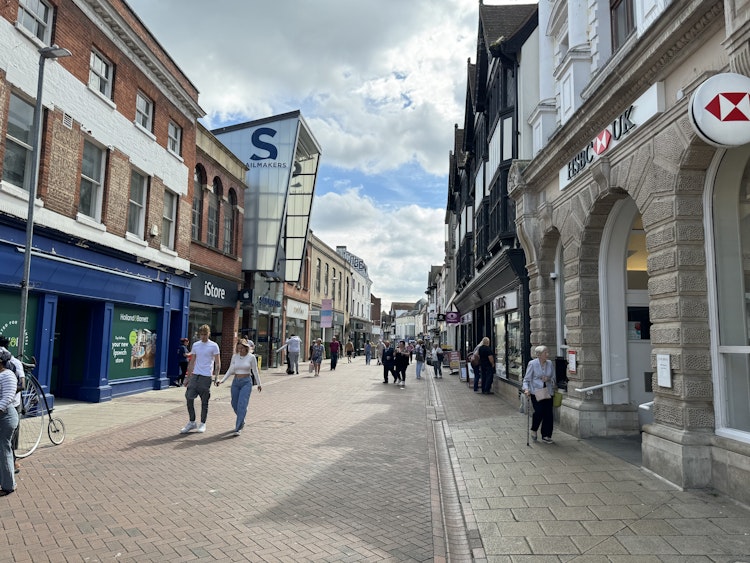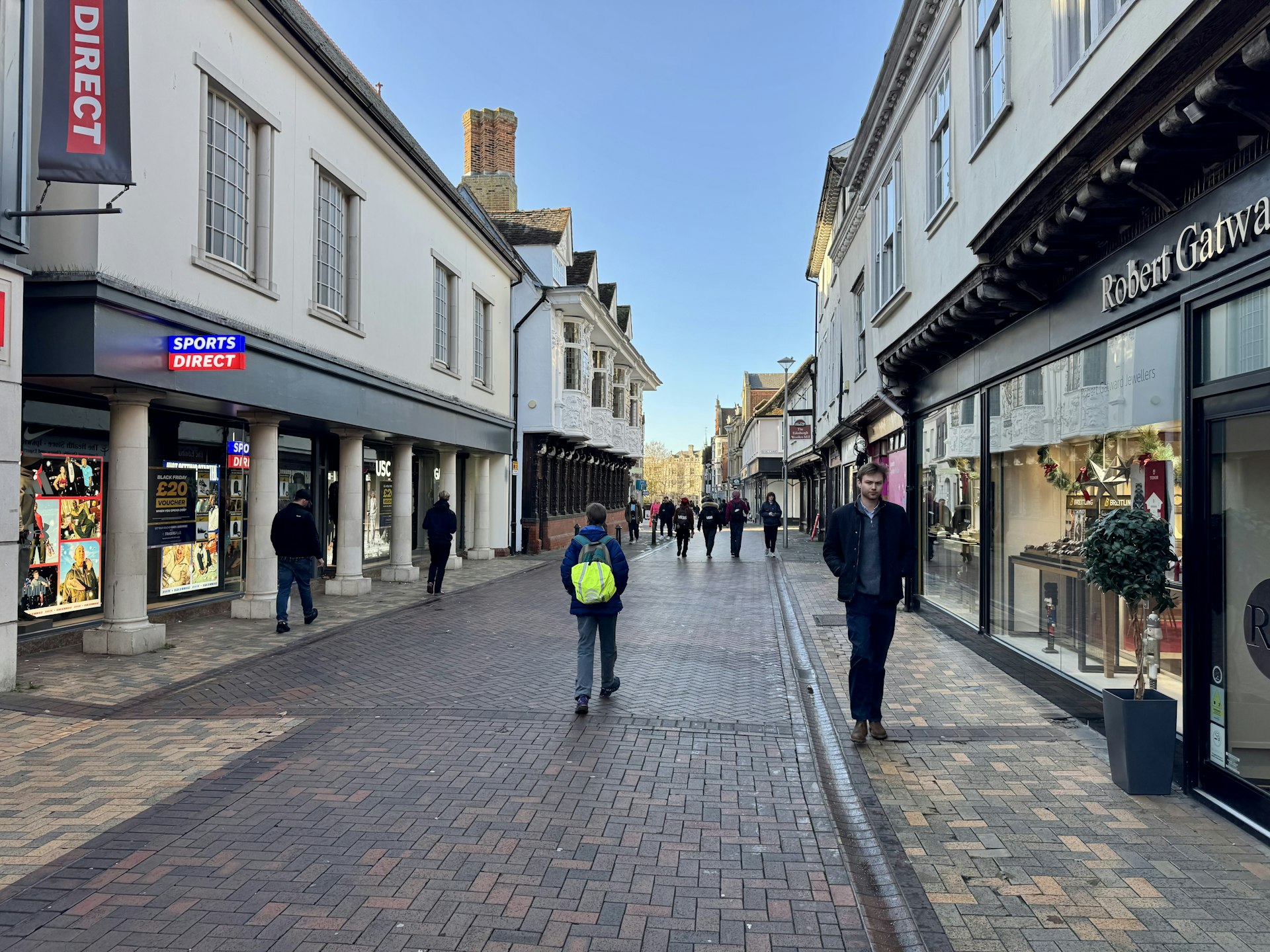
Why it matters: Ipswich's jobseeker rate dropped to 4.2 per cent in November from 4.3 per cent in October, matching the national decline of 0.1 percentage points. But the town continues to run 0.3 percentage points above the national average of 3.9 per cent, a gap that has persisted throughout 2025 and leaves Ipswich entering the new year with a slightly weaker jobs market than most comparable towns.
The details: A total of 3,665 people claimed jobseeker benefits in Ipswich during November, down from 3,840 in October.
Men account for the majority of claims, with 2,080 male claimants (4.7 per cent) compared to 1,585 women (3.6 per cent).
By the numbers: Ipswich now matches Norwich at 4.2 per cent. Ipswich fell from 4.3 per cent whilst Norwich rose from 4.1 per cent. Both remain well above Colchester's 3.1 per cent.
Ipswich has the highest claimant rate in Suffolk at 4.2 per cent – more than double Mid Suffolk's 1.9 per cent and well above the county average of 2.8 per cent.
The big picture: The claimant count is distinct from the broader unemployment rate, which hit 5.1 per cent for the three months to October, the highest level since January 2021. The unemployment rate measures everyone actively seeking work through the Labour Force Survey, whilst the claimant count tracks only those claiming unemployment benefits. Local authority data, including Ipswich's figures, use the claimant count measure as unemployment rate data is not available at town level.
Liz McKeown, ONS director of economic statistics, said: "The overall picture continues to be of a weakening labour market. The number of employees on payroll has fallen again, reflecting subdued hiring activity, while firms told us there were fewer jobs in the latest period."
The figures will intensify debate among Bank of England policymakers ahead of Thursday's interest rate decision, with rate-setters split over whether declining employment and wage growth justify cutting the base rate from 4.0 per cent to 3.75 per cent.
Suffolk firms put big decisions on ice as Budget divides confidence
Five days after Rachel Reeves delivered her £26 billion tax-raising Budget, Suffolk businesses remain divided on whether the Chancellor has provided the certainty they need – with most major investment decisions deferred until 2026 as firms weigh painful clarity against missing reforms.
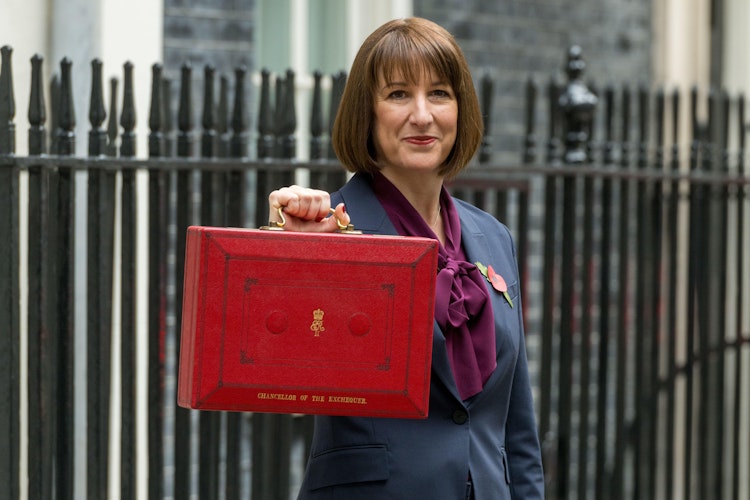
For context: The weakening labour market comes as Suffolk businesses told Ipswich.co.uk last month that most major investment decisions have been deferred until 2026 following Rachel Reeves's Budget, which included significant changes to tax, pensions and welfare in what analysts described as a £26 billion tax-raising package.
What's next: December's claimant count data, due for release in mid-January 2026, will provide the first indication of how the Budget has affected local employment as businesses respond to the announced measures.
The bottom line: Ipswich's rate improved in November but the town enters 2026 still exceeding the national average and most comparable towns – a persistent gap that has held throughout 2025.
Why Suffolk must keep faith in its own economy
The national verdict on Rachel Reeves' Budget has been damning. Analysts have warned of contracting investment, stealth taxes and a squeeze on living standards since the Chancellor's fiscal statement. But those forecasts mean nothing if Suffolk businesses talk themselves into paralysis.