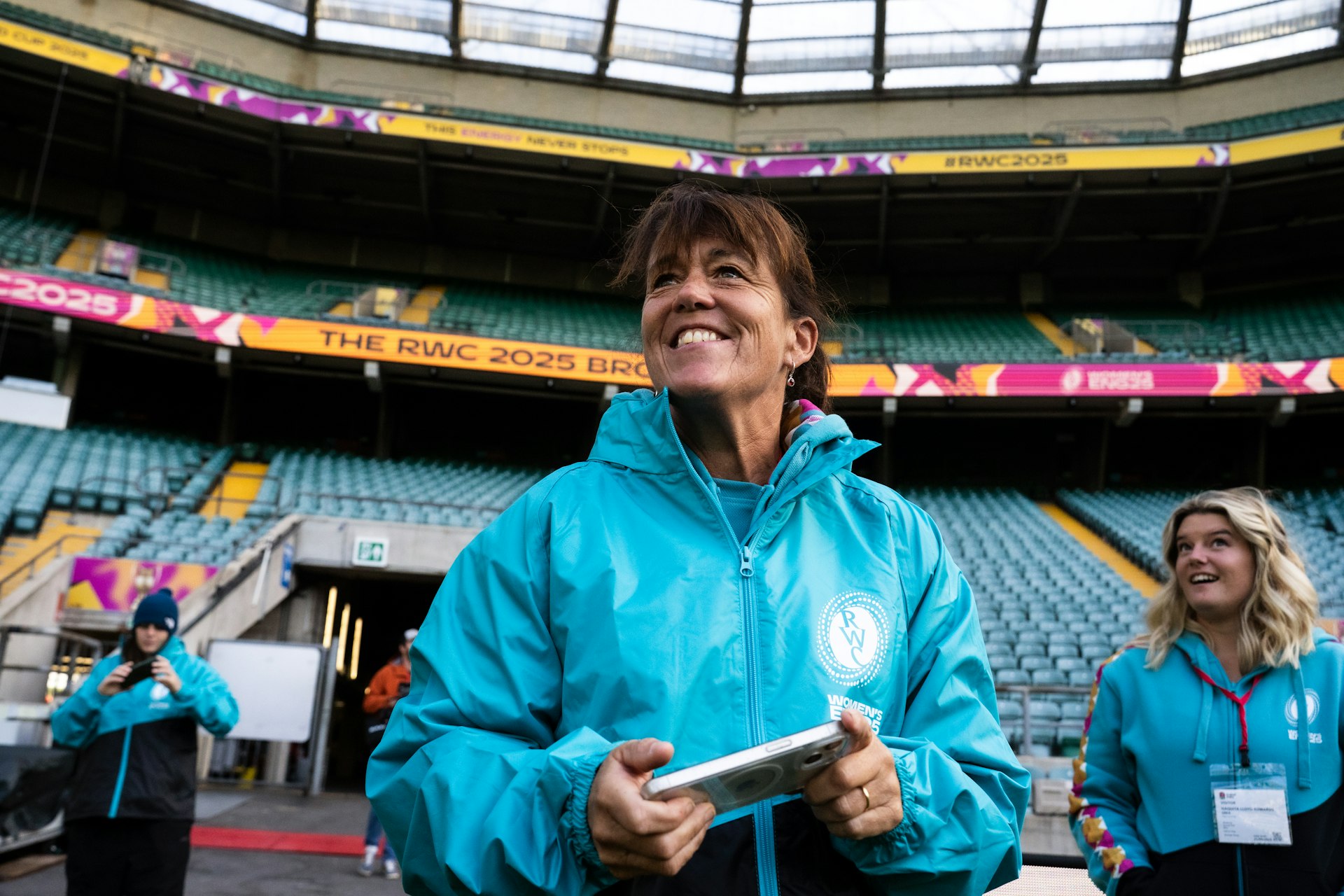
Why it matters: Parker will make history at Allianz Stadium on Saturday, 27 September, as part of the first-ever all-female grounds team to prepare the pitch for a Women's Rugby World Cup Final – a landmark moment in a sector where less than 10% of professionals are women.
The details: The part-time Ipswich Town groundsperson, who also works at Essex County Cricket Club, is one of just 15 women selected by the Grounds Management Association (GMA) to take over pitch duties at the home of England rugby. The initiative, called "15 behind the 15", brings together pitch professionals from across sport and education to spotlight female talent in grounds management.
What she's saying: "I'm really proud to be part of history," Parker said. "I'm looking forward to creating the perfect pitch for the final and hopefully inspiring more women and girls in Ipswich and beyond to get involved. If you can see it, you can be it. Grounds management is for everyone, it's a rewarding career that offers unique opportunities – like working at world-class sporting venues such as Allianz Stadium."
The bigger picture: The tournament has already shattered attendance records, selling three times more tickets than the last World Cup in New Zealand, with the final poised to become the most attended women's rugby match in history. Women's grassroots rugby participation in England has grown from around 25,000 in 2017 to over 60,000 by 2025, according to Sport England data.
But this growth is putting pressure on an ageing workforce. Almost half of groundspeople are aged 45-64, with around 1,500 retiring annually. The GMA is on a mission to boost female representation to ensure the growth of women's sport can continue.
What they're saying: Jen Carter, who handles communications and marketing at the GMA and played a key role in organising the event, said: "The growth of women's sport is incredible, and the contribution of grounds teams can't be overlooked. From grassroots to the World Cup, their hard work and dedication make sport possible. But we need more women and girls like Zibby to consider a career in grounds management. Without it, the growth of women's sport could be held back."
She added: "Our aim is that in the future, women in grounds teams isn't news – it's the norm."
The bottom line: Parker's historic role at Twickenham represents more than sporting achievement – it's about opening doors for the next generation of women in grounds management and ensuring the infrastructure exists to support the continued growth of women's sport.