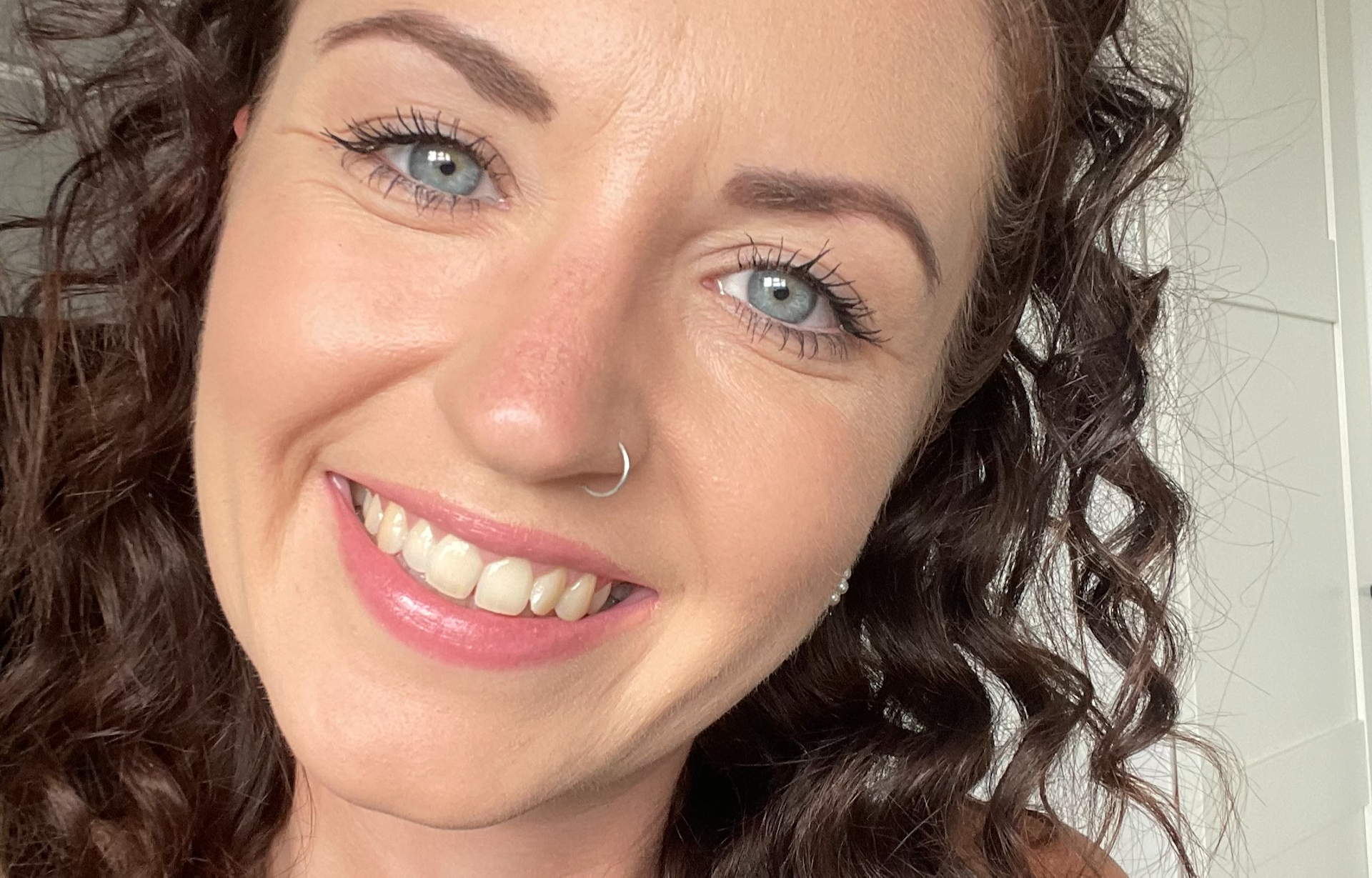
In one week last November, Faye Ramsey made 76 phone calls. Each time, she left another voicemail, begging to speak to her consultant. Each time, no one called back.
The 31-year-old teaching assistant from Ipswich was off work sick, too poorly to stand. She had been unconscious for over 15 minutes just days before, the pain so severe her partner thought she was dying. Her two children had watched their mother collapse and were terrified she wouldn't wake up. "I was absolutely exhausted, I was in excruciating pain, my children were horrendously worried that if I passed out again, I wouldn't wake up," Faye recalls. "I felt like I was having to be babysat as my partner still had to go to work, so he was organising family members to come and sit with me so I was safe."
This wasn't the beginning of Faye's ordeal. It was year 10 and a half.
A decade of being dismissed
For more than 10 years, Faye had been told her pain was "just IBS" or "in her head". She threw up from the agony. She passed out. Still, doctors dismissed her. It took intervention from Ipswich MP Jack Abbott for Faye to finally get surgery in March 2025.
She was diagnosed with endometriosis and told it had all been removed. But something was wrong. The pain continued. She kept passing out. When Faye chased up her consultant, she discovered that endometriosis on her bladder had been missed.
A further diagnosis of adenomyosis was also made – but this time, she found out through a letter, not a conversation. "I have had letters stating no endometriosis was found sent to my doctor, to then receive apology letters once I addressed this, which then also contained information of an adenomyosis diagnosis and potential endometriosis on my bladder, which was never shared with me on the phone or in person so I was unaware of this," Faye wrote in her formal complaint to East Suffolk and North Essex NHS Foundation Trust in November.
She was put on Ryeqo medication, a treatment that induces a medical menopause. It has now stopped working. Her symptoms are "coming back with a vengeance".
The referral that never came
On 4 July 2025, Faye attended an appointment with her consultant, Dr Wilson Ofunne. She brought her partner along because, as she later wrote in her complaint, "I felt like I could not see or talk to Dr Ofunne without my partner being present, because I felt like I was constantly being medically gaslit."
At that appointment, Dr Ofunne promised to refer Faye to the specialist endometriosis centre at Colchester Hospital. When her partner asked when this would be done, the consultant showed him the computer screen. "Look, I'm doing it now, the referral will be sent over today," he said. It wasn't. Weeks passed. Faye's symptoms worsened. She made phone calls. She sent emails. She left voicemails. Nothing happened.
It wasn't until Faye contacted the Colchester specialist's secretary directly that she discovered the truth: the referral had never been sent in July. It had been dictated on 27 August but not typed until 11 October – more than three months after it was promised. The hospital blamed "an administrative backlog". By the time her 12-month wait for the specialist begins, it will have started from 10 October, not 4 July. That's three more months of pain that could have been avoided.
When even paramedics tell you not to bother
On 15 November, Faye collapsed unconscious. The pain was so severe she described it as feeling like her "left ovary had completely burst open". Her partner called 999. The paramedics who arrived were compassionate and knowledgeable. One of them had endometriosis herself. But their advice was devastating: it wasn't worth taking Faye to the hospital.
"When my partner asked why they wouldn't take me to the hospital, they stated that because I had already been diagnosed, doctors would just dismiss me when I arrive as they aren't specialists in that field, and it's best to have bed rest and to contact my doctor on Monday for pain relief," Faye says.
The paramedics suggested pain medication her consultant had never mentioned. They advised her to go private if she could afford it, because "that's the only way you seem to get seen to quickly". "It was shocking to hear people who are out on the front line, hearing their stories of how much they love their job but how incredibly stretched the NHS is, especially women's health," Faye reflects. "Whilst when they left, I was so incredibly grateful for the two paramedics who arrived and their knowledge and empathy, I couldn't help but feel extremely sad knowing not only am I in this position but thousands of other people up and down the country."
Seventy-six phone calls in one week
After the paramedics left, Faye did exactly what they suggested: she tried to contact her consultant. The week of 17 November, she made 76 phone calls to Dr Ofunne's secretary. She left voicemail after voicemail. She was, in her own words, "begging to speak to my consultant and trying to be heard". "I didn't know where to turn, what to do," she says of that week. "I'd tried speaking to my GP, but they wouldn't help and kept stating to speak to my consultant. I felt like no one cared, no one understood and that I've been diagnosed with a disease that isn't researched enough and was wondering what my life would look like in future."
She finally received a phone call from Dr Ofunne on 20 November. It didn't go well. When Faye asked why the referral hadn't been sent when promised, the consultant "originally tried blaming this on his secretary, then he blamed this on 'the system'". When she told him how uncared for she felt, "he didn't sound interested at all. He would not accept any accountability." Faye sent a formal complaint to the hospital that week, copying in Ipswich MP Jack Abbott.

The hospital's response
On 21 January 2026, East Suffolk and North Essex NHS Foundation Trust sent its response to Faye's complaint. The three-page letter, signed by Deputy Chief Medical Officer Dr Martin Mansfield, acknowledged virtually every failure Faye had described.
The delayed follow-up appointment. The incorrect letters. The referral that wasn't sent when promised. The administrative backlog that delayed her care for months. Katie King, interim General Manager for Women's Services, apologised for the delays. The department had seen a 60 per cent increase in referrals within the last year, she explained. They were working on increasing capacity.
Dr Ofunne, through the letter, expressed that he had "reflected carefully" on Faye's experience and was "genuinely sorry for the stress, delays, and uncertainty" she had faced. But for Faye, the response felt hollow. "It felt like all of the blame for errors was passed over to system failures, backlogs and staffing issues, which, of course, no one can take accountability for," she says. "It just seems very much the easy way out. It is all we are ever hearing when the NHS has messed up, however, [it is] never being addressed fully." Even the apologies felt scripted. "It always just feels like an automatic response and script they read from when someone actually speaks up and tells them this is not okay," she adds.
When approached for comment by Ipswich.co.uk, ESNEFT Chief Nurse Catherine Morgan said: "We appreciate how difficult it can be for people who are waiting, particularly if they are in pain and discomfort, for their treatment. Our teams are doing all they can to provide timely care for everyone on our waiting lists. "We are grateful to Ms Ramsey for bringing her concerns to our attention. We investigated them on her behalf and apologised for the delays and her experience. We're continually reviewing how we can improve care and treatment for patients with endometriosis and pelvic pain going forward."
One voice becomes 40
While Faye was fighting her own battle with the hospital, she was also building something bigger. One sleepless night in November, struggling with pain, she decided to reach out on social media. "I thought maybe I need to speak to more people who have the disease I do, to fully be heard," she explains.
She put out a call on TikTok and Instagram, asking women to share their endometriosis stories. The response was overwhelming. "After the first 15, I just kept receiving more and more," Faye recalls. Forty women eventually came forward, trusting her with some of their most painful and personal experiences. Many were complete strangers. "It was heartbreaking to read the stories," she says. "Most of the women who had messaged me had stated it's something they wanted to do but didn't know how to go about it."
Among those 40 women are eight from Suffolk, each with stories that echo Faye's own.
Jade, 21, from Ipswich, was diagnosed with PCOS at 17 and endometriosis at 20. She has been told to "try and have a baby as soon as she can" because her fertility is already compromised. "No further treatment or help can be given due to her age," Faye notes.
Becky, 24, from Ipswich, was told she was "too young to have anything wrong" and advised to "try the pill, coil or even get pregnant". Her first laparoscopy in 2023 found nothing. She paid privately in 2025 and was finally diagnosed with endometriosis and adenomyosis. She is "already fearing her future".
Abby, 33, from Suffolk, has had three surgeries and made multiple complaints through PALS after inappropriate comments were made before her second operation. She was "referred over to different hospitals due to the failings and negligence of Ipswich hospital" and now walks with a stick.
Hayley, 36, from Ipswich, has been on double contraception since her teens. She was diagnosed with PCOS at 19, endometriosis in 2019, and is now back on the waiting list to see an endometriosis specialist.
Jodie, 30, from Suffolk, started experiencing symptoms at eight years old. She is now struggling with fertility issues and "trying to get through each day alone with no support".
Siana, 26, from Suffolk, waited 10 years for her diagnosis. Her only treatment option is medical menopause, but this means she will be denied NHS help for IVF in the future, and will have to pay privately.
C.D., 32, from Suffolk, was diagnosed with PCOS in 2017. She was referred to gynaecology in April 2025, but will not be seen until the end of 2026.
The patterns that emerged
As Faye read through the 40 stories, the same themes appeared again and again. "Medical gaslighting – being told it was either in our head, IBS or 'just a bad period'. Lack of care, not feeling seen or heard, not being taken seriously when it comes to pain," she lists. "Lack of resources, research and awareness surrounding women's health. Feeling like your life isn't yours anymore. Giving up hopes and dreams, careers and in some cases the hopes of having a family one day." What struck her most was how willing these women were to share intimate details with a complete stranger. "They just wanted to be heard," she says. "That saddens me beyond words," she concluded.
According to data from the Office for National Statistics, endometriosis affects approximately two per cent of women of reproductive age in England, with an average diagnosis age of 35 years. The average wait time for diagnosis is eight years. But Faye believes the real prevalence is higher. "This is likely an underestimate of the true prevalence, as many women will not have a diagnosis," the ONS notes in its December 2024 report.
Suffolk has no endometriosis specialists, leaving women reliant on general gynaecologists or forced to travel to Colchester or Addenbrookes for specialist care.
ESNEFT explains that complex endometriosis cases are referred to Colchester Hospital as a specialist, tertiary centre – one of the only providers in the region to provide this service. The Trust states that current waiting times average 44 weeks for general gynaecology appointments and 49 weeks for specialist endometriosis referrals, though these are estimates and individual cases may differ based on clinical prioritisation and complexity.
Taking it to those in power
On 1 January 2026, Faye sent all 40 women's stories to Ipswich MP Jack Abbott. She had first reached out to him back in November, copying him into her hospital complaint, and he had helped secure her initial surgery in March. "I am hoping Mr Abbott will provide me with guidance, or help make noise with me about this issue," she says. "With his help, I do believe working together we could really make an impact surrounding this issue."
She sees particular significance in having a male MP advocate for women's health. "I feel more males need to recognise the impact they could make by also speaking up when it comes to women's health. After all, they all entered this world from a woman."
Ipswich.co.uk spoke to Abbott, who stressed that he was aware of Faye's case and was doing all he could to secure a debate in Westminster on the issue.
Faye has also reached out to various newspapers and radio stations, though she is still awaiting responses. Her social media presence has grown to more than 2,000 followers on TikTok and over 400 on Instagram, where she posts under the handle @faye-inmyendoera.
Women continue to message her, asking if it is too late to share their stories. "I have, of course, stated the more stories the better," she says. She has also raised £425 for Endometriosis UK through a 10K walk – more than four times her original £100 target.
What needs to change
ESNEFT says it is taking steps to address the delays. The Trust has appointed a new "waiting well" nurse to improve patient experience and communication with patients while they are waiting for care and treatment.
A new clinical nurse specialist has also been brought in to support improving pathways for patients and to triage referrals into general gynaecology. "Measures are in place to improve patient experience and communication so we can make sure we see patients in the right place, at the right time," Morgan said. "We are also running extra clinics and theatres most weekends to bring down our waiting times." The Trust acknowledges that "waiting times are not where we want them to be" and says teams continue to review and prioritise patients based on clinical need.
But is it enough?
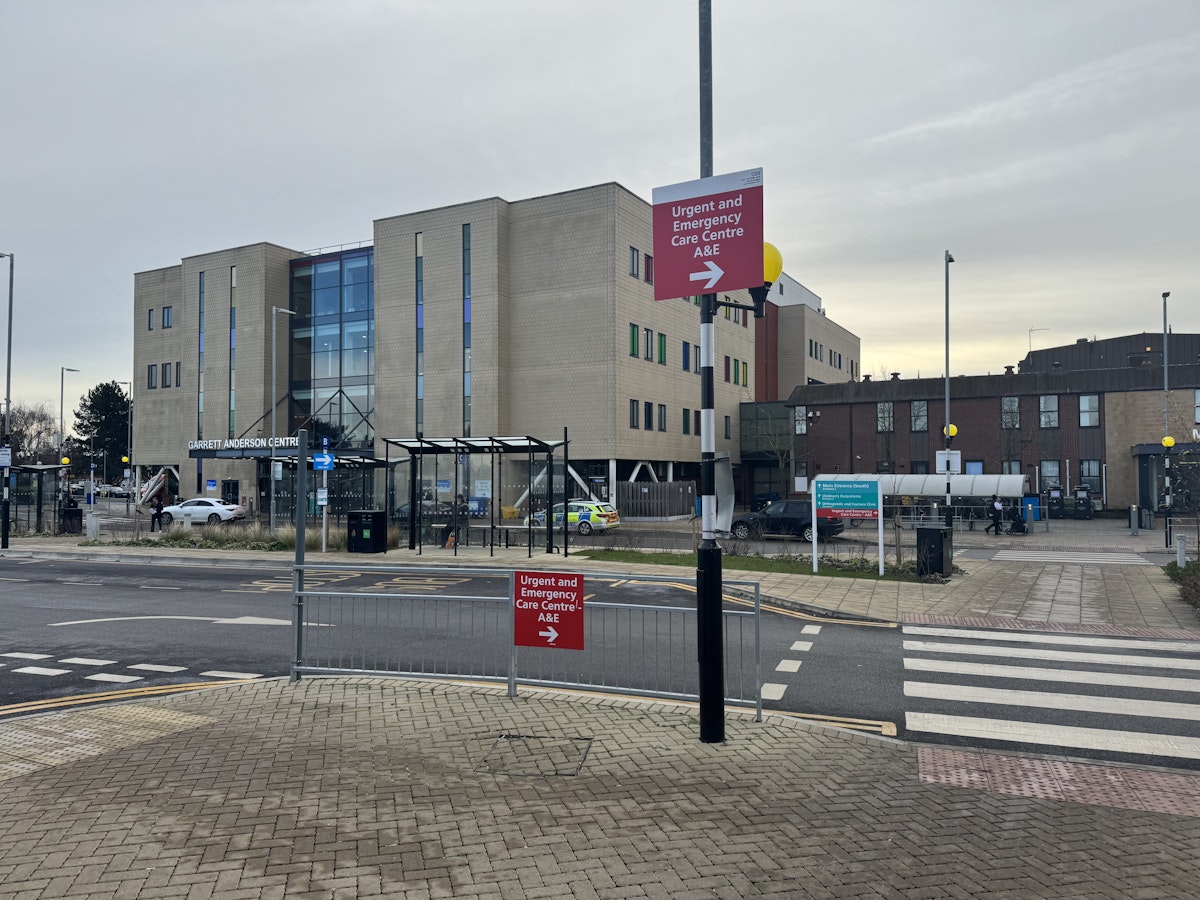
When asked what practical changes need to happen, Faye's list is extensive but specific. "The funding specifically to women's health" needs to increase, she argues. "The government needs to take a look at how debilitating conditions such as PCOS, PMDD, endometriosis, and adenomyosis are." She wants to see campaigning for potentially three days paid leave for endometriosis sufferers. More research into what causes the disease and what treatments work best. More specialists in the field. Dramatically reduced waiting times. "It takes on average eight and a half years for someone to be diagnosed with endometriosis. That is just not good enough," she says.
She also believes education needs to start younger. "I would like women's health to be explained to high school children, not just the females, but the males, too. It never is just a 'bad period'." If young girls learn that "horrendous pain during your period is normal, leaking through your sanitary products is normal, pain during intercourse or after intercourse is normal", they will not advocate for themselves until it is too late. "Maybe we won't have women being diagnosed in their 30s living with a condition for 15-plus years," she suggests. "Again, I know this seems a lot," she acknowledges, "but within time, I am hopeful if people keep advocating for such things, we one day will be listened to."
Why she keeps fighting
Faye works full-time as a teaching assistant. She is raising two children. She is managing her own chronic pain and medical menopause at 31. And she is now advocating for 40 other women whose stories she has taken on as her responsibility.
What keeps her going? "My family," she says simply. Her children have had to learn, from an early age, how to call 999. They know what to do if Mummy passes out and doesn't wake up. They know how to call family members in an emergency. Her partner has watched the mother of his children "become unbelievably poorly" and has "had to adapt quickly in uncertain times". "I am raising a son who one day may end up with a female who has a women's health condition," Faye explains. "I want him to know how to support his partner and what empathy looks like surrounding this. He also may potentially see his little sister go through what I have. I would like to know he will always speak up for women, especially when they don't feel strong enough to."
Speaking about her daughter, Faye says, "When she eventually starts puberty and if she has endometriosis or adenomyosis or any other women's related health issue, I would like her to know that her mum was never quiet about what needs to change."
Even if things have not improved by then, "I would like to think she also has the strength to advocate for herself and others just the same way her mum did". "Both of my children are powerhouses in their own right, my little girl more so," she adds. "I know my daughter will follow in my footsteps for speaking on issues and not being silenced." Her mission is clear: "Not only for myself, not only for the 40 women who are relying on me, but for the generation of females in years to come, so they hopefully don't have to experience what we all have."
The bottom line
One woman's decade of pain has become a movement of 40 voices demanding to be heard. Faye's story – and the stories of Jade, Becky, Abby, Hayley, Jodie, Siana, C.D., and 33 others – reveal a healthcare system that repeatedly fails women with endometriosis.
When hospital complaints are met with explanations about "administrative backlogs" and "staffing issues", and when paramedics themselves advise patients not to bother going to A&E, something is fundamentally broken. Until the NHS addresses not just the symptoms, but the systemic failures in women's healthcare, mothers like Faye will continue teaching their children how to call 999, and daughters will continue learning that their pain doesn't matter.
But Faye isn't waiting for the system to fix itself. She's building the noise that will force it to listen. The question remains, will it?