
Can Ipswich cash in on the AI gold rush?
Ipswich has always had a knack for being quietly ahead of its time. In 1902, using the spirit of those relentlessly inventive and industrious Victorians, Ransomes, Sims and Jefferies built the world's first commercially available petrol-powered lawnmower. Cutting-hedge technology, you could say.


Earlier still, the town was among the first to bask in the glow of gas-powered street lighting, and this summer it became the first to install public 'AI binoculars' – a digital periscope allowing modern passers-by to peek into the 19th century.
It's through these lenses that we now examine Ipswich's place in Britain's latest obsession: artificial intelligence. Last week, thanks to a presidential visit and a banquet of billion-pound pledges, the UK was suddenly declared an "AI superpower" – a phrase that sounds impressive until you realise no one's quite sure what it means.
Naturally, the headlines focused on Northumberland's new AI Growth Zone and Microsoft's planned facility in Loughton, south Essex.
But two local experts believe Ipswich is already ahead in the AI race and better positioned to benefit from the boom than most people realise.
A patent advantage
"Suffolk develops more AI-related patents than anywhere else in the UK," claims Peter Brady, CEO of Orbital Global and co-founder of Innovation Labs Group. Maintaining such a position of out-inventing the nation would put the county ahead of many regions now attracting major government backing.
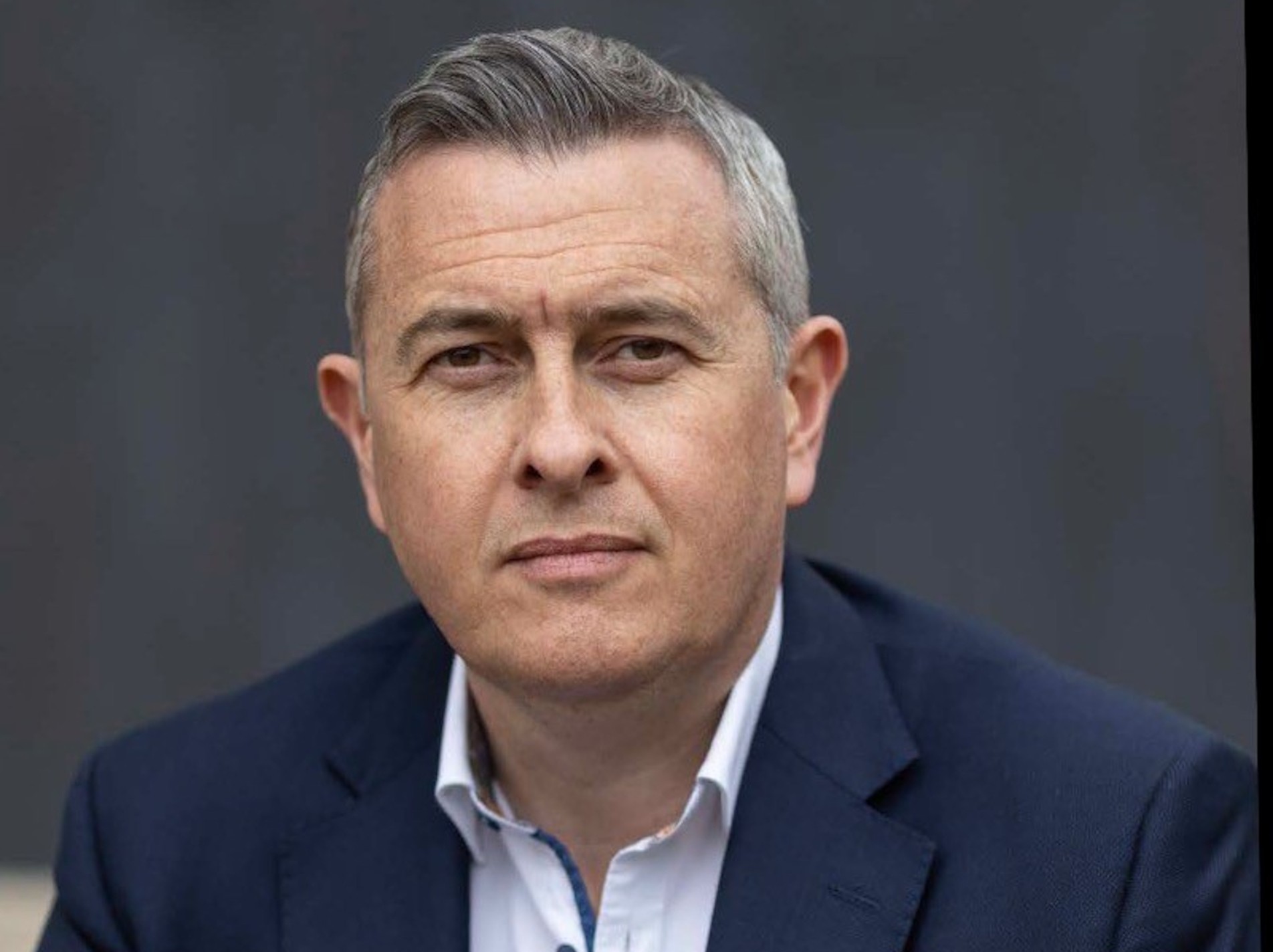
Brady, whose Stowmarket-based company has developed AI systems in healthcare and worked with NHS trusts on conversational AI projects, points to Suffolk's geography. "Ipswich sits in a natural corridor between Cambridge's innovation cluster and London's financial ecosystem," he says.
He sees this convergence as potentially transformative. "Investment and support will build on our existing lead in AI and potentially help develop its future interplay with quantum computing. This is likely to produce the most important converged technology of the 21st century, revolutionising industries such as healthcare, cyber security and many others."
It’s a bold vision. But as Professor Nicholas Caldwell, Director of the Digital Futures Institute at the University of Suffolk, reminds us, turning patents into prosperity requires more than proximity.
"With Adastral Park and Innovation Martlesham, we have a national asset in telecommunications and secure networking on the Ipswich doorstep," he says. "Suffolk has key energy infrastructure in the form of Sizewell C, offshore wind and solar farms."
The adoption challenge
While regional leaders talk up infrastructure advantages, the reality for most local businesses remains challenging. A government review found only 8% of British manufacturers had introduced AI or machine learning, citing high upfront costs, lack of workforce skills and regulatory uncertainty as the biggest barriers.
For Ipswich firms in logistics, insurance and agriculture, the question is whether national investment in data centres and supercomputers will translate into useful tools and affordable adoption.
Brady is optimistic: "Local businesses could benefit through more rapid access and adoption of cutting-edge AI. This will boost productivity, innovation and business start-up opportunities."
Professor Caldwell sees potential applications that match regional strengths. "There are exciting opportunities for AI systems in precision farming, smart energy grids and smarter logistics," he says. "Our strategic sectors could and should be opportunities for major investment."
One can imagine a future in which tractors communicate with satellites and shipping containers politely announce their arrival.
But Professor Caldwell warns against getting swept up in the current hype around generative AI.
"GenAI by its very nature is prone to hallucinations in its outputs and has reproducibility issues," he says. "If enterprise applications of GenAI fail to deliver because of these problems, then this is another way the AI bubble could burst."
He also warns about unsustainable vendor economics: "The tech vendors are hyping it for all it's worth because their company valuations depend on it. Something will have to give – the vendors are spending more than they earn, and that's economically unsustainable."
Skills and infrastructure gaps
The University of Suffolk is already preparing the workforce.
"We already offer an undergraduate degree and a Master's in Computer Science with a range of AI-related modules," Professor Caldwell explains.
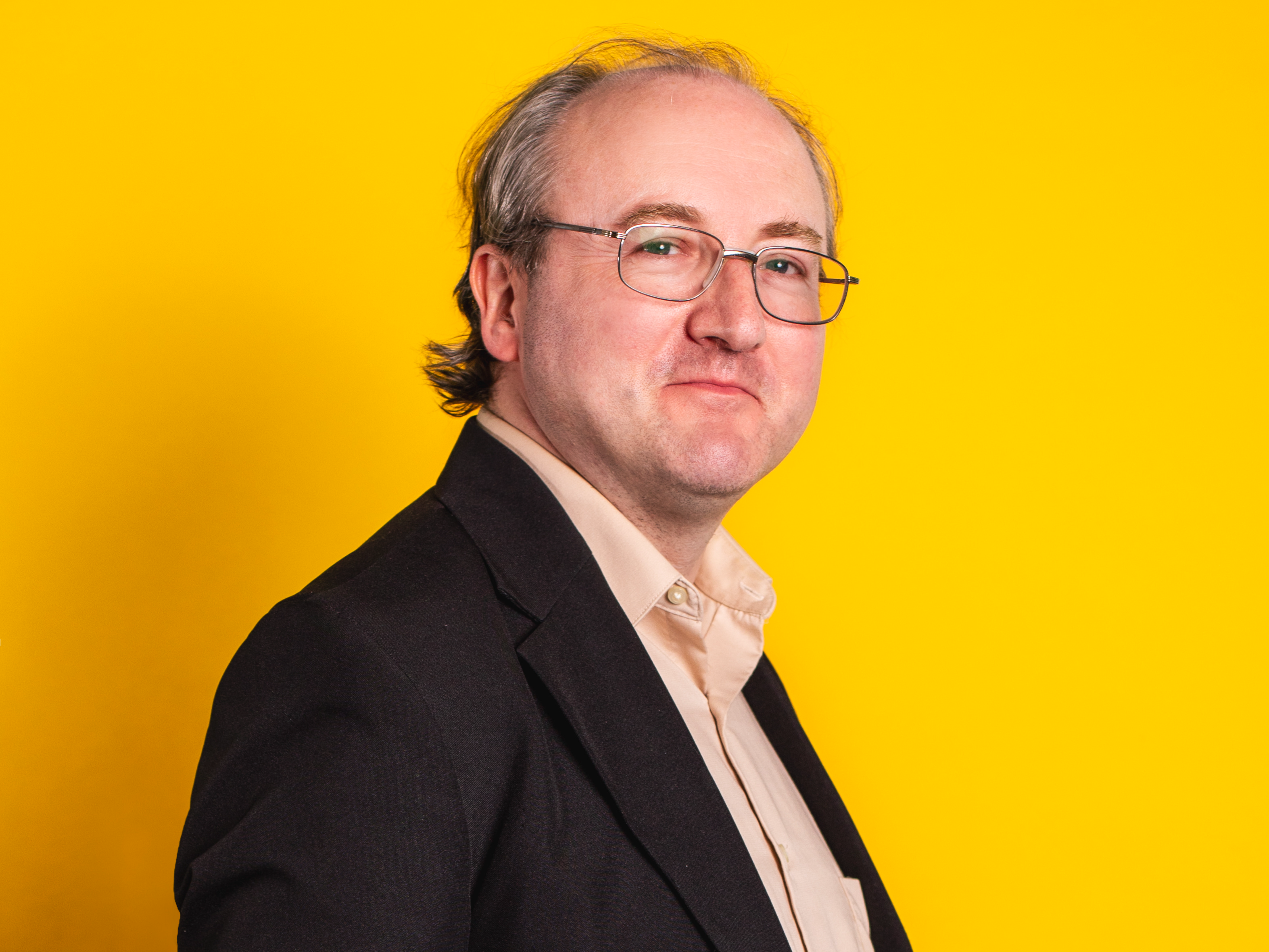
"We also have a successful Data Science and Artificial Intelligence MSc conversion degree that's designed to upskill existing workers who don't have a computing degree or background."
A Data Scientist degree apprenticeship is planned for the coming year, but success depends on employer demand and local businesses willing to invest in staff training.
Yet Suffolk lacks the scale of government-backed zones. While Northumberland’s AI zone promises 5,000 jobs with direct support, Ipswich must compete through existing assets rather than policy favouritism.
What success looks like
Matt Clifford, author of the UK's AI Action Plan, recently warned of "dangerous complacency": "We kid ourselves that, because we have some good tech firms, Britain is good at tech. The truth is we're probably the worst adopter of new technology in the developed world."
Yet Brady remains upbeat: "I believe Ipswich and the broader Suffolk region is already considered to be on a very positive tech trajectory. Investment and support will build on our existing lead in AI and potentially help develop its future interplay with quantum computing."
Professor Caldwell frames the opportunity in terms of problem-solving rather than hype: "For SMEs and larger companies in our region, I see opportunities to use AI effectively and responsibly to solve problems and grow their businesses."
Success would mean Ipswich logistics companies using AI to optimise shipping routes through Felixstowe, agricultural businesses adopting precision farming techniques and insurance firms – a traditional Suffolk strength – deploying AI for risk assessment and customer service.
But achieving this requires coordinated effort between universities, local government and businesses to ensure national infrastructure investment creates practical opportunities rather than widening technology gaps.
Professor Caldwell points to funding realities: "Some investment will be from the tech giants, some will be from UK government routes such as Innovate UK funding schemes. Our SMEs need to be ready to bid for cash to make their ideas real and go for growth."
The bottom line
Ipswich may not have been named in the furore and 'tech bro' deals last week.
But it is laying the bricks. With strategic infrastructure, a growing skills base and a business community that's quietly industrious in the best Victorian tradition, the town has a chance to shape its own digital destiny.
Whether it can cash in on the AI gold rush depends not just on national policy, but on local ambition, coordination and a healthy dose of stubborn optimism. Success in this nebulous realm requires preparation and hope. If history is any guide, Ipswich has plenty of both.
Are you a local tech start-up or business working with AI? We want to hear about your experiences – both the successes and the challenges. Email your story to matthew@ipswich.co.uk to help us understand how the AI revolution is really unfolding in Ipswich.
This article cost us ~£121 to produce
It's free for you to read thanks to the generous support of our partners.
Below the line