
AI traffic cameras move to A14 after 5,300 offences on A12
AI cameras that spot drivers using handheld mobile phones or not wearing seatbelts have been deployed on the A14, after a 28-day trial on the A12 detected more than 5,300 offences.

Why it matters: Unlawful phone use and not wearing a seatbelt are two of the “Fatal 4” main causes of serious or fatal collisions - and police say both have played a part in deaths and serious injuries on Suffolk’s roads.
By the numbers: The trial on the A12, which began in late July, identified 5,327 offences, which is an average of around 190 a day.
- Failing to wear a seatbelt was the biggest issue with 3,008 offences.
- Four offences involved a child travelling without a seatbelt restraint.
- A further 2,313 offences involved drivers distracted from the road, mainly through the use of mobile devices.
- Just over half of the offences have been dealt with so far, with 1,705 people completing awareness courses and 1,003 paying fixed penalties, in some cases also receiving points on their licence.
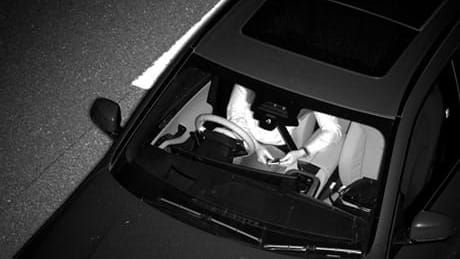
The details: The high-definition cameras use infrared flash to capture clear images through windscreens. They are typically positioned to look down into vehicles.
- AI analyses the images in real time to flag potential offences.
- Flagged images are reviewed by at least two trained assessors without access to personal data, before a dedicated police team decides whether to take enforcement action.
- The vast majority of images are deleted automatically in real time and never seen by a person. Those selected for review are cropped and anonymised, and the system does not use facial recognition or image enhancement technology.
What they're saying: Chief Inspector Gary Miller, head of the Roads and Armed Policing Team, said: "The figures from the first trial are staggering and amount to an average of 190 offences detected per day.
"This underlines our concerns about the number of people still continuing to take unnecessary risks such as not wearing a seat belt and not being in proper control of their vehicle."
Suffolk's Police and Crime Commissioner, Tim Passmore, said: "More than 5,300 offences detected in just 28 days shows that too many people are still taking unnecessary risks on Suffolk's roads.
"Using a mobile phone while driving or failing to wear a seatbelt can have devastating consequences, not only for the driver but for passengers and other road users."
He added: "If these cameras encourage people to think twice about using their phones and ensuring they wear a seatbelt on every journey, then they have the potential to save lives."
What to look out for: Police say the preference will be to offer an educational course, similar to those used for speeding offences. Where that is not available because of the type of offence or the driver's eligibility, a fine or prosecution may follow.
- Using a mobile device can result in a £200 fine and six penalty points, meaning drivers who passed their test in the last two years will lose their licence.
- Not wearing a seatbelt can result in a fine of up to £500.
- Warning signs are typically displayed where the cameras are in use, although they are not legally required.
What's next: The cameras began operating on the A14 on Tuesday, 17 November. Data captured will be shared with other forces and road safety partners to help shape future collision-reduction strategies, and Suffolk Police will publish the results once the project is complete.
The bottom line: After detecting more than 5,300 offences on the A12, police have taken the AI cameras to the A14 in hopes of changing driver behaviour and reducing the risk of fatal and serious injury collisions on Suffolk’s roads.
Don't forget: If you enjoy our content, please add Ipswich.co.uk as a "preferred source" on Google so you can easily find more of the content you value.
This article cost us ~£14 to produce
It's free for you to read thanks to the generous support of our partners. Please support us by supporting them.
Below the line