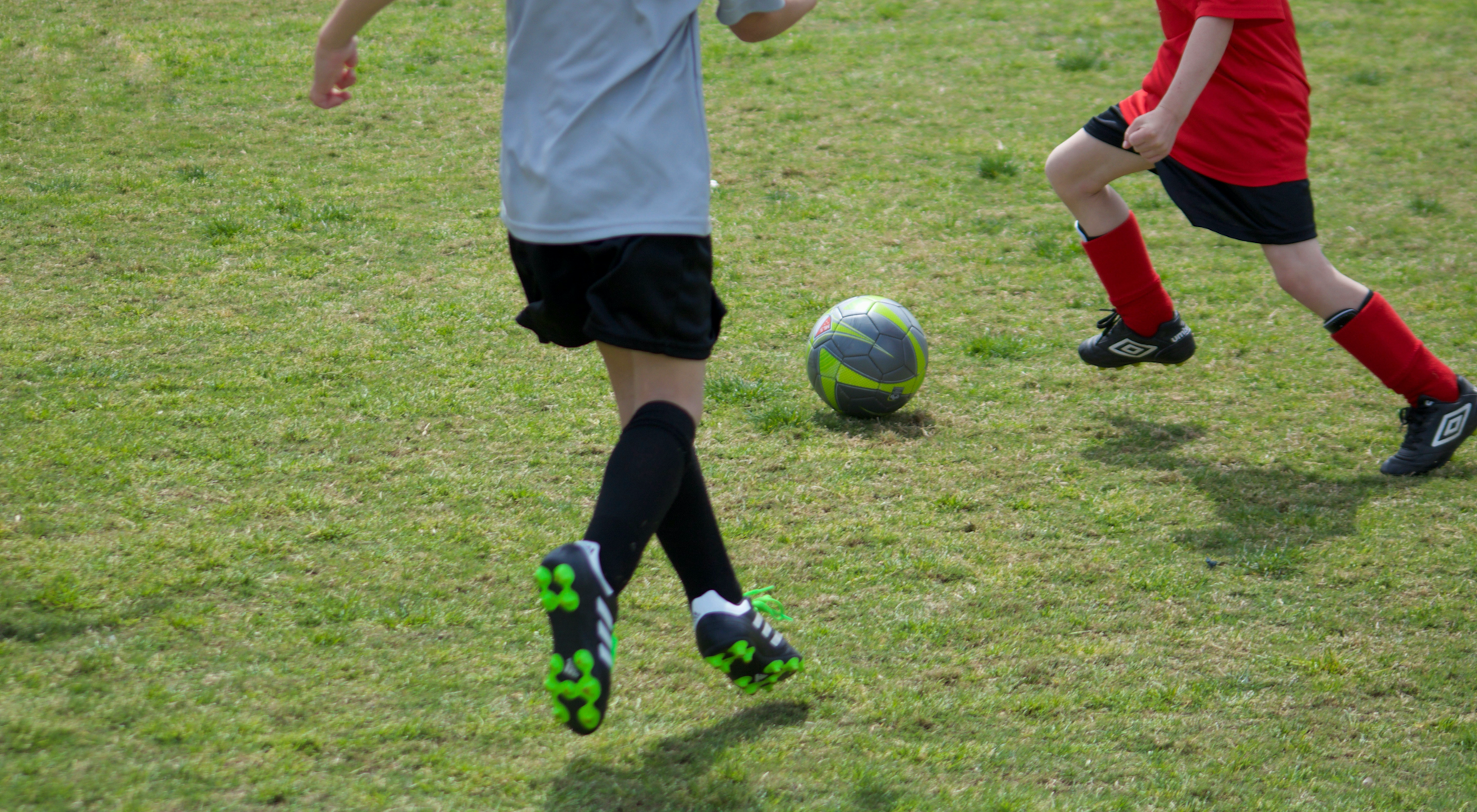
Why it matters: Only 44% of children in Ipswich are getting at least 60 minutes of physical activity every day, the target set by England's chief medical officer, falling short of the 49% national average.
The details: Sport England's Active Lives survey, completed by more than 130,000 school-age children across England in the 2024-25 academic year, shows participation in Ipswich has dropped from 52% the previous year, though it remains slightly higher than the 43% recorded in 2017-18 when the survey began.
The figures reveal:
44% of Ipswich children are 'active', getting at least 60 minutes of activity daily
26% are 'fairly active', getting between 30 and 60 minutes a day
30% are 'less active', with fewer than 30 minutes of daily activity
The bigger picture: Nationally, the survey shows 49% of children are meeting activity targets, marking a 2% increase on the year before and the highest total since the survey began in 2017-18. However, Sport England warns that "stark inequalities" are excluding the poorest in society from participation.
Black (41%) and Asian (43%) children, and those from the least affluent families (45%), are still less likely to play sport or be physically active than the average across all ethnicities and affluence groups. Girls (46%) are also less likely to be active than boys (52%).
What they're saying: Simon Hayes, chief executive of Sport England, said the findings "make clear how much more we must do."
"It cannot be right that fewer than half of children are moving as much as recommended, and that stark inequalities mean too many amongst the poorest in our society miss out. We need a renewed national effort to change this," he added.
Making a difference: One local organisation working to address the barriers preventing young people from being active is Sport Sense. Its founder, Anton Dixon, said the figures "reflect what we see on the ground in Ipswich every week," with many children disengaged from traditional sport "not because they lack interest, but because of barriers such as confidence, access, cost, and past negative experiences".
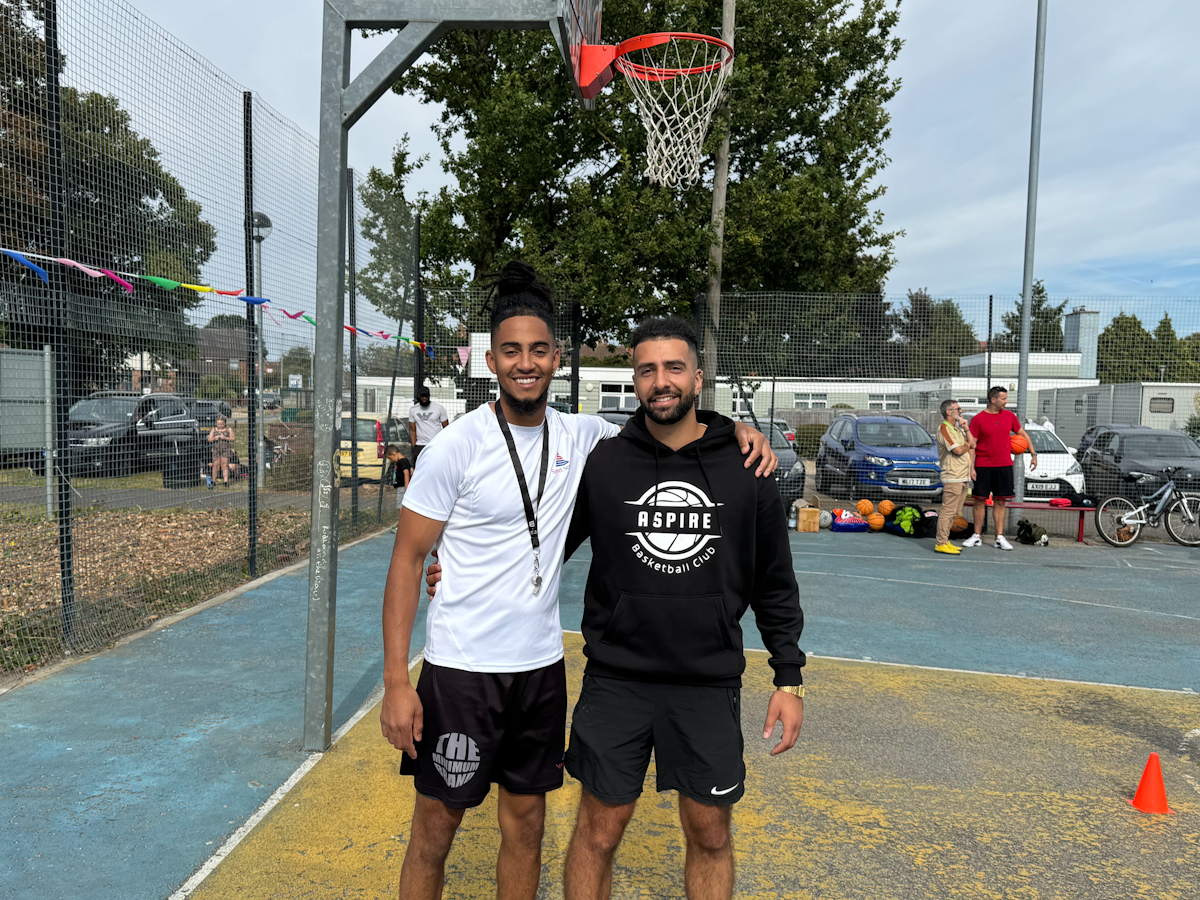
The organisation uses sport as a tool for mentoring and personal development, delivering community-based sessions, school partnerships and targeted mentoring programmes. "We create safe, inclusive environments where young people feel supported to move, connect and grow," Dixon explained.
What's next: For Dixon, it's about driving bottom-up change from within communities and creating opportunities. "If we want to reverse these trends in Ipswich, investment must go hand-in-hand with grassroots delivery, culturally relevant programmes, and trusted local organisations that understand the communities they serve. Physical activity isn't just about health, it's about belonging, confidence, and opportunity," he said.
Sports minister Stephanie Peacock said the government is investing £400 million in grassroots sports facilities and launching a new PE and School Sport Partnerships model to ensure that every child gets the same opportunities to be active, and Ipswich Borough Council recently opened applications for the Pride in Place Impact Fund, with £1.5 million up for grabs to improve community spaces, including sports facilities, in the town.
The bottom line: While national figures show progress, Ipswich has seen a decline in children's activity levels, with more than half still failing to meet the recommended daily exercise target.