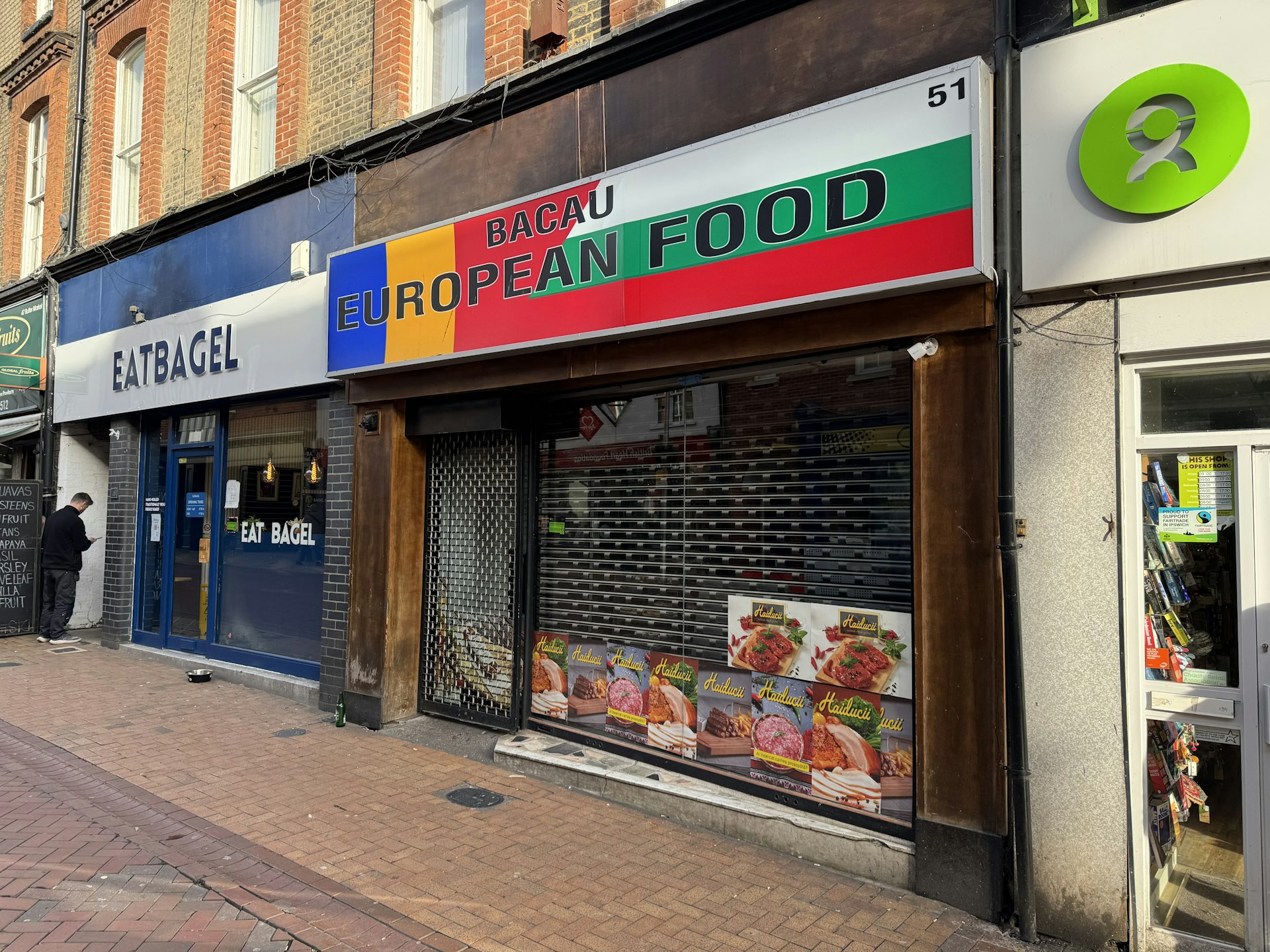
It's been a blight on our high street for some time – antisocial behaviour, smashed windows, large piles of rubbish dumped on the street outside, so when Magazin Bacau Romanian Supermarket, located at 51 Buttermarket, was issued with a full closure order by Suffolk Magistrates' Court following what police described as "prolonged and persistent" anti-social behaviour in the area, few would have shed a tear.
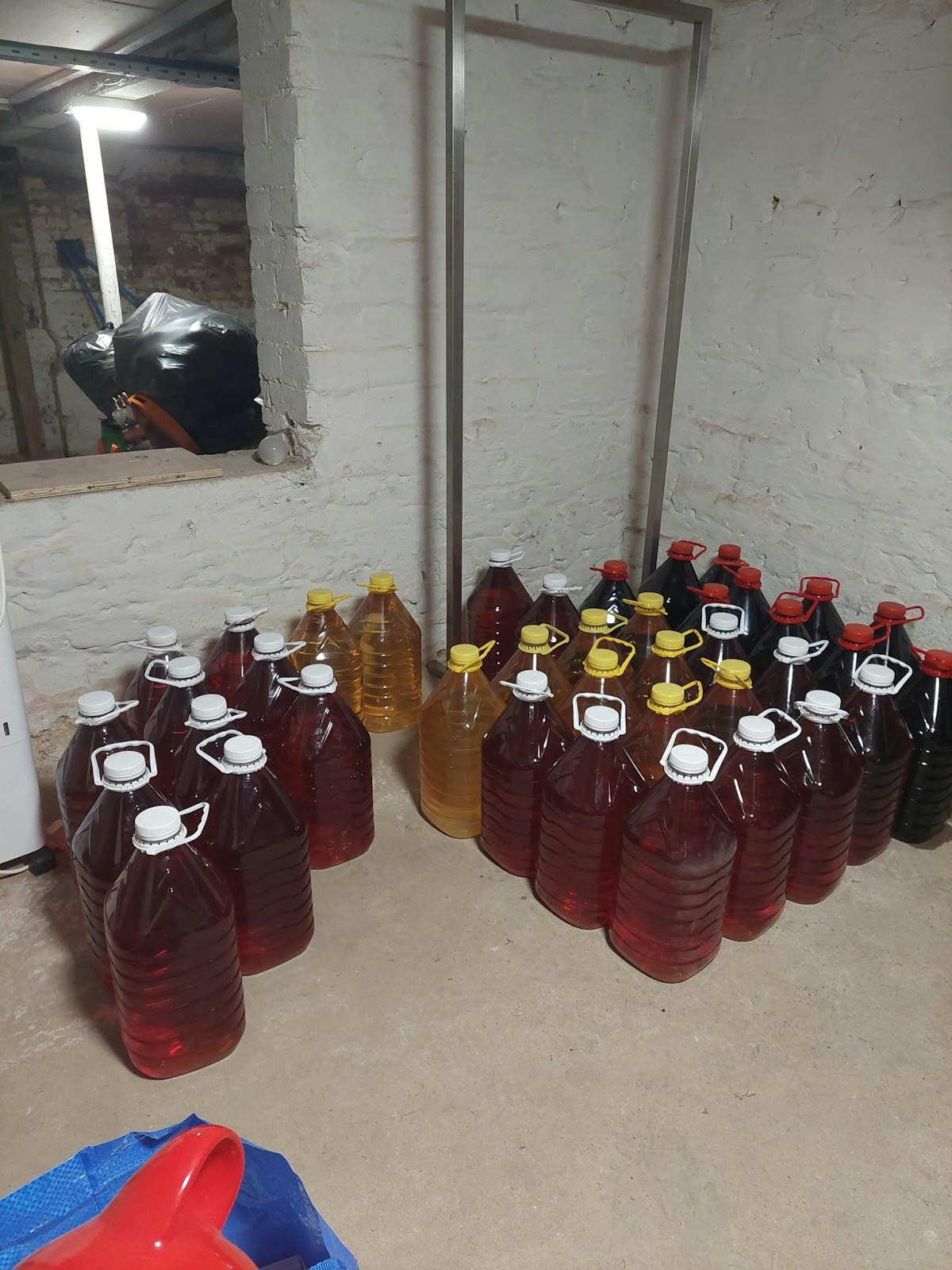
The order came after a months-long investigation carried out in partnership with Trading Standards, the Medicines and Healthcare Products Regulatory Agency (MHRA), and Ipswich Borough Council Licensing. A warrant executed on 10 November 2025 led to the seizure of illicit alcohol, tobacco and prescription-only medication from the premises. The alcohol is suspected of having been sold illegally to groups gathering outside the shop, which police believe contributed to the disorder in the surrounding area.
A force spokesman said officers gathered a range of evidence over several months, including witness statements and material obtained through search warrants.
Ipswich.co.uk had been monitoring the premises for some time prior to the closure and witnessed activity that raised serious concerns. On several occasions, men were observed entering the building for prolonged periods while two individuals – who appeared to be spotters – positioned themselves at each end of the street wearing headsets. When the men exited, they were seen carrying what appeared to be yellow liquids and large, old boxes of washing-up liquid.
We also observed frequent deliveries to the premises – sometimes as many as ten in a single day – arriving in usually untaxed vehicles.
So why is it only closed for three months?
It is a fair question, and the answer lies in the limits of the law.
Closure orders in England and Wales are issued under the Anti-social Behaviour, Crime and Policing Act 2014. They are designed as a fast-acting tool to stop disorder or nuisance, not as a permanent solution. The maximum duration of an initial order is three months. After that, the police or local authority can apply to extend it for a further three months, bringing the total possible closure period to six months. Beyond that, the courts have no power to keep the premises shut under this mechanism alone.
This does not mean the shop will simply reopen after three months and carry on as before. The closure order is, in many ways, just the beginning of a longer legal process.
What comes next
The case is due to return to Suffolk Magistrates' Court on 23 March, where a number of outcomes are possible. The court may extend the order, discharge it, or allow further action to proceed alongside it.
Crucially for a business of this kind, a closure order automatically triggers a review of any premises licence held. Ipswich Borough Council Licensing – one of the agencies involved in the investigation – will be required to conduct that review within 28 days of the order being made. At that review, the licensing authority has the power to revoke the licence entirely. Without a licence, the business cannot legally sell alcohol, which could effectively make legitimate operation unviable.
There is also the question of the lease. Where a commercial tenant has used premises for illegal or nuisance activity, the landlord or freeholder may have grounds to forfeit the lease – effectively ending the business's right to occupy the building altogether. It is unknown if the building is owned by its operator.
In short, while the three-month closure order may feel like a modest response to prolonged anti-social behaviour, it sits at the front end of a process that could – and hopefully will – result in permanent closure.
How closure orders work
For those unfamiliar with the process, closure orders follow a specific sequence. Before a full order can be granted, a closure notice must first be served – a short-term measure that can shut premises for up to 48 hours. A magistrates' court hearing must then take place within that 48-hour window for a full order to be granted.
Full closure orders prohibit anyone from entering the premises, including the owner. Breaching a closure order is a criminal offence, punishable by up to 51 weeks in prison or an unlimited fine. During the closure period, the police or the council have the power to board up and secure the building against entry.
The powers are broad and deliberately so. They can be applied to residential and commercial premises alike, and have been used for everything from drug houses and cuckooing operations to persistently disorderly licensed premises.
The bottom line
The closure of Magazin Bacau is welcome news for our town, but the three-month limit on closure orders is not a loophole – it is by design. The law treats closure orders as a circuit-breaker, not a final verdict. The real test of whether this action leads to lasting change will come in the weeks and months ahead.