Why it matters: The Government says the freeze will provide real savings for families and directly limit inflation by holding down a major component of everyday costs. According to the Government, transport costs make up 12% of household spending.
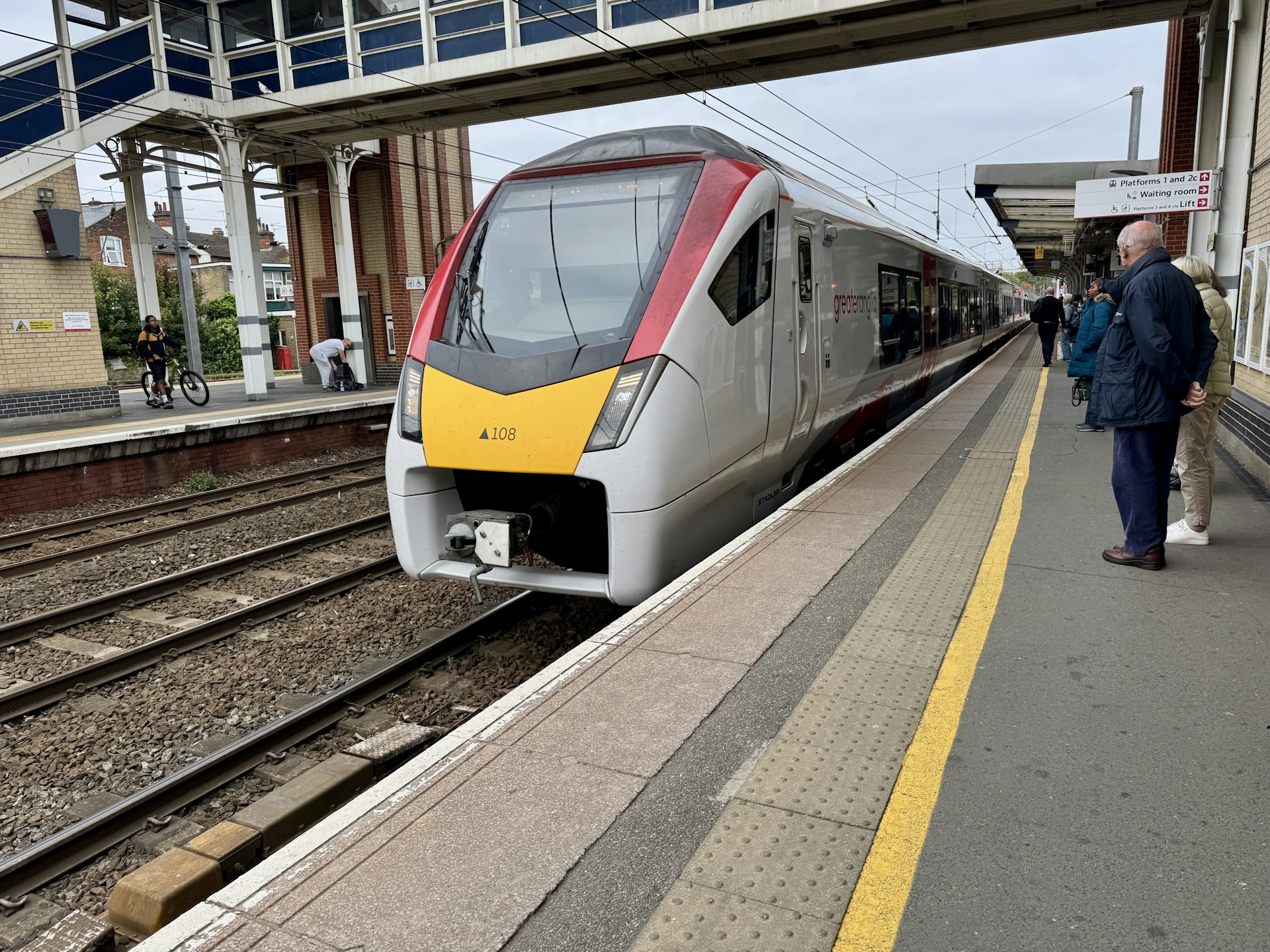
The details: The freeze, which will last until March 2027, applies to regulated fares in England. This includes season tickets covering most commuter routes, some off-peak return tickets on long-distance journeys and flexible tickets for travel in and around major cities.
About 45% of rail fares are regulated by the Government, with the freeze only relating to travel in England on services run by England-based train operating companies.
The most recent fare rise, in March 2025, was 4.6%. Rail fares traditionally have gone up in January, based on the July rate of the retail price index plus 1%, although this formula has not always been followed.
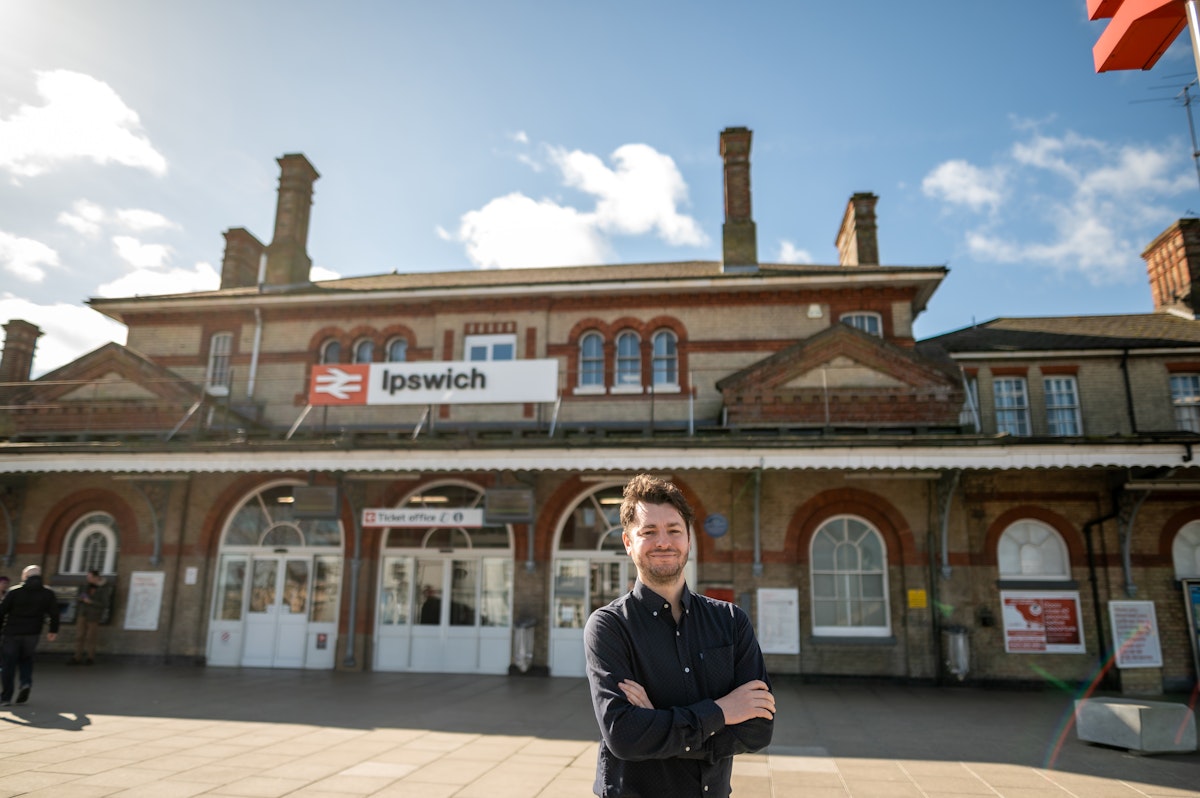
By the numbers: An annual season ticket from Ipswich to London currently costs £8,592. Based on the expected 5.8% fare increase, Ipswich commuters will avoid paying an additional £498 per year.
What they're saying: Chancellor Rachel Reeves said: "Next week at the Budget I'll set out the fair choices to deliver on the country's priorities to cut NHS waiting lists, cut national debt and cut the cost of living. That's why we're choosing to freeze rail fares for the first time in 30 years, which will ease the pressure on household finances and make travelling to work, school or to visit friends and family that bit easier."
Transport Secretary Heidi Alexander said: "We all want to see cheaper rail travel, so we're freezing fares to help millions of passengers save money. Commuters on more expensive routes will save more than £300 per year, meaning they keep more of their hard-earned cash."
Jack Abbott, MP for Ipswich, added: "Freezing rail fares for the first time in three decades will make a real difference to many people in Ipswich. I'm sure our Government's announcement will come as a real relief to people who have had to fork out more and more money to travel by rail, but will now be able to keep more money in their pockets. It is a really welcome boost just before Christmas."
Ben Plowden, CEO of Campaign for Better Transport, said: "We know that cost is the number one concern for people wanting to travel by train, so it is very welcome that fares will be frozen next year as we have been calling for. As well as helping households with the cost of living, this will enable more people to choose rail, reducing traffic on our roads, benefiting the economy, helping the environment, and connecting communities across the country."
The other side: Train operators are free to set prices for unregulated fares, which make up 55% of all rail fares, but they typically rise by similar amounts to regulated fares. A Government source acknowledged it was possible that unregulated fares would still rise.
The bigger picture: The freeze marks the first point since 1996, when the Government began regulating some train fares following the privatisation of British Rail, that fares will have been frozen.
The Government says the changes are part of its plans to rebuild a publicly owned Great British Railway that the country can rely on and be proud of.
The Railways Bill will create Great British Railways, a new publicly owned company that the Government says will run and manage the tracks and trains used every day, ending years of fragmentation, driving up standards for passengers, and making journeys easier and better value for money.
The Government says Great British Railways will deliver value for money through bringing rail tickets into the 21st century with tap in tap out and digital ticketing, alongside investing in superfast WiFi.
The Government has said part of its plans for the new body is to "gradually move away from annual blanket increases".
The bottom line: After years of rising rail fares, Ipswich commuters will see costs held for the first time in 30 years as part of a wider transformation of Britain's rail network.