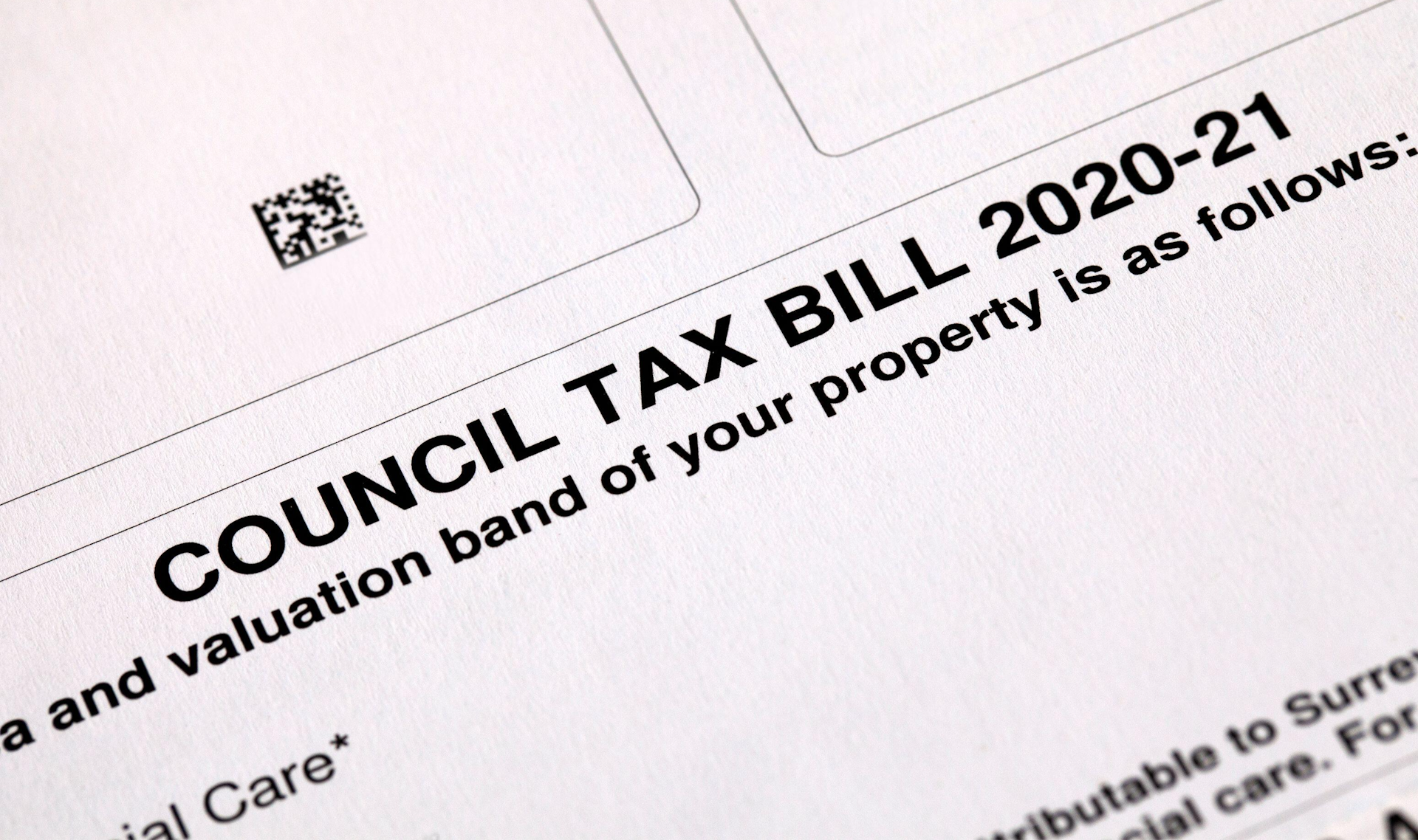
Why it matters: Major plans for local government reform will change how much Council Tax residents pay, with the amount depending on which unitary model the Government chooses for Suffolk – one unitary covering the whole county, or three anchored in Lowestoft, Bury St Edmunds and Ipswich.
The details: As part of this process, Council Tax will go through a 'harmonisation' period, meaning it will be brought to the same level for all residents without increasing by more than the 4.99 per cent maximum allowed in a given year.
However, despite having to prove harmonisation is affordable, the levels of Council Tax are actually a matter for the new councils to decide, meaning business cases can only estimate rather than promise final amounts.
The three unitary model: This model is favoured by the districts and borough councils as a way to keep decision-making as close to local communities as possible, while still delivering the advantages of council reform.
The Three Councils business case projects £34 million in annual gross savings with a payback period under 4.5 years, with benefits building up gradually over three years.
However, unlike the single unitary model, the district and borough councils are not proposing to pass these savings on to taxpayers through reduced council tax bills.
Their business case, due to be formally agreed across all five authorities this week, says Council Tax can be levelled across the new authorities within a year, without increasing by more than between £0.53 and £1.78 per week – that's £27.56 to £92.56 yearly.
How much residents will end up paying will depend on the specific unitary replacing their current council – under the new revised boundaries – as well as the tax baseline at the time of that unitary coming into being, in May 2028.
The Ipswich-based unitary becomes slightly trickier, as the current £2,359 bill already includes what would have been the town council precept.
The business case assumes a new town council will be set up, covering the current borough area, to avoid duplication and ensure fairness.
This would mean a roughly £200 reduction on the current Ipswich borough bill, to be added at a later date by the new town council precept, the value of which could still change depending on the duties it ends up taking on.
The single unitary model: This model is being pushed by Suffolk County Council as the best way to ensure financial stability in the future through significant savings and reinvestment into services.
The One Suffolk business case projects £39.4 million in annual ongoing savings, with a three-year payback period and immediate benefits starting from year one after vesting.
On Council Tax, the business case, approved for Government submission last week, says the new unitary authority could afford to bring it to the lowest possible value, currently in Mid Suffolk.
This would mean a reduction of £245 in Ipswich, based on current levels for Band D homes, and up to nearly £500 for the highest property bands.
However, the county council proposals also assume the creation of a town council for the Ipswich borough area, meaning the quoted reductions in council tax will be offset by a new town council precept, and no estimates have been made on what its precept would be.
It is therefore perfectly possible that neither proposal results in any savings being passed onto Ipswich taxpayers.
What's next: Both proposals will be submitted to the Government later this week, by the September 26 deadline.
A consultation will then be conducted by the Government, which they expect will end in early 2026, ahead of a final decision later that year.
Elections for a 'shadow council' will take place in May 2027, which will exist underneath the current structure until May 2028, when it will take over.
The bottom line: Suffolk residents face changes to their council tax bills from 2028, with the final amount depending on Government decisions about local authority restructuring and subsequent harmonisation processes that will bring all residents within each new unitary authority to the same payment level.