
Ipswich Borough Council backs plan to create new town council ahead of reform
Ipswich Borough Council has unanimously approved proposals to establish a new town council for the borough ahead of local government reorganisation in May 2028.


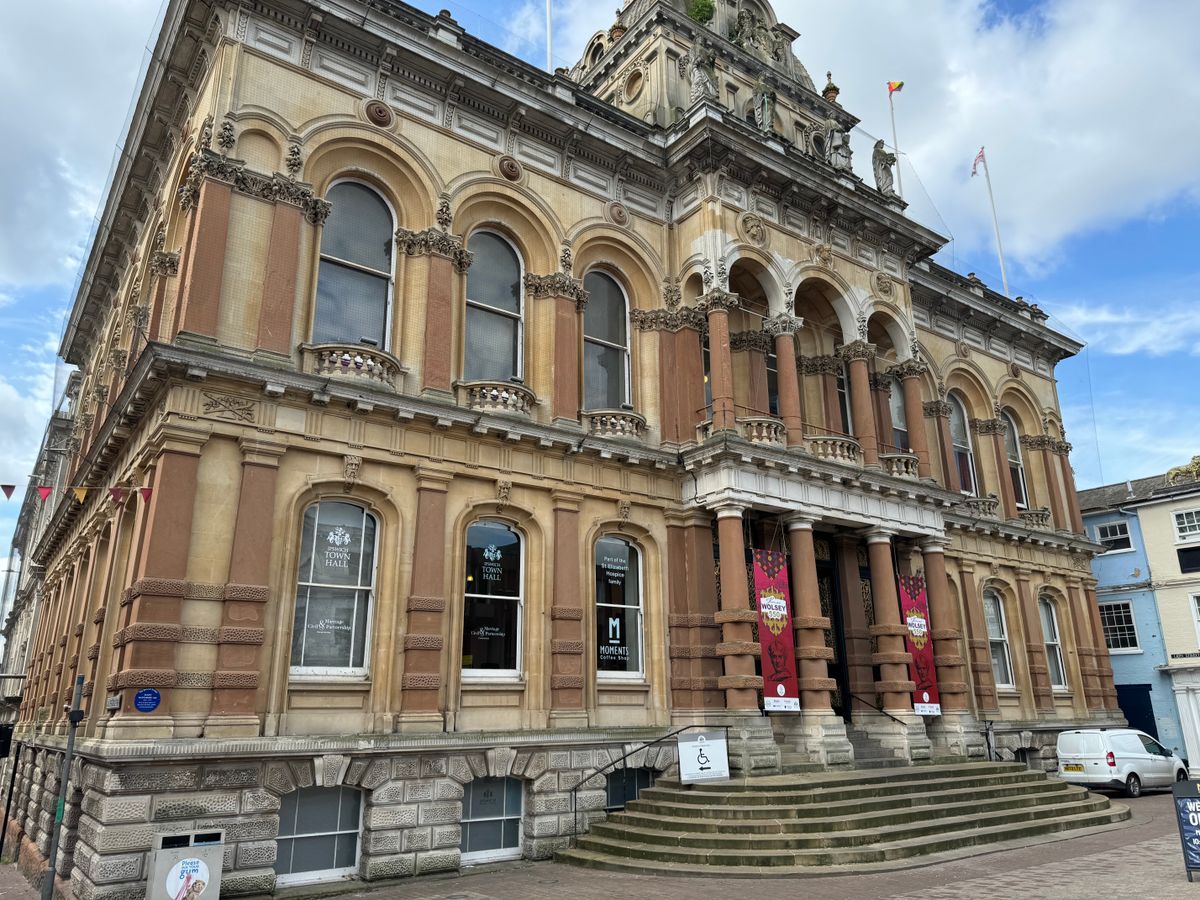
Why it matters: The decision ensures Ipswich will retain local governance and its historic mayoral role when the borough council ceases to exist and is replaced by a larger unitary authority.
The details: Councillor Bryony Rudkin, Ipswich's deputy leader, asked councillors to kick off the process of setting up the new town council to cover the borough. The authority currently carries out duties normally handled by town and parish councils elsewhere in Suffolk.
Both competing local government reform proposals - Suffolk County Council's single unitary authority plan and the district councils' three-authority model - include provision for an Ipswich town council to be established by May 2028.
Councillor Rudkin argued the move would prevent less effective community governance and preserve community identity following the reorganisation.
What they're saying: "The role of mayor is central to the town of Ipswich," said Councillor Lynne Mortimer, a former mayor between 2023 and 2024. "It's a part of our heritage, a part of our history."
Councillor Ian Fisher, the opposition leader, said a new town council would ensure the borough's identity was not lost.
The bigger picture: Setting up the new town council is key to both proposals for local government reform currently being considered. Council tax for any new unitary authority will be largely dependent on what portion of the tax the town council takes.
Services provided by town and parish councils typically include management of allotments, parks, cinemas and events, although duties for the new council will be subject to negotiation. The amount of council tax it charges will depend on the responsibilities it takes on.
What's next: Councillors unanimously approved the plans, with final recommendations expected by July.
The bottom line: With unanimous council backing secured, Ipswich now moves towards establishing local governance structures that will outlast the borough council's dissolution in May 2028.
This article cost us ~£20 to produce
It's free for you to read thanks to the generous support of our partners.
Below the line