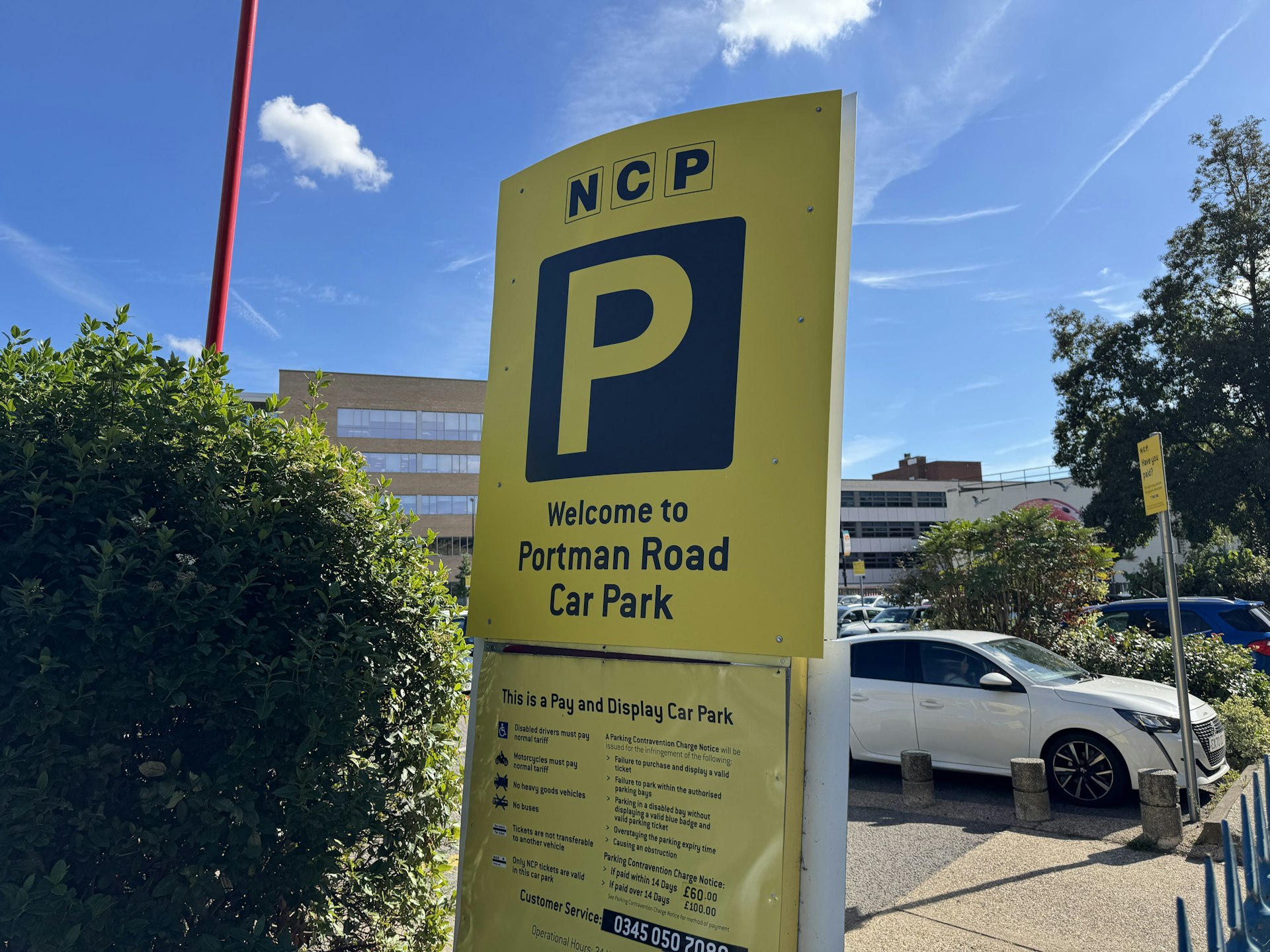
I was interested to read Oliver Rouane-Williams' article on 3 October entitled "Council's £20m car park that reduces space is a gamble the town cannot afford".
I don't intend to enter into a discussion about the council's parking policy, or whether reducing the car park numbers by just over 11% is advisable. Suffice it to say that I use the car park on a weekly basis, and I don't think that I have ever found it anything like full.
The challenge
It is very easy to criticise a council for taking risk, and portray it as a 'gamble'. It is also far easier for councillors and their executive team to avoid taking risks. One so often hears that phrase "we need to do another piece of work", which actually means "let's do another piece of work so we can put off making this risky decision".
The uncertainty over the local government reorganisation and the lack of firm commitments as to how the site might come forward are both risks that can easily be used to justify doing nothing in this case. The problem with doing nothing, of course, is that nothing happens, and the status quo, in this case of an under-utilised site in a town centre desperately needing new life, remains exactly that.
Gamble or risk
I chair a company called Gateway 14, which our local authority shareholder set up in 2017 to acquire an area of land adjoining Stowmarket. The land was in two private ownerships, had separate planning consents, and had not come forward for a considerable number of years.
There were no potential occupiers in the wings. The council decided it wanted to bring the site forward and took the risk (some might say gamble) to do so.
We managed to acquire the land in the open market and persuaded our shareholders to invest £18m in the installation of infrastructure for the site. At this stage, our shareholders were intent upon developing the site themselves. That would have been a gamble.
I made it clear to them that they did not have the expertise to do that and, therefore, to mitigate the risk, we needed to bring on board a private-sector partner with the expertise to deliver the development. Various parties wished to inject significant amounts of capital, but they also wanted a very significant share of the reward.
What we needed, however, was the expertise more than the capital, and therefore we chose a partner prepared to inject a relatively small amount of capital for a much smaller share of the proceeds. Getting the balance right between risk and reward at this stage was absolutely critical to the success of the scheme.
What getting it right can deliver
But, taking that risk in the first place, mitigating that risk as carefully as possible and sharing the rewards appropriately, has enabled our shareholder to recover all its investment and make a very considerable profit, which it is using to hold council tax at its current level, invest in the town centre and deliver a whole range of benefits for its electorate. And it has enabled the delivery of a successful business park, with thousands of new jobs.
The way forward
Therefore, I admire the decision taken by Ipswich Borough Council to deliver the car park as the first stage in the infrastructure to enable the remainder of the site to come forward – and I think that we should all get behind them in doing so.
Devolution should not be used as an excuse for inaction and delay. What is absolutely vital now, though, and what will differentiate between the project being a gamble or a calculated risk, is ensuring that it brings on board the right private sector partner (or partners), with the expertise, experience and commitment to mitigate and share the risk, and therefore some of the reward, and ensure successful delivery.
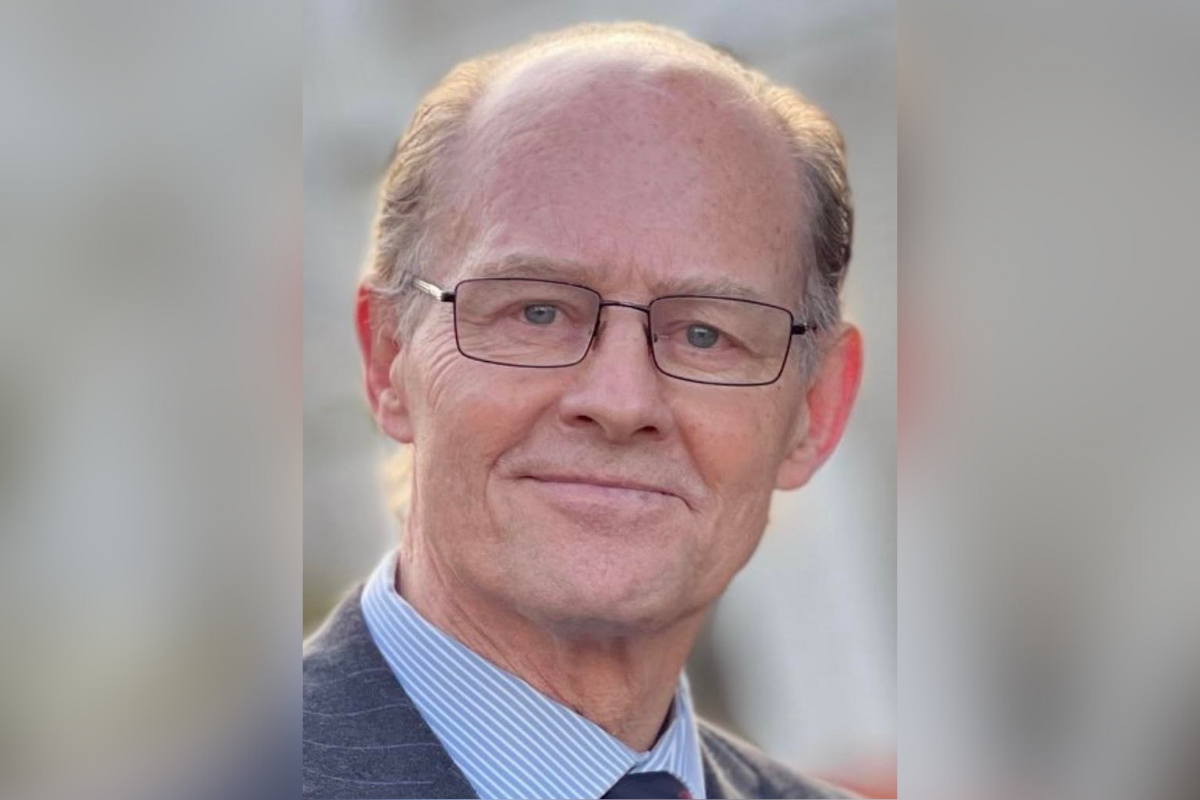
Sir Christopher Haworth is chairman of Gateway 14, the company established by Mid Suffolk District Council to successfully deliver the business park in Stowmarket. He has over 30 years' experience in local government regeneration and economic development. The views expressed in this article are his own and do not represent those of any organisation.