
'We had nothing to lose': Ipswich family welcomes baby after new fertility procedure
After three years of trying and three failed IVF transfers, Jessica Savill and her partner Ewan are celebrating the arrival of baby Edward following a new procedure at Ipswich Hospital that addressed a little-known cause of secondary infertility.
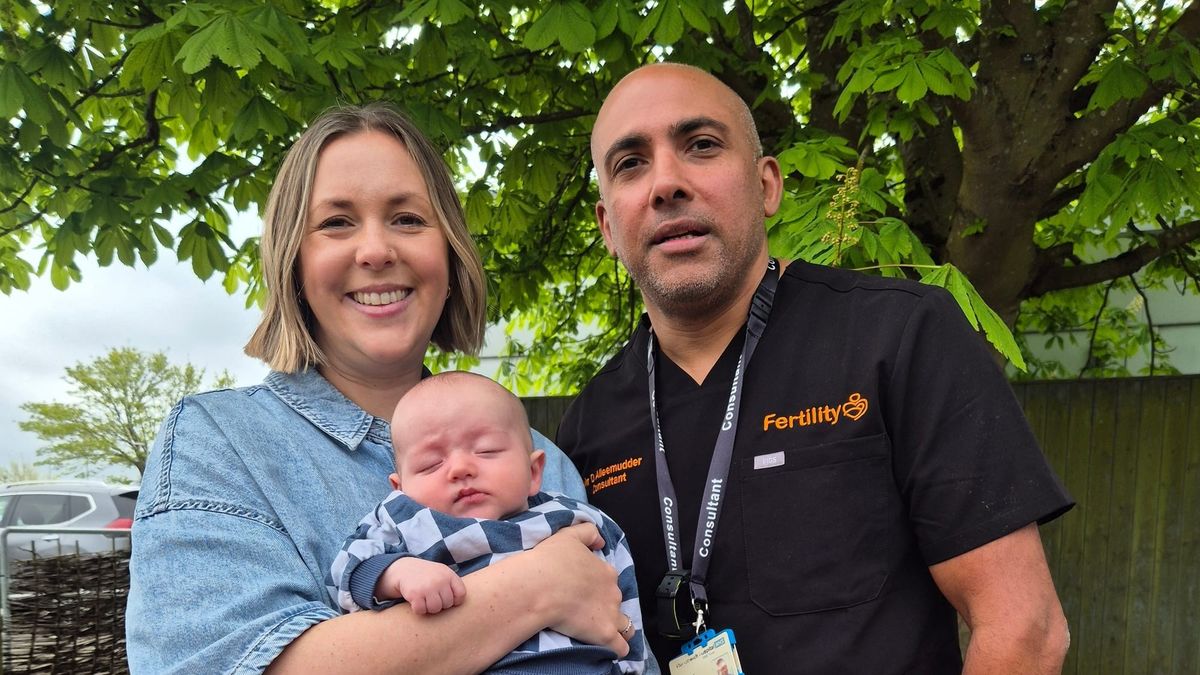
Why it matters: Jessica was one of the first patients to undergo the procedure at Ipswich Hospital, which targets a complication from caesarean sections that consultants say is an increasingly recognised cause of secondary infertility.
The details: Jessica and her partner Ewan, who are already parents to seven-year-old Grace, had been unable to conceive despite three IVF transfers. Scans eventually revealed she had a caesarean niche – a tiny pocket in the womb lining left over from a previous emergency caesarean section.
- Jessica had the procedure in April 2025
- She discovered she was pregnant in June
- Baby Edward was born at Ipswich Hospital on Valentine's Day
What they're saying: "On paper there was no reason why we shouldn't be able to get pregnant, but it just wasn't happening for us," Jessica said. "After IVF not being successful, we went back to our consultant at Ipswich Hospital to see if there was anything else that could be done."
She added: "We'd been trying for so long and even with IVF we'd never had a positive pregnancy test, so I was anxious if this would work, but we had nothing to lose."
Mr Djavid Alleemudder, Jessica's reproductive medicine consultant at Ipswich Hospital, said: "Over the last few years, we have come to understand how a niche can be a cause of secondary infertility.
"When repairing the incision following a caesarean section, the healing can cause a small pocket where fluid can build up and prevent sperm from reaching the egg, which could stop implantation."
The bigger picture: Mr Alleemudder said the rise in caesarean sections meant secondary infertility caused by niches was becoming more common, and earlier identification could spare patients unnecessary IVF treatment.
"Increasing awareness of how niches can impact conception after caesarean birth enables earlier identification during investigations, helping spare patients the emotional strain of unnecessary IVF and reducing associated costs for the NHS," he said.
"By introducing this information when birth plans are being explored, we help patients understand all their options so they can make the decisions that feel right for them."
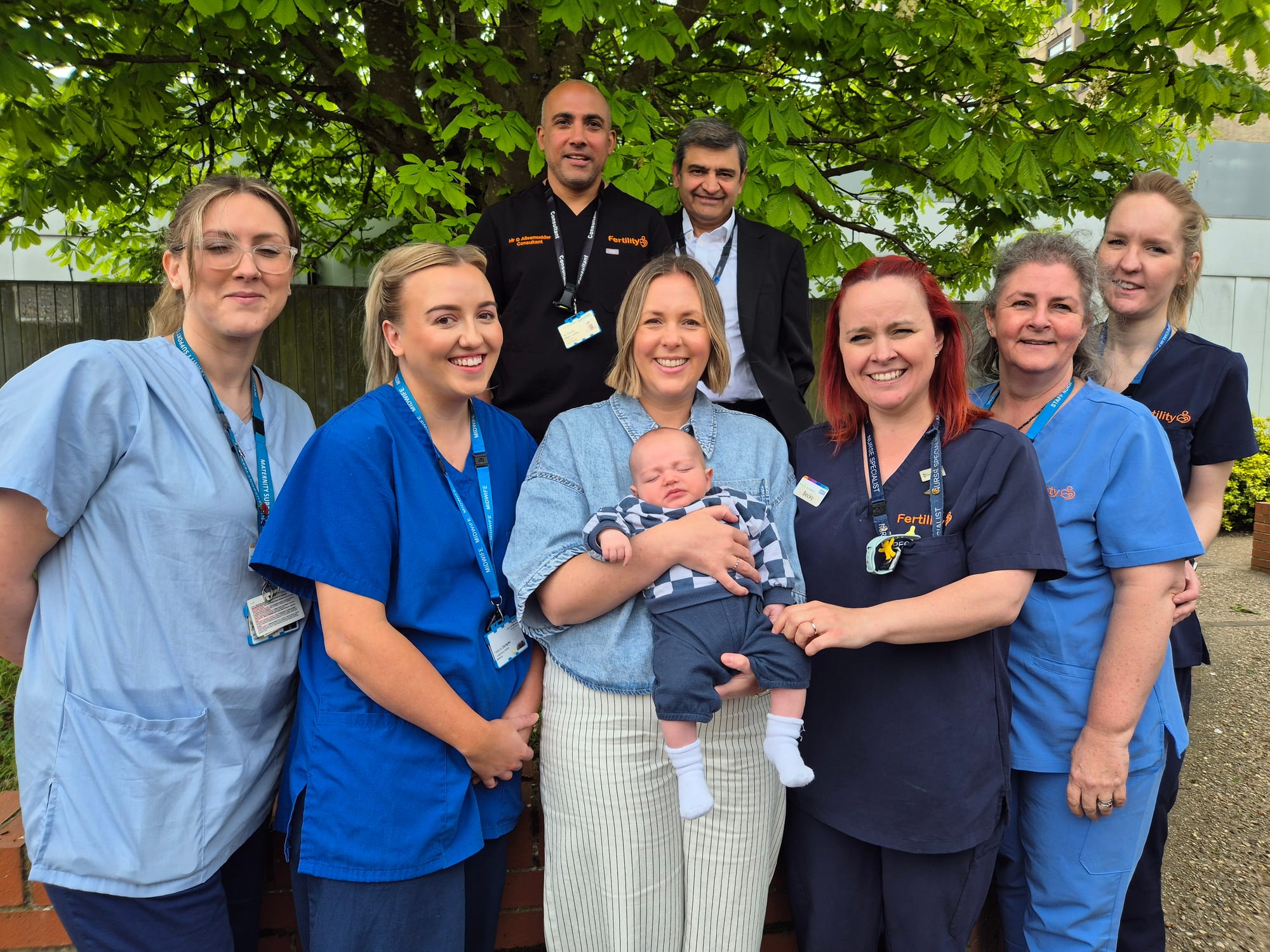
The moment it worked: "When trying for a baby, you know your cycles inside out, so when I was one day late in June, I didn't want to get my hopes up," Jessica said. "I kept pushing it to the back of my mind, but a few days later, I woke Ewan up, and we did a test. It was positive."
Jessica said the team at Ipswich Hospital understood the fertility issues she and Ewan had been experiencing, and never dismissed her concerns.
The bottom line: "Grace has wanted to be a big sister for so long and is the best big sister Edward could ask for," Jessica said. "This procedure has allowed us to grow our family."
Don't forget: If you enjoy our content, please add Ipswich.co.uk as a "preferred source" on Google so you can easily find more of the content you value.
This article cost us ~£27 to produce
It's free for you to read thanks to the generous support of our partners. Please support us by supporting them.
Below the line