
Pride in Place: Clarity, purpose and legacy
With £20m of investment heading to Stoke Park, councillor Chu Man argues that money alone won't be enough — and sets out what it will take to make Pride in Place truly succeed.

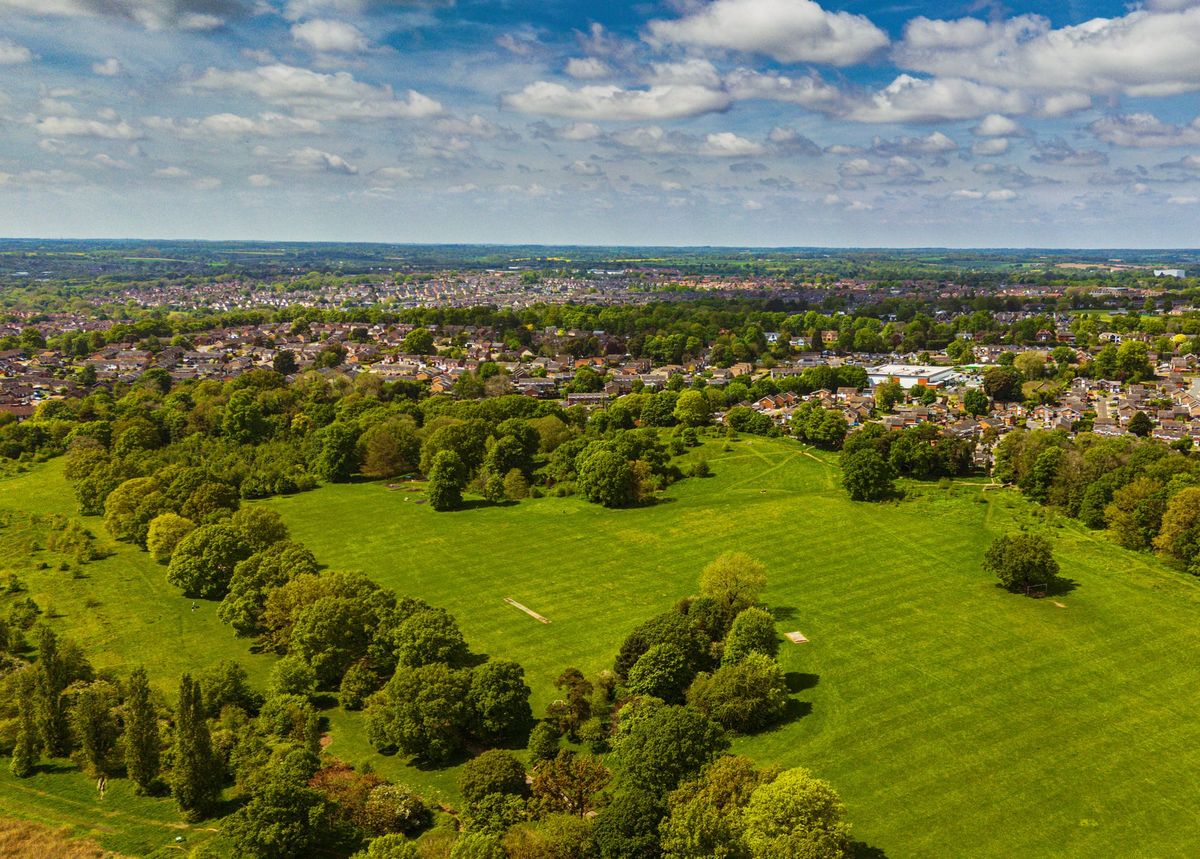
The £20m Pride in Place investment planned for Stoke Park has the potential to make a real difference to those living and working in the area. For residents, it should mean more than a headline or a funding figure — it should mean seeing and feeling change in the places they use every day.
This kind of investment matters. But if we want it to succeed, we need to think about success from the start.
Too often when we talk about regeneration, the focus is on the visible bit — the new asset, the improved space, the thing that gets built. But the real test always comes afterwards.
Do they know it's there? Does it feel relevant to them? Are people actually using it? Six months or a year later, does it still have energy and purpose?
I've worked on enough projects for nearly three decades to know that creating something is often the easy part. The harder part is ensuring it lands — that people notice it, connect with it and remember it.
That's why Pride in Place can't just be about capital spend. What's encouraging about the Stoke Park funding is that the split between capital and revenue appears to recognise some of this already. While the wider framework for delivery is being put in place, this balance gives projects the best chance of succeeding in the real world. Revenue funding is what allows activity to be communicated, programmes delivered, communities engaged and real momentum to build.
Taking a holistic view from day one means bringing clarity to the whole picture — not just asking what we're building, but who it's for, how it will be used, how it will be promoted, and how it will be sustained over time.
At its heart, there are three things that really matter.
- Place: Investing in spaces people use and infrastructure that improve an area, giving people something tangible to feel proud of.
- People: Understanding how residents and visitors actually use those spaces. Visibility. Safety. Accessibility. They all matter.
- Activation: Making sure projects are properly launched, promoted and supported over time.
Marketing isn't separate from delivery — it's an essential part of making every project succeed.
If we want people to visit and engage with something new, we have to let them know it exists and give them a reason to come. Beyond the launch, projects need ongoing care, local ownership and the kind of stewardship that allows them to keep delivering value long after the ribbon is cut.
Joined-up thinking brings clarity and helps tackle multiple issues at once. A well-designed space can change how an environment looks and feels. Good activation can increase participation and footfall. Strong partnerships with community groups and local organisations can create a sense of ownership that leaves a lasting legacy.
In my professional work across visual communication and sports partnerships, I see firsthand how purpose-led collaborations can bring organisations, communities and audiences together around a shared goal. When aligned, the benefits reach far beyond the organisations involved and deliver real value to the people they're meant to serve.
Design shapes behaviour. The same principle applies here.
At a time when much of the public debate can feel reactive and short-term, Stoke Park has an opportunity to focus on something far more constructive — investment, participation and the long-term strength of the community itself.
In the time I've been a councillor, one thing has become very clear to me: the best outcomes come when the people delivering projects are genuinely engaged and stretched by the process. Creativity sparks imagination, turns decent ideas into brilliant ones and, when supported by considered systems and structures, helps people see the bigger picture.
Stoke Park now has a real opportunity to show what that can look like in practice. Pride in Place shouldn't just mean building something new. It should mean leaving a legacy of places that are used, valued and sustained.
That's how investment puts the pride into Pride in Place.
This article cost us ~£21 to produce
It's free for you to read thanks to the generous support of our partners. Please support us by supporting them. Alternatively, you can directly fund more journalism like this by becoming a member for just £4.75 per month. You'll get our best content delivered straight to your inbox before anyone else, and the option to discuss our reporting with our journalists.
Below the line