
Meet the candidate: Jennifer McCarthy
Jennifer McCarthy is standing for the Green Party in the Castle Hill ward at the Ipswich Borough Council elections and in the Westgate division at the Suffolk County Council elections. We sent every candidate the same five questions — here are Jennifer's answers, published in full and unedited.

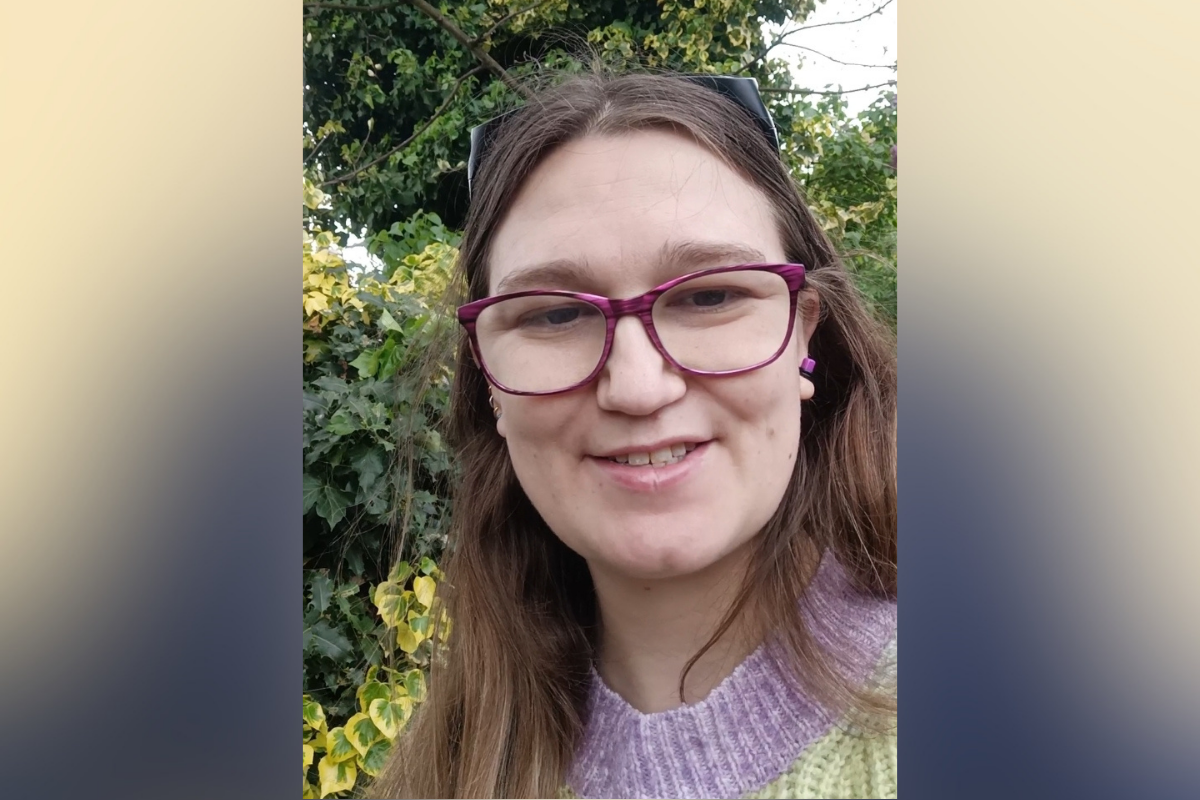
On Thursday, 7 May, Ipswich residents will head to the polls for two local elections on the same day — one for Ipswich Borough Council, the other for Suffolk County Council. Jennifer McCarthy is standing for the Green Party in the Castle Hill ward and the Westgate division, contesting one of 16 borough council seats and one of 12 county council seats up for election across Ipswich.
As an apolitical publication, we sent every candidate standing in the town the same five questions, and we're publishing every response in full, without editing, so that residents can hear directly from the people asking for their vote. No candidate receives more or less prominence than any other. This is what Jennifer told us.
Tell us a bit about yourself — who are you, what's your connection to your ward/division, and why do you want to become/remain a councillor?
I moved to Ipswich in 2001 aged 11, and have lived in the Castle Hill and Westgate area for the majority of that time, moving back to my childhood home in 2020. That long-term connection means I understand both the strengths of the area and the challenges residents face.
Alongside this, I've been involved in a range of voluntary work across Ipswich, including conservation work on local heathland, helping to set up the Ipswich Umbrella Climate Hub, and running a creative mental health workshop for children at a local library. While this hasn't taken place directly within my ward, it has given me insight into issues that affect residents here too, particularly around the environment, wellbeing, and community resilience.
I'm standing because I want to help ensure local services and decisions reflect residents' needs and support a more sustainable, connected community.
What are the three biggest issues facing your ward/division right now, and what would you do about them if elected?
Through listening to local residents, I think that three of the biggest concerns locally are access to GP services, antisocial behaviour and the need for better community facilities.
Many residents are struggling to access timely GP appointments. There are plans to increase capacity locally, which is very welcome, but if elected I would focus on making sure those plans are delivered, and that they properly meet the needs of local people. That means working with NHS partners, but most importantly continuing to listen to residents about their experiences.
Antisocial behaviour, from littering through to more serious crime, affects people's sense of safety and pride in the area. I would push for a joined-up approach between the council, police, and community groups, alongside early intervention and youth engagement, because prevention is just as important as enforcement.
Finally, community assets matter. The future of Broomhill Lido has faced setbacks, but it remains something many local people care deeply about. I would support efforts to bring it back into use in a way that is financially sustainable and community-led, because investing in positive shared spaces can improve wellbeing and help address issues like isolation and antisocial behaviour.
Suffolk is in the middle of significant change — from the local government reorganisation creating new unitary authorities to ongoing pressures on housing, transport and public services. What's your view on how these changes should be handled, and what role do you see a local councillor playing?
Suffolk is going through significant change, and it's vital this is done with communities, not to them. Moving to unitary authorities could improve coordination, but we need to ensure that decisions don't become more centralised and remote. For me, the priority is making sure power, funding, and accountability stay as local as possible.
At the same time, pressures on housing, transport and public services must be addressed in a joined-up way - new housing, for example, needs to come with GP access and reliable public transport.
As a councillor, my role would be to represent residents' voices, scrutinise decisions, and push for transparency, making sure these changes actually lead to better services and outcomes for local people.
What do you consider your most significant personal, professional or community achievement — and what does it tell voters about how you'd approach the role?
My most significant achievement is completing a first-class degree in radiography while managing worsening disability. It required sustained commitment, resilience, and careful balancing of academic work, placements, and personal wellbeing over several years.
My clinical placements also involved working with a wide range of patients, which strengthened my communication skills, professionalism, and ability to remain calm and focused in challenging situations.
I think this experience demonstrates how I approach responsibility: with dedication, but also with practicality and empathy. If elected, I would bring that same approach to decision-making, listening carefully, considering the impact on different groups, and working consistently to deliver the best outcomes for residents.
If elected, how will you make yourself accessible to residents in your ward/division? How can people contact you now, and how do you plan to keep in touch if you win?
Being accessible and accountable to residents would be a key priority for me. People would be able to contact me easily by email or letter, and I would aim to respond promptly and transparently.
I would also hold regular in-person meetings, giving residents the opportunity to raise concerns, ask questions, and discuss local issues directly. Just as importantly, these meetings would help me understand how residents feel about upcoming decisions, so I can represent their views effectively.
For me, being a councillor is about listening and working with the community - I'm there to represent residents and their priorities, not to speak over them.
Want to hear from the other candidates standing in Castle Hill and Westgate — and across the rest of Ipswich? We're publishing every response we receive in full.
Polling stations open at 07:00 and close at 22:00 on Thursday, 7 May, with results expected on Friday, 8 May. To vote in person you will need a valid form of photo ID — if you don't have one, you can apply for a free Voter Authority Certificate at gov.uk before 17:00 on Tuesday, 28 April. The last day to register to vote is Monday, 20 April. For a full breakdown of every candidate standing across Ipswich and all the key deadlines, read our complete guide to the May elections.
Don't forget: If you enjoy our content, please add Ipswich.co.uk as a "preferred source" on Google so you can easily find more of the content you value.
This article cost us ~£27 to produce
It's free for you to read thanks to the generous support of our partners. Please support us by supporting them.
Below the line