
From finance to interiors: The designer who traded spreadsheets for swatches
Meet the designer behind Ipswich.co.uk's newsroom. After 20 years in finance, Jenny Calthorpe retrained as an interior designer. Now she's transforming homes and workspaces across Suffolk and Essex.


For two decades, Jenny thrived in the financial industry. She spent just over 20 years working primarily in project management and business analysis roles, building a successful career grounded in structure, precision and problem-solving. But beneath the spreadsheets and stakeholder meetings, something else was quietly growing: a passion for interiors that refused to go away.
"I'd always had a passion for interiors, but it was after the birth of my second child in 2022 that I seriously began considering retraining," Jenny explains. What followed was not a dramatic leap but a careful, deliberate pivot – one that would eventually lead to the official launch of JC Interior Design in 2025.
The renovation veterans
The signs had been there for years. Jenny and her husband Terry had renovated every property they had lived in, throwing themselves into each project. From painting 10-foot ceilings to laying parquet flooring and fitting fireplaces, their hands-on approach turned houses into homes and caught the attention of everyone who visited.
"People who visited our home would often tell me I should be doing this for a living," Jenny recalls. "One friend in particular used to joke that I'd 'missed my vocation in life,' and it became harder to ignore."
Friends and family kept returning to Jenny for help with their own homes. She found herself investing the same level of care, detail and documentation that she would in her corporate projects. "I felt most energised, creative, and fulfilled when I was designing, and that was the nudge I needed to make the leap," she says.
A structured transition
Unlike many career-changers who attempt to juggle both worlds, Jenny made a bold decision: she would step back from her current role completely to focus on retraining. "Unlike many career-changes, I didn't study while working—I made the decision to step back, focus fully on retraining, and immerse myself in the learning process," she says.
She studied with the National Design Academy, completing an interior design diploma covering spatial planning, technical drawing, materials, lighting and design theory. She also undertook an interior design software course, enabling her to produce computer-drawn floor plans and elevations and transform two-dimensional drawings into fully modelled three-dimensional visuals.
"I started business planning alongside my day job and gradually took on small projects for friends in my spare time, which helped me build confidence and a base for the transition," Jenny explains. Those small real-world projects became crucial—allowing her to apply theory, test her skills and develop a portfolio that would eventually become the foundation for launching her business.
As her portfolio grew and demand for her work increased, Jenny made the decision to formalise it. JC Interior Design was officially launched in 2025.
Realising Ipswich.co.uk's high street newsroom
One of Jenny's first major projects was the transformation of Ipswich.co.uk's Upper Brook Street newsroom. The building – a run-down former Chinese medical centre – was stripped back to shell state before Jenny's vision shaped it into a modern, functional workspace that we're proud to call home.
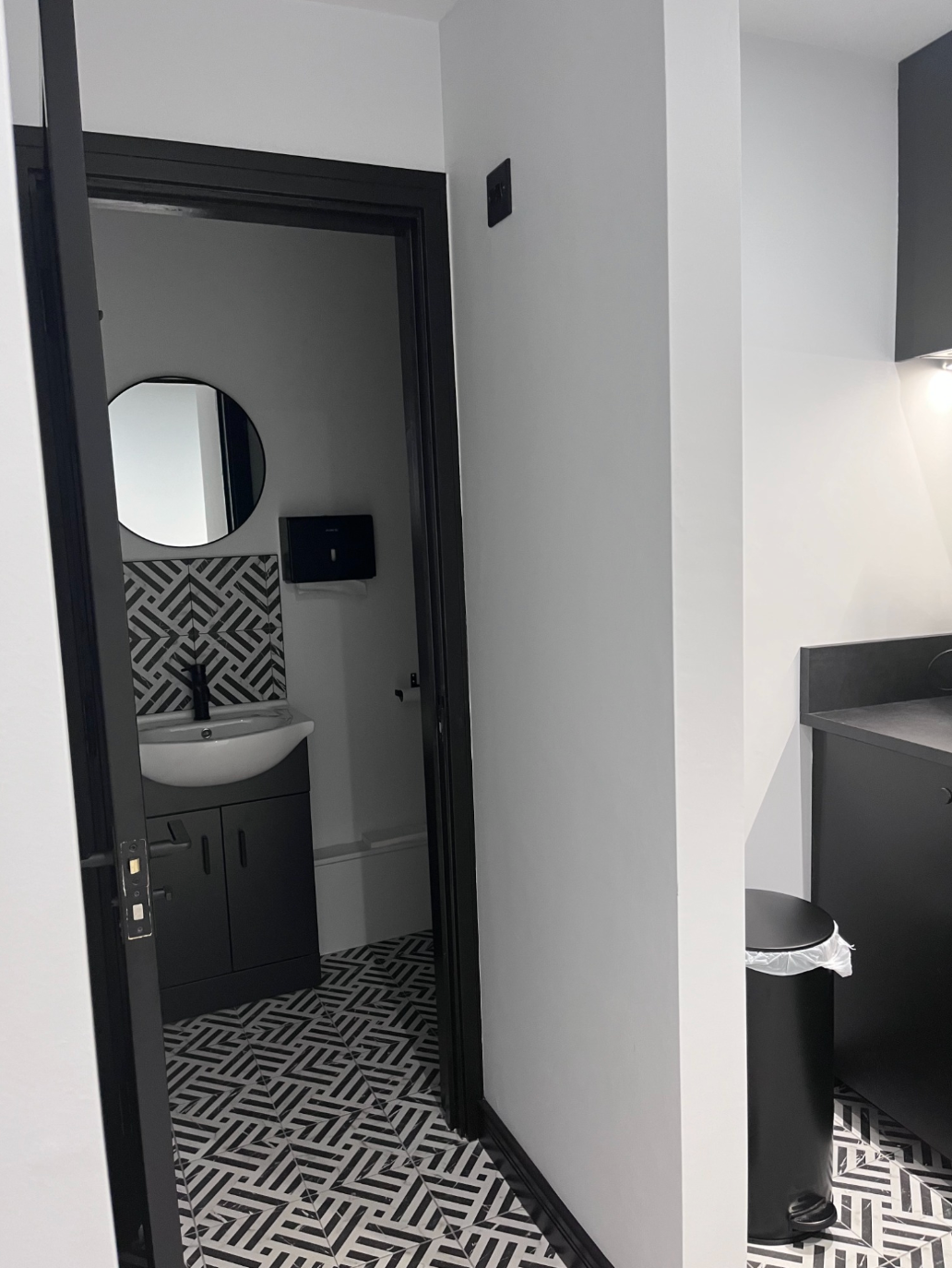
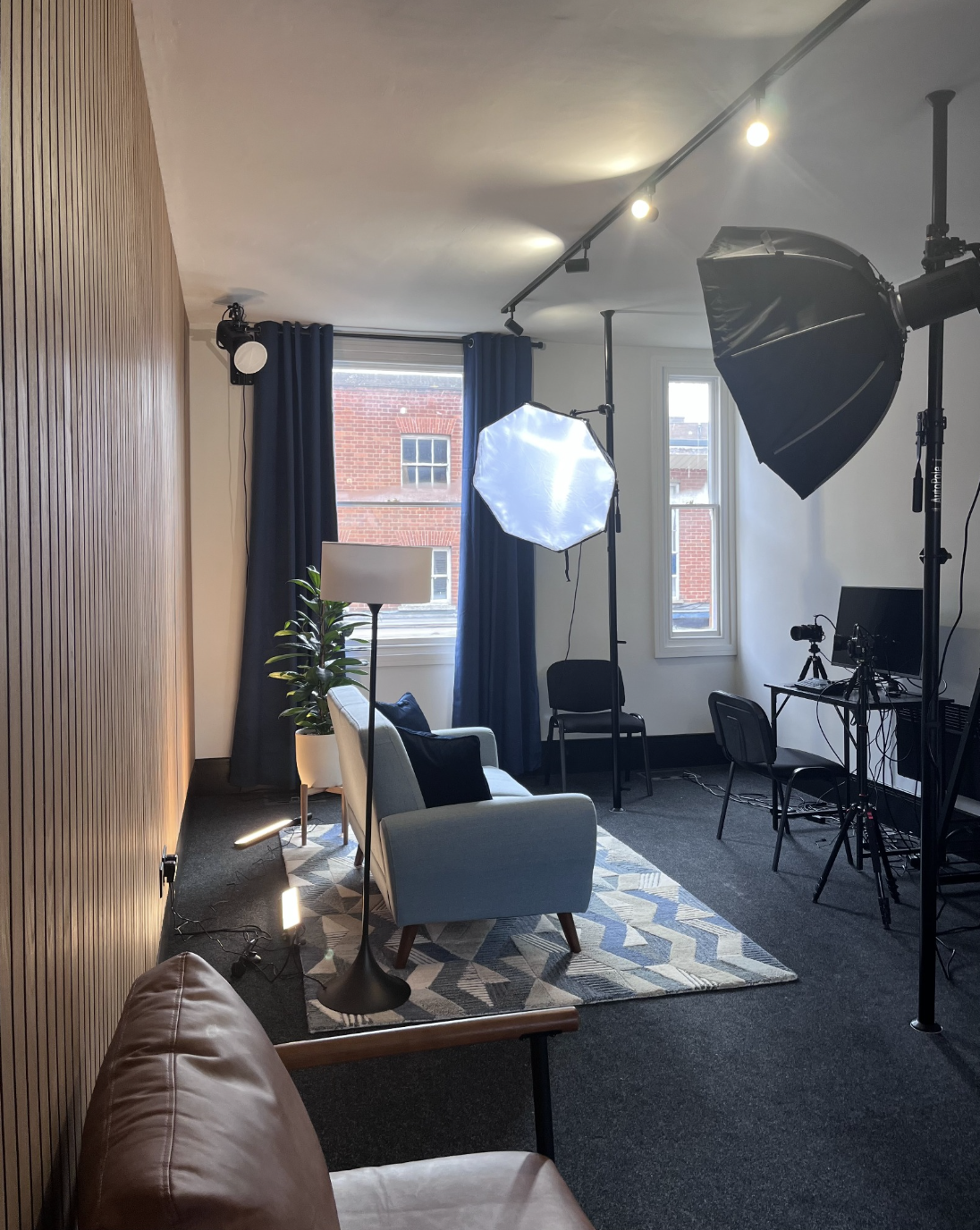
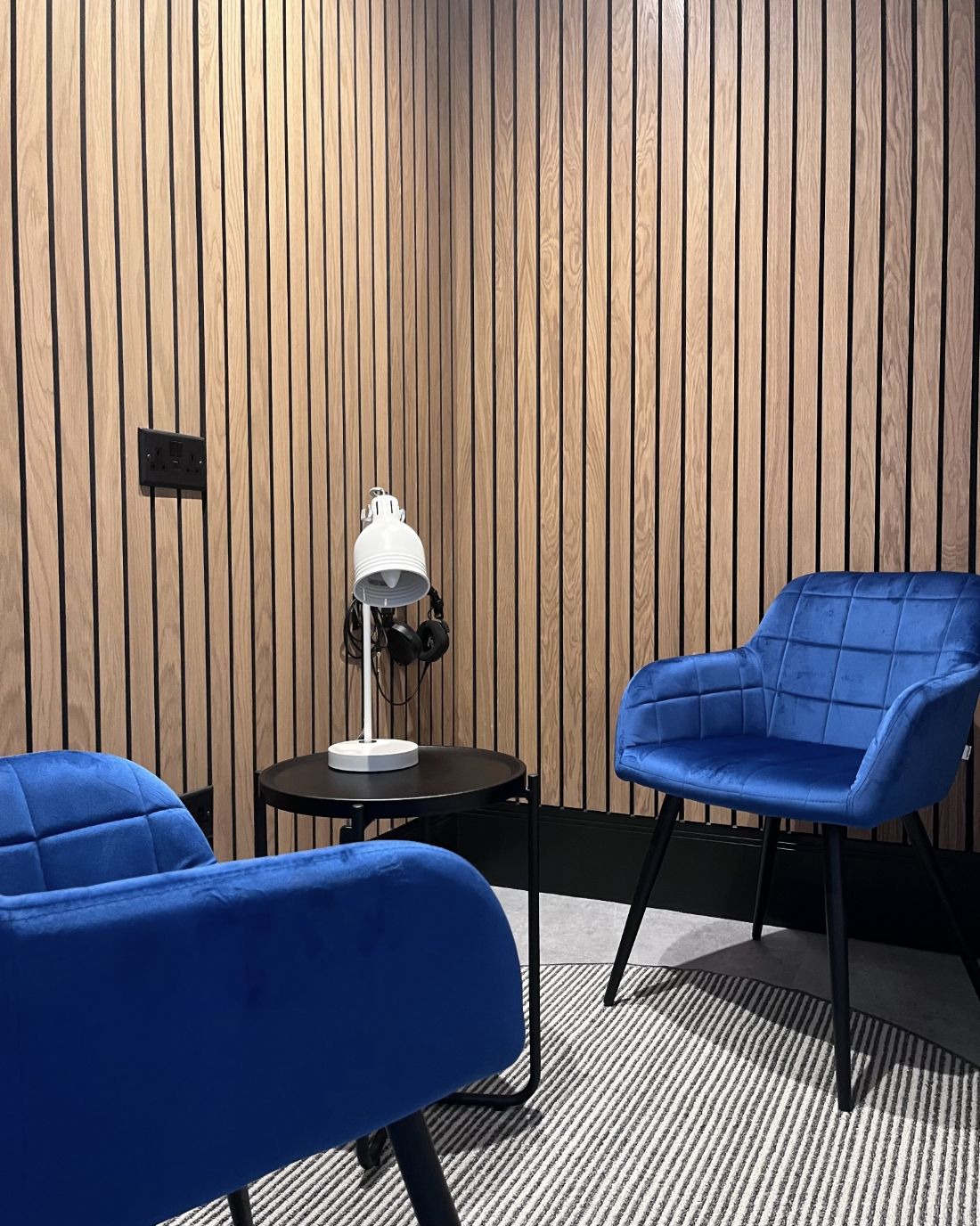
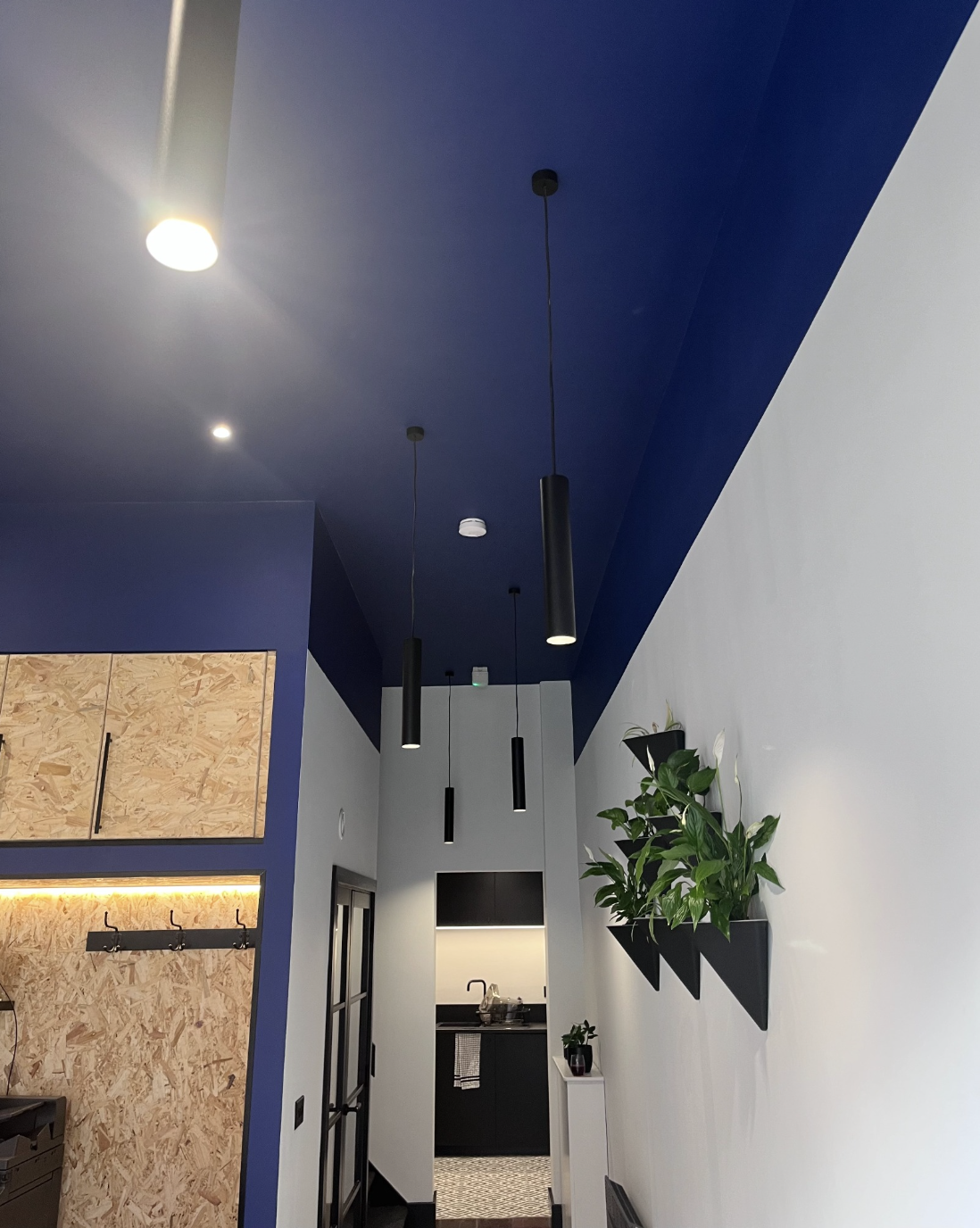
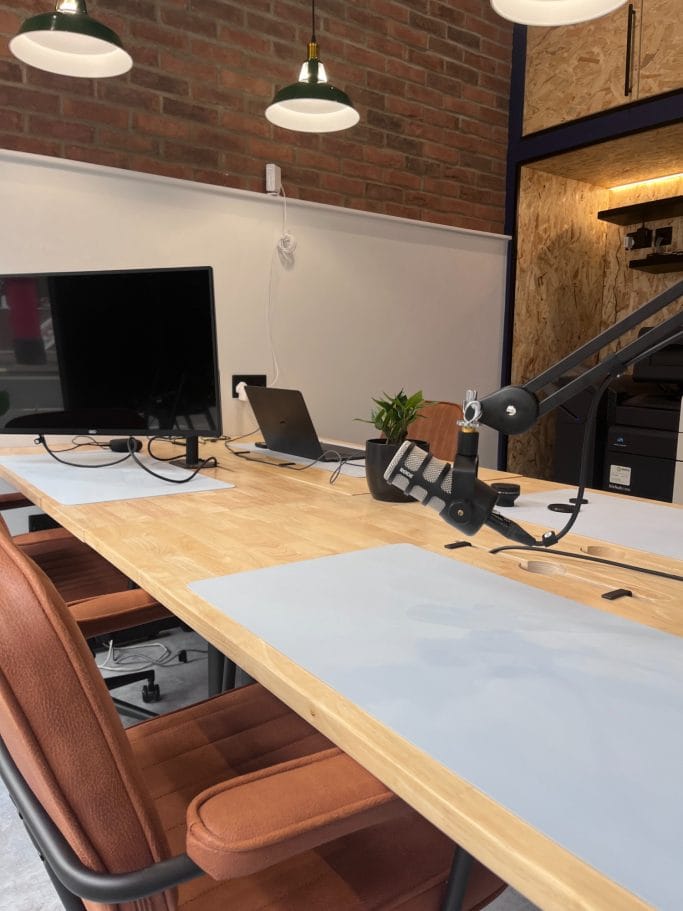
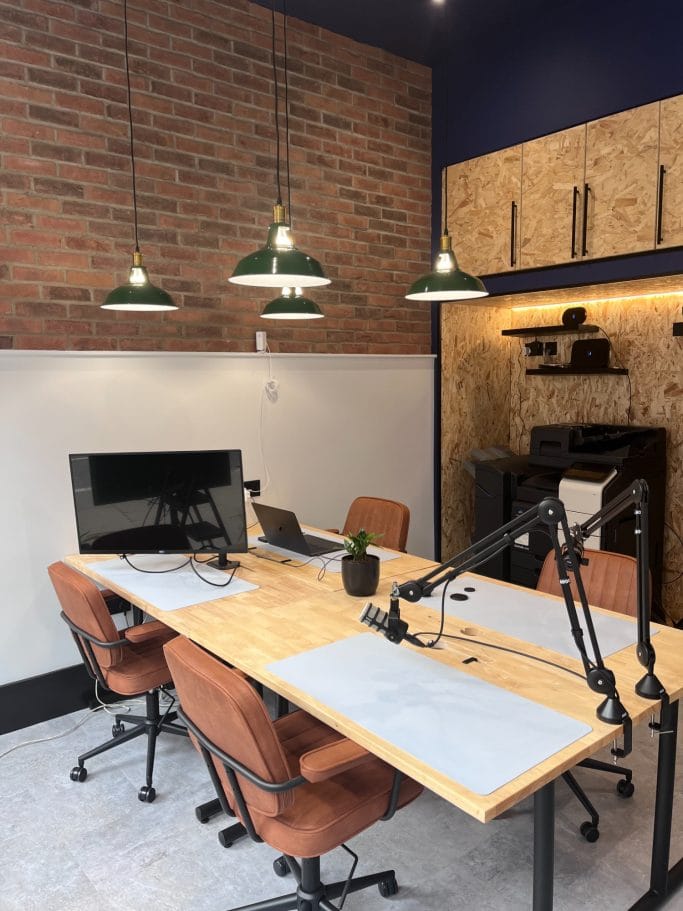
Inside Ipswich.co.uk's Upper Brook Street newsroom
The project showcased exactly why Jenny's corporate background has become her greatest asset. Creating a functional newsroom requires more than aesthetic sensibility; it demands coordination, communication and structured thinking. It also requires an innate understanding of how workspaces and workforces function.
Corporate skills, creative application
Jenny's project management and business analyst background has proven invaluable in ways that might surprise those outside the industry. "Interior design isn't just about creativity – it's about coordination, communication, and problem-solving," she explains.
The skills that have transferred most naturally include structured project planning to keep contractors, suppliers and clients aligned, clear documentation to produce contractor-ready drawings and specifications, and budget management to ensure designs are both beautiful and financially realistic.
"Stakeholder communication, adapting my language for clients, trades, and suppliers", has also been crucial, alongside "risk management, anticipating issues before they become problems."
"Those corporate experiences allow me to run projects smoothly and give clients a sense of confidence and clarity," Jenny says.
Building with intention
As the business grows steadily, Jenny is focusing on building strong foundations rather than chasing rapid expansion. "I've been using this early phase to take on a variety of projects, strengthen my technical skills, and create a clear, consistent design identity," she says.
One of the biggest challenges so far has been navigating the reality of running a business single-handedly – switching between designer, project manager, marketer and administrator. But that variety has also been rewarding. "I love the problem-solving side of design: taking a tricky layout or a tired room and transforming it into something that feels intentional, calm, and uplifting."
What motivates her most is witnessing the impact of thoughtful design. "Seeing how design can genuinely change the way someone feels in their home is what motivates me," she reflects.
Designing for real life
At the heart of Jenny's approach is a philosophy that sets her apart in an industry often dominated by trends and Instagram aesthetics. "I like to design spaces that can be truly lived in and enjoyed – spaces that suit the individual, feel personal and considered, and are created with sustainability and longevity in mind," she explains. "I'm less focused on trends and more interested in creating spaces that feel timeless, personal, and genuinely supportive of everyday life."
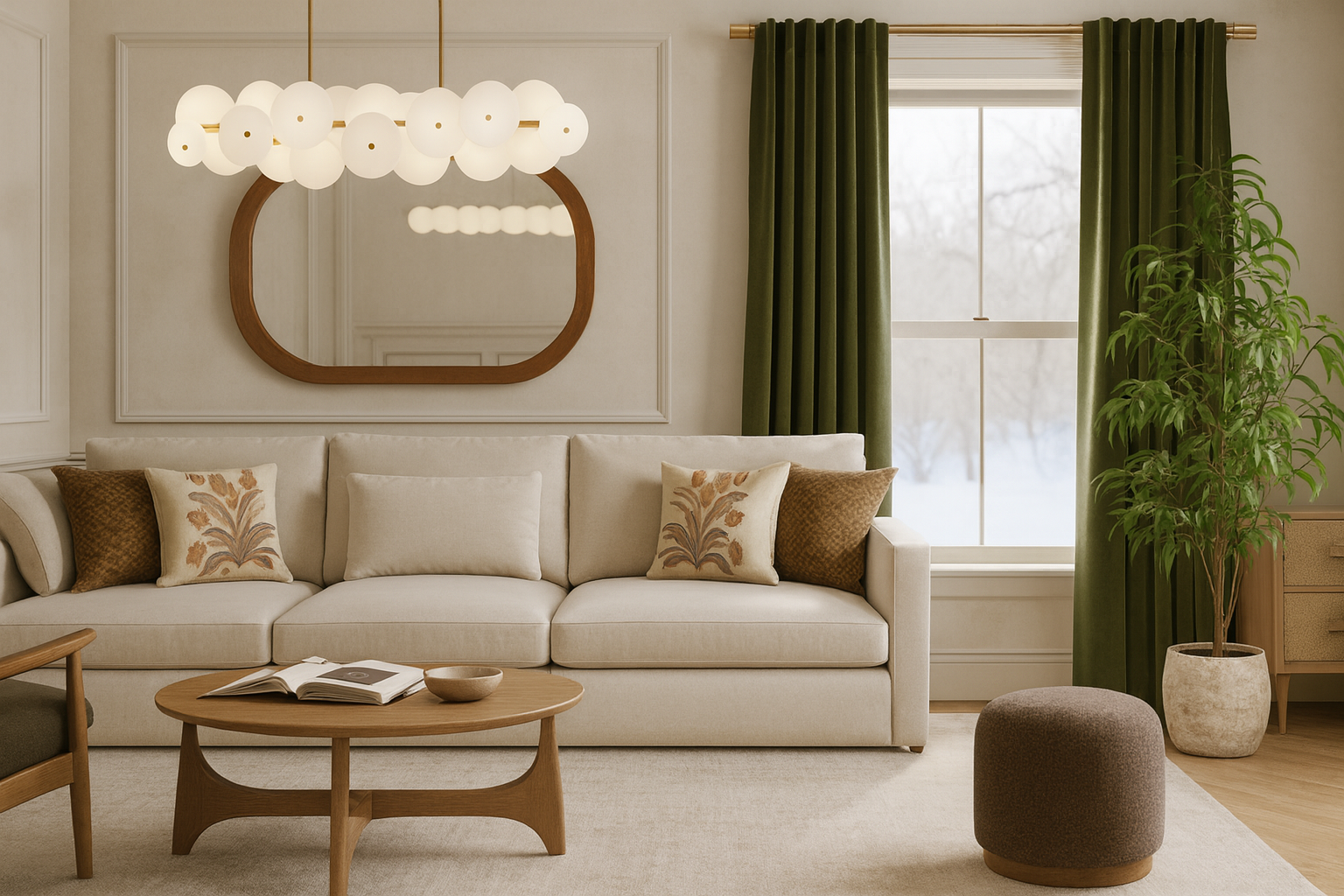
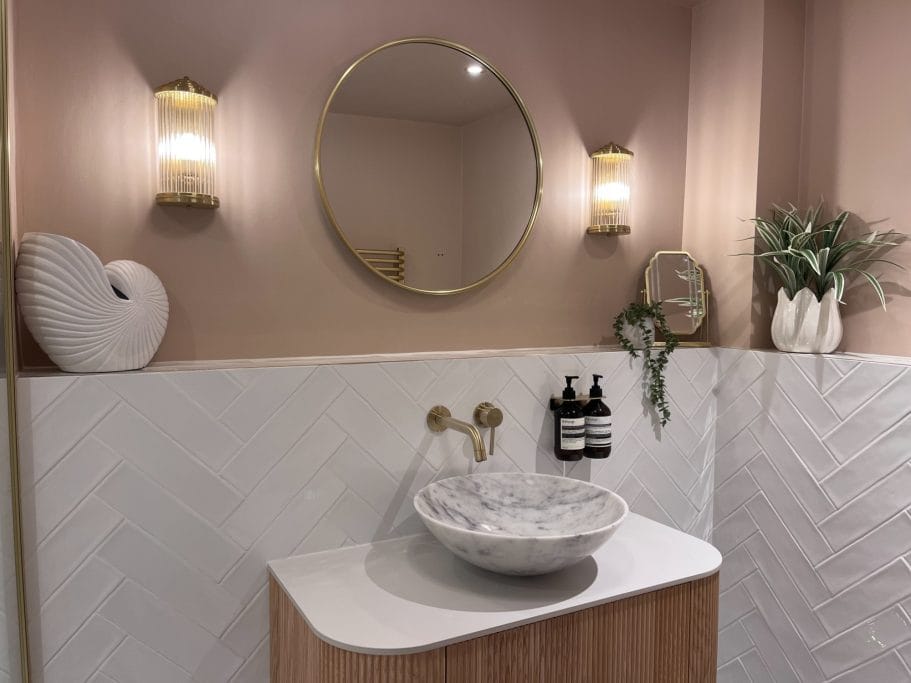
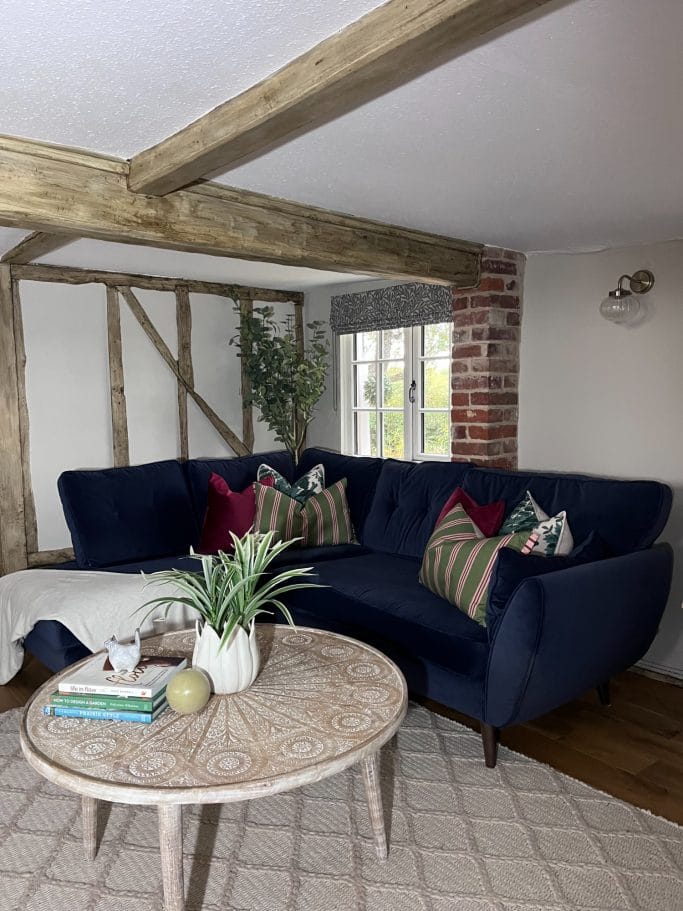
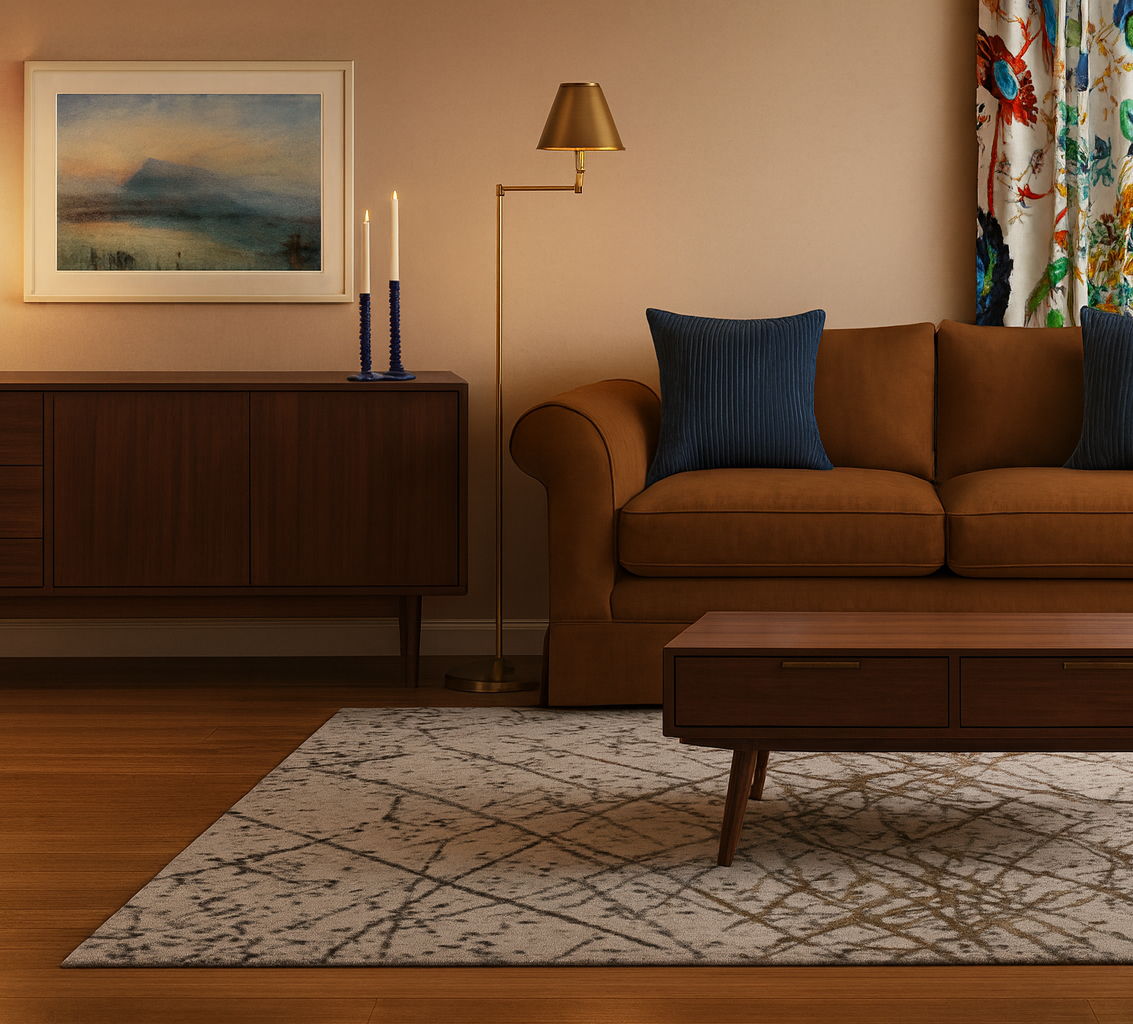
Examples of JC Interiors' work (Photos: JC Interior Design)
Sustainability is not an add-on but a core principle. "I believe every piece has a story and I delight in giving old items a fresh purpose and new life," Jenny says. Whether it is upcycling furniture, selecting eco-conscious finishes or designing for long-term comfort, her aim is to craft interiors that feel personal and purposeful without compromising the planet.
Her service offerings reflect this commitment to accessibility. Packages range from a £350 virtual design service – making professional design available to clients beyond Suffolk and Essex – through to full room redesigns at £850 and comprehensive multi-room transformations. She also offers commercial design services, with the Ipswich.co.uk newsroom serving as testament to her capabilities in that arena.
What does the future hold?
Looking ahead, her focus remains on organic growth – expanding her full-service design offering, building a trusted network of trades and collaborators, and continuing to refine the client experience. "I already offer a virtual design service, and I plan to keep developing that alongside my in-person work to give clients flexible, accessible options that suit different budgets and locations."
She's expanded the business with the launch of JC Property Staging, a new sister company that works with landlords to style empty properties, serviced accommodation and Houses of Multiple Occupancy (HMOs) to drive interest, increase bookings and support long-term financial performance.
The bottom line
Jenny's journey from financial project management to interior design shows that the most successful career changes do not happen overnight – they are built deliberately, with patience and purpose.
By stepping back completely to retrain, applying corporate discipline to creative work, and staying true to a philosophy that prioritises sustainability and real-life functionality over fleeting trends, she has created a practice that truly serves her clients. As her work becomes increasingly visible across Ipswich – from private homes to high street newsrooms – it is clear that sometimes missing your vocation in life simply means you are building towards it all along.
This article cost us ~£71 to produce
It's free for you to read thanks to the generous support of our partners. Please support us by supporting them. Alternatively, you can directly fund more journalism like this by becoming a member for just £4.75 per month. You'll get our best content delivered straight to your inbox before anyone else, and the option to discuss our reporting with our journalists.
Below the line