Why it matters: The decision means Suffolk will not join a growing movement to recognise rivers as having intrinsic rights, despite mounting public concern about pollution in local waterways.
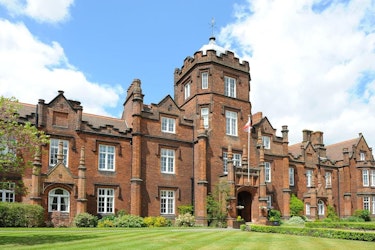
The details: Councillors voted down the motion on Thursday, 11 December, with 27 votes against, 18 for and seven abstentions.
The Universal Rights of Rivers approach would have given Suffolk's waterways legal protections, including:
The right to flow naturally and seasonally
The right to be free from pollution and contamination
The right to regenerate from environmental harm
The right to perform essential ecosystem functions
The motion also called for the council to work with local communities, river trusts, landowners and statutory bodies to improve protections and to press water companies for greater transparency.
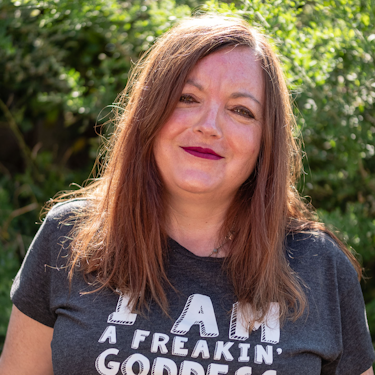
What they're saying: Cllr Ruth Leach, of the Green, Liberal Democrat and Independent Group, who proposed the motion, said: "By acknowledging the rights of Suffolk rivers today, we can begin to shift our relationship with them from exploitation to stewardship."
She warned councillors about the deteriorating state of Suffolk's waterways, with chemicals linked to cancer having been found in the River Orwell.
"It is a horrible picture and one that reflects an attitude that has treated rivers, and other natural assets as things to own, extract from and exploit, rather than ecosystems to steward," she said.
The other side: Cllr Richard Rout, speaking on behalf of the Conservative administration, said the motion had been brought with good intentions but stressed it would tie the council's hands "with poetry".
He argued the rights would turn farmers into "moral transgressors" with any measure altering the flow of the river.
"We seem to be taking a sudden and blanket approach, choosing poetic words over protecting our communities and agricultural industry," he said.
"Our rivers need investment [...] not ideology, and we protect them by enforcing the laws we have, not issuing supportive words we cannot enforce."
Cllr Debbie Richards, the deputy lead for archaeology, went further to brand the measures as "lazy virtue signalling".
She said: "At best, it does nothing and at worst, it would create legal uncertainty for planning and infrastructure."
Not all Conservative councillors were against the proposals, however, with Cllr Alexander Nicoll warning against "playing politics".
For context: Norwich City Council adopted the approach last month in relation to the River Wensum. Similar motions have also been passed in East Sussex and Hampshire.
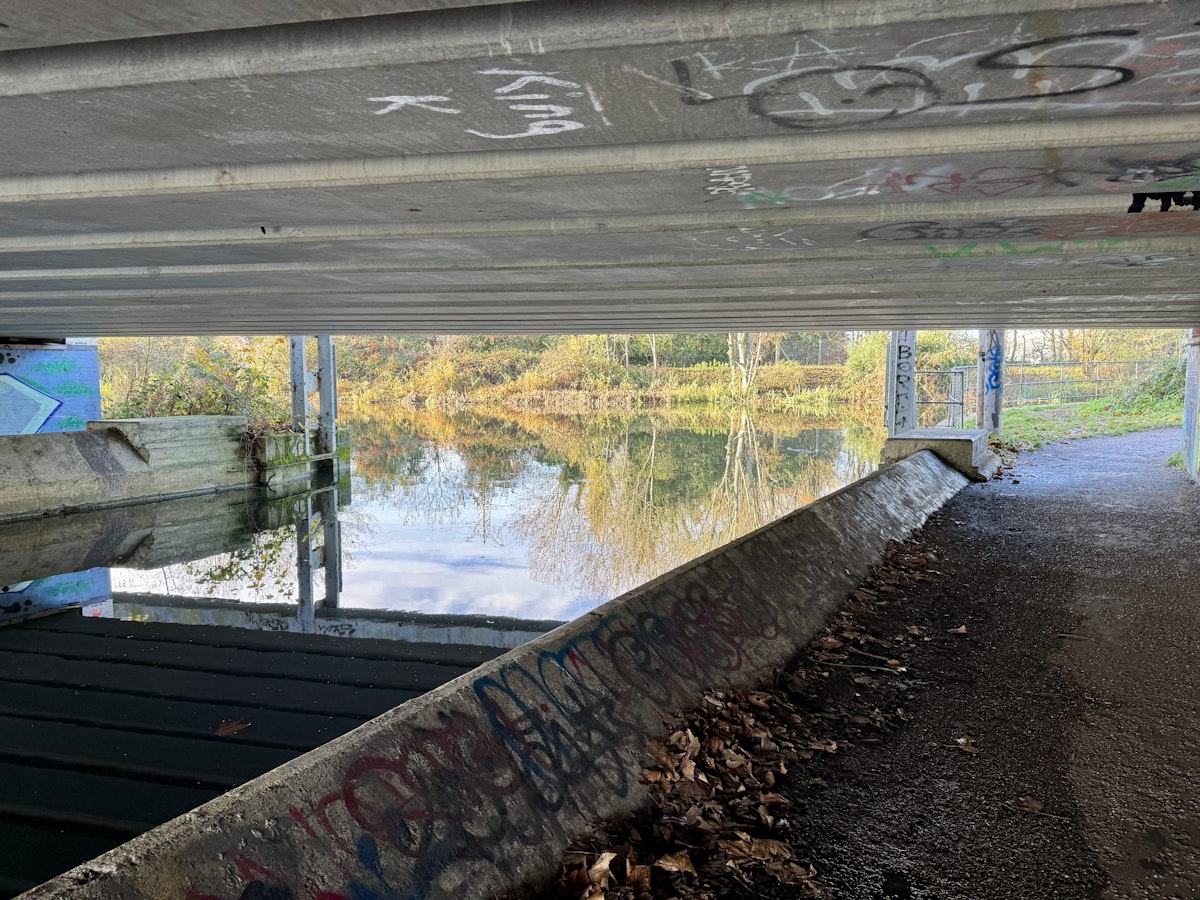
Many Suffolk residents have expressed concern at high levels of E.coli and other chemicals in the county's rivers, with citizen scientist groups undertaking testing and meeting with Anglian Water and the Environment Agency.
The Deben, Waveney, Stour and Blyth have all shown E.coli levels far above safe levels on occasion over the last few years.
Mystery pollution, such as the white foam with a chemical smell spotted in the River Gipping over the last couple of weeks, could affect the health of the river, the wildlife it supports and the enjoyment of it by Suffolk residents and visitors.
The bottom line: Suffolk County Council has chosen not to adopt the rights-of-rivers framework, with opposing councillors arguing it would create legal uncertainty despite supporters' claims it would help shift the county's approach from exploitation to stewardship of its waterways.