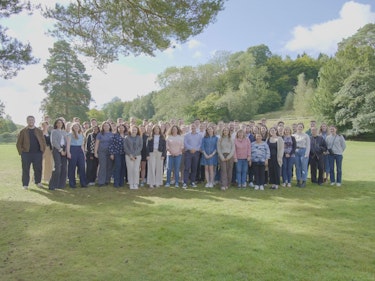
Why it matters: The 8 Primates Project has been shortlisted for the Regenerative Travel Impact Awards 2025 in the travel experience category, putting the spotlight on conservation work that has involved students from Ipswich.
The details: Launched by Rainforest Expeditions and Dr Mark Bowler from the university, the project uses bioacoustics, artificial intelligence and community engagement to record and safeguard species such as spider monkeys, howler monkeys and capuchins.
It has built a large library of primate vocalisation recordings and has expanded beyond its base in the Tambopata National Reserve to train locals in neighbouring communities in bioacoustics research and conservation.
Tourists at Rainforest Expeditions are active contributors to the conservation programme, which includes collecting primate audio recordings with directional microphones and documenting behaviour.
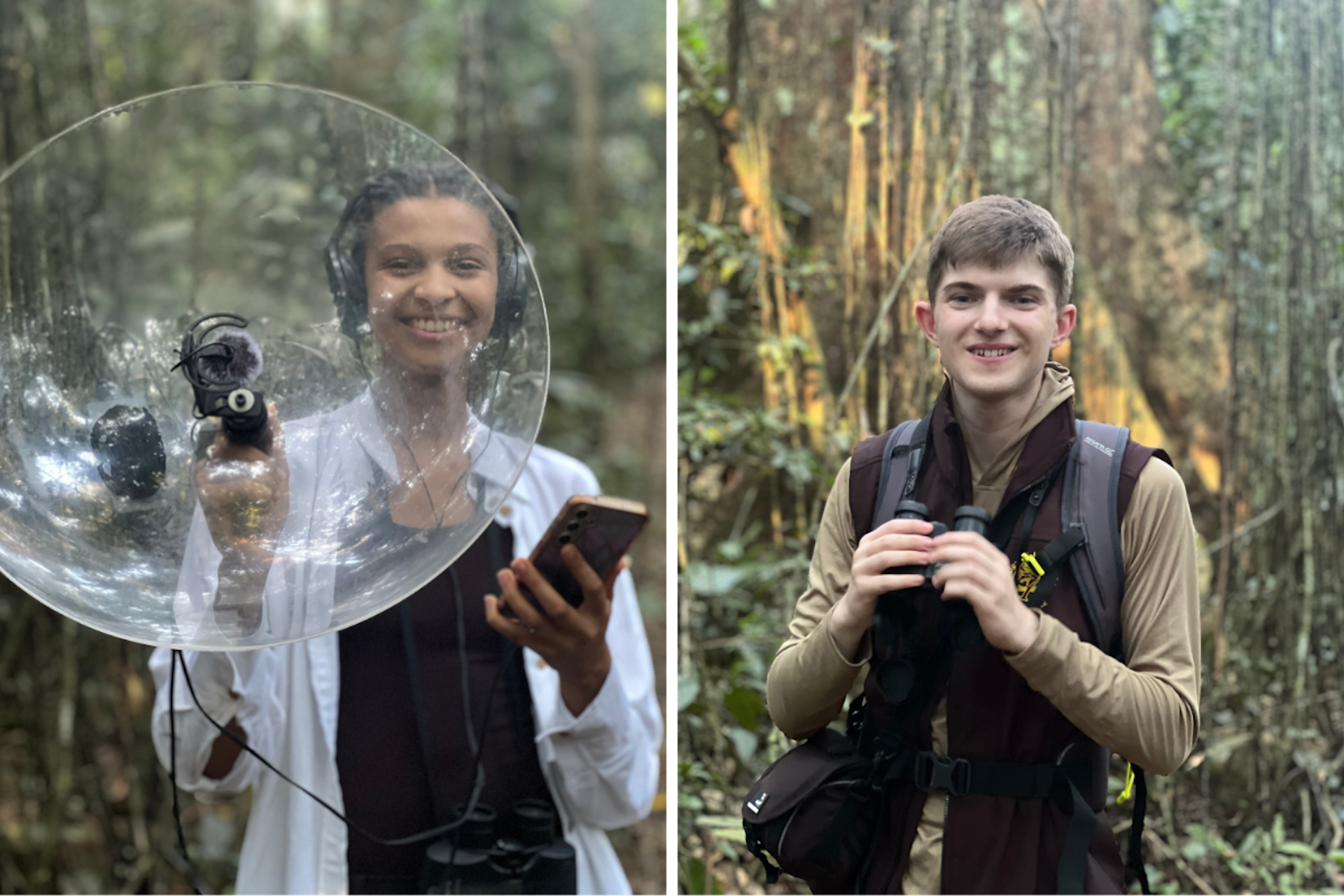
The bigger picture: Various undergraduate students from the Wildlife, Ecology and Conservation Science course have completed placements at the project, with current second-year students Dan Beckett and Leyla Huo the most recent to visit in the summer.
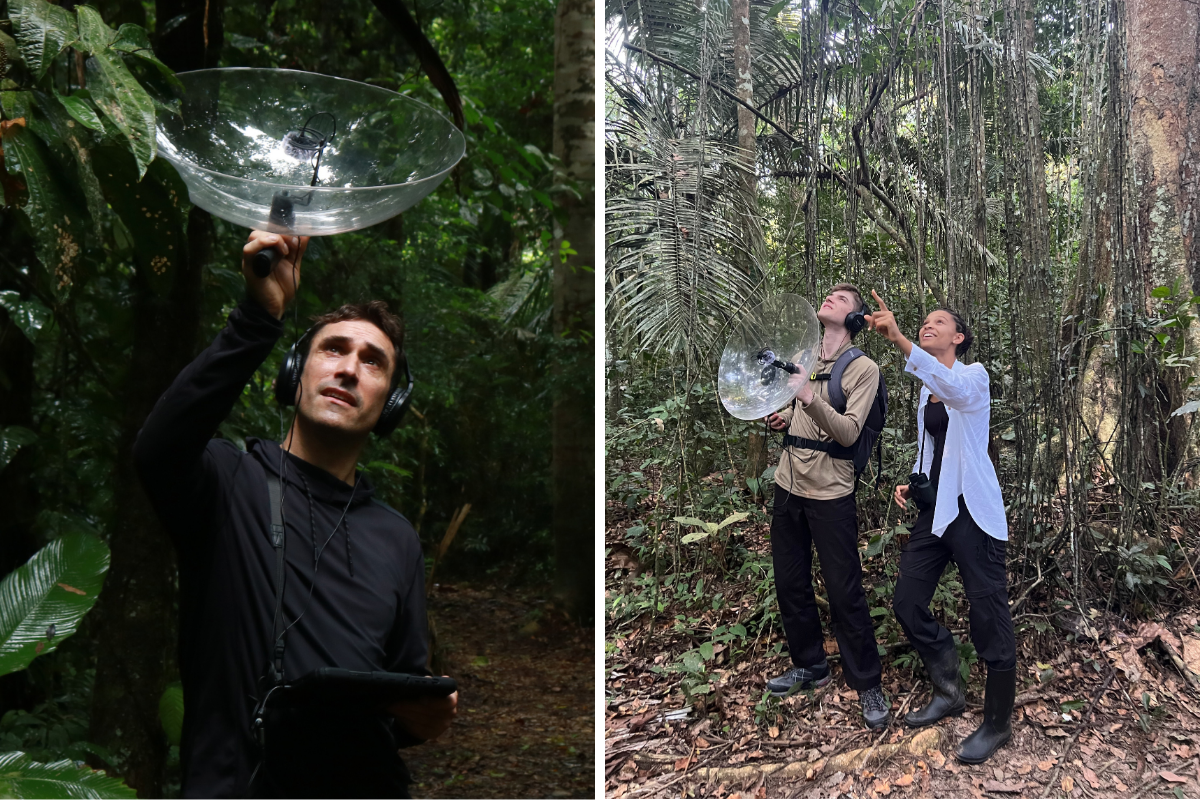
What they're saying: Their work included taking tourist groups into the rainforest to collect audio samples, analysing the recordings, and giving educational talks to visitors.
Leyla Huo said: "The experience that I had at the Tambopata Research Centre was incredible as it is one of the most remote ecolodges in South America, meaning I was able to fully immerse myself in nature and see the different biodiversity up close.
"I also had the opportunity to assist with the research for macaws and discovering new species projects, which allowed me to get a better understanding of how wildlife conservation practices should be managed. These activities really helped to expand my knowledge and get some hands-on experience in the field, making me better prepared for my next placements and future jobs."
Dan added: "It was a great experience. A lot of skills I was developing in the weeks running up to the placement, such as recognising different vocalisations, but visualising these with sonograms, which I've used to look at bat calls in the lab at university, was a good way to build on my existing skills.
"I've gained a new appreciation for many of the rainforest species, particularly the primates – there's something special about seeing them in person."
What's next: An optional primatology module planned for early 2027 will see 10 Suffolk students study bioacoustics and conservation at the project.
Meanwhile, Borislava Gacheva is a PhD student whose fieldwork uses the recordings to help build AI algorithms to detect sounds in audio surveys which helps determine which species are present.
Dr Mark Bowler, course leader for the Wildlife, Ecology and Conservation Science course at the University of Suffolk, and principal investigator and project leader at the 8 Primates Project, said: "It's fantastic to see the hard work of our team and volunteers in Peru, and our students that have worked on the project, recognised with this award shortlisting.
"The 8 Primates Project allows citizen scientists to make a meaningful contribution to conservation in a practical and sustainable way, and our students get the opportunity to put into practice the skills they learn in the classroom to help protect these hugely important species."
Winners for the awards are announced on Monday, 22 December.
The bottom line: The shortlisting recognises conservation work in the Peruvian rainforest that has provided University of Suffolk students with hands-on experience in wildlife protection while helping safeguard important species.