
'Super-rich will avoid it': Local finance experts warn honest families will bear Budget burden
Accountants, solicitors and financial advisers across Suffolk warn that the super-rich will avoid tomorrow's Budget tax burden, while families who have saved diligently will be penalised.


Nick Hampton, director at RSZ Accountancy, delivered a blunt assessment of who will ultimately pay. "Whatever is brought in at the Budget, the super-rich will find a way to avoid or evade, and the honest, hardworking families will be hit once again."
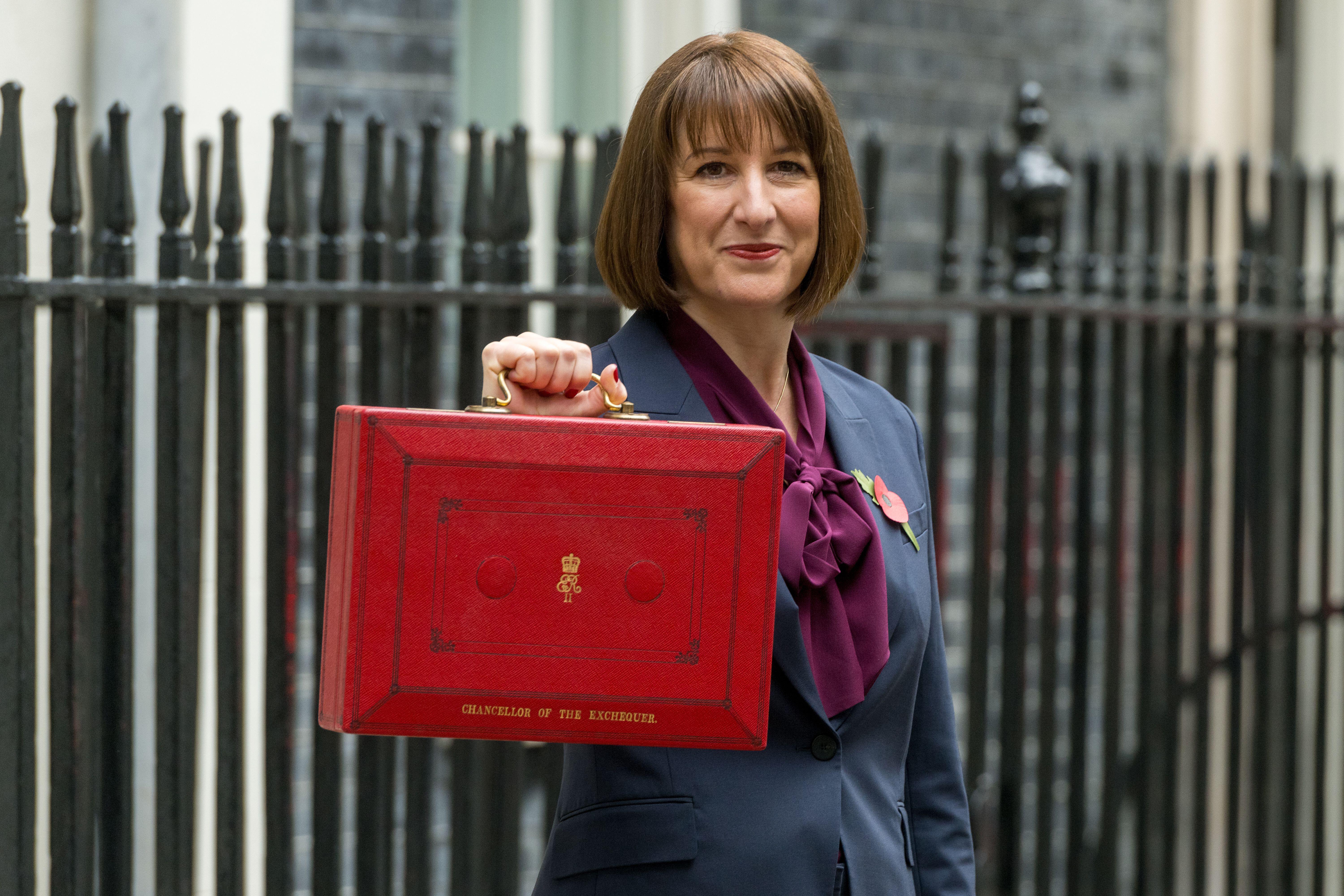
Chancellor Rachel Reeves delivers her Autumn Budget tomorrow, facing a £20 billion fiscal hole. Proposed measures include a potential tax raid on limited liability partnerships and changes to inheritance tax treatment of pensions from 2027, both of which directly affect Suffolk's legal and financial professionals and their clients.
Leading experts in Ipswich say three months of speculation and U-turns have done more damage than any single policy measure. Suffolk's law and finance sector – which underpins property transactions, business formations and intergenerational wealth transfer – now faces what they describe as mounting instability, driving some clients to explore overseas alternatives.
'Super rich will evade, families will pay'
Hampton said the Budget process has been "so filled with speculation, U-turns and misinformation" that it has moved markets and left businesses unable to plan with confidence. From council tax rumours to talk of a "milkshake tax", the uncertainty alone has been enough to unsettle gilt markets. Small business owners feel "plundered once again", he added.
Robert Gaffer, director at Woodstone Funding, which provides business finance across the region, said lending activity has fallen dramatically since the election. "I have not seen business this quiet since the crash in 2008," Gaffer said. "All businesses seem to be very concerned about the further potential of taxes and are not willing to invest until they know to what extent the Budget will affect them."
"The lesson to be learnt from the last Budget is that increases have actually seen things get worse," Hampton added. Clients want politicians to "tighten their belts as we do, rather than expecting customers to keep paying more."
Local law firms brace for potential tax raid
Proposed changes to partnership tax rules could raise £2 billion nationally from 190,000 solicitors, accountants and GPs. Originally expected to subject partners to the full employer national insurance rate of 15 per cent, recent reports suggest the Treasury may now introduce a lower rate or potentially abandon the policy altogether.
Right now, partners are treated as self-employed: they pay income tax and their own national insurance but don't face the extra 15 per cent employer levy that businesses pay on staff wages. Any change – even at a reduced rate – would mean thousands of pounds in extra costs for each firm. Practices would have to absorb the hit, pass it on in higher fees, or restructure entirely.
Nick Attwell, chief executive of Attwells Solicitors and head of corporate law, said the government is "confusing small and medium-sized law firms – where the members take the same risk in just the same way as any other self-employed person – with huge international law firms where the risk is not the same."
Guy Longhurst, managing partner at Ellisons, warned that the legal sector has already been unsettled by private equity investment. "Adding extra tax burdens onto LLPs now could make it harder for firms to invest, hire and grow," Longhurst said. "We need a model that supports firms rather than placing more hurdles in the way."
Suffolk firms worry that even a scaled-back version would undermine the region's ability to retain legal talent. If regional firms cannot compete with City salaries whilst absorbing additional costs, young solicitors may gravitate toward London – draining expertise from the county and weakening the professional services base that underpins the local economy.
Attwell said the broader mood among business owners is one of resignation as Budget Day approaches. "This Budget must not be another tax on business – confidence is what drives growth," he said.
Surge in pre-Budget wealth planning
Financial advisers and solicitors across Suffolk report a surge in defensive wealth planning as families brace for Wednesday's Budget. Some clients are even considering moving money abroad in search of more predictable tax regimes.
Families at every level are taking defensive steps. Some are cashing in part of their pensions early to lock in today's tax rules, business owners are reorganising their assets to avoid bigger capital gains bills, and wealthier clients are revisiting offshore options that haven't been used widely for years.

Nicola Weldon, partner and head of private client at Ellisons, said there is "definitely a sense of uncertainty this year, especially after the latest U-turn on income tax. That uncertainty makes people cautious, and some clients are even looking overseas for more stable tax regimes."
The concern is not theoretical. Business Secretary Peter Kyle admitted on Monday that Labour's tax changes have prompted an exodus of wealthy Britons, with Henley & Partners estimating that 16,500 millionaires will leave the UK this year – the fastest rate of any country in the world.
"The possibility of more change has pushed some clients to act sooner than they normally would, particularly when passing assets to the next generation," Weldon said. "We're also seeing investment advice shift quite noticeably. Strategies that once focused on building pensions for inheritance tax reasons now look very different."
Steve Buckle of Ashworth Financial Planning said the surge has been driven largely by proposed changes to inheritance tax treatment of pensions from 2027. "We've seen families withdrawing funds from pensions and gifting them directly to children or into trusts," he said. Clients with larger pension pots are using the funds to purchase holiday homes or make gifts to children.

Farida Rouane, director at Upside Finance, said estate planning conversations have intensified. "The one measure that would restore confidence is stability. A commitment to a five-year freeze on core rates and allowances for pensions, ISAs and capital gains tax would do more for confidence than any single tax cut. Certainty is worth more than a few percentage points either way."
Louise Gladwell, a financial planner at Kingsfleet, said good financial planning is built to support people through moments of uncertainty. "We're keeping a close eye on developments and will be ready to explain what any changes may mean for our clients and their financial future."
The bottom line
With just one day until the Budget, Suffolk's legal and financial professionals are clear: the families who have saved diligently and followed the rules should not be the ones penalised to fill fiscal holes. The super-rich will always find sophisticated ways to minimise their exposure. It is middle-income families who bear the burden when rules change constantly.
Whether the LLP tax changes proceed at full rate, reduced rate, or not at all, the months of uncertainty have already damaged business confidence. If wealth planning instability continues, the region risks losing client capital that underpins the local economy.
Whether Rachel Reeves delivers stability on Wednesday will determine not just the immediate Budget reaction, but whether the region's professional confidence erodes for years to come.
This article cost us ~£80 to produce
It's free for you to read thanks to the generous support of our partners.
Below the line