Why it matters: The proposed rise – comprising a 2.99% general increase and an additional 2% for adult care – would generate an extra £27.4 million, according to the council, to help protect essential services while managing rising costs and growing demand for social care.
The details: Under the proposals, households would see the following changes to their county council portion of council tax:
Band A: Currently £1,099.62 per year. Will increase to £1,154.48 per year – an increase of £54.86 per year (£1.05 per week)
Band B: Currently £1,282.89 per year. Will increase to £1,346.89 per year – an increase of £64.00 per year (£1.23 per week). Band B properties are the most common in Suffolk
Band C: Currently £1,466.16 per year. Will increase to £1,539.30 per year – an increase of £73.14 per year (£1.41 per week)
Band D: Currently £1,649.43 per year. Will increase to £1,731.71 per year – an increase of £82.28 per year (£1.58 per week)
Band E: Currently £2,015.97 per year. Will increase to £2,116.53 per year – an increase of £100.56 per year (£1.93 per week)
Band F: Currently £2,382.51 per year. Will increase to £2,501.35 per year – an increase of £118.84 per year (£2.28 per week)
Band G: Currently £2,749.05 per year. Will increase to £2,886.17 per year – an increase of £137.12 per year (£2.64 per week)
Band H: Currently £3,298.86 per year. Will increase to £3,463.42 per year – an increase of £164.56 per year (£3.16 per week)
The big picture: The council says the £850 million plan aims to safeguard frontline services, support the most vulnerable, and invest in Suffolk's future despite rising costs, growing demand and shortfalls in national funding. Key elements include:
Savings and efficiencies: The council says it will deliver £46.5 million of savings through service transformation and efficiencies, including a temporary reduction in employer pension contributions made possible by the strong position of the council's pension fund
Rising financial pressures: The council says increasing demand, particularly for adult and children's social care, will add £32.2 million in costs, alongside continued pressures from the Dedicated Schools Grant deficit
Reserves: The council says a one-off use of reserves will bridge a £5.9 million funding gap, while keeping reserves above the minimum level needed to manage financial risks
Capital investment: The capital programme has been shortened from four years to three, ahead of local government reorganisation in 2028. The council says it continues to fund essential projects like school expansions and infrastructure upgrades, as well as new schemes such as improvements to bus services, public rights of way, and cycling and walking infrastructure.
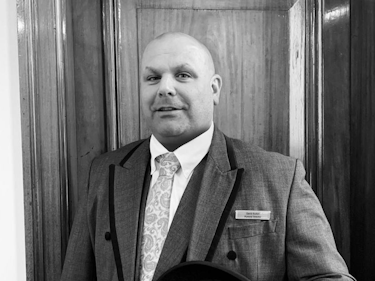
What they're saying: Cllr Richard Smith MVO, Suffolk County Council's deputy leader and cabinet member for finance, economic development and skills, said: "This is a responsible and realistic budget with a clear purpose: to protect what matters most while making targeted investments in Suffolk's future."
"We have proposed a Council Tax increase as part of this budget, and that proposal will be debated in February. It is important to be clear that the government's provisional finance settlement assumes that councils will raise Council Tax by the maximum permitted each year, leaving local authorities with limited options if essential services are to be maintained," he added.
What's next: Councillors will consider the plans at a scrutiny meeting on Tuesday, 13 January 2025, which will be streamed live on the council's YouTube channel. The final budget will be agreed by all county councillors at a full council meeting on Thursday, 12 February 2025.
The bottom line: Suffolk County Council says the maximum council tax increase is necessary to maintain services, but the final decision rests with councillors who will vote on the budget next month.