“Everyone’s only one or two life events away from being a Dora family.”
That line stuck. And it rings true. Because what Dora Brown is doing across Ipswich and Felixstowe isn't just about tidying homes, it's about restoring dignity, reducing risk, and offering a reset.
The small Suffolk charity, founded during lockdown and now entering a growth phase, has helped more than 60 families reclaim their homes from chaos in just over two years. Behind every shift is a team of volunteers, a family in need of support, and a lot of compassion.
It started with a whirlwind
"Rebecca and Sasha started Dora as a CIC. The idea was that paid work doing styling and decluttering would fund the charitable work. But it quickly became clear that what they wanted to do – and what the need was for – was the charitable work."
That's Jo Revett, the charity's first paid member of staff. She joined in 2022 after spotting Dora Brown on Instagram during the pandemic. "I remember saying to my husband, 'If a job ever comes up at Dora, I want it.' And then one did."
She applied. She got it.
A reset, not a rescue
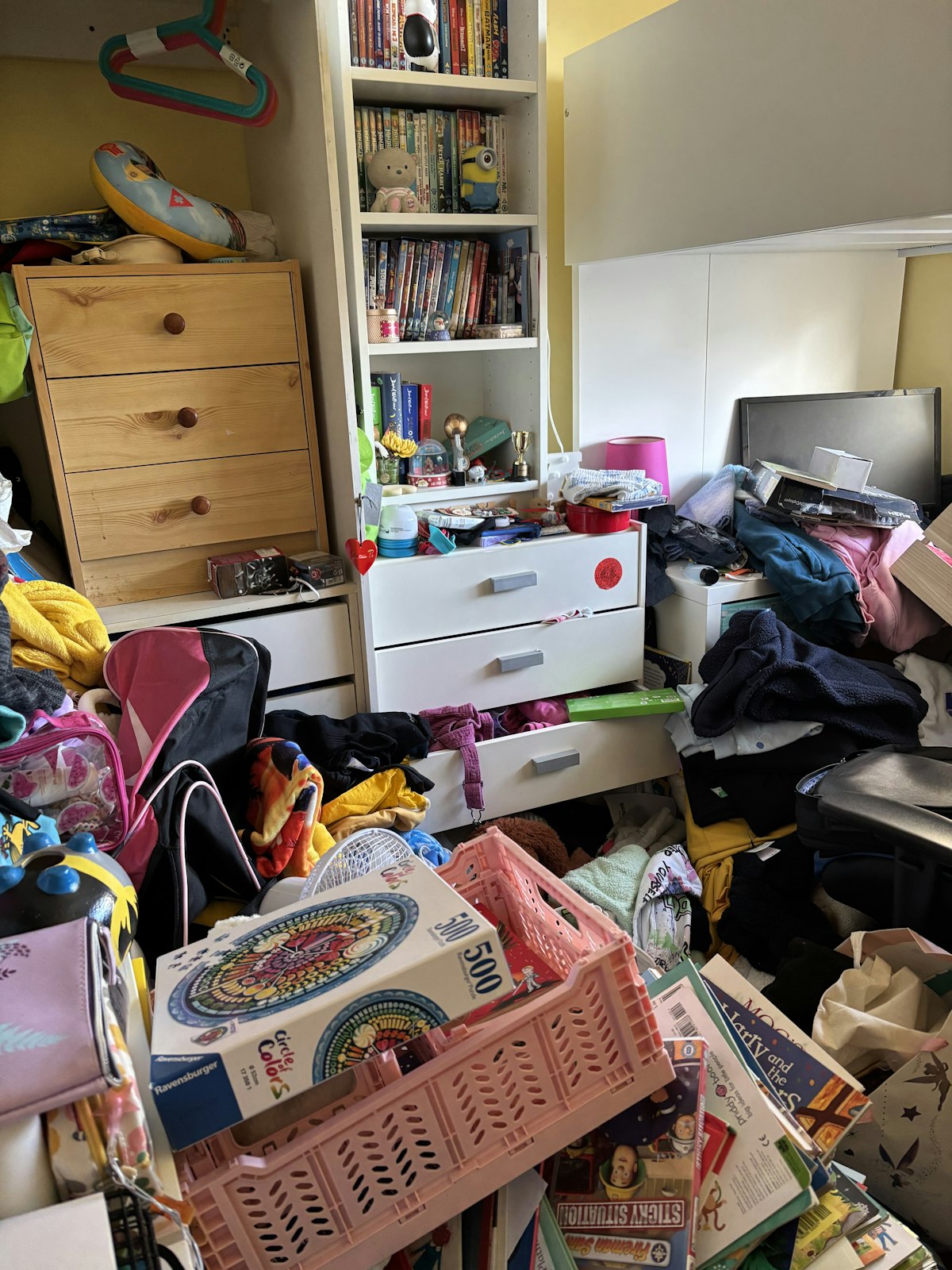
Each Dora Brown shift looks different, but the principle remains the same: work with families to tackle overwhelming home environments, without judgement.
"It is a brave thing to let Dora into your home," Jo says. "That's your safe space, your stuff. We're not here to assess you. It's voluntary. We're just here to help."
Families are typically referred by health visitors, schools, social workers, or other frontline services. Sometimes it's a self-referral. Sometimes it's a grandparent worried about a grandchild. Dora Brown works specifically with families with children under 18 (or up to 25 with additional needs) across Ipswich, Felixstowe and surrounding areas.
The criteria? "Essentially, it's about need. If someone could afford to pay for this service, they're not the right fit. There are companies that we could point you to if you needed help, but could afford a professional service. But if they're in receipt of financial support, overwhelmed, and need help to get back on top of things, we're here."
Behind the scenes
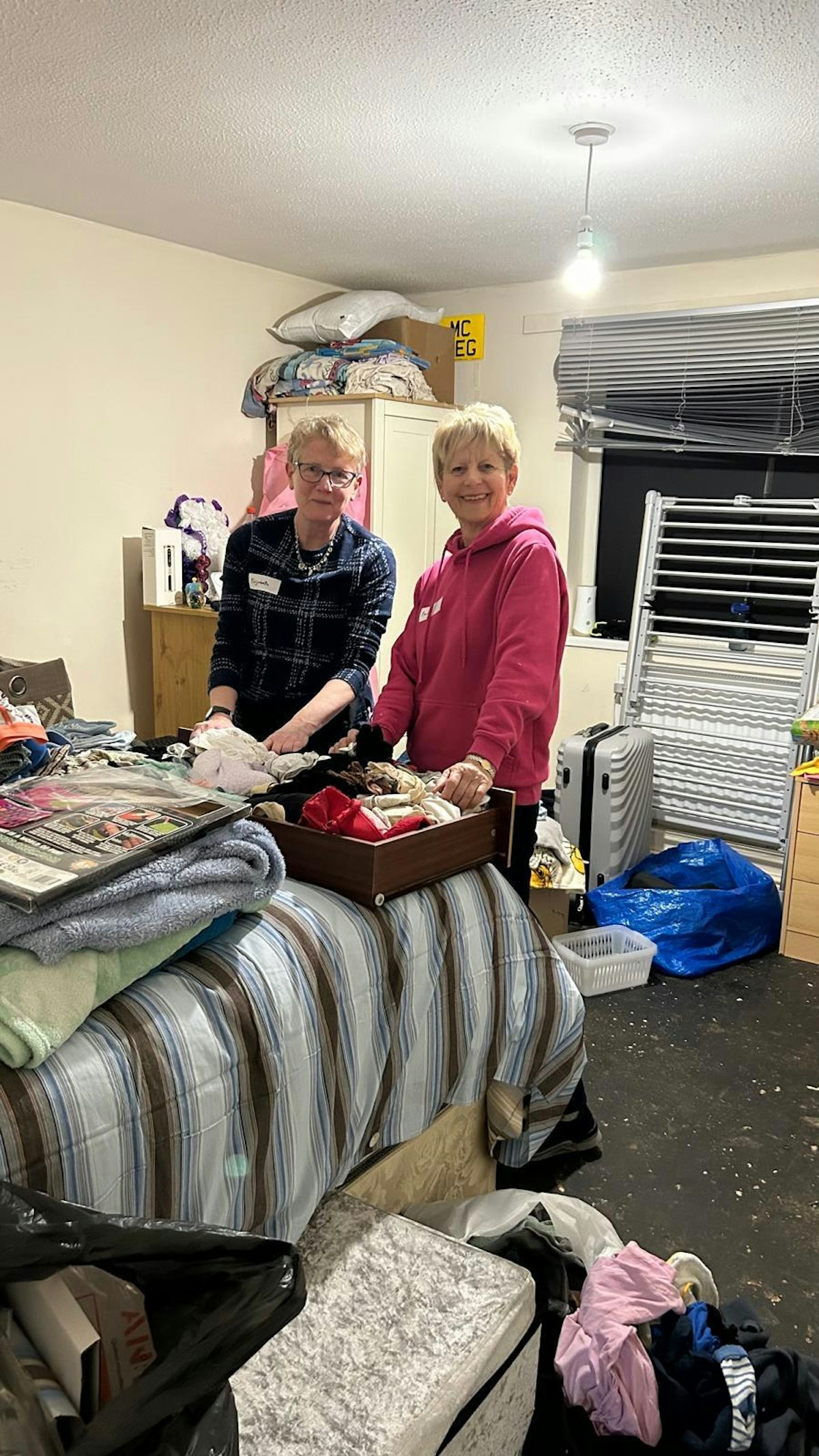
A shift typically runs 09:30 to 14:00. Volunteers clear rooms, sort items, organise, clean, and restore sleeping arrangements. There is often donated food from Two Magpies, Chestnut & Rose, and Applaud to keep everyone fuelled.
"We always make sure every family member has a bed," Jo says. "You'd be surprised how often we find kids sharing, parents on sofas. We will address that as a priority."
Some homes require multiple shifts. Others need specialist support. The team are working with Hoarding Disorders UK this year to offer better long-term guidance.
The power of a drawer label
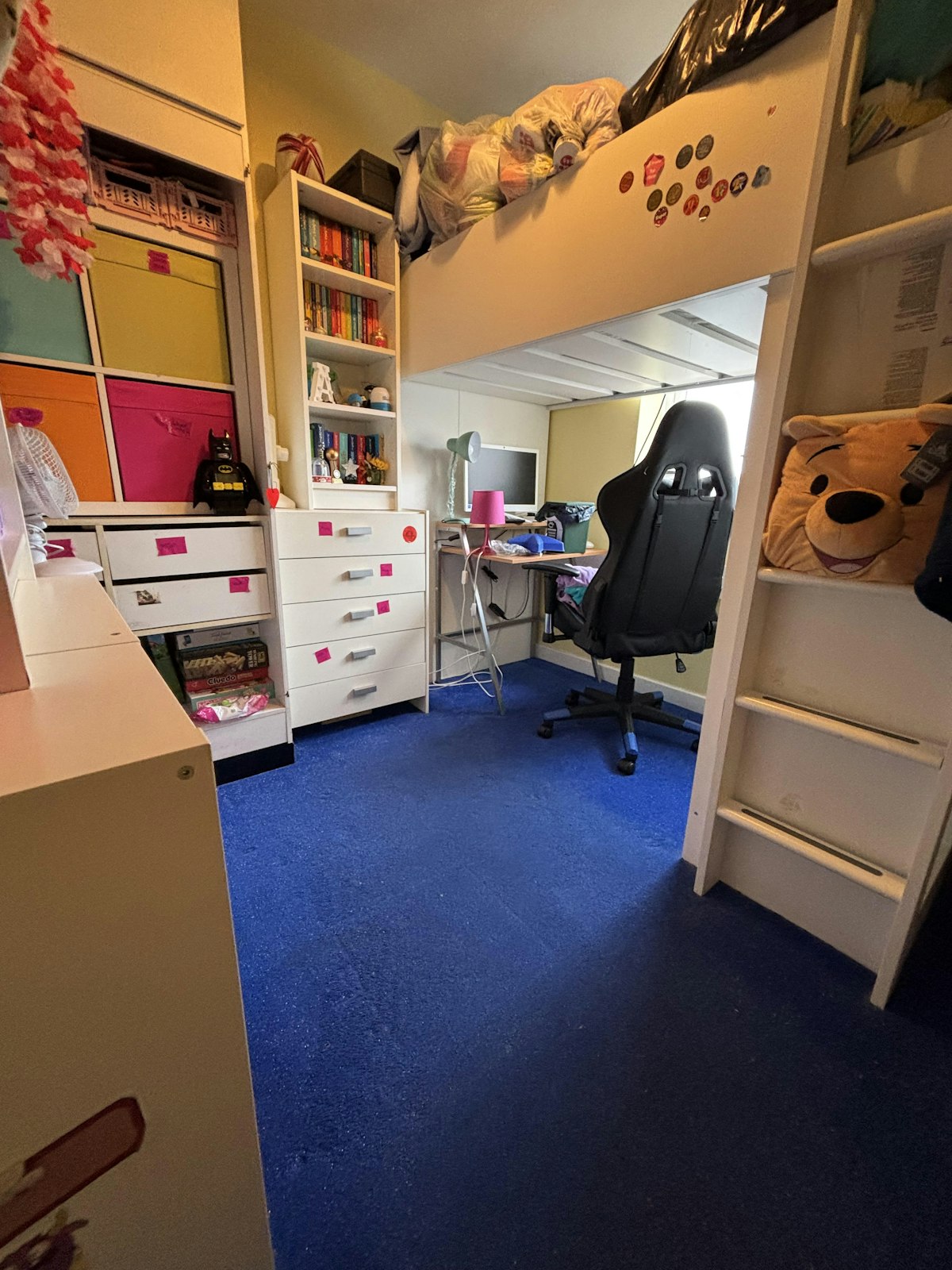
"There was one little boy," Jo recalls, "we labelled up his chest of drawers, and his mum said he was so excited. He always wants to put stuff away now."
Those small moments add up. Dora Brown is trying to break cycles, not just clean houses. "We don't judge if it gets messy again. Sometimes life spirals. Sometimes a reset is enough. Sometimes it isn't. Either way, we've made a difference."
The charity holds feedback events twice a year. "Twelve families came last year. Every single one said they could now have friends and family round. That's massive."
One parent said, "It is so much easier to walk around the house and not feel you're drowning. I am now looking forward to go home. So do the kids. We do get toys out now and play on the floor."
Another shared: "[My son] really used to struggle with getting rid of things, even with broken toys he gets quite emotionally attached to them. But now if something will break, he doesn't like it, but he will be like 'well, I suppose we've got to throw that out'. One day when he has his own home, he'll be able to have that ability to let go of things."
And simply: "It went beyond my expectations. They did more for me and my family than I thought they would. I will be forever grateful."
Volunteer-run, community-built
Cass, a long-time volunteer, calls it "the most rewarding thing I've ever done."
"It hits differently," she says. "In schools you see the impact on a child. Here you see it on the whole family."
Cass joined after spotting Dora Brown on Instagram and has since worked on everything from reconnecting families with space to removing a fridge left unplugged for three months. "It wasn't pleasant. I think I was chosen because I had a strong stomach – but that nearly got me."
She's also found it personally transformative. "It's made me hold onto less. I value things differently now. You learn how easily life can spiral. Behind every door is a story you might never expect."
The culture of volunteering is flexible and welcoming. "You can dip in and out. No pressure. And that's why we keep people."
Not a sticking plaster
But as Cass and other volunteers have learned, the work goes deeper than clearing clutter. Housing instability comes up a lot. So does poverty, neurodivergence, grief, and exhaustion. Jo is clear-eyed about the scale of it.
"We know we're not solving everything. We're not tackling the root causes. But we're doing what we can with the capacity we have. And often, that's enough to help shift things."
She's keen to build more follow-up into their offer: supporting white goods purchases, walking someone to a toddler group for the first time, helping navigate wider support systems.
Why this matters
More than 1.4 million children in the UK are growing up in homes that are overcrowded, temporary, or unsafe, according to Shelter. In England alone, one in ten children lives in overcrowded housing. Studies have shown that poor housing conditions can significantly affect children's development, mental health, and long-term outcomes.
Charities like Dora Brown are quietly stepping into gaps once filled by state services. They aren't just donating beds – they're restoring basic dignity, safety, and hope.
The bottom line
Right now, Dora Brown is looking to expand its reach. The charity needs more referrals from frontline workers, more volunteers, particularly from Ipswich, and additional in-kind support with everything from tech to marketing.
"We want people to know they're not alone," Jo says. "Everyone deserves to feel safe and proud in their own home. That's what drives us."
There are Dora families in every town. For now, this charity is focused on serving its corner of Suffolk well. But the impact already ripples wider.