Why it matters: The funding disparity highlights how different communities have been prioritised under the scheme, with Ipswich receiving a one-off payment through the Pride in Place Impact Fund while neighbouring areas benefit from long-term investment through the main programme.
The details: Under the government's £5 billion Pride in Place initiative announced today, Ipswich will receive £1.5 million over two years to support improvements to community spaces, high streets and public areas. However, five other Suffolk neighbourhoods will receive substantially more funding:
Lowestoft Central (East Suffolk) - up to £20 million over 10 years
Felixstowe West (East Suffolk) - up to £20 million over 10 years
Lakenheath (West Suffolk) - up to £20 million over 10 years
Bowthorpe & West Earlham (Norwich) - up to £20 million over 10 years
Heartsease & Pilling Park (Norwich) - up to £20 million over 10 years
The big picture: The Pride in Place programme targets 339 "overlooked" communities across the UK, with 169 areas receiving £20 million over a decade and 95 places getting one-off payments of £1.5 million. Areas were selected based on rankings using the Index of Multiple Deprivation and Community Needs Index.
Unlike previous levelling up schemes, councils will not need to bid for the money. Instead, spending decisions will be made by community groups, local organisations and social clubs working with their local authority.
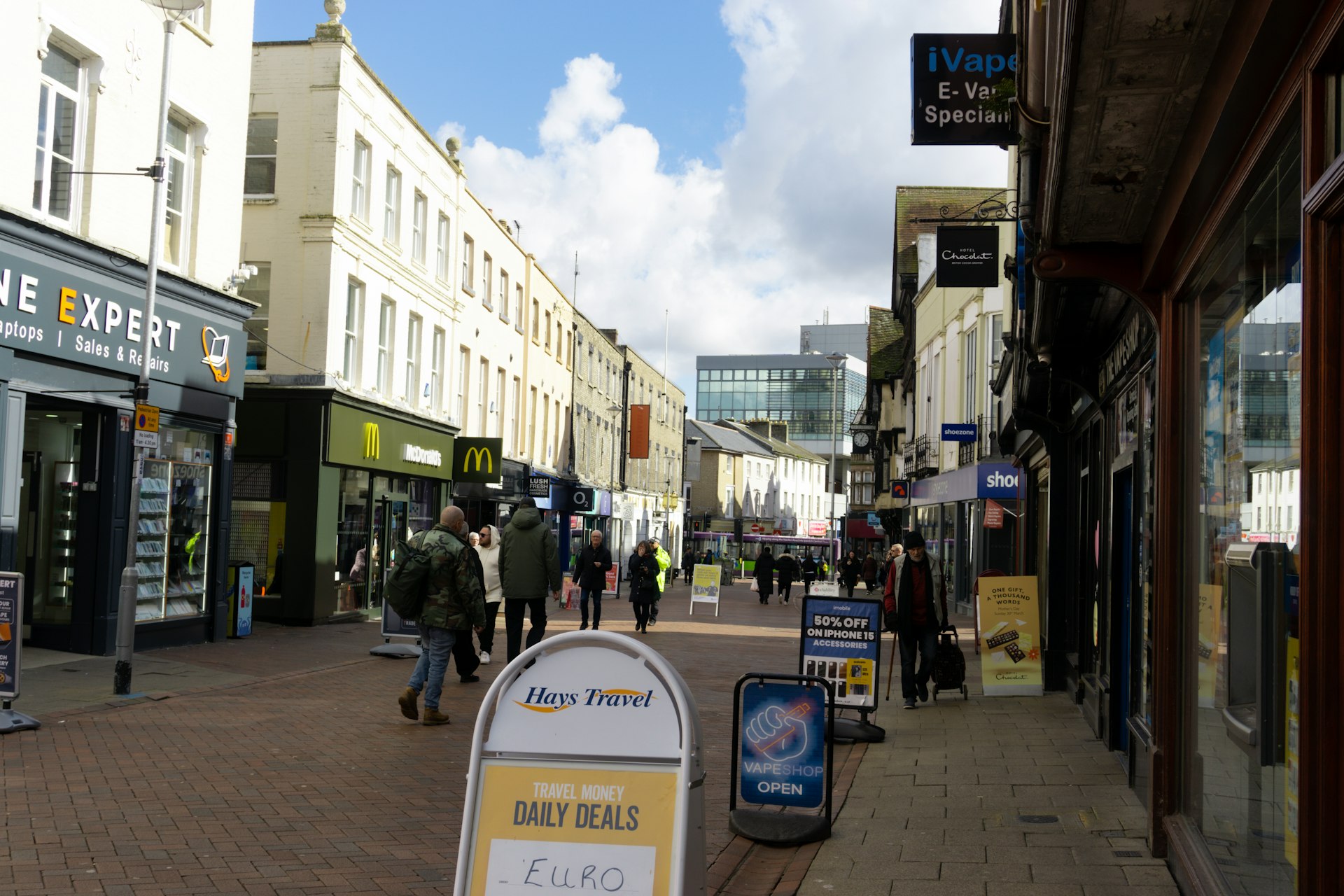
What's new: As part of the programme, councils across England and Wales will be encouraged to use new powers to block "unwanted" betting and vaping shops, along with "fake" barbers. The National Crime Agency has recently launched a crackdown on barber shops suspected of being fronts for international crime gangs, which use the businesses for money laundering.
The government said communities could use the funding for projects including tackling littering and graffiti, building sports grounds, or repurposing empty buildings into health centres or housing.
What they're saying: Sir Keir Starmer said the investment represented a "huge investment" where those who "know their communities best" would decide how money would be spent.
Councillor Neil MacDonald, the leader of Ipswich Borough Council, said: "I am delighted that Ipswich is one of the 95 areas to receive a share of £150 million capital funding that is intended to support the development of shared spaces, revitalise local high streets and improve public spaces. The £1.5 million awarded to Ipswich will be put to good use and the Borough Council will consider how it can be best used in Ipswich."
Patrick Spencer, MP for Central Suffolk and North Ipswich, said: "The Government's funding allocation of £1.5m for Ipswich via its Pride of Place programme is meek, particularly when compared to the allocations for neighbouring parts of the county (Felixstowe and Lowestoft could get up to 13 times that amount) and compared to the £25m which was allocated to Ipswich Borough Council under the previous Government."
He added: "That said, we must welcome any money invested by the Government here in Suffolk, but in my view announcement still doesn't bode well for the sense many of us have that this Government doesn't take our county town seriously. We still await funding for the universally supported upgrades to the Haughley and Ely rail junctions and until we get this over the line, then I fail to be convinced that this Government recognises the economic importance of the East of England at all."
Conservative shadow communities secretary Sir James Cleverly said the money would be "dwarfed" by tax rises.
Ipswich MP Jack Abbott was approached for comment but opted not to respond.
For context: The announcement forms part of Labour's attempt to tackle the electoral threat posed by Reform UK, which some in government believe is partly driven by a loss of pride in local areas. The money includes spending announced earlier this year, which saw £1.5 billion pledged to 75 of the "most deprived" areas in the UK.
The bottom line: While Ipswich secures some funding to improve local spaces, the significantly smaller allocation compared to neighbouring areas raises questions about how the government has assessed different communities' needs under its flagship Pride in Place programme.