Why it matters: The port declined to answer questions about whether expanding autonomous operations will result in job losses, what consultation took place with unions or staff representatives, what the investment cost is, or whether there have been any safety incidents involving the existing fleet.
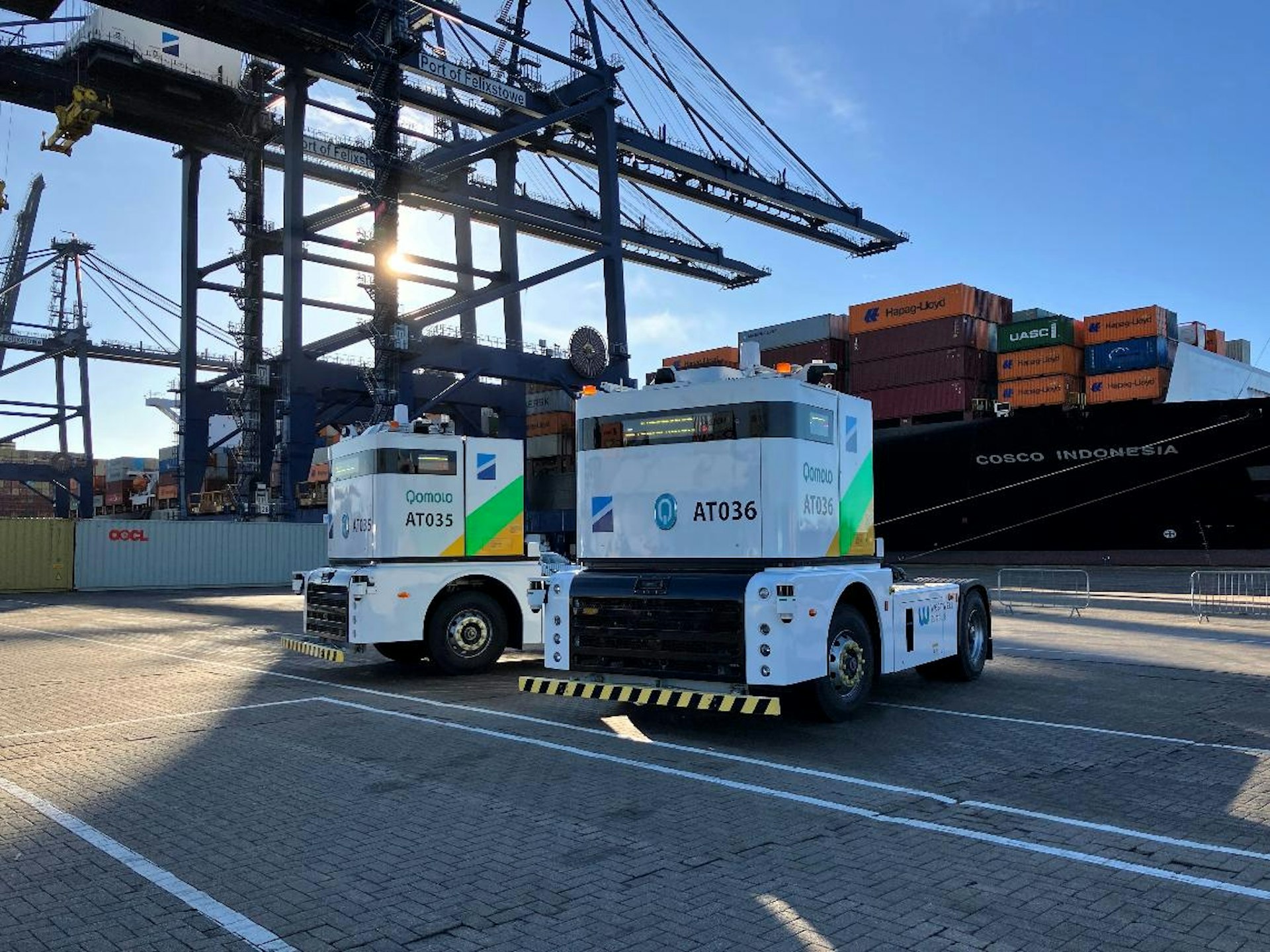
The details: Hutchison Ports Port of Felixstowe, the UK's largest container port, announced on 20 November that it had taken delivery of the first two units from an order of 34 new autonomous trucks.
The vehicles, supplied by Shanghai Westwell Technology Co. Ltd, will add to 34 trucks already operating at the port's Trinity Terminal, which were deployed earlier this year.
The new electric trucks feature advanced sensor technology, including LiDAR and cameras, to operate safely alongside human-driven vehicles.
The autonomous trucks were the first of their kind in Europe to operate alongside human-driven vehicles when they were introduced at Trinity Terminal.
For context: The port employed more than 1,900 workers in 2022, according to figures from Unite the Union, which represents staff at the site. Workers took strike action over pay in the same year, securing a 15.5 per cent increase over two years.
When the BBC reported on the expansion in September, the port said "no jobs would be at risk as a result of the increase in automated vehicles." Unite told the BBC there remained "unanswered questions" about the impact on employees and that it had raised "safety concerns" with the employer.
Unite declined to comment when approached by this publication about the automation expansion.
What we asked: This publication sent four questions to the port:
Will the expansion result in job losses?
What consultation took place with unions or staff representatives?
What is the investment cost?
Have there been any safety incidents with the existing 34 autonomous trucks?
What they're saying: The port responded nearly a month later, declining to comment. A spokesperson said: "We will not be commenting on this occasion."
In announcing the expansion, Clemence Cheng, executive director of Hutchison Ports and chief executive of the Port of Felixstowe, said: "The new machines feature a step forward in LiDAR technology and marks the next phase of our journey using autonomous technology to support our experienced workforce."
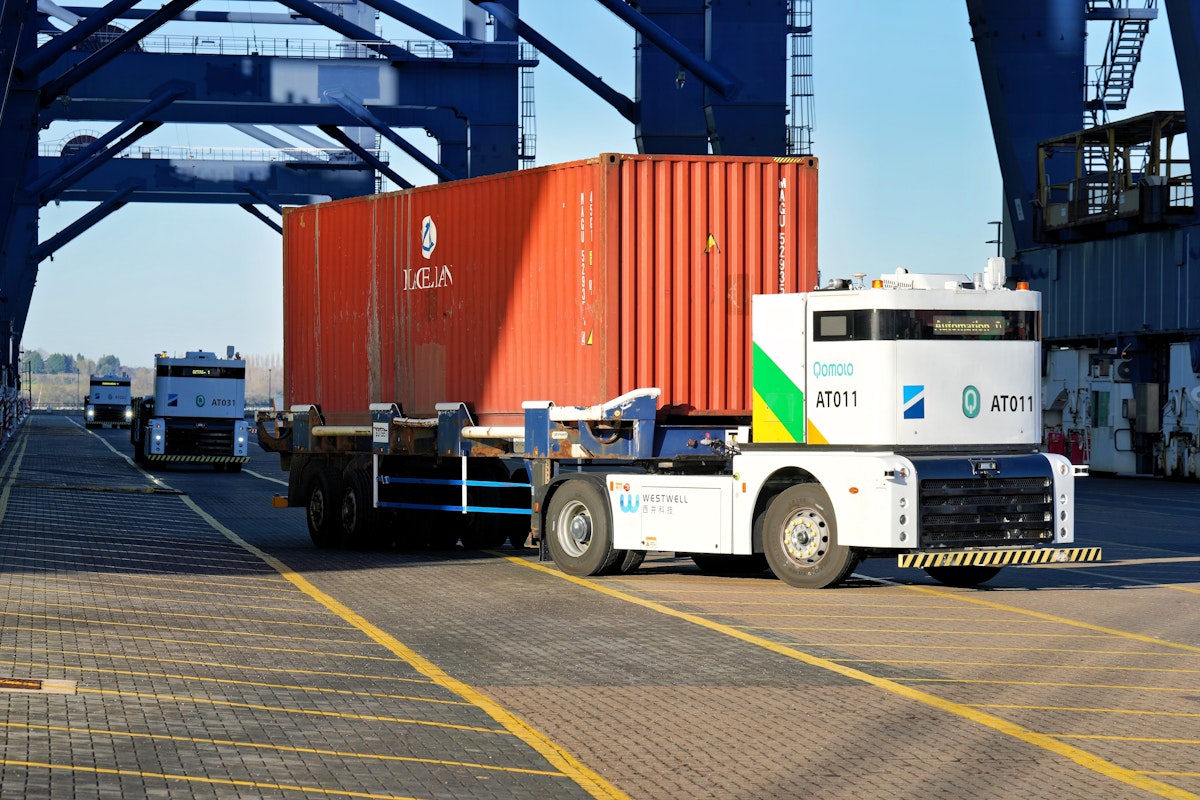
The big picture: The trucks are fully electric and run on electricity certified as being from renewable sources, which the port has used since April 2023. Batteries are swapped at an automated station in five to six minutes.
The port said improvements in the new machines will be retrofitted to the existing fleet of 34 autonomous trucks.
The expansion is part of the port's target to achieve net-zero for direct carbon emissions from operations and purchased energy by 2035.
The bigger picture: Automation has become a contentious issue across the global shipping industry. Ports in the UK are increasingly adopting the technology, with the UK port automation market projected to grow from £12.5 billion to £28.4 billion by 2031, according to market research firm Mobility Foresights.
The trend has sparked organised union resistance globally, with dockworkers forming international alliances to fight automation over job loss concerns. In November, hundreds of union representatives from more than 60 countries gathered in Lisbon for a summit under the banner "People Over Profits: Anti-Automation", forming a Global Maritime Alliance committed to halting automation expansion in ports worldwide.
In the United States, the International Longshoremen's Association has threatened coordinated strikes. UK ports are less automated than major global competitors such as Rotterdam and Singapore, which operate some of the world's most advanced automated terminals.
The bottom line: The port is doubling its autonomous truck fleet as part of its net-zero ambitions, but has declined to answer questions about cost, safety or jobs, amid growing global concern about automation's impact on port workers.