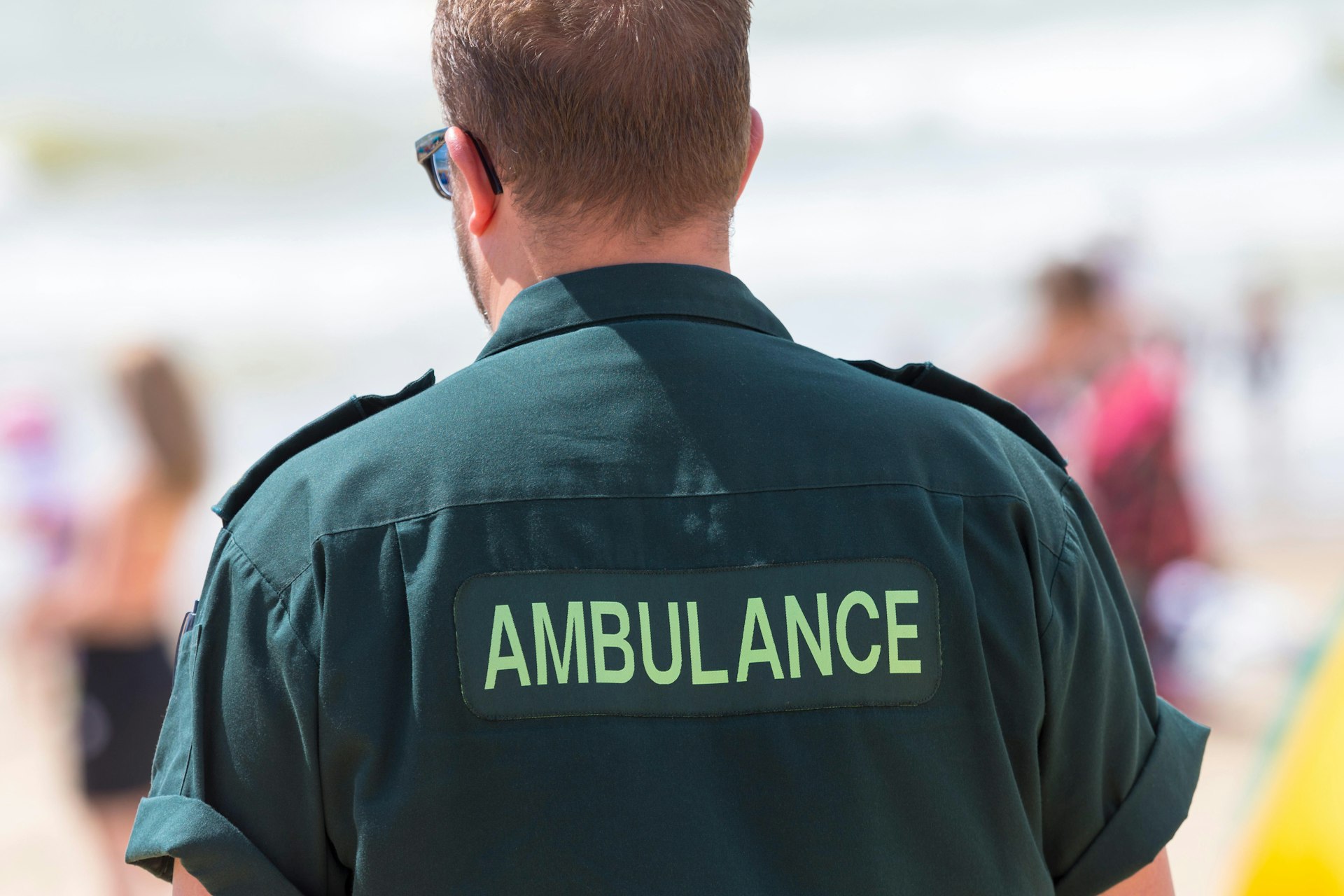
Why it matters: The 16% increase from 1,586 incidents the previous year represents the highest figure since at least 2020-21. Experts warn lenient sentences and poor conviction rates are allowing the problem to escalate across the country, causing "many" to leave the profession due to illness or trauma, and leaving those who remain to face daily abuse to keep emergency services running.
The reality on the ground: A long-serving East of England paramedic, speaking to Ipswich.co.uk on the condition of anonymity, revealed the brutal reality facing crews across the county.
"I've been spat at, punched, clawed, bitten, and kicked with a stiletto. I've had knives wielded at me. I've been locked in a house and chased with a samurai sword," they said.
They said that physical aggression has become "rife" and verbal aggression is "daily."
They explained that whilst some aggression stems from medical conditions like dementia and psychosis, or is "a manifestation of grief or panic", much of it is "seated in malicious and anti-social leanings," with offenders often attempting to excuse their actions through claims of poor mental health or intoxication.
"This is not acceptable," they understandably concluded.
The bigger picture: Across the UK, 22,536 incidents of violence and abuse were directed at ambulance workers in 2024-25 – up 15 per cent from the previous year and equivalent to 62 ambulance workers being abused or attacked each day.
Driving the problem: The Association of Ambulance Chief Executives warned that low conviction rates and lenient sentences are "failing to deter offenders".
This claim was reinforced by the paramedic we spoke with, who was quick to sympathise with local police forces who, they said, were contending with an "insane workload."
"Whilst we do get back up from police colleagues, thanks to recent changes in their dispatch thresholds, they often will not attend until we are actually being threatened or assaulted." He explained that this was because ambulance crews are required to conduct dynamic risk assessments before police officers are dispatched, often putting them in the line of danger before officers are on the scene.
Body-worn cameras are available but "rarely used" as they are "perceived as antagonistic, especially to paranoid mental health patients", which in turn affects conviction rates.
The human cost: Anna Parry, managing director of the Association of Ambulance Chief Executives, said: "Frontline teams and call handlers are deeply impacted. Many leave their roles due to trauma or illness."
The most recent NHS Staff Survey revealed 38 per cent of operational ambulance staff experienced physical violence last year, though a quarter did not report incidents.
The paramedic we spoke to said that abuse is typically "tolerated and mitigated where possible, but it adds to the massive under-reporting of incidents as it's seen as not their fault."
What's being done: The Government said violence towards NHS staff is "completely unacceptable" and promised that serious offenders will face justice through their 10-Year Health Plan, which will develop new staff standards to tackle violence.
The Association is engaging health ministers to explore better protection measures and supports consideration of mandatory minimum sentences for assaults on emergency workers.
The bottom line: Despite facing record levels of violence and abuse, Suffolk's paramedics continue risking their safety to save lives – but how long can they sustain this before the service itself becomes the casualty?