The scale of the problem
According to YouGov polling of 18-24 year olds, only 22% believe they have any say over decisions made by their local council. Just 9% have joined a campaign group in their local community, and half do not think they will make a difference.
The result? In 2023, 36% of young people said they had never voted in a local election.
But this is not just a youth problem. Across the UK, 68% of all adults have little to no confidence in local councils, with frustration spanning every age group.
Boy Wonder
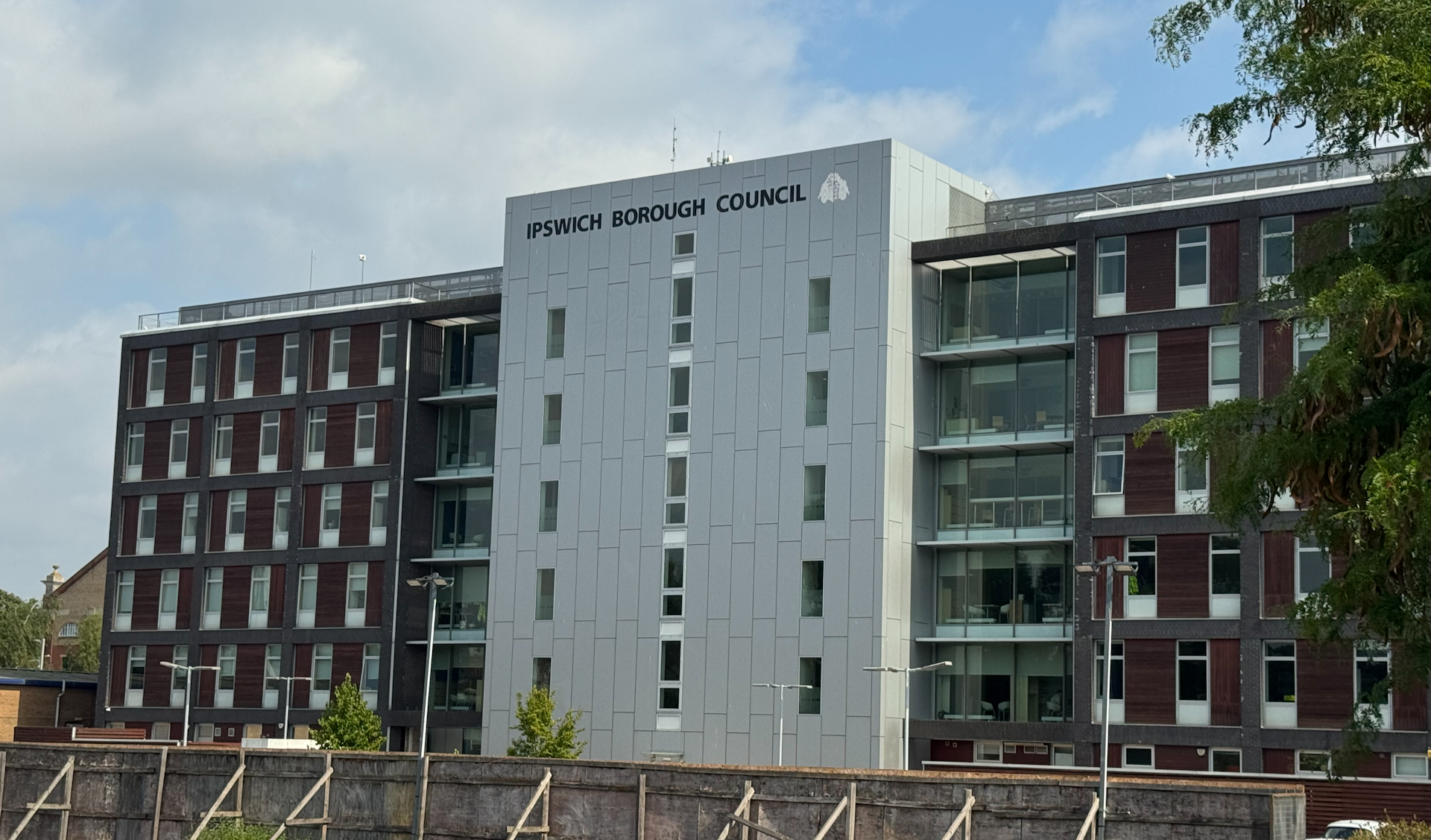
Nathan Wilson proves it is possible. The 23-year-old Ipswich councillor for Chantry was elected at just 18 in May 2021, making him one of the UK's youngest councillors at the time. Dubbed 'Boy Wonder', he remains a rare example of youth representation in local government.
Why the disconnect?
Wilson believes the problem is widespread. Asked why so few young people engage with local politics, his initial response was that it's "quite complicated."
"It is an issue across the board getting people engaged, not just young people," he said.

With the rise of social media, national politics dominates. It is bigger, bolder, more dramatic.
"Change can be a slow process," Wilson admits. Some days it feels "a bit like hitting your head against a brick wall and then being quite pleased when one brick occasionally falls out."
Many people, regardless of age, do not fully understand how councils work or how much influence they have. Lack of awareness, funding constraints and time pressures all play a role. This feeds the narrative that engagement is pointless.
What needs to change
In September, Wilson proposed establishing a youth council for Ipswich. The motion was rejected, delayed until at least 2028 when a new unitary council is established.
Three more years. Maybe longer. Maybe never.
This is the representation problem in action.
There is no simple fix. But Wilson has a starting point: "You have to make it relatable." Talking to young people about issues they do not care about will not engage them, even if those issues are important.
"The best way to engage with young people is to engage on their level," he says. Talk to them about the environment, sports clubs, theatre, housing – not pensions. "It tends to click" when you meet young people where they are.
Wilson's advice is simple: "Young people do not want to be patronised. They want to be understood."
The bottom line
Young people are not apathetic. They care about national politics, but that engagement has not translated to local government just yet.
Nathan Wilson proved it is possible to break through. But one young councillor is not enough. Until local councils learn to engage with young people on their level and take them seriously, this disconnect is likely to continue.
The question is not why young people do not care about local politics. The question is why local politics has failed to give them a reason to care.
NB This article was written by a student journalist participating in Youth Voice Matters, a six-week community journalism project delivered by Ipswich.co.uk and Ipswich Community Media (ICM), in partnership with Volunteering Matters.