Business confidence across Suffolk has collapsed to pandemic-era lows, with hospitality and retail leaders in Ipswich issuing stark warnings ahead of this week's Budget.
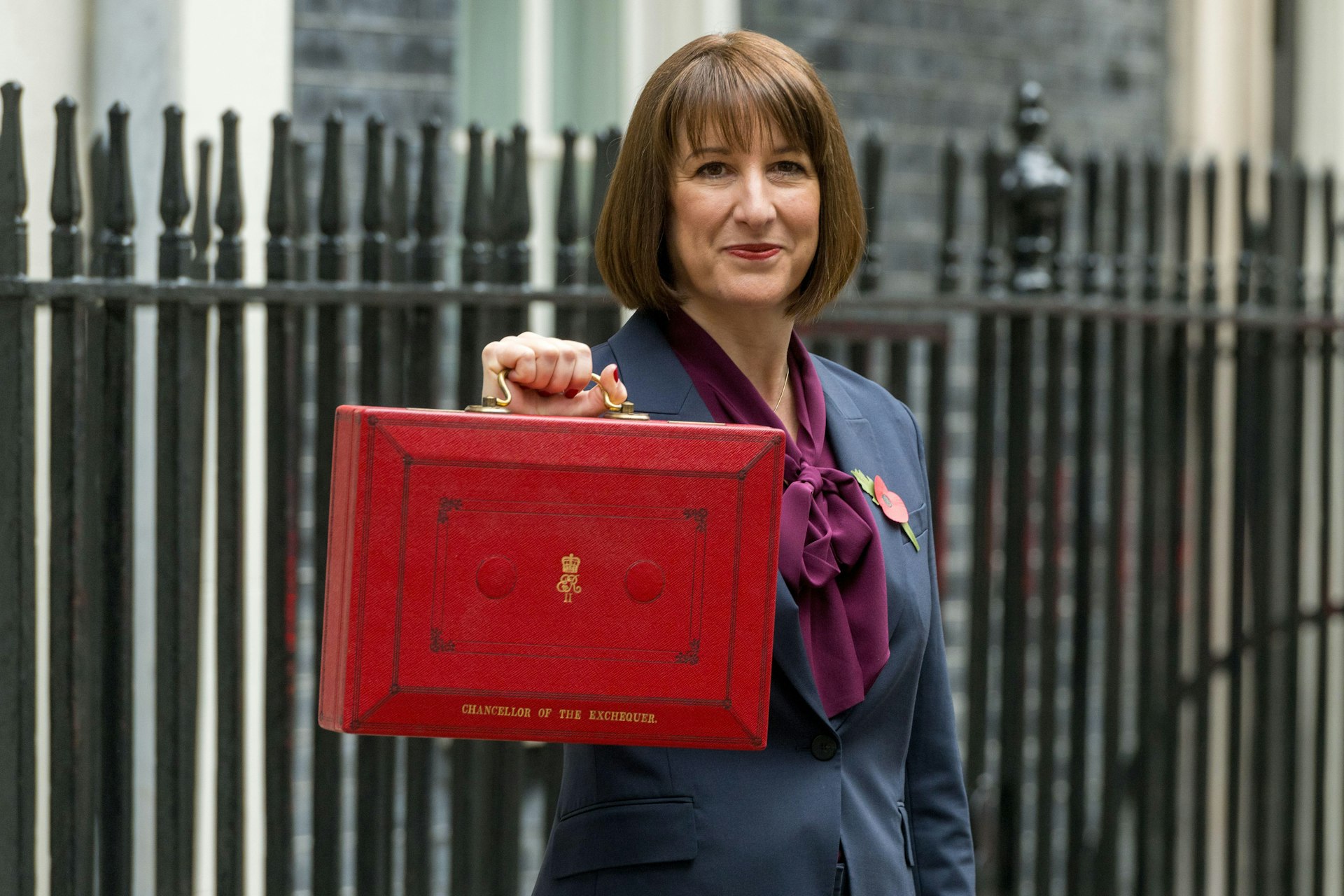
As Chancellor Rachel Reeves prepares to deliver her Autumn Budget on Wednesday, 26 November, business leaders from independent retailers to small businesses across the county are united by a common experience: relentless cost pressures, frozen investment decisions, and customers who simply cannot afford to spend.
The Budget arrives after three months of damaging uncertainty. Income tax rises were floated, then abandoned following a government U-turn earlier this month. The Budget itself was delayed by a month from last year's schedule, while confusing signals from Westminster spooked markets and froze investment.
With the fiscal hole now estimated at £20 billion and 125,000 jobs already lost nationally from last year's employer national insurance rise – far exceeding Treasury forecasts – businesses are bracing for further tax measures and demanding an end to the chaos.
Hospitality sector facing existential crisis
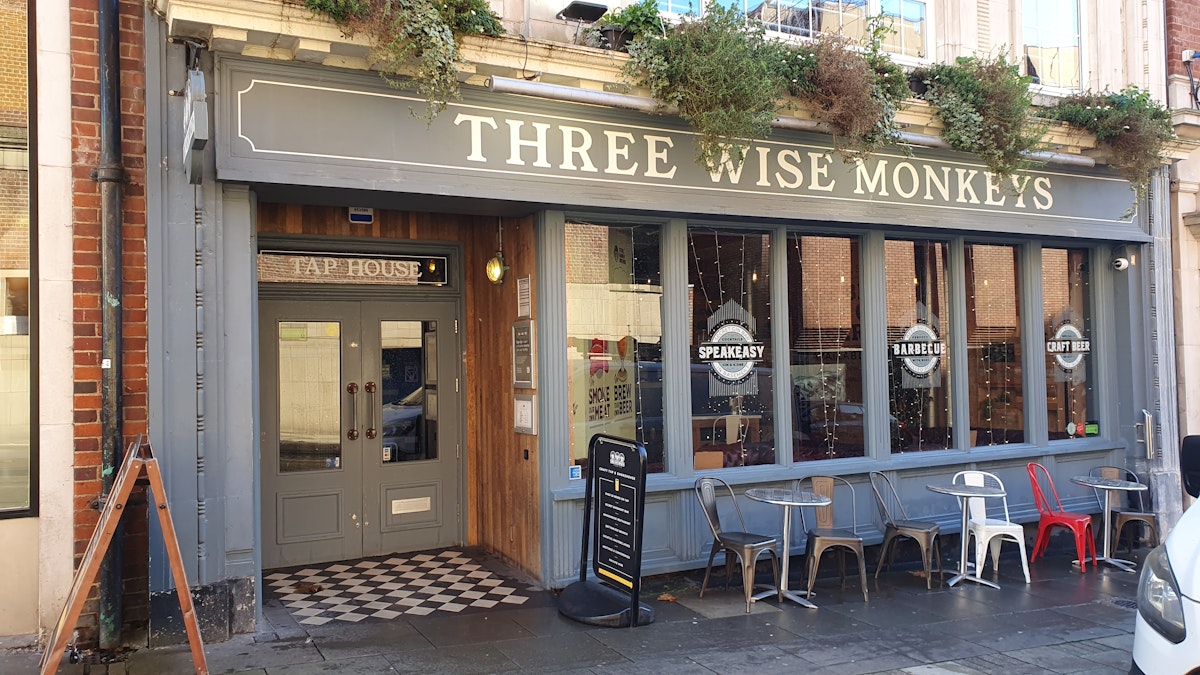
Charlie Rogers, who manages the Three Wise Monkeys pub in Ipswich and Colchester, and chairs Ipswich Barwatch, said the combination of soaring costs and collapsed consumer demand has pushed "confidence to rock bottom in many aspects of the economy."
"The hospitality industry desperately needs some help in this economic climate," Rogers said. "I can honestly see a situation where half the industry could disappear in the next few years."
New analysis by UK Hospitality reveals that hospitality has accounted for 53 per cent of all job losses in the UK since last October's Budget – almost 89,000 jobs from a total of 164,641 lost. The trade body warned that job losses are three times worse than the Office for Budget Responsibility predicted.
Rogers said recruitment has "definitely slowed" since the introduction of increased employer national insurance contributions. He called on local councils to use their powers to provide additional business rate relief.
"Anything that increases the amount of disposable income that people have should bring the biggest benefit to our industry and the retail sector," Rogers said.
For Suffolk's thousands of hospitality workers, the implications are stark: every closure means jobs lost and fewer opportunities in an already-struggling sector.
Town centre retailers hit by £250,000 cost increase
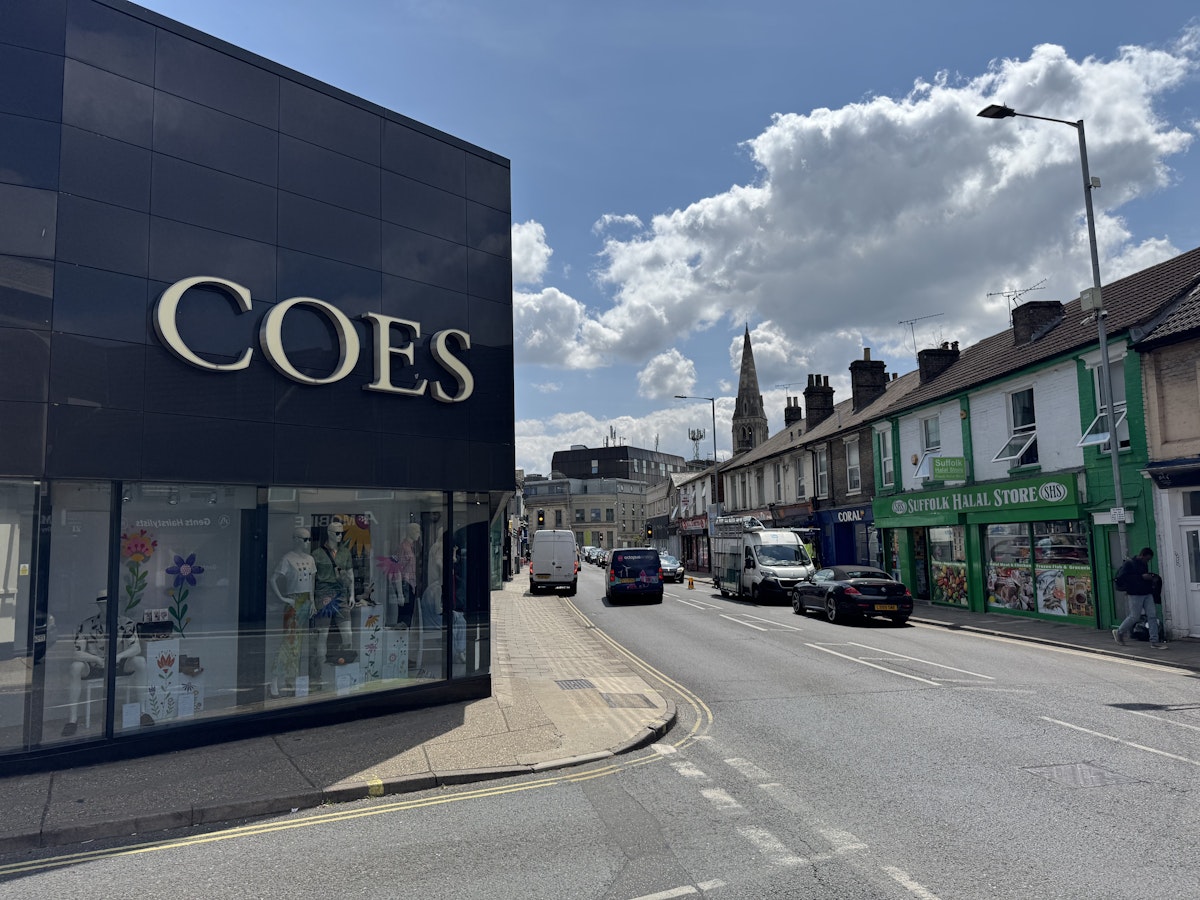
The warnings extend beyond hospitality. William Coe, managing director of Coes on Norwich Road, says his business faced an extra £250,000 in costs after the government reduced business rate relief for retail, hospitality and leisure from 75 per cent to 40 per cent last year while simultaneously raising employer national insurance contributions.
"The key factor is uncertainty," Coe said. "There have been a lot of kites flown in terms of what may be included. People are more confident and can plan when they know what they are facing, so they put off decisions until they know the facts. The budget being a month later than last year has not helped."
"Most people are aware of the challenges the chancellor faces in terms of trying to balance the nation's budget," Coe said. But further cost rises through employment taxes or business rates could prove devastating for town centres, he warned.
"I can see that leading to more closures and job losses. Despite pre-election promises, I cannot think of any material policies that have helped revive our town centres."
A review of business rates is "long overdue", Coe added, urging the Chancellor not to reduce the relief threshold any further.
Business confidence at pandemic lows
Paul Simon, head of public affairs and strategic communications at Suffolk Chamber of Commerce, said the organisation's recent economic surveys show business confidence and activity levels "at their lowest levels since the worst of the COVID-19 pandemic."
Key measures including cash flow, investment, turnover and expectations of future profitability are "pretty anaemic", Simon said.
"Suffolk businesses have reached the point where they can no longer just absorb continuous price increases and tax hikes," he said. "We are at a pivotal point ahead of the 2025 Budget. Get it right and the pent-up entrepreneurialism that powers our SMEs forward will be released for the common good. Get it wrong and Suffolk Chamber fears it will be more of the same – hesitant activity and limited growth."
Many businesses are expressing frustration with what Simon described as "confusing and contradictory pre-Budget messaging coming out of the government, with proposals being floated and then sunk within two news cycles"—a reference to the income tax U-turn announced on 14 November after weeks of speculation.
"This isn't very conducive to boosting business confidence," Simon said.
In Suffolk Chamber's pre-Budget submission to the Chancellor and all the county's MPs, the organisation is advocating for "one clear strategic policy principle: no more business taxes and the setting out of a programme for the remainder of this Parliament for the reduction in the tax burden, especially for SMEs."
Specific asks include business rates reform, a review of proposed changes to inheritance tax relief for family-owned businesses, and confirmation that the horseracing sector will be exempted from gambling tax increases—vital for the Newmarket-based cluster which accounts for nearly 3,300 direct jobs.
What Suffolk wants from the Budget
No more business taxes and a clear programme for tax burden reduction
Business rates reform and an increase of the Small Business Rate Relief threshold to £25,000
Review inheritance tax changes affecting family-owned businesses and farms
Protect horseracing sector from gambling tax increases
Support consumer spending power to drive demand in retail and hospitality
End policy uncertainty with consistent messaging and a stable tax framework
Small businesses hit hardest
Candy Richards, regional business and stakeholder engagement manager for the Federation of Small Businesses in East Anglia, warned that nine in ten small businesses are concerned about the impact of the incoming Employment Rights Bill, with a majority "less likely to hire people out of work or with a poor work history."
The warning comes as many small businesses have already paused pay rises and recruitment plans following last year's Budget, which pushed staffing costs up significantly. While the smallest businesses were shielded by an increase in the Employment Allowance – something the FSB had lobbied for – many saw costs soar.
The FSB is urging the government to raise the Small Business Rate Relief threshold to £25,000, which would lift an additional 250,000 small businesses out of paying business rates altogether. Currently, 54 per cent of small businesses say they would invest more to grow if the threshold was increased.
What happens next
With six days until Budget Day on Wednesday, 26 November, the question is whether Chancellor Rachel Reeves will heed the warnings from Suffolk's business community, or whether the region will face another round of tax rises that further erode confidence and accelerate closures.
The income tax U-turn on 14 November suggested the government is sensitive to political pressure, but business leaders remain sceptical that the Budget will deliver the stability they desperately need.
For Suffolk's hospitality sector, the stakes are immediate. Rogers warned that without support for consumer spending power, hospitality venues face difficult decisions about staffing, hours, and viability.
If Reeves fails to address business costs, reform business rates, or support consumer spending power, the pattern is clear: more job losses, more high street closures, and a hospitality sector that could shrink by half within years.
The bottom line
From Ipswich's independent retailers to regional hospitality operators, the message to Westminster is clear: businesses cannot absorb more costs, consumers cannot afford to spend more, and the economy cannot grow under the weight of continuous tax rises and regulatory burdens.
Whether Rachel Reeves is listening remains to be seen. But with confidence at rock bottom and half the hospitality sector potentially facing closure, the stakes could hardly be higher.
We shall be publishing further Budget coverage this week examining the impact on Suffolk's legal and financial services sector, and the construction and infrastructure industries. Stay tuned.