Why it matters: Port One Logistics is seeking outline planning permission to nearly triple the size of its Great Blakenham site, a scheme that would create 3,000 jobs but permanently destroy approximately 30 hectares of County Wildlife Sites (CWS) - nearly 2% of all such designated land in Mid Suffolk. The Suffolk Wildlife Trust has formally objected to the application.
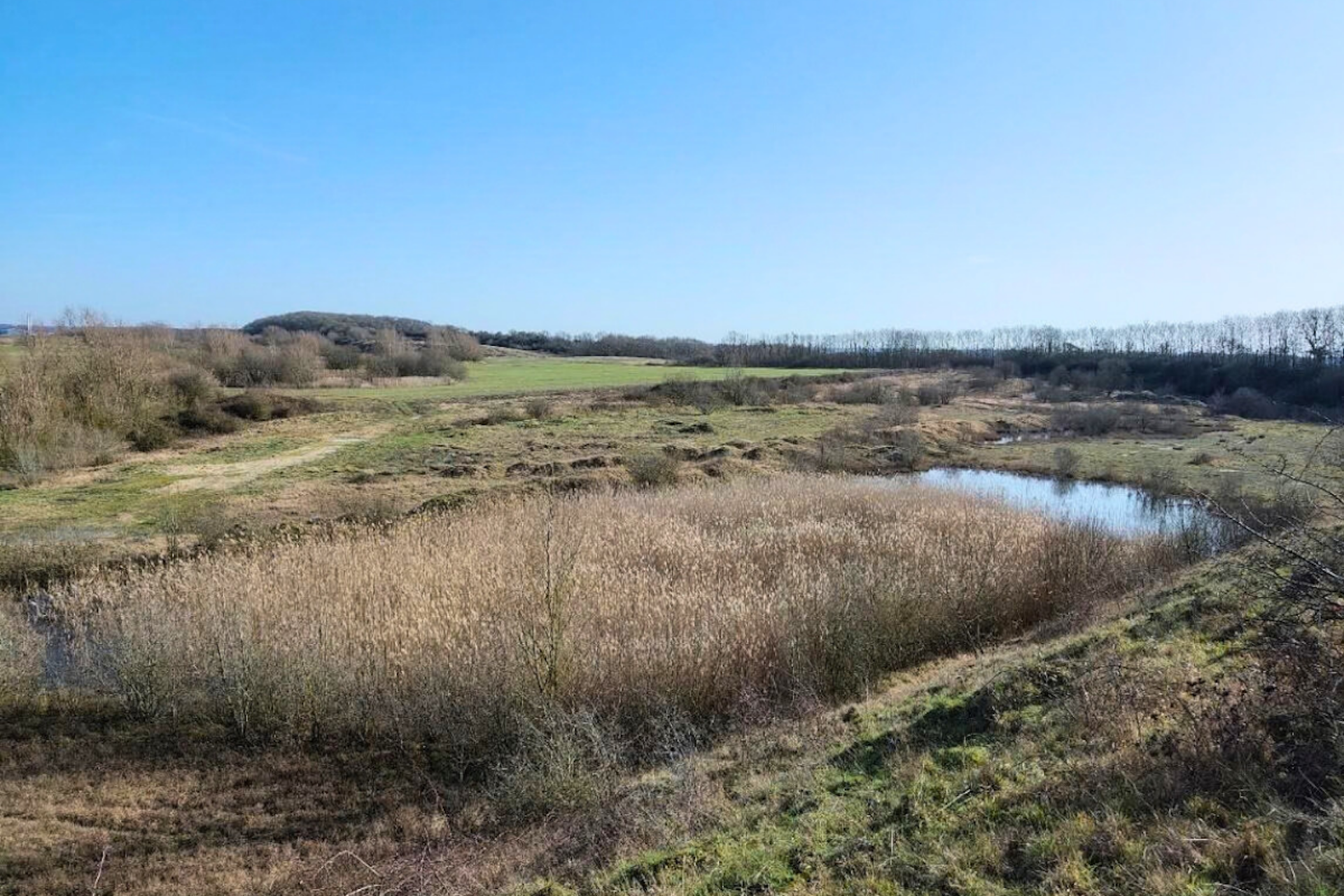
The big picture: Mason's Quarry is not simply vacant land. Decades of quarrying have left behind a rich mosaic of habitats – chalk grassland, ponds, cliffs and open ground – along with around 20 veteran trees. The site spans two County Wildlife Sites and has been identified as an 'Area of Particular Importance for Biodiversity' in the recently published Suffolk Local Nature Recovery Strategy, making it a core link in the ecological network across the heart of Suffolk.
The details: At a recent full council meeting, Green Party councillors Ross Piper and Dan Pratt questioned the council's Cabinet Member for Planning, Councillor Andrew Stringer, over application DC/25/05114.
Councillor Piper asked how the council was ensuring that alternative, less ecologically sensitive locations along the A14 corridor had been fully explored, while Councillor Pratt raised the Suffolk Local Nature Recovery Strategy, asking how its protections for Mason's Quarry were being weighed in the assessment.
Both also pointed to significant gaps in the ecological evidence submitted by the applicant, including missing surveys for priority species and inconsistencies in habitat mapping.
What they're saying: Councillor Stringer said he had a legal duty to keep an open mind until all evidence had been submitted. "The council is obliged to consider all planning applications, no matter how far-fetched they may seem," he said. "This will be scrutinised in depth. Our planning policies set a high bar."
On the question of missing data, he urged councillors and the public to raise any concerns with the planning department early. "I hope to give you the reassurance that you seek," he said.
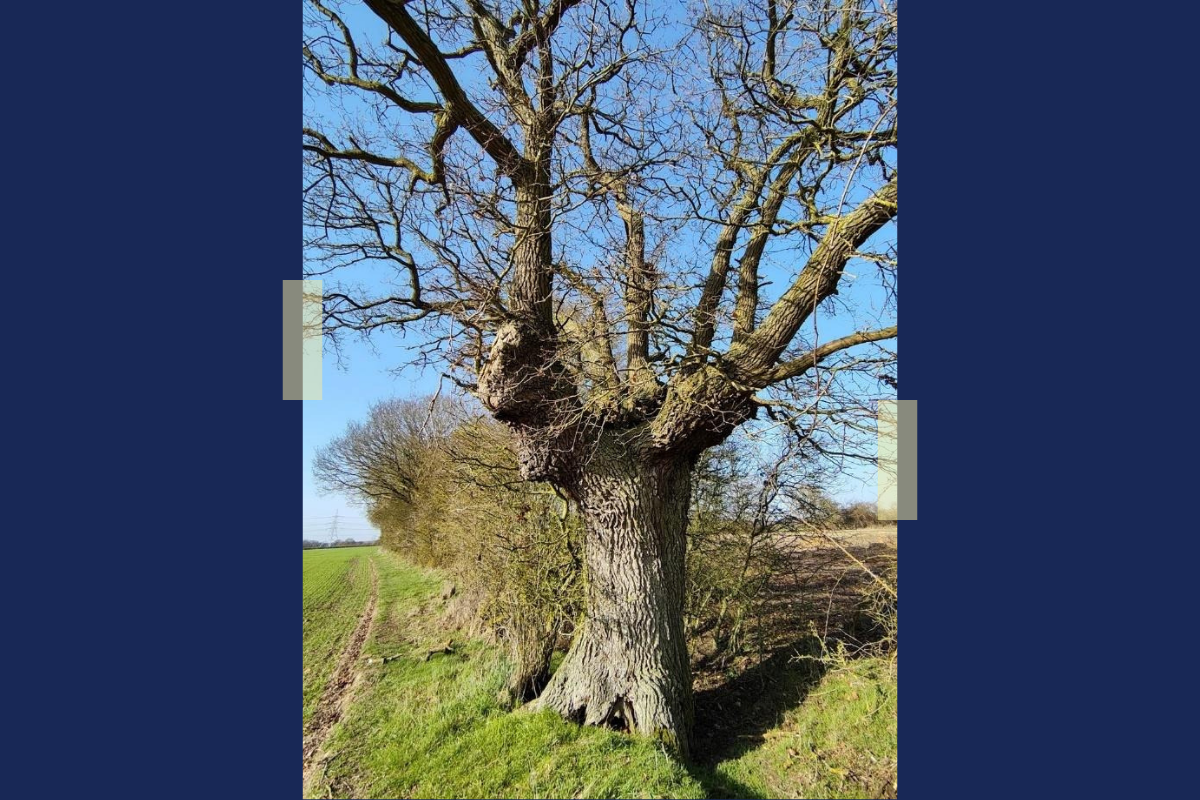
For context: Under the Biodiversity Gain Requirements Regulations 2024, veteran trees are classified as an "irreplaceable habitat." The National Planning Policy Framework states that development resulting in the loss of irreplaceable habitats "should be refused, unless there are wholly exceptional reasons and a suitable compensation strategy exists."
The bottom line: The application will go before the planning committee, where a full officer report will weigh the development against national and local planning policy. A decision date has not been announced.