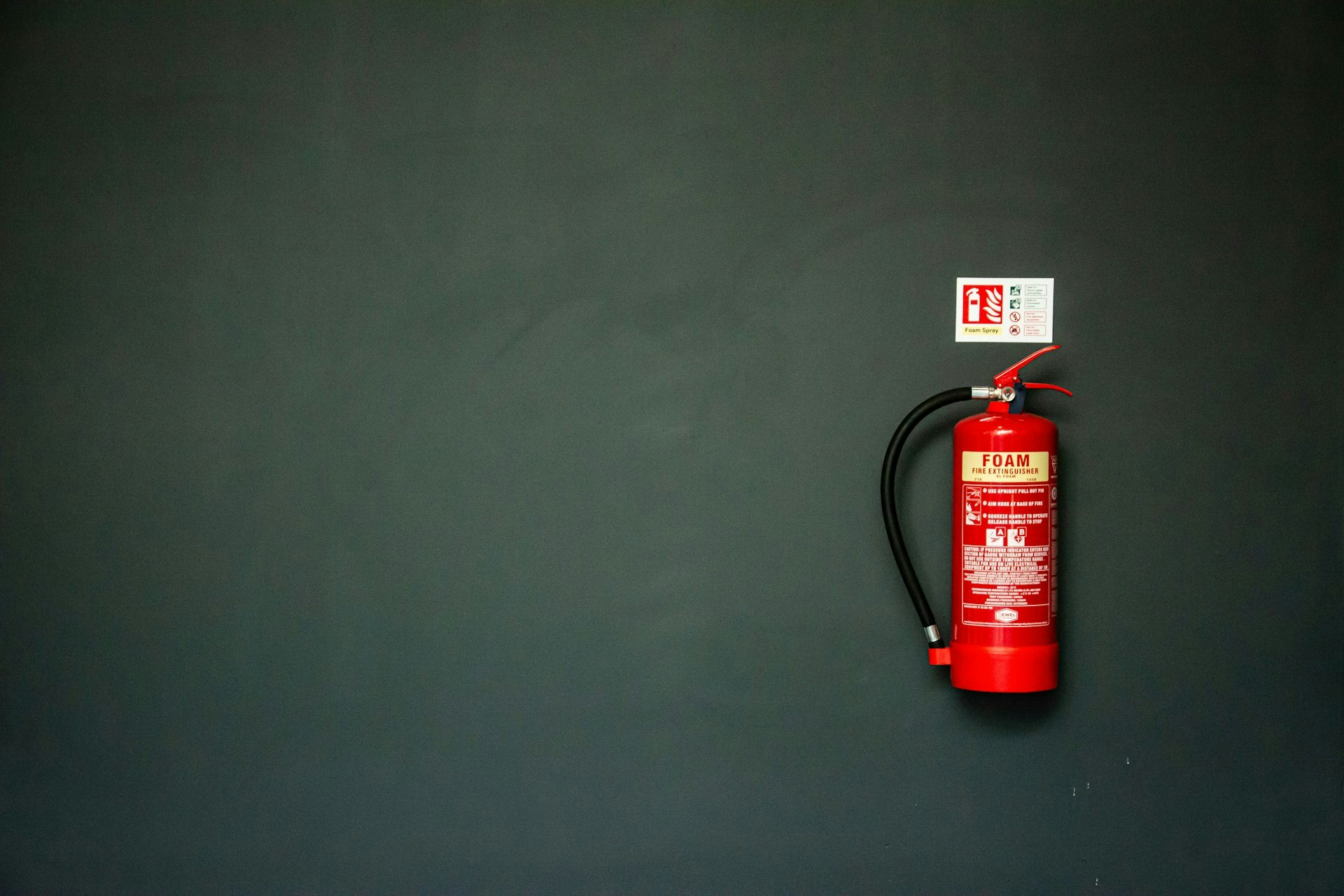
Why it matters: New regulations restricting perfluorooctanoic acids aim to reduce environmental and health risks, particularly affecting foam extinguishers manufactured before 2016.
The ban on fire extinguishers containing perfluorooctanoic acids (PFOAs) falls under updated Registration, Evaluation, Authorisation, and Restriction of Chemicals (REACH) and Persistent Organic Pollutants (POPs) legislation designed to protect both human health and the environment.
The big picture: PFOAs are particularly concerning due to their non-biodegradable nature, toxicity, and tendency for bioaccumulation – where small amounts build up over time in living organisms, particularly those low in the food chain.
The most affected products are Aqueous Film Forming Foam (AFFF) extinguishers, especially those manufactured or refilled before 2016. These are commonly used to tackle Class B fires involving flammable liquids such as petrol, diesel, oils, paints and solvents, and are often found in garages, workshops, warehouses, vehicle fleets, industrial units and farms.
What's next: Gary Smart, Head of Protection at Suffolk Fire and Rescue Service, said: "While many will have already made the necessary changes, we know that some may still be unsure about whether their current extinguishers are affected but we're here to help.
"If you're responsible for fire safety in your premises and haven't yet checked, we strongly urge you to do so. Ensuring your fire equipment is safe and compliant isn't just a legal obligation — it's a vital part of protecting your staff, your premises and the environment."
The details: Business owners should examine labelling and manufacture dates and consult their extinguisher supplier or manufacturer if unsure about compliance. While many foam extinguishers supplied in the last decade are unlikely to contain PFOAs, older models may now be unlawful to use.
Under the Regulatory Reform (Fire Safety) Order 2005, responsible persons are legally required to ensure fire safety equipment remains suitable and effective. Any updates to firefighting equipment should prompt a review of the fire risk assessment and, if necessary, additional staff training.
What to look out for: Suffolk Fire and Rescue Service Protection Officers carry out audits and inspections of premises, offering advice to ensure fire safety measures such as extinguishers, alarms, and escape routes are adequate and properly maintained. Where serious risks or non-compliance are identified, they have authority to take enforcement action.
The bottom line: Businesses and responsible persons in non-domestic and higher-risk residential buildings must act now to ensure their fire extinguishers comply with the new regulations. Support is available through Suffolk Fire and Rescue Service Business Support Team on 01473 260588 or fire.businesssupport@suffolk.gov.uk, with calls monitored Monday to Thursday 09:00-17:00 and Friday 09:00-16:00.