Why it matters: The proposals, part of a comprehensive Customer Access Strategy for 2026-2029, aim to reduce call waiting times and provide round-the-clock support whilst maintaining traditional phone and face-to-face services for those who need them. The technology is expected to cost £484,000 over four years but generate nearly £1.5 million in savings.
The details: The council is set to approve the procurement of "smart customer services assistant" technology, which will operate as both a chatbot on the council's website and a voice assistant for phone enquiries.
The technology would handle frequently asked questions and provide basic support outside normal office hours, allowing staff to focus on more complex enquiries that require human intervention.
Financial projections show the digital channels will cost £484,000 over four years but are expected to generate £1,475,940 in savings through "vacancy management", resulting in net savings of £991,940.
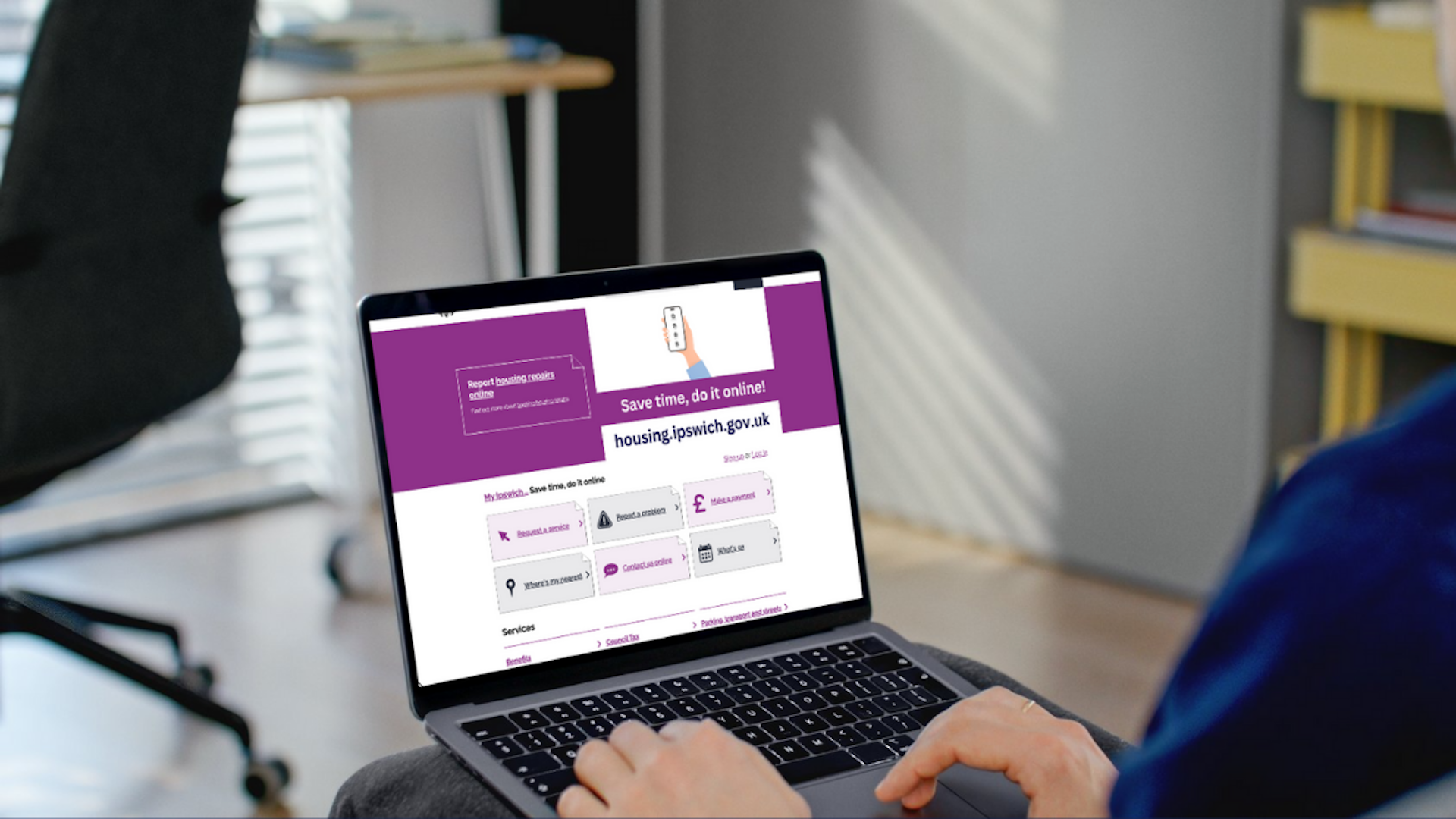
The bigger picture: The proposals form part of a wider Customer Access Strategy that builds on "recent progress," including online housing repair bookings increasing from 6% in March 2024 to 18% in July 2025, and Customer Service Centre hours expanding from two days to five days a week.
The strategy focuses on five key areas: putting customers at the heart of service design, resolving queries at first contact, providing flexible 24/7 services, offering a digital-first approach, and maximising technology use.
Currently, 59% of customer contact happens online, with 66,000 residents registered for the My Ipswich portal and 96% of payments already processed online or automatically.
What they're saying: Councillor Jane Riley, Portfolio Holder for Culture and Customers, said: "We're committed to making it easier for residents to access Council services whenever and however they choose to. This new Customer Access Strategy builds on our progress and embraces digital innovation to deliver faster, more convenient, and more inclusive services.
"By introducing smart digital tools like chatbots and voice assistants, we're improving customer experience while delivering efficiencies. These technologies will help us meet changing needs and ensure support is available 24/7, without compromising on face-to-face and phone services for those who need them."
The council says the focus is on "identifying digital solutions that enhance, rather than replace human services" and that the role of digital technology will be clearly communicated to ensure transparency and trust.
What's next: The proposals will be discussed by the Executive at its meeting on Tuesday, 30 September. If approved, the strategy would run from 2026 to 2029, with the council continuing to consult with residents and accessibility groups to ensure services meet everyone's needs.
The bottom line: While chatbot technology is positioned as enhancing rather than replacing human staff, the projected savings of nearly £1.5 million through "vacancy management" suggest that, although the council may not be making redundancies, it may not fill vacant or budgeted positions as digital services expand.