A building with two jobs
"There's more than 20 years of community graft behind this building," said Bryony, Head of Communications & Development at DanceEast.
"It could have been in Norwich. It could have been in Cambridge. But we wanted to invest in Ipswich."
That intention – national standard, local access – still defines what happens inside.
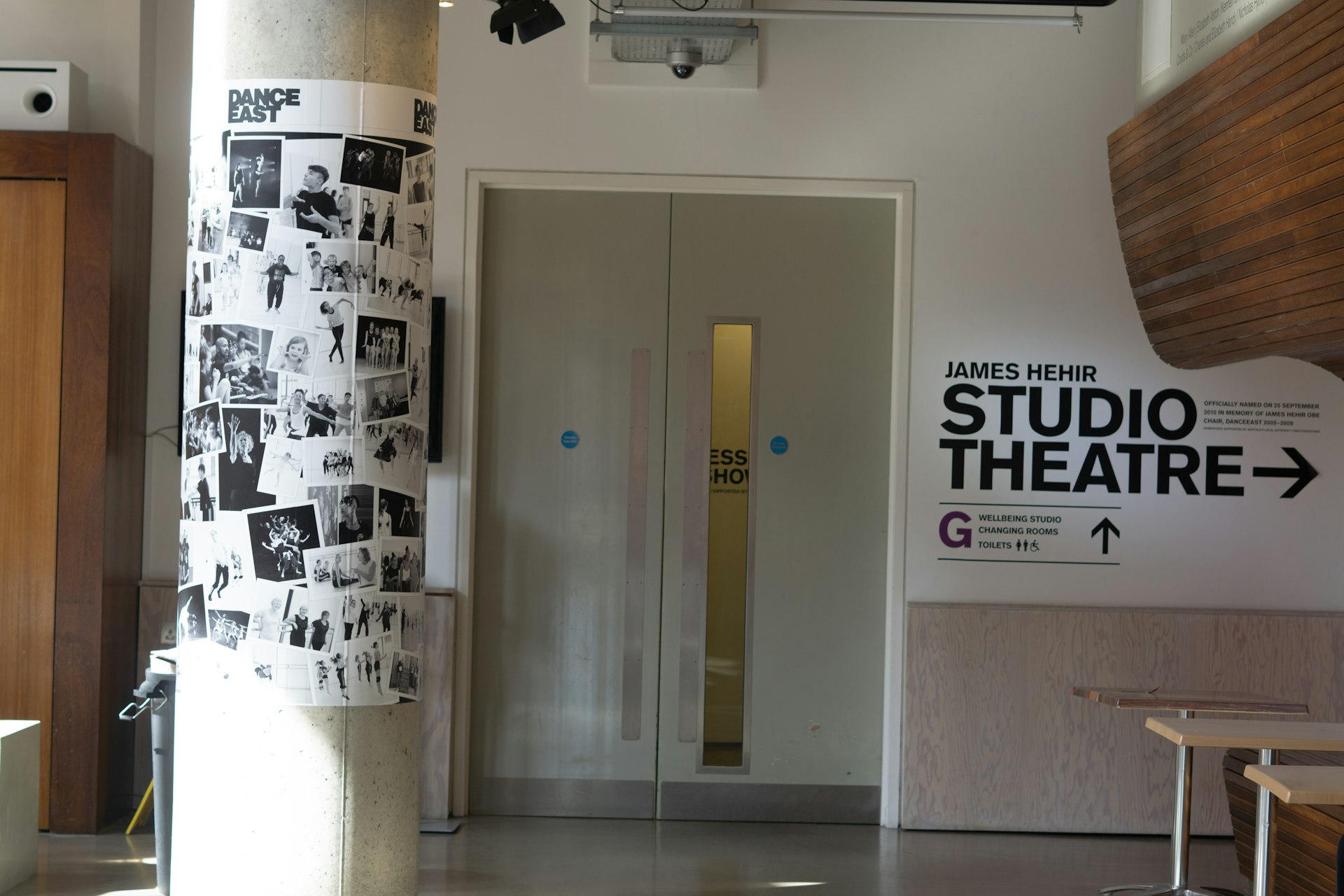
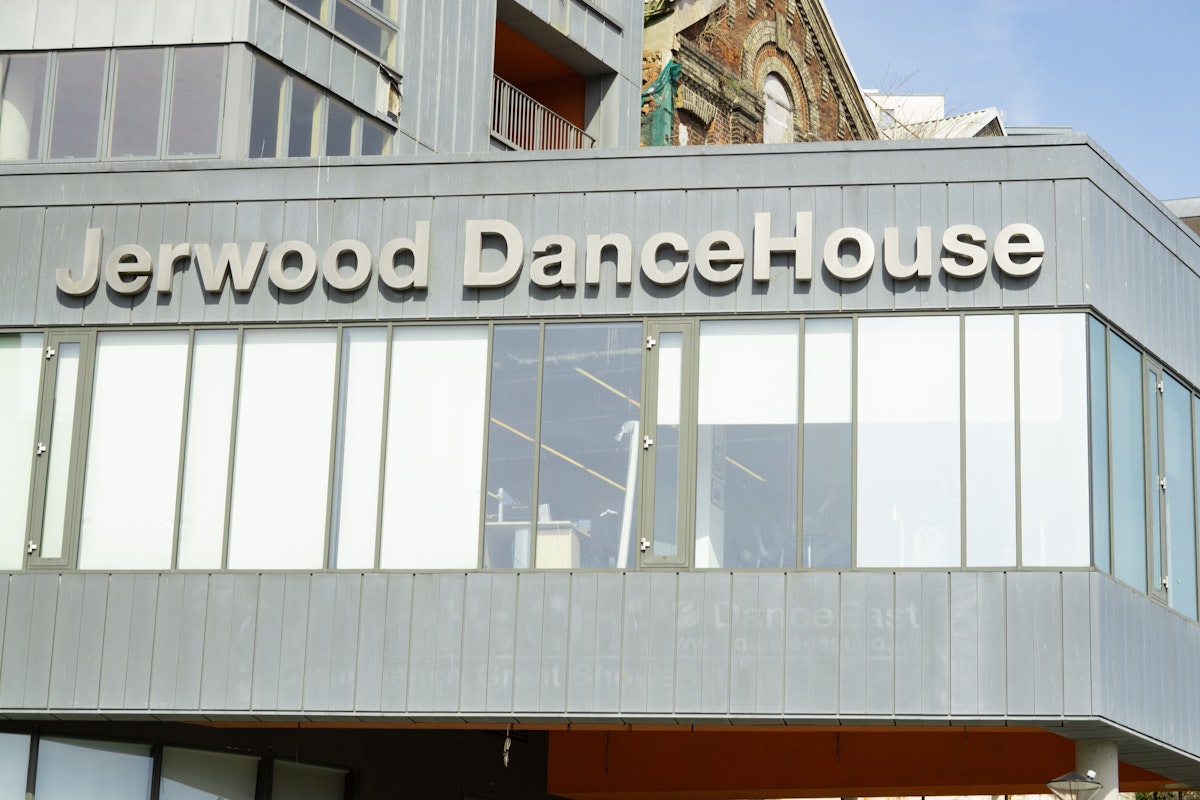
DanceEast is one of only five purpose-built dance houses in the UK. From the outside, it's easy to miss tucked along Ipswich's waterfront. But inside, there's a 200-seat theatre, six working studios with sprung floors designed specifically for dance, a green screen studio, and thousands of people moving through every year.
The theatre rig is now fully LED. Thanks to investment from Arts Council England, "We don't shout about it," Bryony said, "but it's one of the greenest performance spaces in the country now."
The organisation started life as Suffolk Dance 42 years ago, founded by Dr Scilla Dyke MBE with just £100 and a vision to create "a really strong dance ecology across the whole of Suffolk."
For decades, she worked through partnerships, programming in pubs and community halls, bringing top choreographers to work with people on a community basis while also presenting performances.
This purpose-built home opened in 2009 after a multi-million pound fundraising campaign. "But actually, there was a whole history of around 20 years of incredible work before that," Bryony explained during a tour of the building.
More than mirrors
Around 75% of DanceEast's programme is participatory rather than performance-based. Their work spans across the East of England – mostly Suffolk, but also into Norfolk, Cambridgeshire and Essex.
Walk through the building on any given day and you'll find lots going on, such as early years sessions with mums carrying babies in slings, accessible adult classes, over 50s contemporary, dance classes for people with Parkinson's, and creative health work reaching across the town.
Breaking down barriers, one class at a time
"If someone's on Free School Meals, or their family receives Universal Credit, they can access a free place on one of our classes," said Tom, Producer for Children and Young People.
The DanceEast Bursary Fund, now two years old, has seen strong demand since it launched.
"The demand's high," Tom continued. "But we just try and remove as many barriers as we can. You don't have to be a dancer to start."
The scheme now covers more than just weekly classes, it includes holiday programmes, show tickets, and half-term activities. Most families connect informally through schools or open sessions and are quietly signposted from there.
That support isn't short-term. "Some of our CAT students started here at ten," Tom said. "Now they're performing on national stages."
Some have stayed local. Some now tour internationally. But they all started here.
The Centre for Advanced Training
Tom's main role centres on DanceEast's CAT (Centre for Advanced Training) programme — a pre-vocational dance training scheme covering the whole of Eastern England. DanceEast acts as the regional hub.
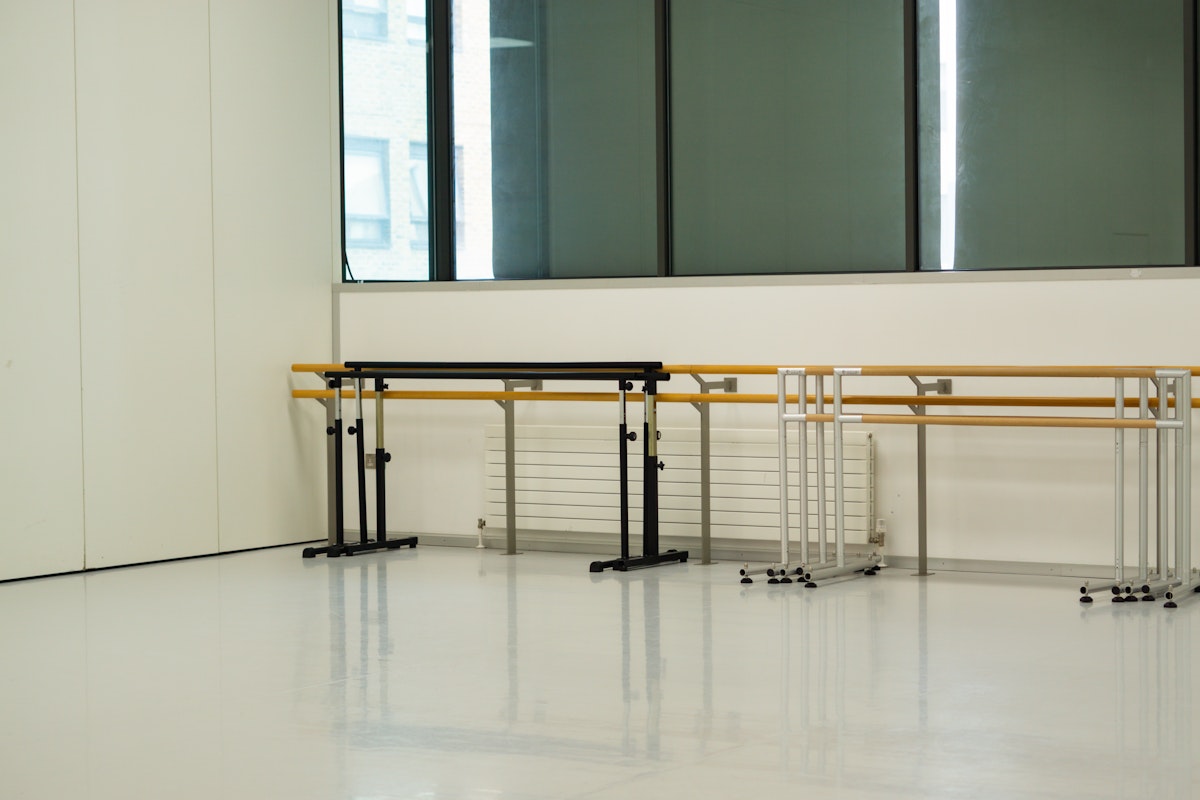
About 90 students aged 10–18 travel in three times a week for serious training.
The programme is means-tested. Around 30% of students receive free places, with travel costs reimbursed. "The idea is it breaks down any preconceived ideas or barriers to dance training and means that anybody can do it," Tom said.
Staff actively seek diversity. "We have a mixture of students who've never danced before and those who've always danced," Tom explained. "We just look for potential."
Reaching beyond Ipswich
In a compact green screen studio, an artist teaches from behind a camera whilst managing their lesson plan with a foot pedal. On screen, they can see three to five classrooms where teachers co-deliver live dance sessions across rural Suffolk, Norfolk and Essex.
This is Digital Primaries – live-streamed, curriculum-linked dance for schools where distance or funding makes regular arts provision difficult.
"It's interactive, not pre-recorded," Bryony explained. "The artist teaches from the screen whilst the classroom teacher co-delivers in real time."
The programme has proven particularly effective for children with English as a second language and those in areas of high deprivation and rural schools far from cultural provision.
"It gives us something to come to"
Every Wednesday, Dance for Parkinson's fills the wellbeing studio — a programme delivered in partnership with English National Ballet.
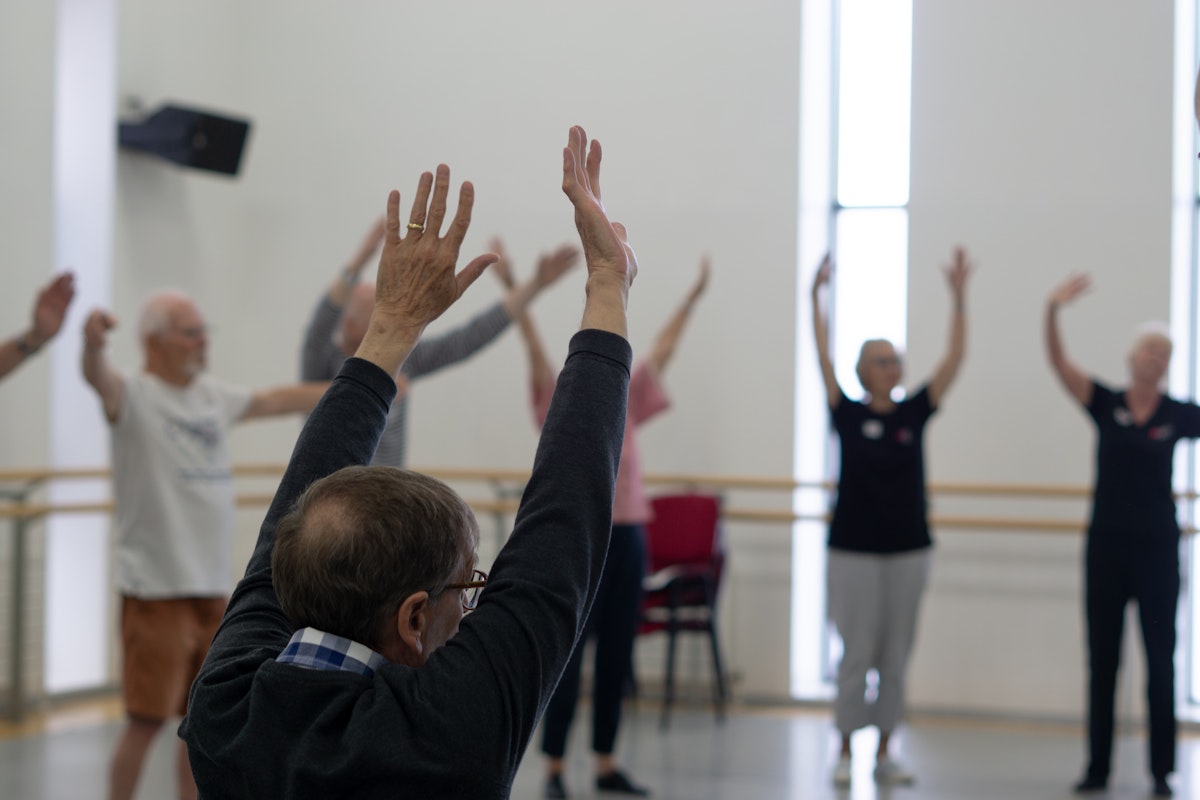
"It's great fun," said Peter. "Really enjoyable. You miss it when it's not on."
Christine brings her husband, who was diagnosed six years ago. "He sits quite a bit today," she said, "but it keeps him moving. It gives us something to come to — something that feels good."
The class accommodates everyone. Some people take part standing, others stay seated. There's no pressure, no judgement — just live music, gentle movement and community.
"There's a sense of connection," said Hayley, Programme Coordinator. "And there's tea and biscuits after, which helps too."
DanceEast is one of only six centres nationally delivering this research-based programme, which continues to be studied by King's College London for its effectiveness in helping manage Parkinson's symptoms.
Quiet signposting and world-class work
Much of what DanceEast does happens without fanfare.
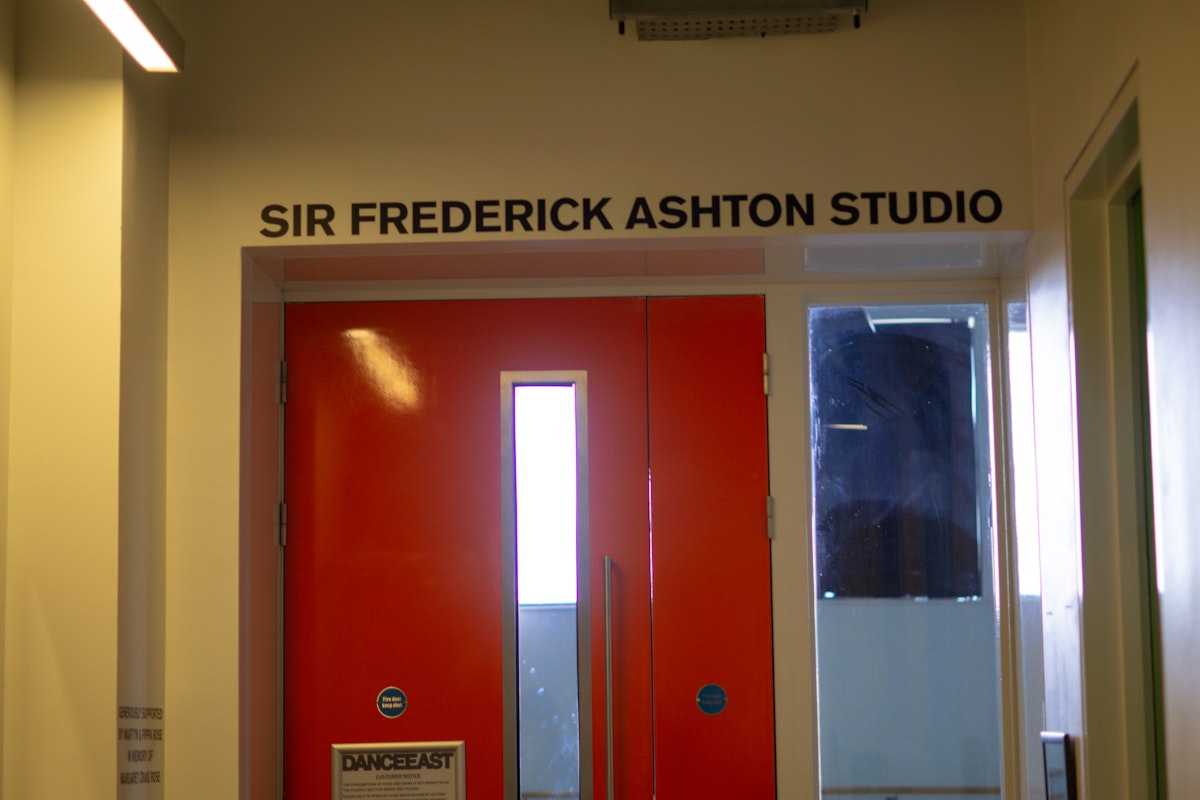
The Sir Frederick Ashton Studio can transform into a full 360-degree green screen space with retractable flooring — offering artists rare access to explore dance and digital technology without prohibitive costs.
Coordinators manage schools outreach, support artists in residence, and hold the building together day to day. Studios are maintained and prepped between sessions. Evaluation reports are written between delivery blocks. Front-of-house staff balance accessibility support with welcoming families, professional artists, and first-time participants.
At festivals like First Light and Latitude, DanceEast helps shape the cultural programming — working behind the scenes with festival partners.
"We do so much without talking about it," Bryony reflected. "We've always been focused on the work. Making it possible."
The challenge is still the same as when Dr Scilla Dyke MBE started with £100 — how do you make the best dance accessible to everyone who needs it?
At DanceEast, they're still figuring that out. One person at a time.
Getting involved
This feature offers a snapshot of current work — a glimpse into the people and programmes that keep DanceEast moving. Whether you're curious about classes, performances or getting involved, there's more to discover at DanceEast.