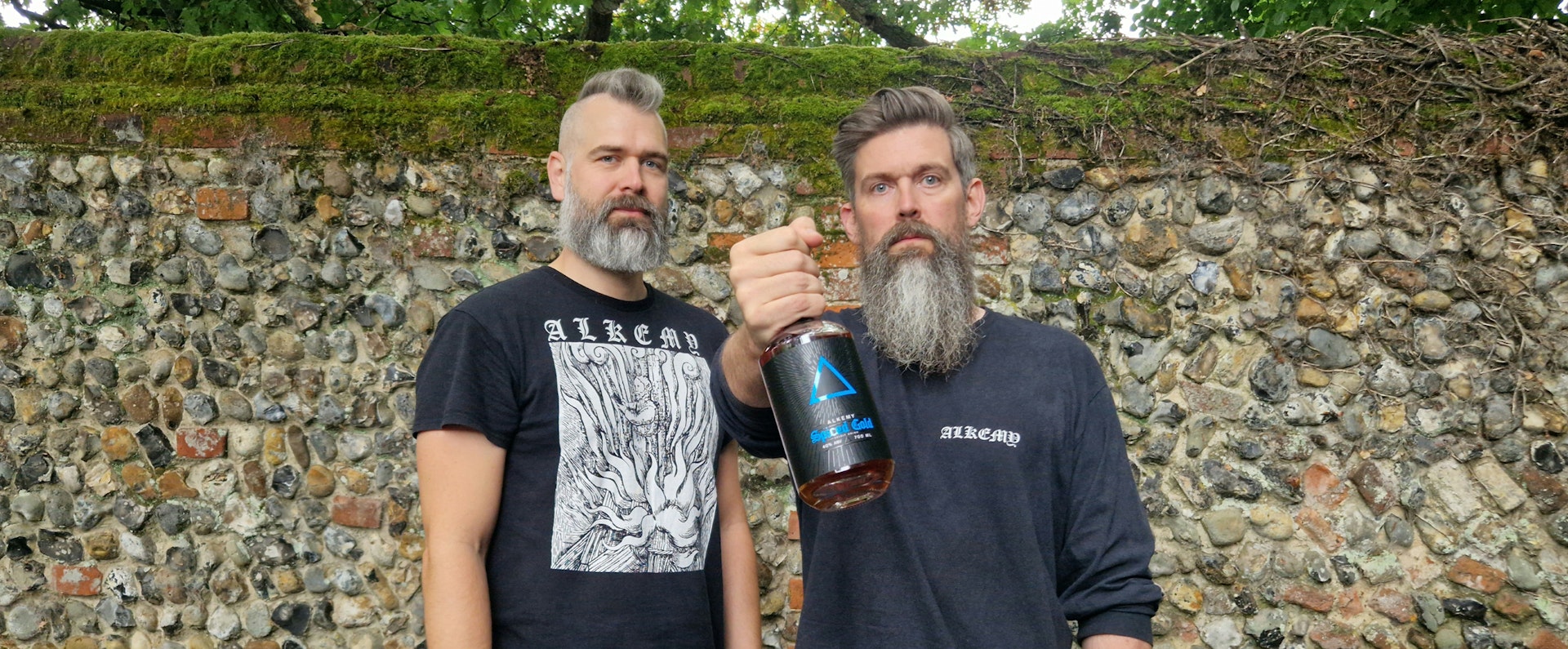
The pair behind Alkemy have turned their frustration with rum into something brilliant and genuinely different – a spirit that tastes nothing like the "burning tyres or rotting old fruit" they associate with traditional rum, yet performs just as well in competitions.
From African brewery to Suffolk distillery
Rob and Will's journey began in 2009 when they moved to Swaziland, drawn by opportunity but “frustrated by the quality of local lager”. "So we started brewing our own beer," Rob explains. What started as a slightly self-centred mission for better beer turned into a three-year brewing operation, which then became the country's first and only distillery.
The venture was going well until political disruption changed everything. "We lost everything in the process," Rob says simply of their departure from Swaziland. Unwilling to simply accept defeat, they returned to Suffolk and started again – this time with a radical idea.
The eureka moment
Growing up in Bury St Edmunds, the concept of sugar beet spirits had always been theoretical. "It was only when we returned home and looked at the impact of importing sugar cane molasses that we couldn't really justify importing it all that way," Rob recalls. "It also didn't make sense to make a spirit in this area using a base ingredient from the other side of the world."
The frustration wasn't just environmental – it was about quality, too. "Spending more on a bottle of rum didn't make it taste any better," Rob explains. "More expensive rums can often be more complex, but that doesn't always mean more enjoyable. There are a lot of flavours in rum that people find challenging or difficult, and in our mind, less of this means a better rum."
Breaking centuries of tradition
Operating from their own facility in Bradfield, near Bury St Edmunds, the pair developed an entirely new approach to rum-making. "Distilling rum is a very traditional process, and has been made the same way for centuries," Rob says. "We decided to build the process around the product we wanted at the end."
This modern approach proved crucial when working with sugar beet molasses, which brings unique challenges. The agricultural flavours had to be tamed without losing the spirit's character – a process that took nearly a decade to perfect.
"In reality, it's taken almost ten years to get this product to where it is today," Rob admits. "It's a culmination of a lot of work with a lot of different products." Their years of experience spanning multiple product categories helped them understand and hone the spicing techniques now used in their Spiced Gold variant.
Spiced liquid gold and looking ahead
Today sees the launch of Alkemy's Spiced Gold product. It's an exciting and pivotal moment for the brand as they look to capitalise on the more popular and rapidly growing spiced rum segment of the market.
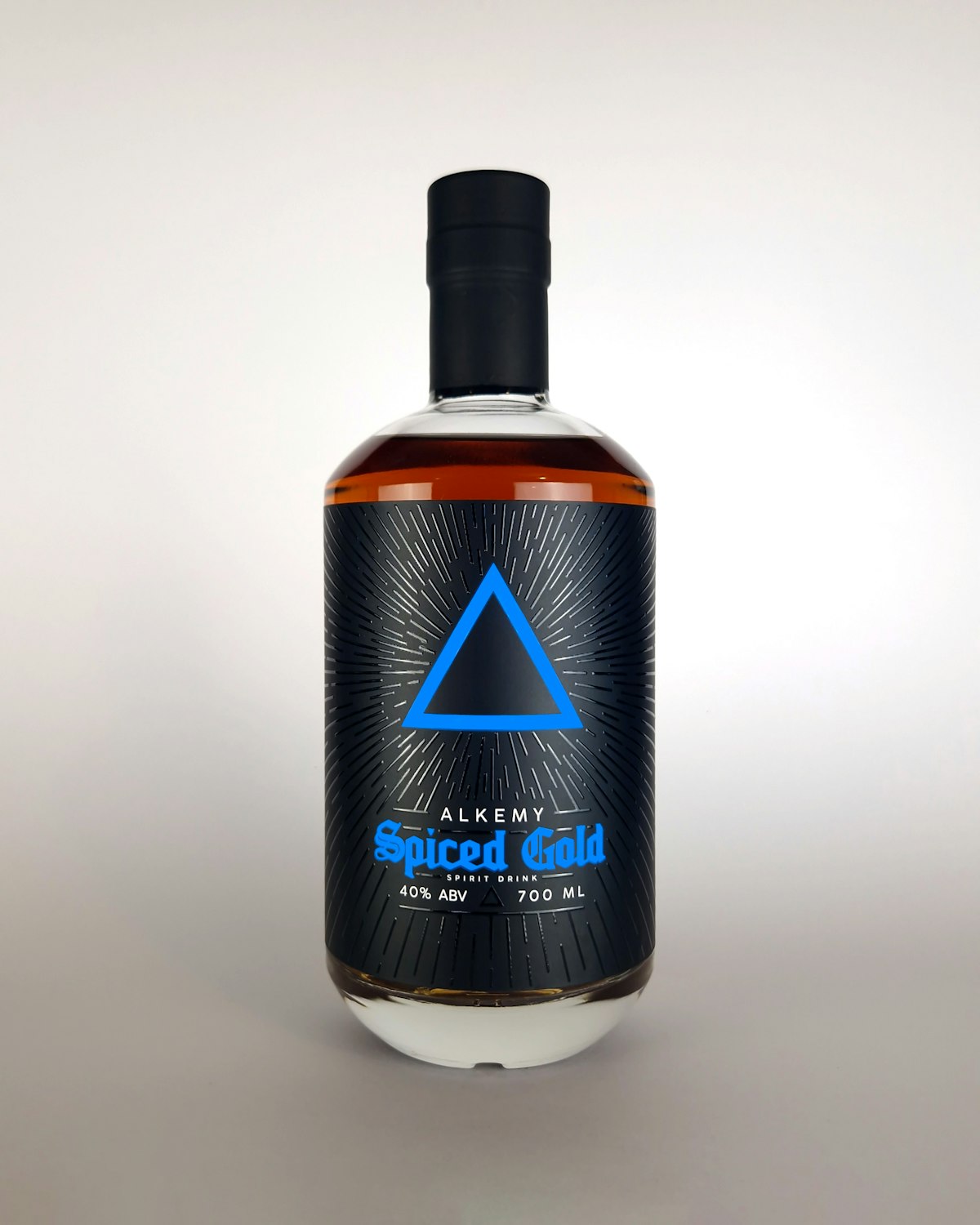
Rob and Will are positioning Spiced Gold as a step up from mainstream brands like Captain Morgan's – "levelling up a rum and coke" as they put it. The new variant addresses a key challenge: while retailers were unsure what to do with the category-defying Original, Spiced Gold "still acts how you would expect a spiced rum to."
Their five-year vision is ambitious and unapologetically local. "We really hope that Alkemy can become synonymous with Suffolk and East Anglia," Rob says. "Sugar beet is a big part of this area, and we would love the spirit to become part of its identity as we grow."
The immediate goal is more practical: "Our main aim is for Alkemy to be available in most pubs and bars so that people have the option of a more enjoyable rum when they are out and about."
Award-winning controversy
The results speak for themselves. Alkemy Original has won gold at the Spirits Business Global Rum & Cachaca Masters, silver at both the London Spirits Competition and the International Wine and Spirits Competition.
Their new Spiced Gold has already claimed gold at the Spirits Business Blind Tasting in the Spiced Rum category – before it's even launched. But success brings its own challenges. "We still achieved high scores in that category," Rob notes, "but then we started getting disqualified because it's not technically a rum." It's a distinction that delights rather than frustrates them: "When people taste it as a rum, it wins awards,” but when people read the label, disqualification is always a possibility.
Self-funded and sustainable
The business remains entirely self-funded, a decision that shapes every aspect of their operation. "We have to be a lot more conscientious with how we spend and what we do," Rob explains. "So far, this has meant that we have to do everything 'in-house', but that's not too bad because it makes us a bit more agile."
The sugar beet approach isn't just about innovation – it's about sustainability. Their molasses travels just 35 miles from field to bottle, a stark contrast to the global rum industry. "Sugar cane farms are a dirty business," Rob reflects. "We didn't want to be a part of that."
The bottom line
Rob's advice to other drinks entrepreneurs reflects their philosophy: "Focus on the product first. A lot of people say that alcohol is all about marketing, but we see that as part of the problem. If you put all of your efforts into making the liquid taste how you want it to, everything else comes afterwards."
It's an approach that's taken them from losing everything in Africa to creating something genuinely new in Suffolk, proving that sometimes the best innovation comes from the most challenging circumstances.