
Youth council proposal caught up in Suffolk's council reorganisation battle
A motion to give young people a formal voice in local decision-making has been deferred until Suffolk's local government reorganisation is complete, with councillors voting last Wednesday to recommend the scheme to a future unitary authority.

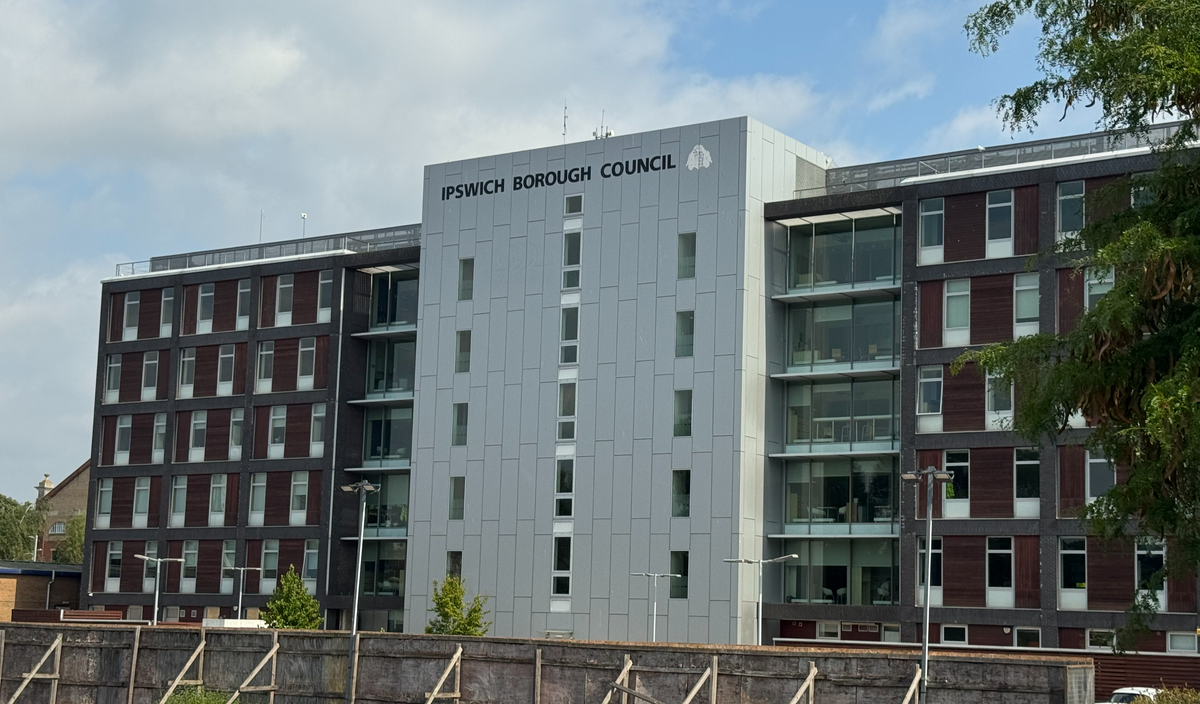
Why it matters: The decision means young people aged 14-18 will have to wait until at least 2028 for a formal platform to influence local decision-making in Ipswich.
The details: Cllr Nathan Wilson, a Chantry County Councillor and Stoke Park Borough Councillor, proposed creating an Ipswich Youth Council that would provide young people with a direct voice in council affairs, offer training and mentoring opportunities, and hold annual joint meetings with Borough Councillors.
Liberal Democrat councillors supported Wilson's motion, but Labour councillors put forward an amendment to recommend the youth council to the new unitary council rather than establishing it now.
What they're saying: Wilson described the council meeting as "slightly confusing," explaining that some Labour councillors "stood up and spoke against the idea of the youth council...then voted for the amended motion which supported recommending a youth council to the new unitary."
Wilson said he was "not entirely happy with the amendment, but politics is a numbers game and we didn't have the numbers," so he accepted it, thinking Labour would "put some effort into putting it as a recommendation piece for the new unitary council."
The bigger picture: The amendment means there will be no youth council for Ipswich Borough Council, but the idea will be recommended to whatever new unitary authority structure emerges from Suffolk's ongoing reorganisation discussions.
For context: Similar youth councils already operate successfully in areas such as East Suffolk.
The bottom line: A proposal to give young people a voice in local politics has been postponed until Suffolk's council reorganisation is complete, with the scheme now dependent on whatever new authority structure emerges.
This article cost us ~£27 to produce
It's free for you to read thanks to the generous support of our partners.
Below the line