
What are your rights if your child is strip searched by police in Ipswich?
Following new data that revealed Suffolk police conducted 237 strip searches on under-18s in the last three years, we explain what parents and young people need to know about police search powers.

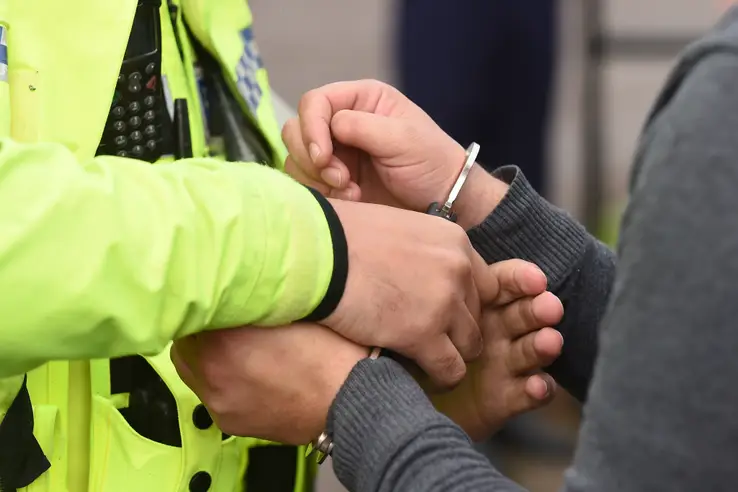
Why it matters: Strip searches are among the most intrusive powers available to police and require specific safeguards, especially for young people. In an article last week, we reported that 237 children were strip-searched by Suffolk police in the last 3 years, including 43 last year.
What counts as a strip search:
- Any search requiring removal of more than outer clothing (coat, hat, gloves, shoes, socks)
- Does not include intimate searches of body cavities, which have different rules
- Must only happen in an area where you cannot be seen by others
- Should never take place in police vans
When can police conduct a strip search:
- Officers must reasonably believe a person has hidden an item they shouldn't have
- They must believe it's necessary to remove that item
- You don't need to be under arrest to be strip searched
Key rights for young people aged 17 and under: An appropriate adult (relative, friend, carer or trained individual) must be present except in two situations:
- Urgent cases with risk of serious harm
- If the young person states in the adult's presence they don't want them there and the adult agrees
- All searches must be conducted by an officer of the same gender
- At least two people must be present for searches involving intimate body parts
- Officers must explain why the search is necessary and what they're looking for
What the police must do:
- Complete searches as quickly as possible
- Allow dressing as soon as the search is complete
- Make efforts to minimise embarrassment
- Allow removal of clothing in sections
- Keep property safe
- Make detailed records including reasons for the search
Your rights under the Human Rights Act 1998:
- Freedom from degrading treatment (absolute right)
- Right to privacy (limited right)
- Protection from discrimination
- Right to be free from arbitrary detention
The bottom line: If you believe a young person has been unlawfully searched or mistreated during a strip search, you can make a police complaint or seek legal advice from a specialist lawyer. This article provides general information only and should not be treated as legal advice.
Independent local journalism is expensive to produce
It's free for you to read thanks to the generous support of our partners.
Below the line