
University's Amazon rainforest project wins global award
A University of Suffolk conservation project in Peru has won a prestigious international ecotourism award for pioneering work that gives students hands-on experience using AI to protect endangered primates in the Amazon rainforest.

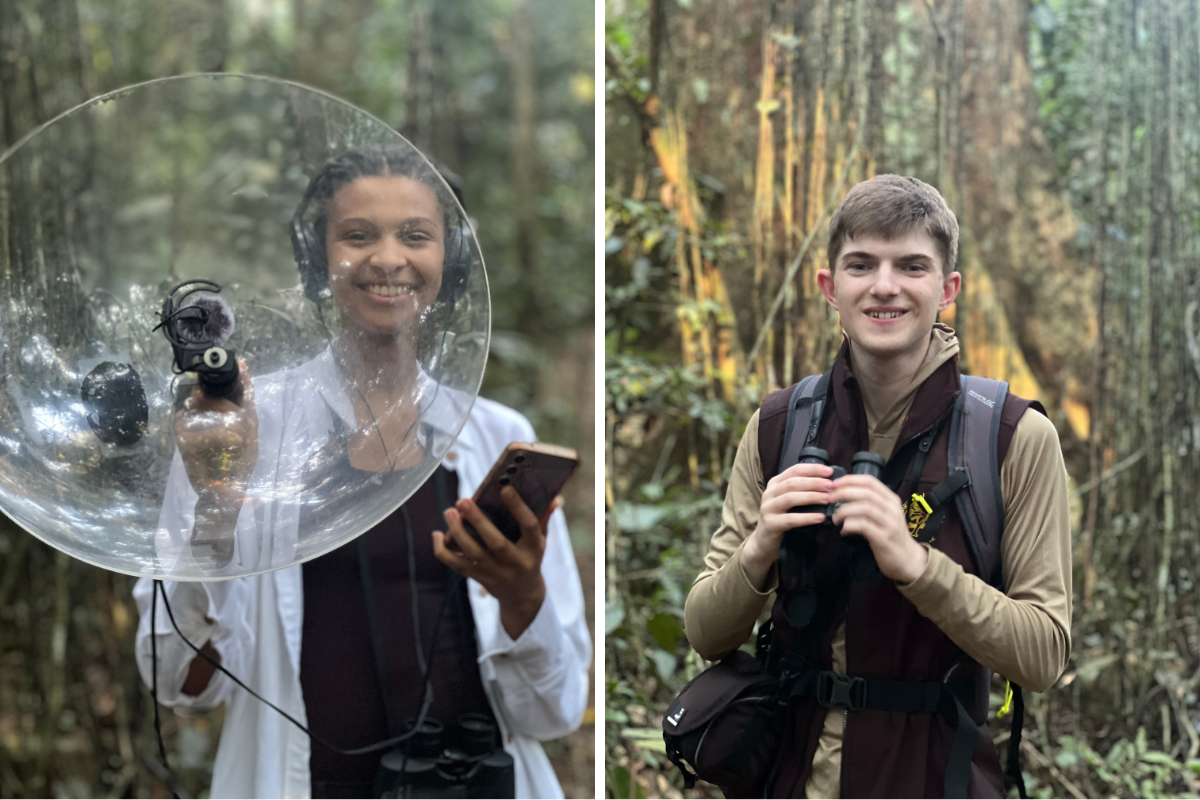
Why it matters: The Regenerative Travel Impact Award recognises an approach combining tourist-funded fieldwork with cutting-edge AI monitoring – validating a model that gives UK conservation students rare access to hands-on primate research while advancing techniques that could reshape how scientists track endangered species globally.
The details: The 8 Primates Project, led by Dr Mark Bowler at the University of Suffolk, uses bioacoustics – analysing animal sounds – to monitor species such as spider monkeys, howler monkeys and capuchins in Peru's Tambopata National Reserve.
Students live and work at one of South America's most remote research stations, collecting primate audio recordings with directional microphones. PhD student Borislava Gacheva uses the recordings to train AI algorithms that identify species from audio surveys, while tourists visiting the site contribute to data collection.
Last summer, second-year students Dan Beckett and Leyla Huo took tourist groups into the rainforest to collect samples, analyse recordings and deliver talks about primate conservation to visitors.
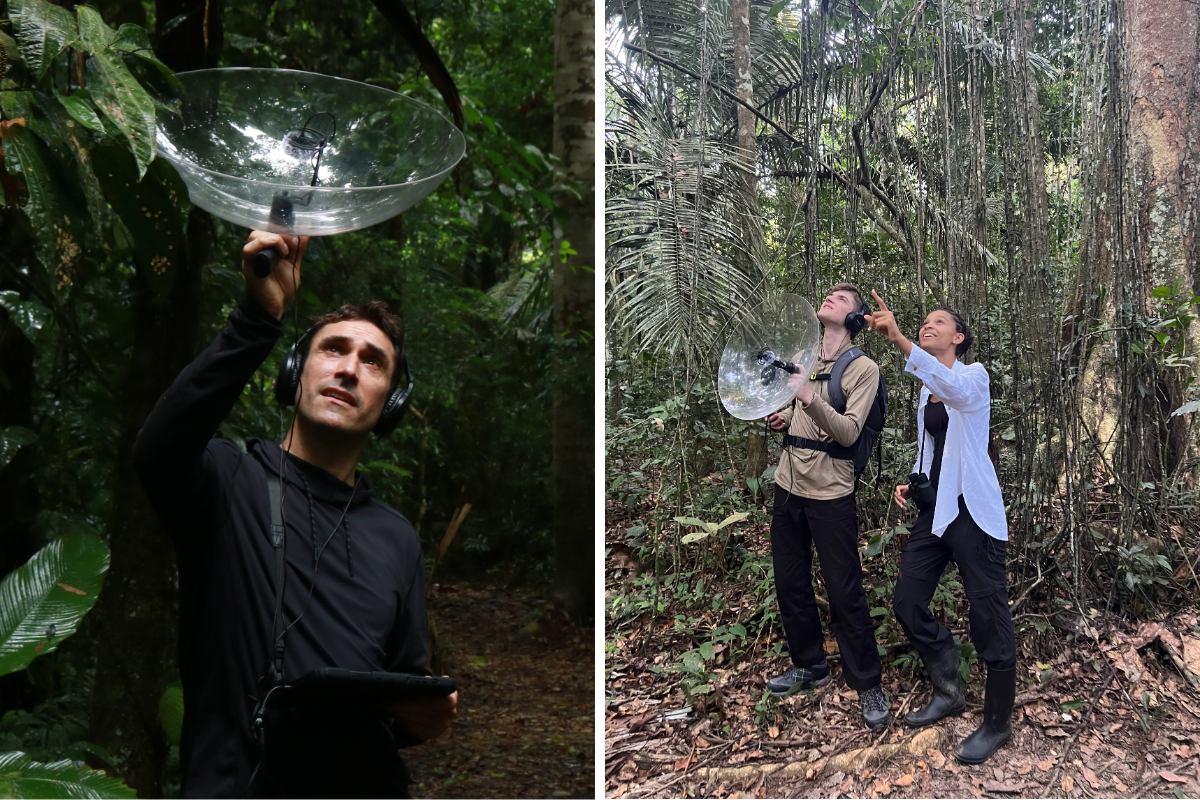
What they're saying: Leyla Huo said: "The experience was incredible as it is one of the most remote ecolodges in South America, meaning I was able to fully immerse myself in nature and see the different biodiversity up close."
Dan Beckett said: "There's something special about seeing them in person. Visualising these with sonograms, which I've used to look at bat calls in the lab at university, was a good way to build on my existing skills."
Dr Mark Bowler, course leader for Wildlife, Ecology and Conservation Science and principal investigator at the 8 Primates Project, said: "It's a tremendous privilege to win this award, recognising the important work that the team and volunteers in Peru do each day to play their part in the conservation of primate species in the wild."
What's next: Ten Suffolk students will travel to Peru in early 2027 to study bioacoustics and primate ecology through a new optional primatology module.
The bottom line: The international recognition validates an innovative model that gives Suffolk students real-world conservation experience in the Amazon while pioneering AI tools that could reshape how scientists monitor endangered primates globally.
This article cost us ~£20 to produce
It's free for you to read thanks to the generous support of our partners.
Below the line