
St George's flag: A symbol of pride or division in Ipswich?
When we asked 185 Ipswich residents how the rise of St George's flags made them feel, three-quarters said it represented national pride. But for others, the responses revealed something more troubling, writes student journalist, Kaelyn D’rozario.
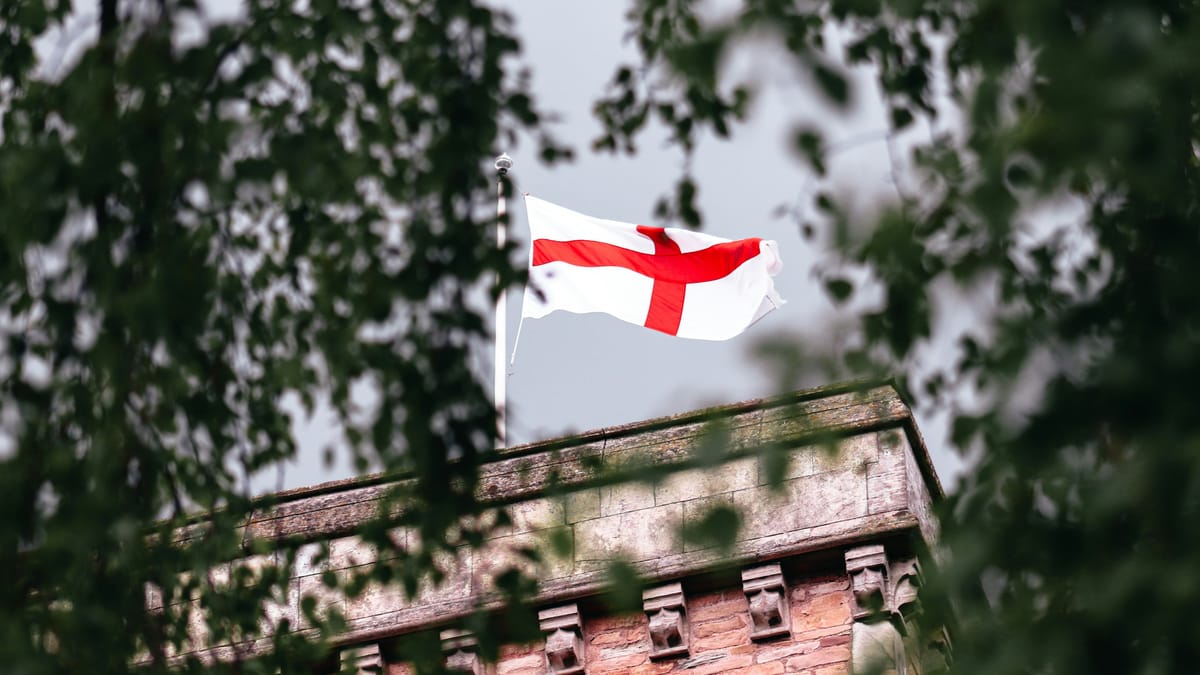
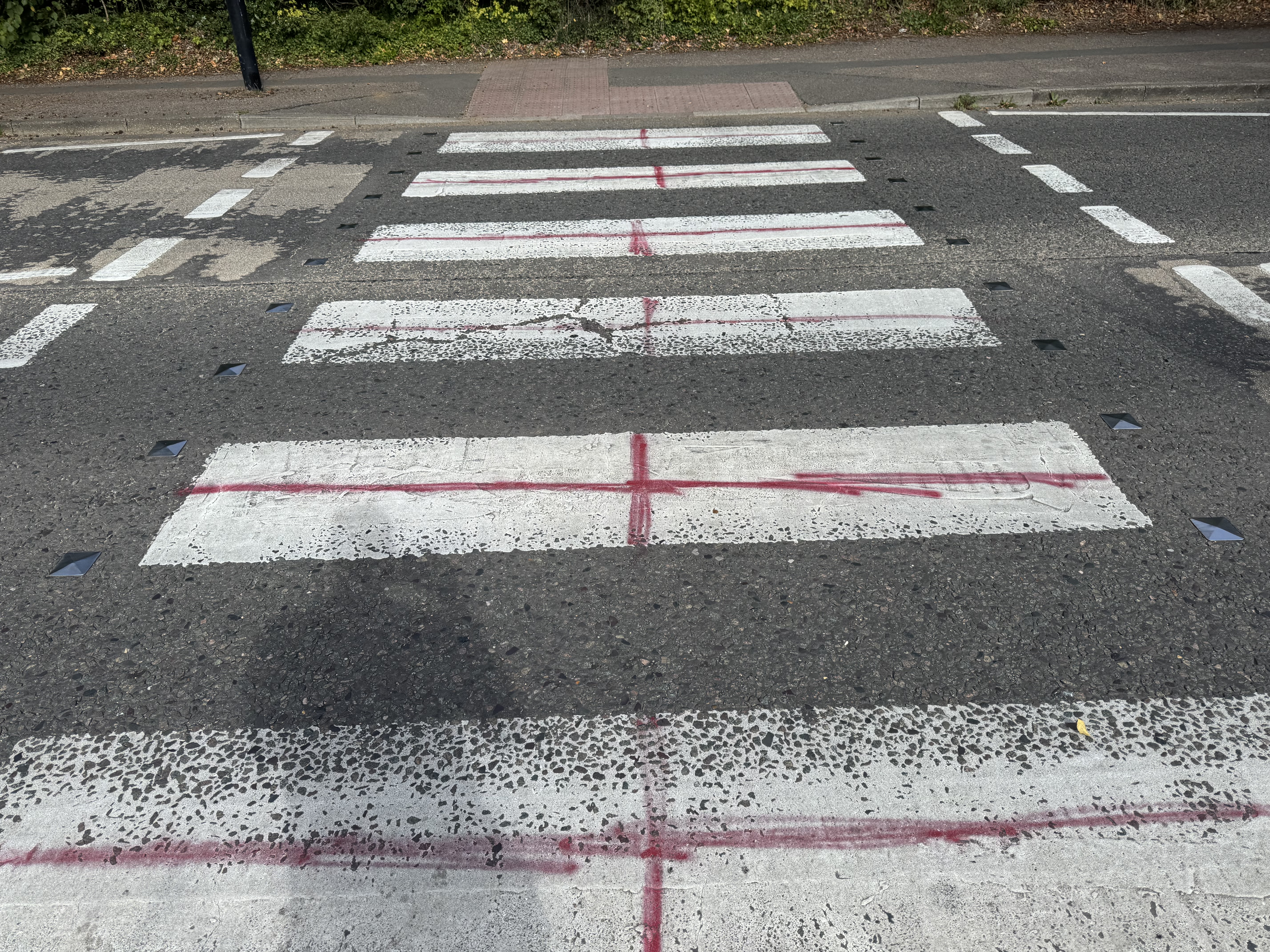
As England's red and white cross appears on more suburban streets following the 'Raise the Colours' movement, the symbol that once united the nation during football victories now divides communities – including our own.
How we got here
The movement began in summer 2025. England's women had just won the UEFA European Championship for the second time, defeating Spain on penalties. The flags went up to celebrate – but this time, they stayed up.
A group in south Birmingham calling itself 'Raise the Colours,' part of the national 'Operation Raise the Colours' movement, had claimed responsibility for extensive St George's flag displays across suburbs nationwide.
With Reform UK gaining ground in national polls and debates about immigration dominating headlines, the flag had become something more contentious than a simple celebration of sport.
'Our flag, flown proudly'
Of the respondents, 75% said the St George's flag was a positive symbol of national pride rather than social division.
Scott Clarke arguably summed up the majority view in his response: "It's our flag and a symbol of English heritage. It should be flown proudly on all government buildings and schools. People should be able to fly the flag without persecution or judgement."
This sentiment was echoed across dozens of responses. For many, the flag represents centuries of history, culture and achievement – something to celebrate openly rather than hide away.
'Used for intimidation'
But 25% of poll respondents told a different story.
Melanie Billingham said that the flag is currently being "used for intimidation" rather than national pride. She questioned whether the movement's supporters would extend the same tolerance to immigrants flying flags from their home countries.
Anna Damanski found the Raise the Colours campaign "quite troubling". Another respondent described their feeling in a single word: "scared".
A symbol with deeper roots
The St George's flag has represented England since the 16th century, but the saint himself transcends national boundaries. Born in what is now Turkey, with Palestinian heritage, St George remains the patron saint of Georgia, Catalonia, Lithuania, Palestine, Portugal and Greece among others.
He is revered in both Christianity and Islam. In theory, St George represents unity across borders and faiths. In practice, his flag has become a flashpoint.
The political backdrop
The debate has not stayed local. Prime Minister Sir Keir Starmer said in September: "Britain is a nation proudly built on tolerance, diversity and respect. Our flag represents our diverse country and we will never surrender it to those that use it as a symbol of violence, fear and division."
His intervention came as Reform UK continued to gain ground nationally. A YouGov poll released on 28 October showed Reform on 27%, with Labour and the Conservatives tied on 17% each – a significant shift in British politics.
What happens next
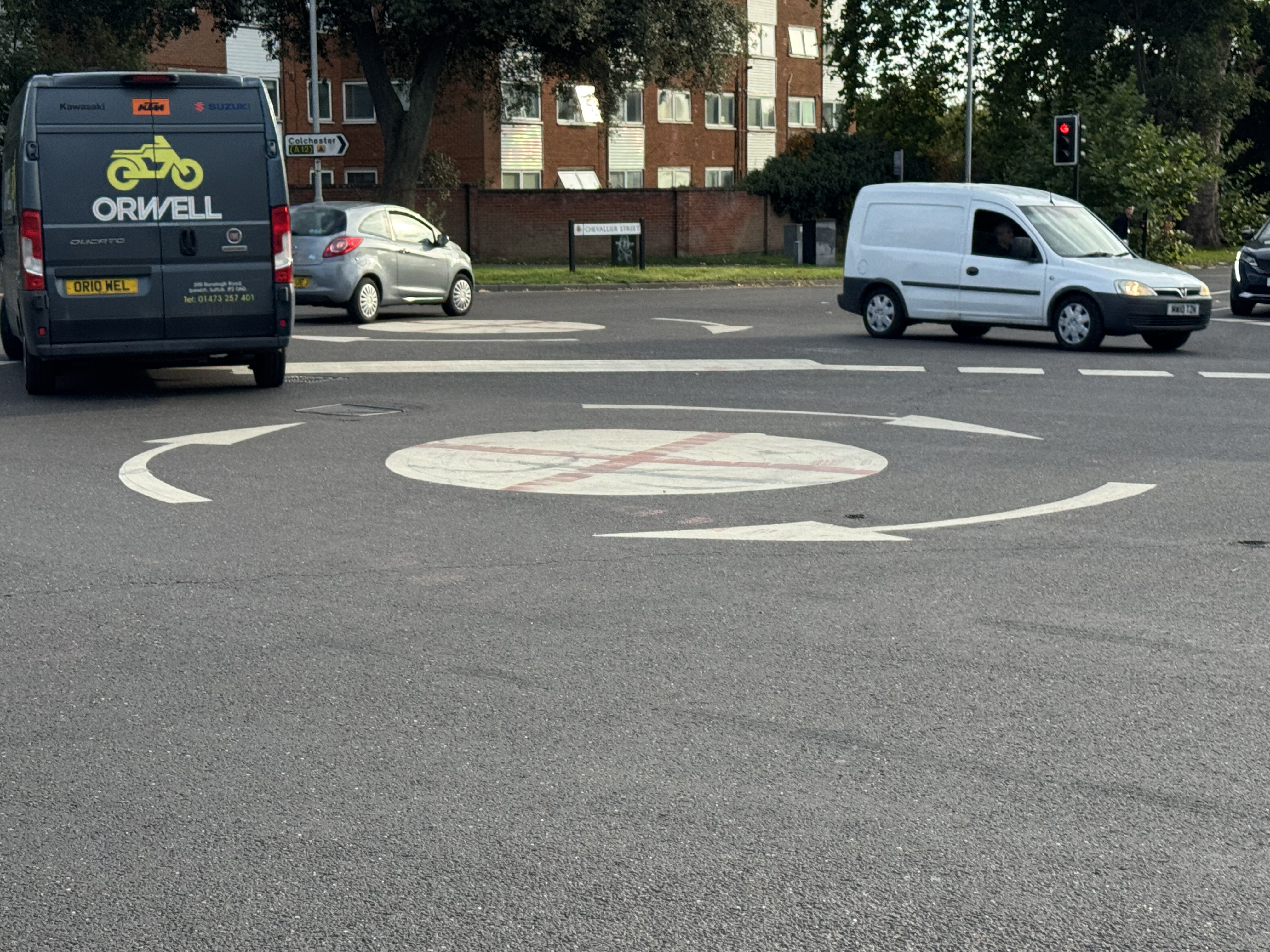
The division shows no sign of resolution. For some in Ipswich, life continues as normal, the flags just another part of the urban landscape. For others, a tension has started building – a feeling of being unwelcome in their own town.
With Reform leading recent polls and the movement showing no signs of slowing, more flags could appear on Ipswich streets in the run-up to the next general election. The question is whether the community can reclaim the symbol's original meaning, or whether the division will deepen.
The bottom line
The St George's flag was meant to unite. Instead, it has created fear within parts of our community. That one resident answered with a single word – scared – speaks volumes about how some residents now feel.
The flag's history suggests a different path. St George's multicultural heritage and global significance point toward inclusion, not exclusion. Whether Ipswich can restore that meaning – celebrating everyone under the red and white cross – remains to be seen. But the alternative – allowing fear to define the symbol – serves no one.
Independent local journalism is expensive to produce
It's free for you to read thanks to the generous support of our partners.
Below the line