
Rare barbastelle bat discovered at Sutton Hoo amid thriving population
One of the UK's rarest bat species has been detected at Sutton Hoo, where researchers have recorded hundreds of nightly bat movements across up to 10 different species.

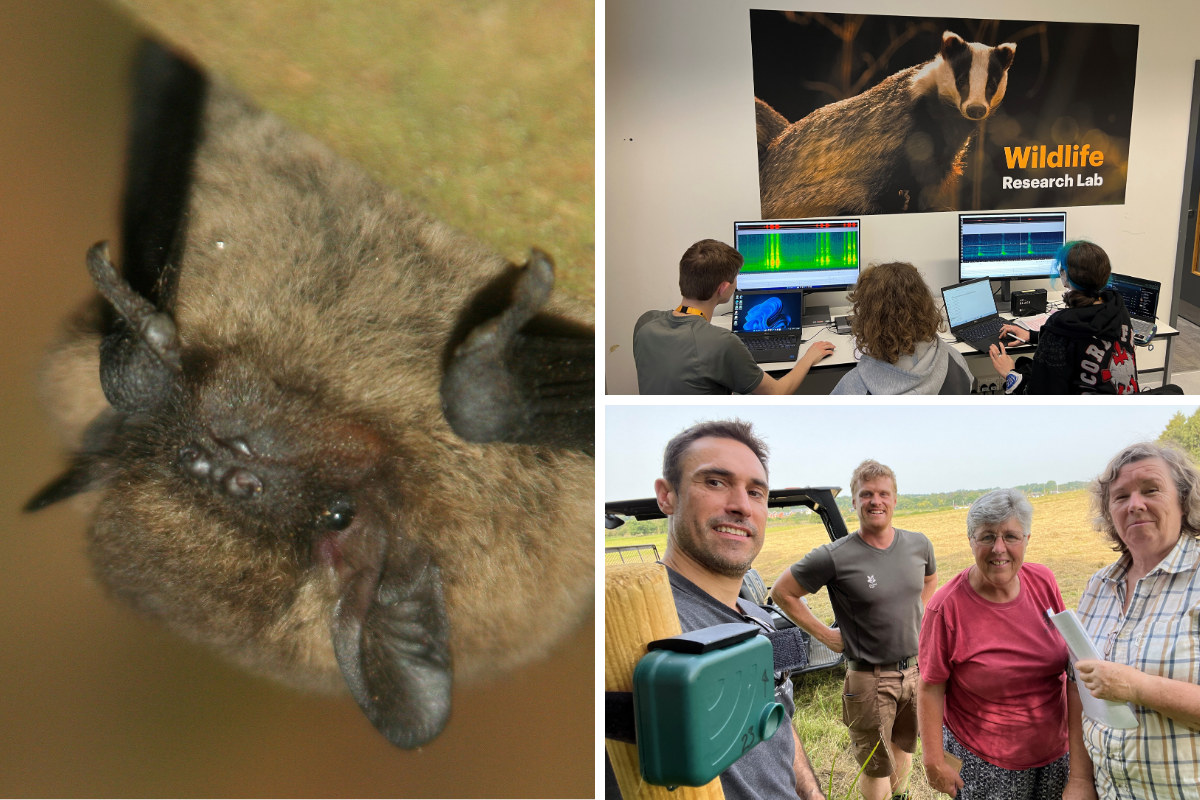
Why it matters: Suffolk and Norfolk are considered strongholds for the rare barbastelle bat in the UK, with Sutton Hoo now confirmed as a key habitat for this protected species.
The big picture: The discovery comes as part of a citizen science project led by Transition Woodbridge in partnership with the University of Suffolk, which has expanded from monitoring bat populations in Woodbridge to include the National Trust site.
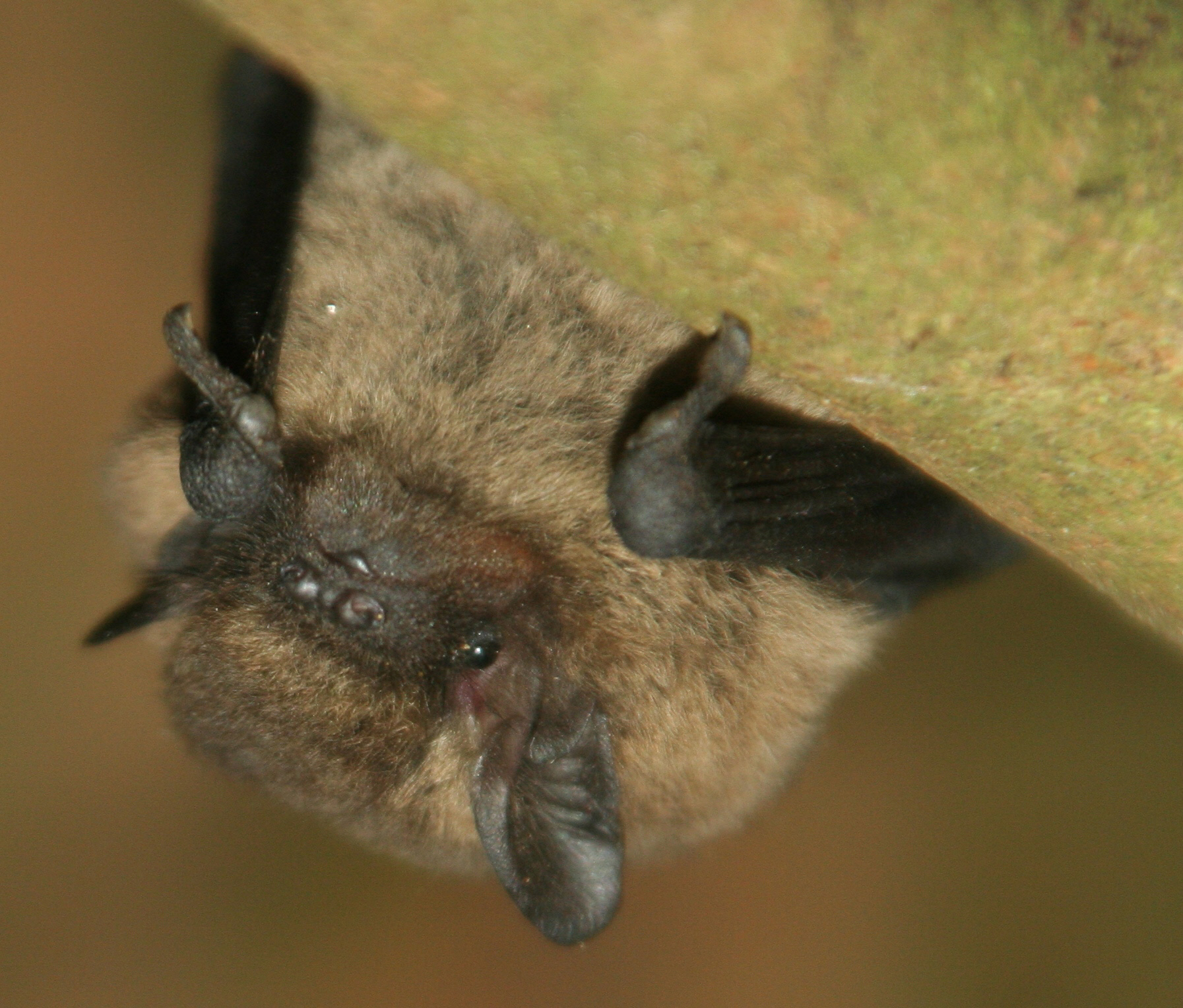
By the numbers:
- Up to 900 movements per night of common pipistrelle bats recorded at some parts of the site
- 9-10 different bat species detected out of the UK's 18 species
- 80 audio devices placed in gardens around Woodbridge
- 16 detectors positioned at Sutton Hoo for two-week periods
What they're saying: "To most people Sutton Hoo is the burial site of an Anglo-Saxon ship but it's also fantastic for bats and is brilliantly managed for nurturing wildlife," said Dr Mark Bowler, Course Leader in Wildlife, Ecology and Conservation Science at the University of Suffolk.
"Bat numbers are in decline but Sutton Hoo's bat population is doing really well."
On the barbastelle bat, Dr Bowler added: "Suffolk and Norfolk are really the stronghold for the rare barbastelle bat. They are low in density which makes them hard to find, but we find them regularly at Sutton Hoo so it's a great conservation good-news story in our county."
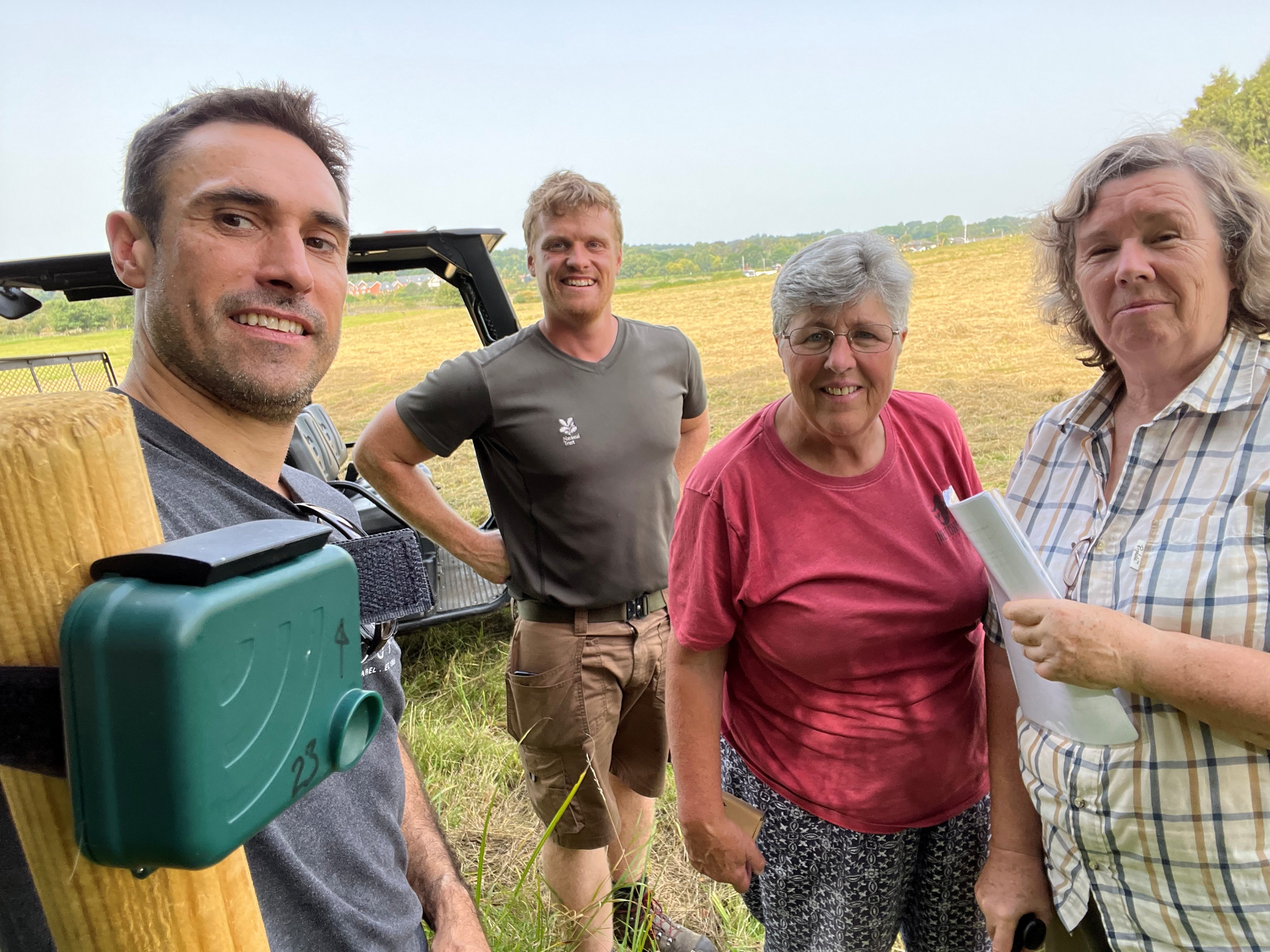
How it works: The partnership first started collecting data in 2022, using audio devices attached to wooden poles to detect bat movements. The recordings are then analysed by computer algorithms to determine the species, with university students manually verifying the results.
Matt Wilson, Countryside Manager for the National Trust's Suffolk and Essex portfolio, said: "The survey results are even better than we thought they might be, with audio from nine-to-ten of the UK's 18 species recorded. It's great to know that both common and rarer bat species, like the barbastelle, are thriving here at Sutton Hoo."
What's next: The partnership is expanding its work with schools, including primary schools in Woodbridge, having secured funding from East Suffolk Council on behalf of the Greenprint Forum to install bat boxes to further improve their grounds for bats.
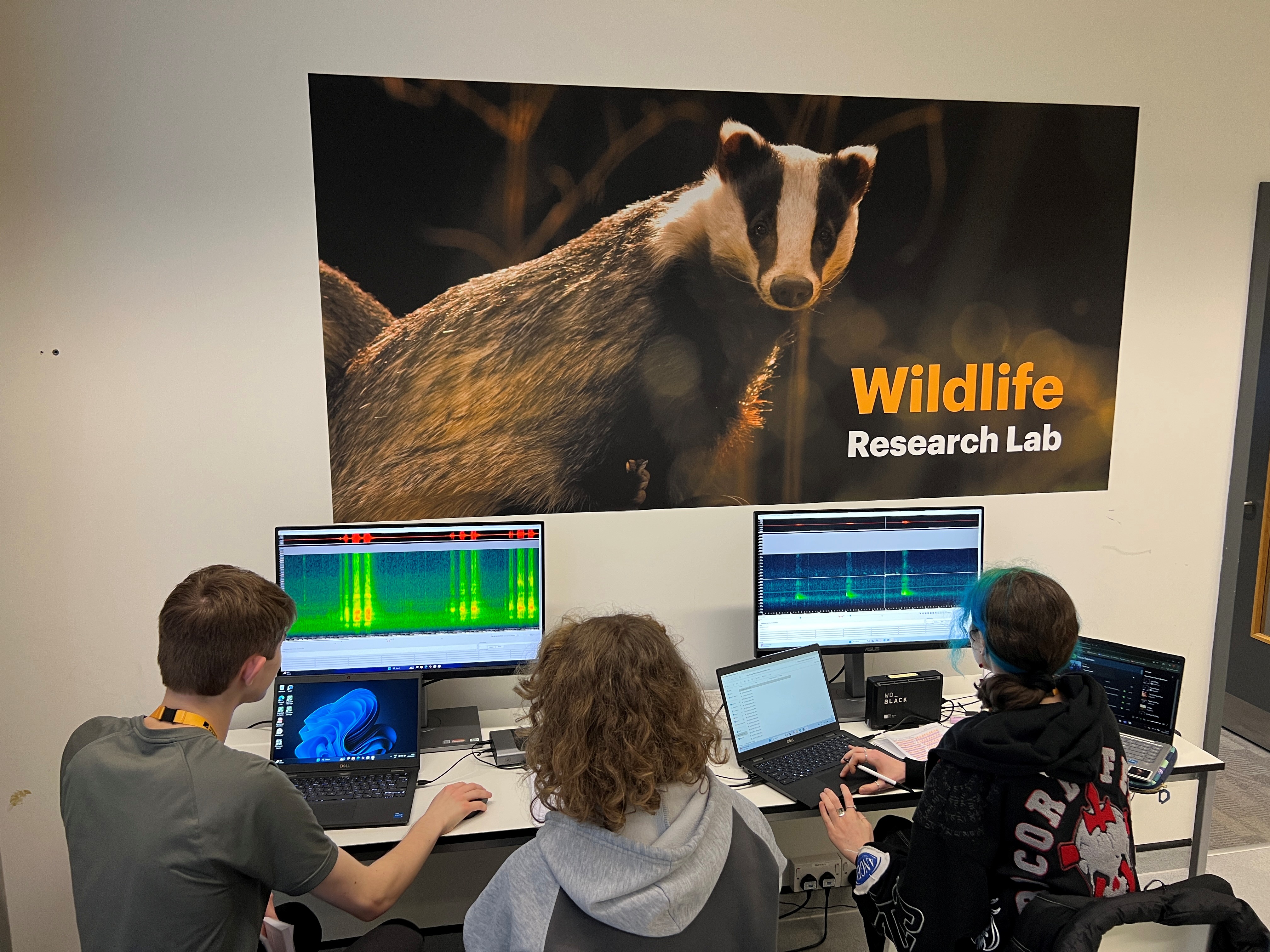
Dr Bowler is also keen for sixth forms and colleges to get involved in the project to survey bats on school grounds and promote an interest in ecology.
The bottom line: For those in the area who are keen to support bat species, homeowners can encourage bats to visit their gardens by installing ponds, or planting trees – particularly native species – as well as plants which attract insects.
Independent local journalism is expensive to produce
It's free for you to read thanks to the generous support of our partners.
Below the line