
Ipswich named as top UK wildlife hotspot as region gets global recognition
Ipswich has secured its place as one of England's top wildlife conservation destinations, while East Anglia has been named among the world's best regions to visit in 2025.

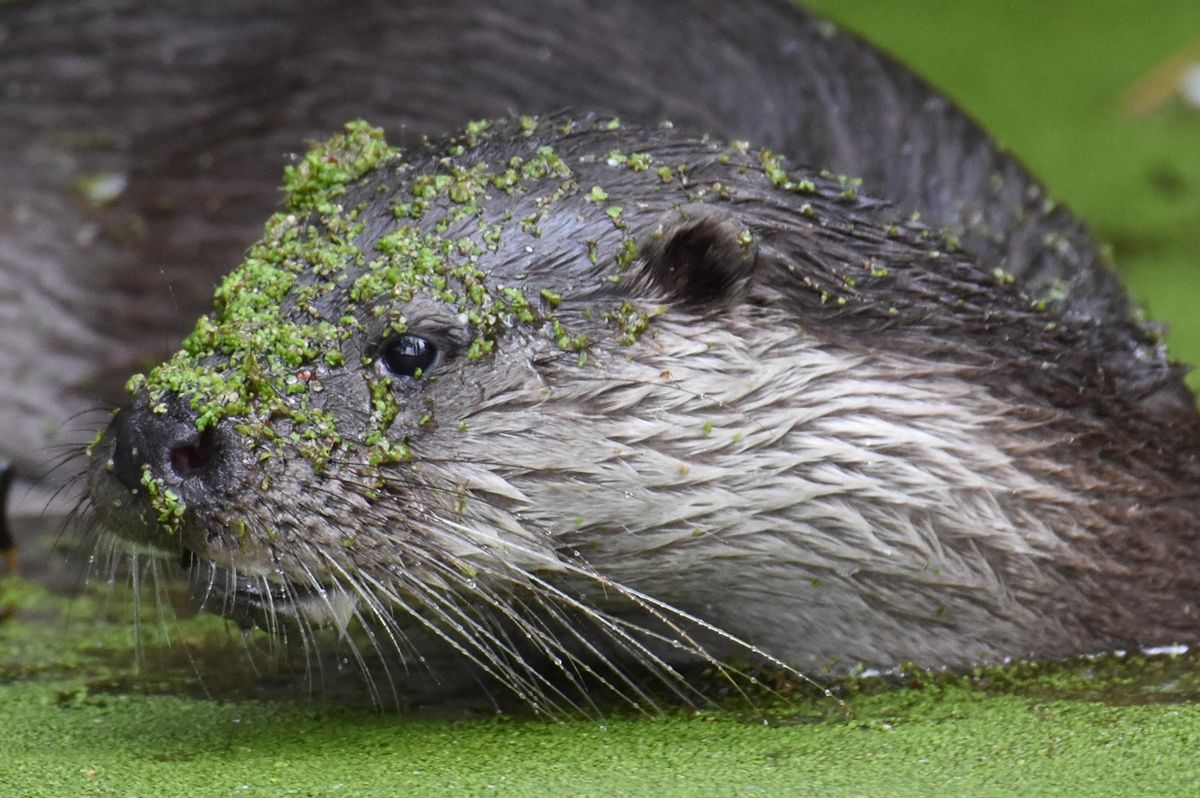
The big picture: Outdoor retailer Millets has ranked Ipswich as the joint seventh-best wildlife conservation hotspot in England, while Lonely Planet has included East Anglia in its Best in Travel 2025 guide.
By the numbers:
- 8 amphibian species spotted within 10km of Ipswich
- 53 mammal species recorded in the area
- 4,179 insect species documented
- 339 bird species sightings
- 13 wildlife rescue centres within a 20-mile radius
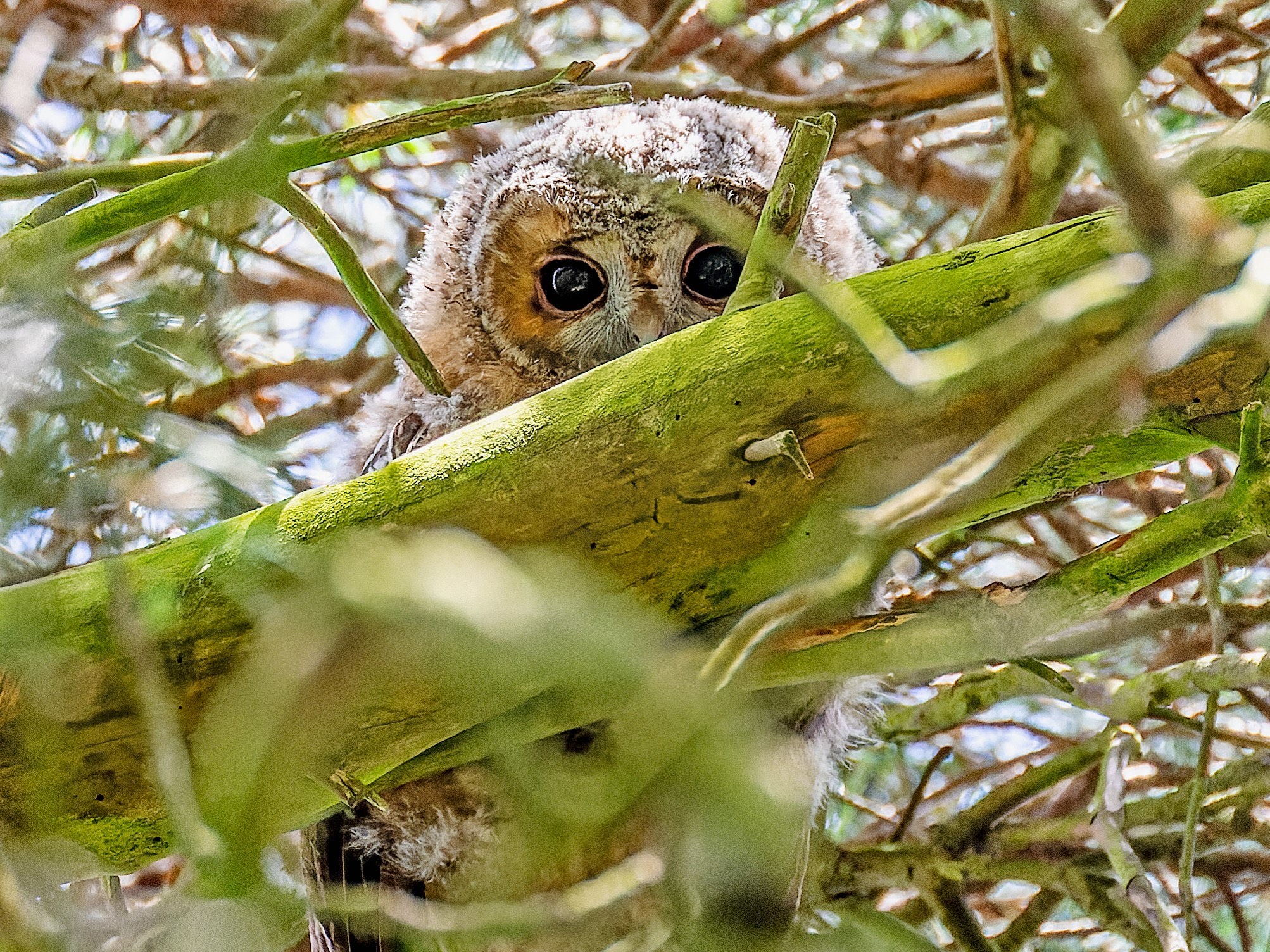
Ipswich wildlife in pictures
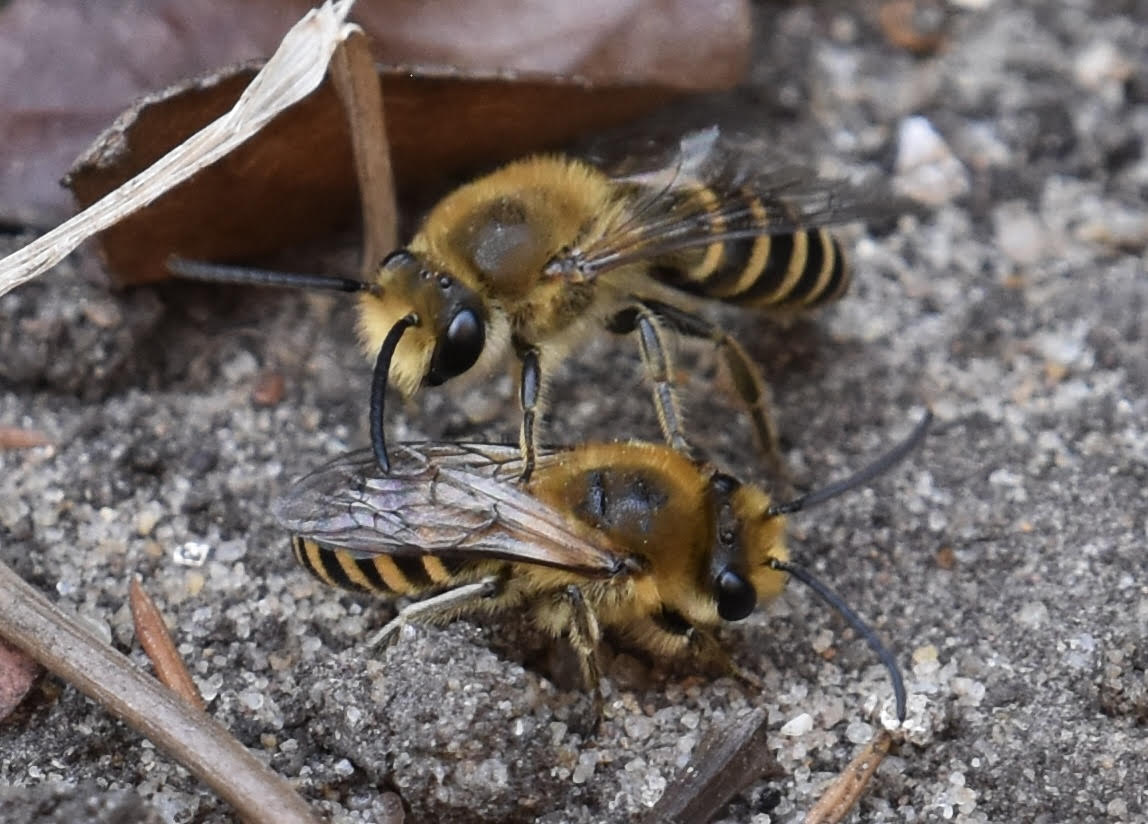
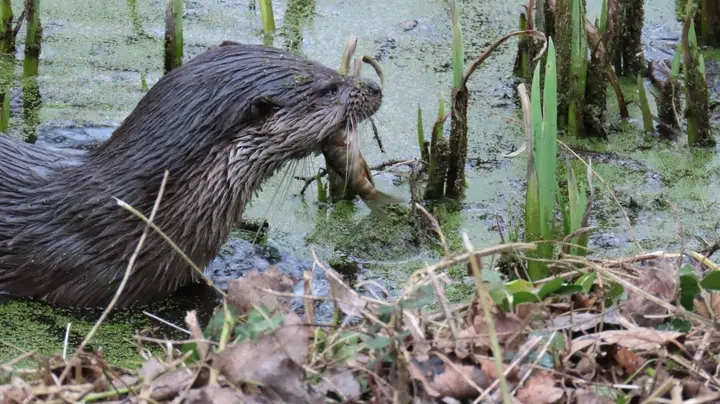
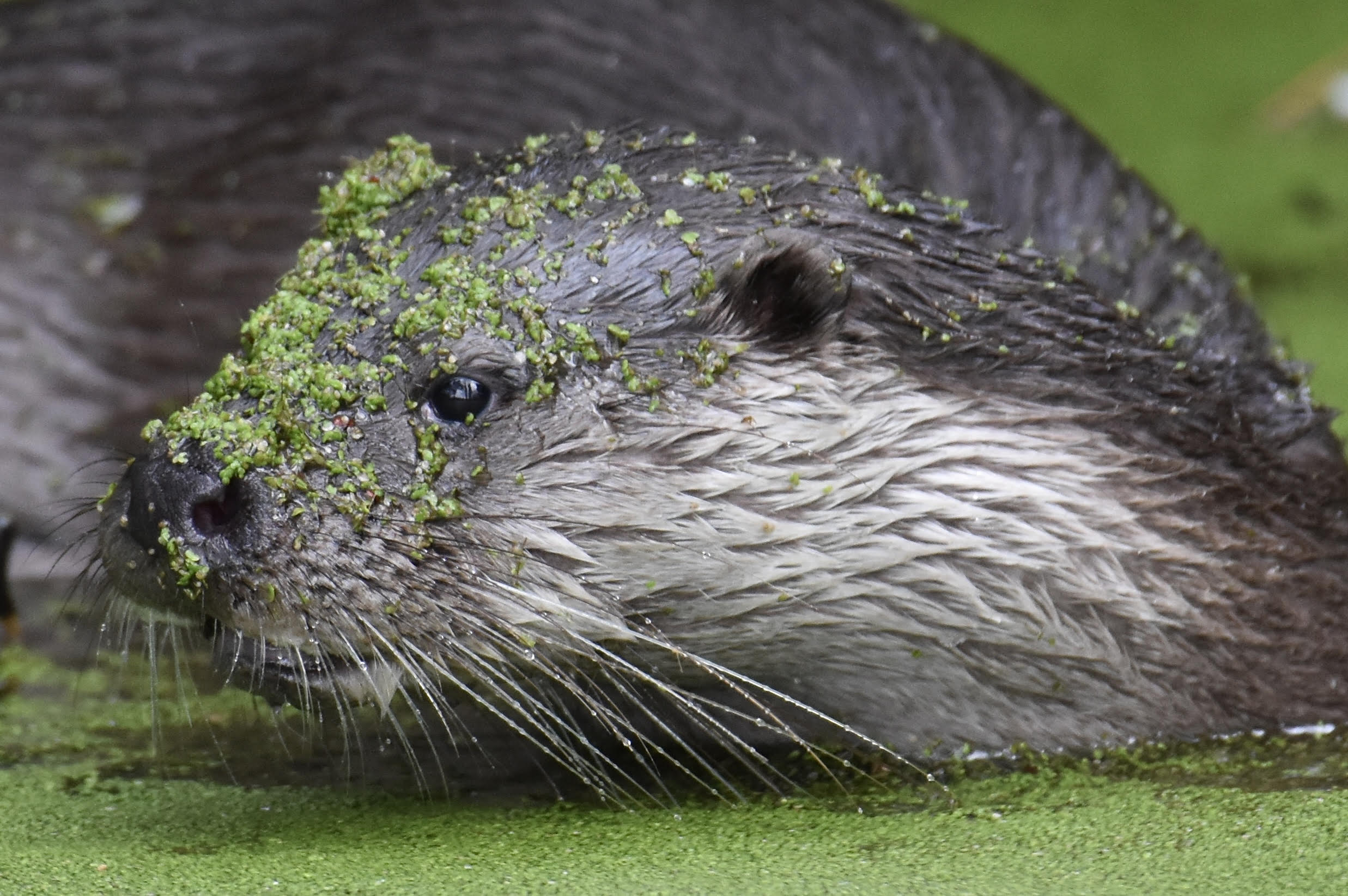
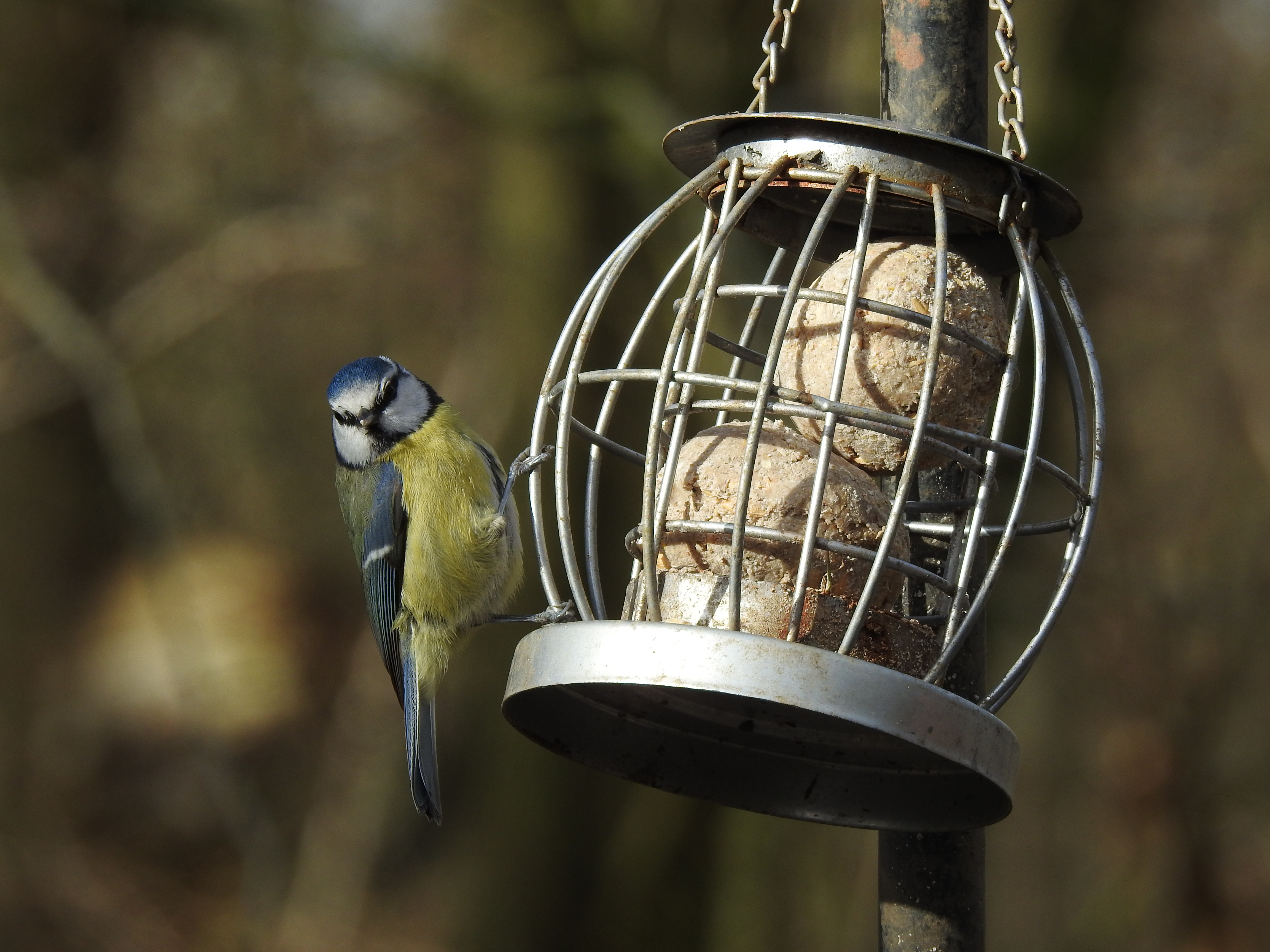
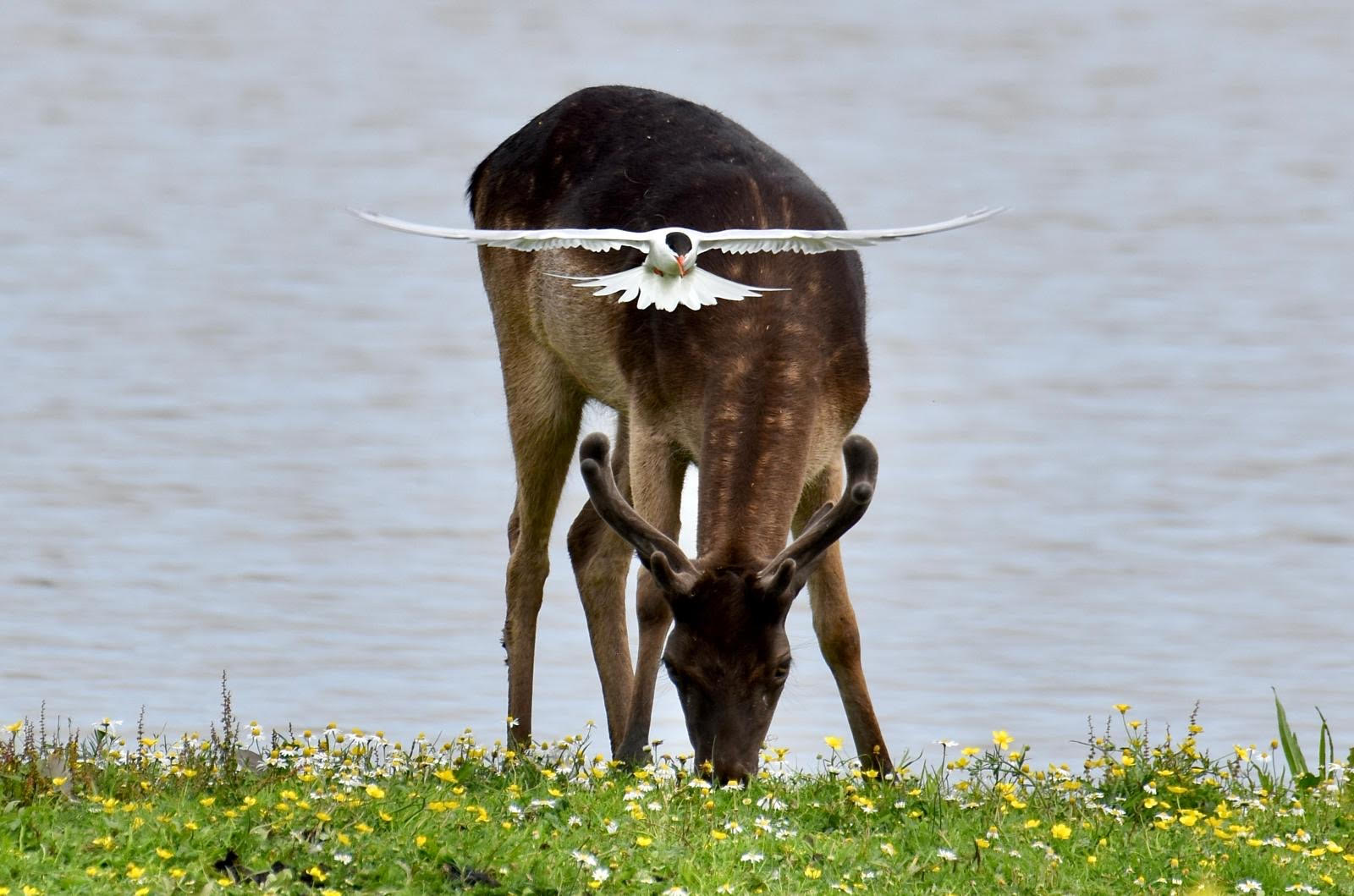
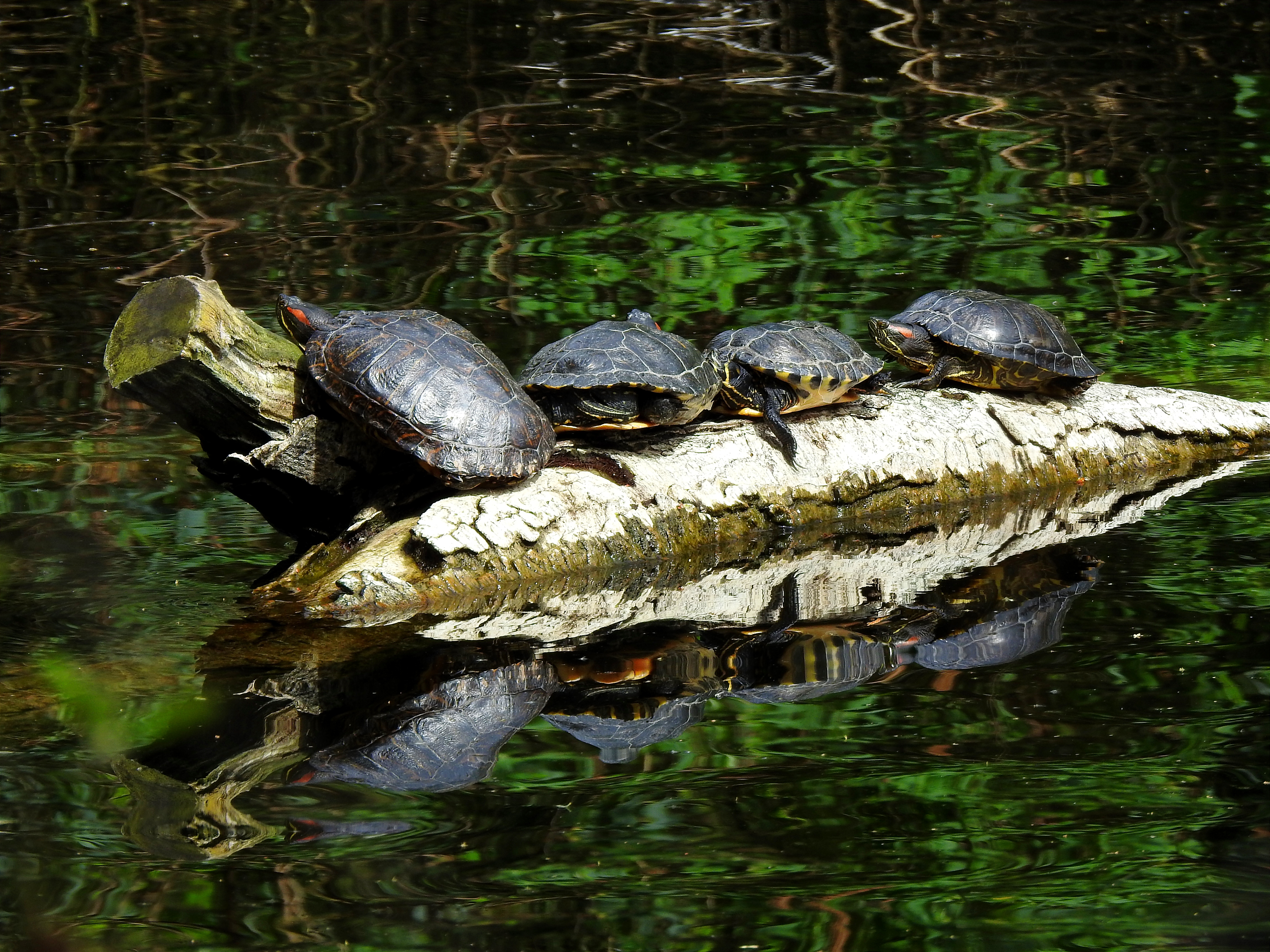
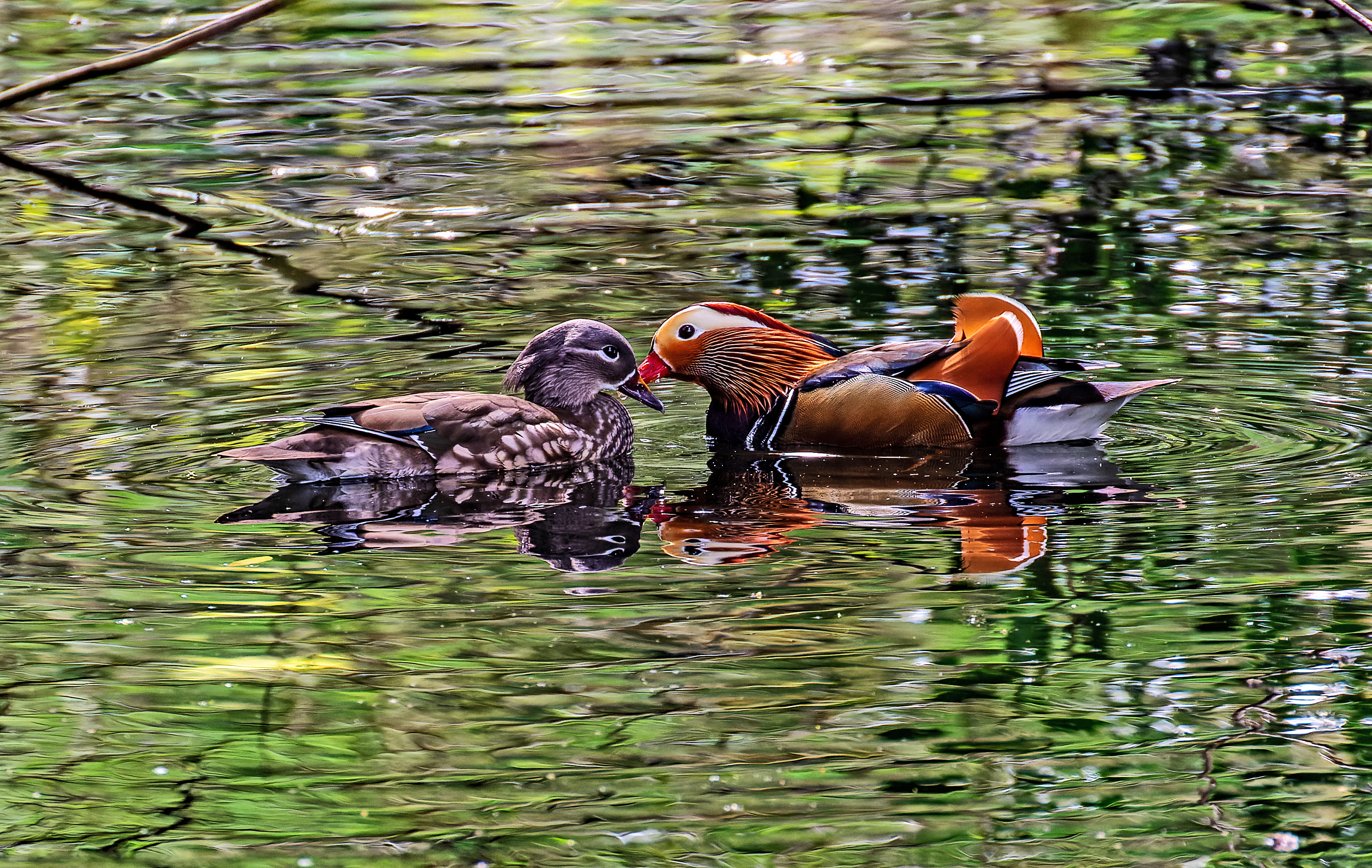
Below are some of our favourite Ipswich wildlife shots provided by our readers.
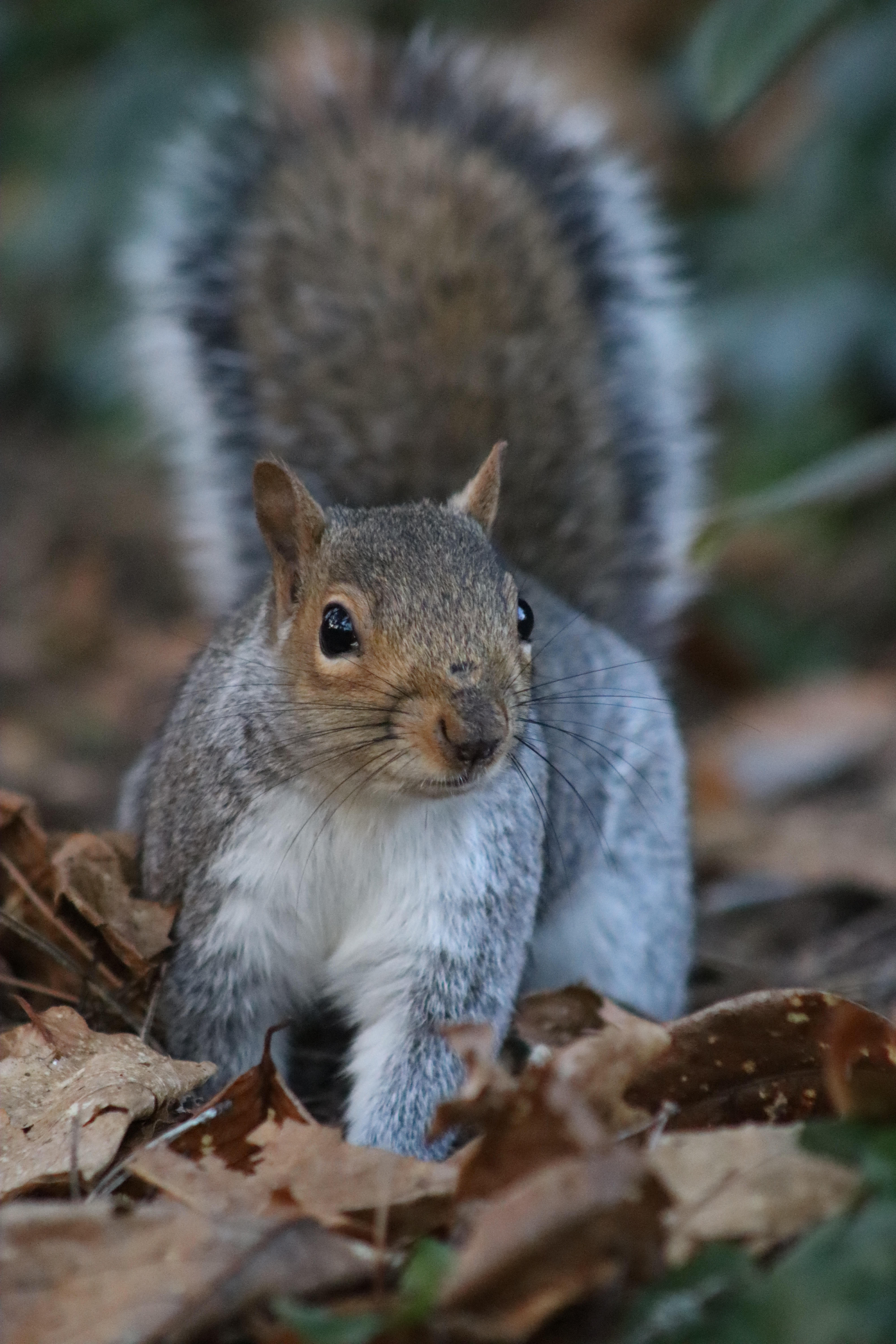
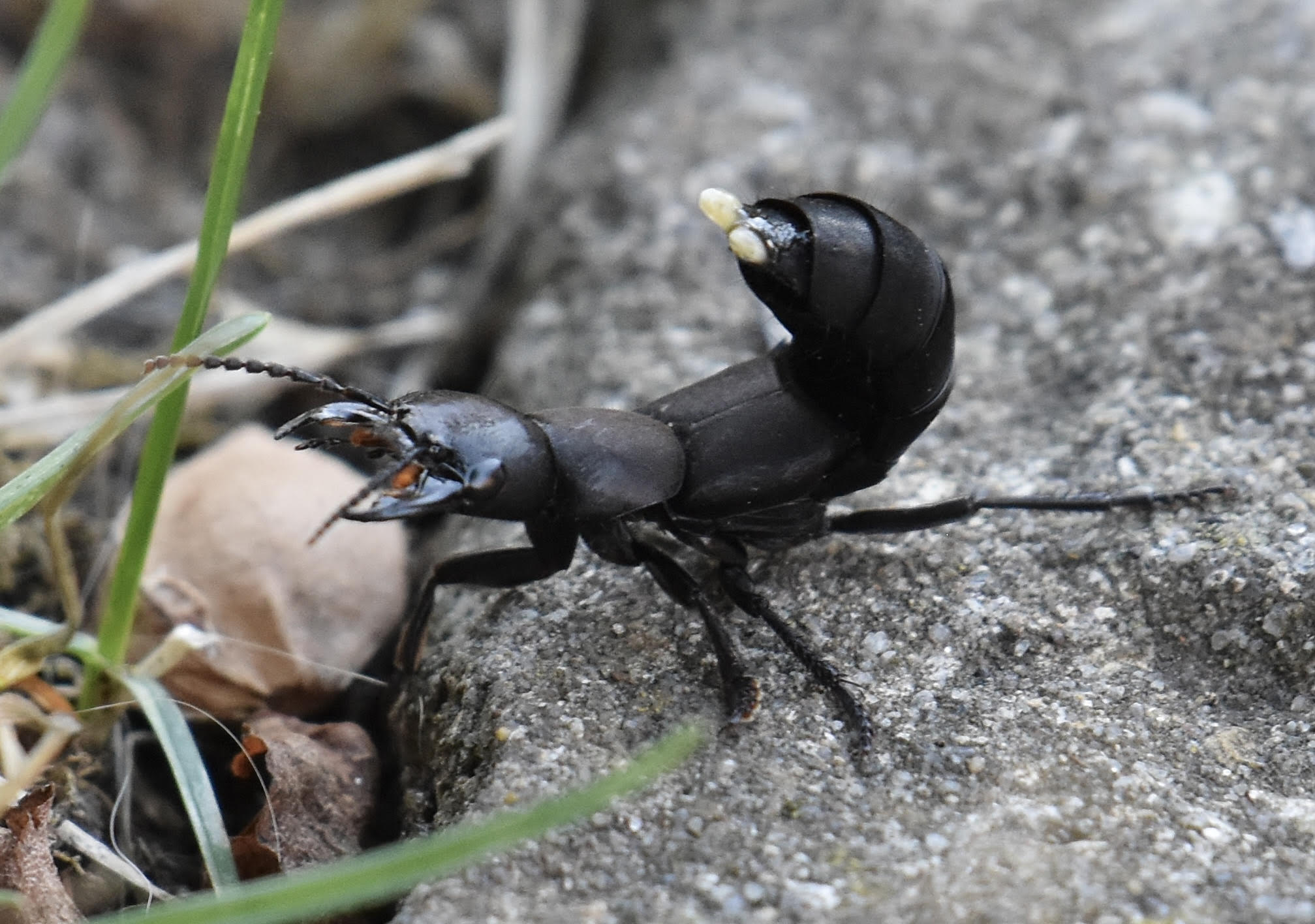
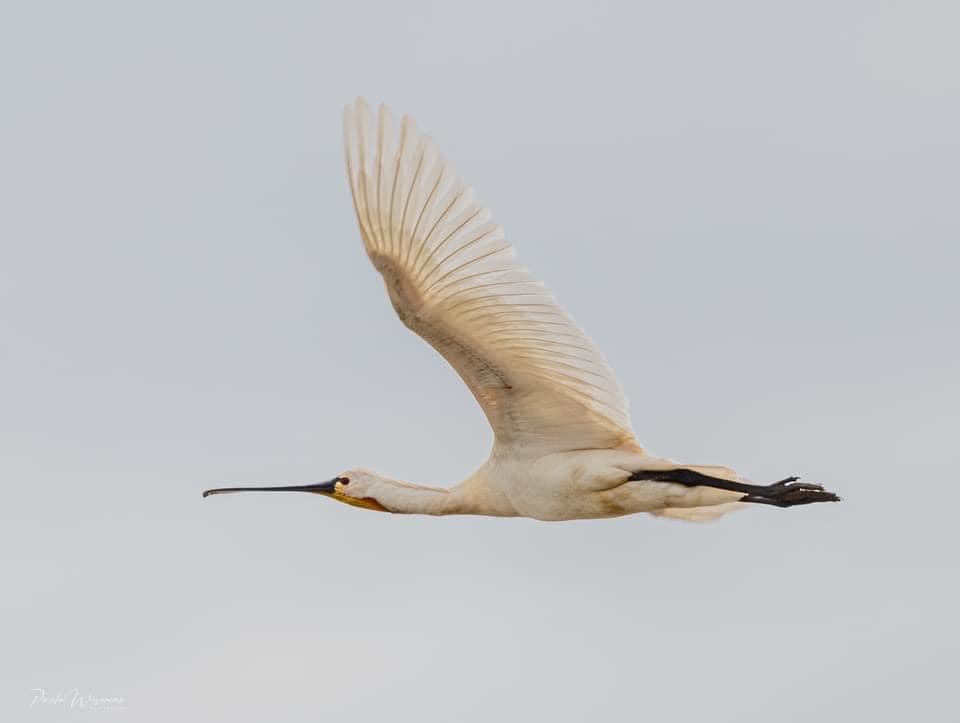
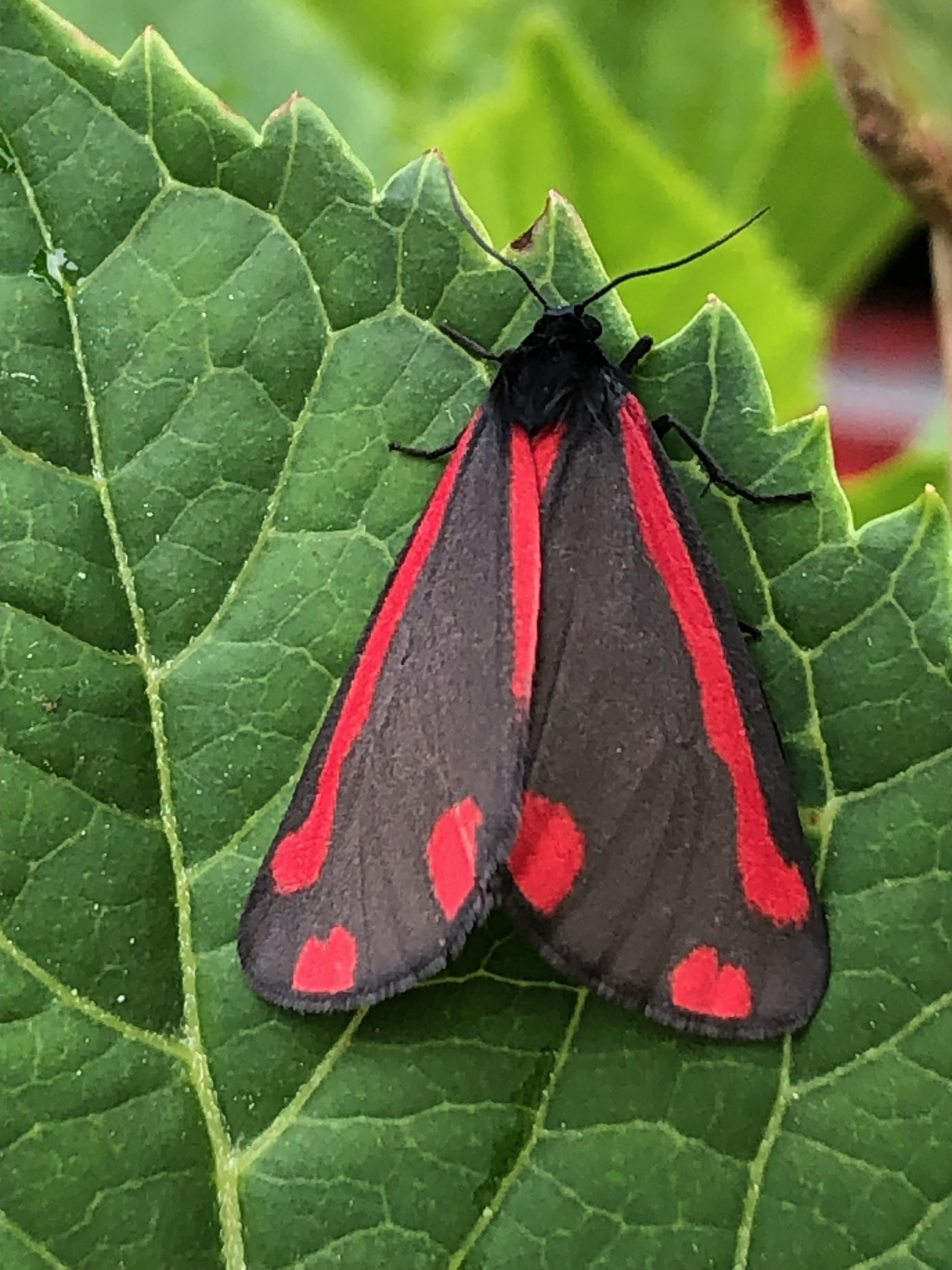
How the rankings work: Millets analysed multiple factors across English towns and cities, including the number of species sightings within a 10km radius, nature and park attractions, and wildlife rescue centres within 20 miles. Locations were ranked based on their combined performance across these categories.
Ipswich was ranked joint-seventh overall. Only Colchester, London and Sheffield recorded more amphibian species than Ipswich, while the town's 13 wildlife rescue centres put it behind just Slough, Bolton and Bradford in that category.
Why it matters: These recognitions highlight the area's rich natural heritage and could boost local tourism, benefiting both the environment and economy.
What they're saying: "It is fantastic to see East Anglia take its place on the global stage," said VisitBritain/Visit England Chief Executive Patricia Yates. "The area boasts an outstanding coastline, fabulous seaside towns, historic attractions, waterways and breathtaking countryside."
Lonely Planet praised East Anglia as "enigmatic" and celebrated the region for offering "a true taste of old England," highlighting attractions including RSPB Minsmere and Cley Marshes nature reserves.
The bottom line: These accolades showcase Ipswich's wildlife conservation efforts while placing the wider region on the international tourism map.
Sources
Independent local journalism is expensive to produce
It's free for you to read thanks to the generous support of our partners.
Below the line