
Ipswich HIV diagnoses rise slightly as national cases fall
Ipswich recorded nine new HIV diagnoses last year – a slight increase from eight in 2023 – bucking the national trend as cases across England fell by 2 per cent, amid the rollout of a new long-acting prevention injection.

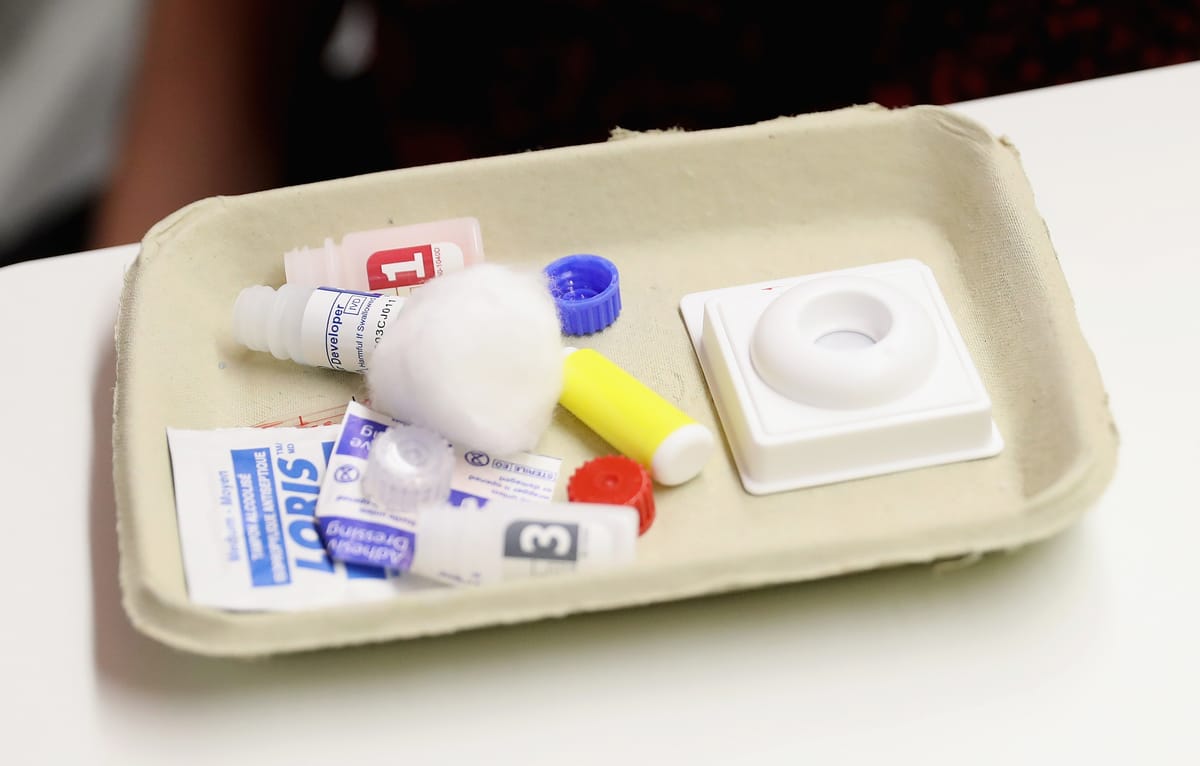
Why it matters: The figures come as the NHS announces a new injection for people unable to take PrEP, the existing prevention medication, with England aiming to become the first country to end HIV transmissions by 2030.
The details: Figures from the UK Health Security Agency show there were nine new diagnoses of HIV in Ipswich in 2024, up from eight a year earlier. The figures exclude people diagnosed with HIV abroad and starting care in England.
- This represents 56 per cent of Suffolk's total diagnoses, with 16 new cases recorded across the county in 2024, in line with a year earlier.
- Across the country, 2,773 people were newly diagnosed with HIV in 2024, down 2 per cent from 2,838 in 2023.
- There were 1,648 HIV tests carried out in Ipswich last year. The number of people tested in sexual health services increased 3 per cent nationally to 1.3 million people in 2024.
The bigger picture: HIV awareness and support charity the Terrence Higgins Trust said progress has been "unequal", adding the figures show a decline in young people being tested.
The charity said inequalities remain around access to the PrEP pill, which prevents the virus from entering the body. It said gay and bisexual men are more likely to be offered it than other groups.
In Ipswich, 75 per cent of people who attended a sexual health service and were found to be at risk of acquiring HIV initiated or continued taking PrEP. The national figure stood at 76 per cent.
What they're saying: Richard Angell, chief executive of the Terrence Higgins Trust, said: "This data is promising, but we have not turned the corner yet. We need to go further and faster, with a relentless focus on tackling the inequalities that persist.
"That means scaling up HIV testing, improving access to PrEP and supporting people living with HIV who are not accessing life-saving treatment.
"Get that right and the new HIV Action Plan can get England on track to end new HIV cases by 2030, once and for all."
Dr Tamara Djuretic, head of HIV at the UKHSA, said the fall in HIV diagnoses is "excellent", but added there is concern about poorer testing among younger people.
"Early diagnosis can be lifesaving, so please get regularly tested if you're sexually active. HIV tests and PrEP are free and confidential through the NHS and local sexual health services," she said.
"If you do test positive, treatment is highly effective, and you can expect to live a long, healthy life."
What's next: The NHS announced the cabotegravir injection has been approved by the National Institute for Health and Care Excellence and will be available to the estimated 1,000 patients who are unable to use PrEP.
Secretary of State for Health and Social Care Wes Streeting said: "The approval of this game-changing injection perfectly embodies what this Government is determined to deliver – cutting-edge treatments that save lives and leave no one behind.
"For vulnerable people who are unable to take other methods of HIV prevention, this represents hope."
He added: "England will be the first country to end HIV transmissions by 2030, and this breakthrough preventative therapy is another powerful tool in our arsenal to reach that crucial goal."
For context: HIV is most often spread by having vaginal, anal or oral sex with someone who has HIV while not using a condom. It can also be spread by sharing needles, syringes or other equipment for injecting drugs, or to babies during pregnancy or birth if the mother has a detectable viral load.
Some people experience a short flu-like illness around two to six weeks after HIV infection, but many people have no symptoms for years. If HIV is not treated, it damages the immune system and may eventually cause more serious illnesses.
With effective treatment, people with HIV can achieve an undetectable viral load, meaning they cannot pass the virus onto someone else. There is currently no cure for HIV, but with correct treatment, most people with HIV do not go on to develop AIDS and are able to live a long and healthy life.
The bottom line: While Ipswich saw a slight increase in HIV diagnoses against the national downward trend, health officials emphasise that free testing and prevention medication remain available through local sexual health services, with new treatment options offering hope for ending transmissions by 2030.
Free HIV testing is available at sexual health clinics, some pharmacies, and through home testing kits. For more information, visit the Terrence Higgins Trust at tht.org.uk or call their helpline on 0808 802 1221.
This article cost us ~£27 to produce
It's free for you to read thanks to the generous support of our partners.
Below the line