
From J-Block to Maple Park: A community that deserves to be seen
To the authorities, it is Maple Park — rebranded, renewed, and the focus of an ambitious policing programme. To the people who grew up here, it will always be Jubilee, and its story is far more complex than any rebrand can capture.

It is a cold afternoon in Maple Park, and Kieran is pointing at a building on a corner. "This was a pub," he says. "Everyone would come in. It would be a thriving part of the community — a thriving part."
He moves on a few steps. "This is a social club." He pauses. "I'm surprised it's still going."
A few paces further, he stops again in front of what is now an unremarkable semi-detached property. "He was a butcher. Brian. Brian knew everyone. You could go in there with no money. My nan said I've got to come and get a dozen sausages. He'd say, all right, boy — that's how it was."
"That's what community means to me. People knew everyone. Everyone knew everyone."
Kieran grew up here in the 1980s and 1990s, in the area of Ipswich then known as Jubilee Park. He now works with offenders, drawing on a life shaped — in part — by streets like these. He has agreed to walk us through the neighbourhood he grew up in, and what he shows us over the next hour reveals something that headlines, policing statistics, and official press releases rarely manage to capture: what a community actually was, and what it has lost.
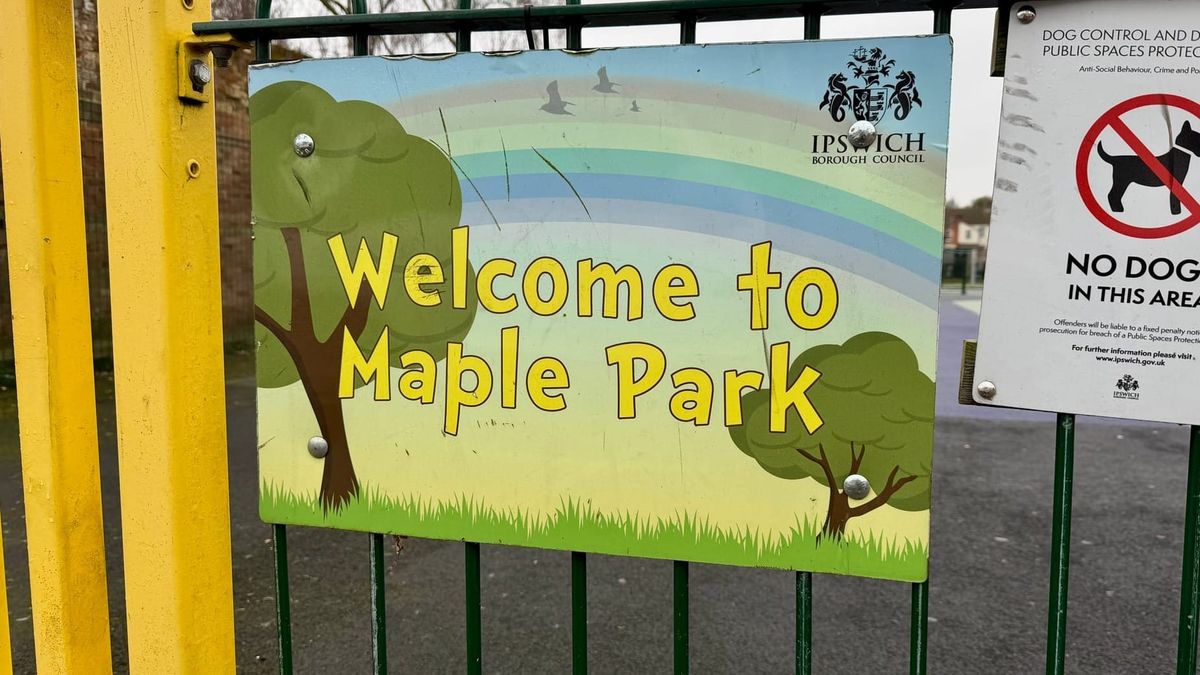
The area he is walking us through sits to the west of Ipswich town centre, roughly bordered by Norwich Road and Bramford Road to the north, Yarmouth Road to the west, and West End Road to the south. It is one of the most deprived areas in the town. Since July 2019, it has been officially known as Maple Park. Before that, it was Jubilee Park. To many who grew up here — and to many who still live here now — it has always been, and remains, J-Block.
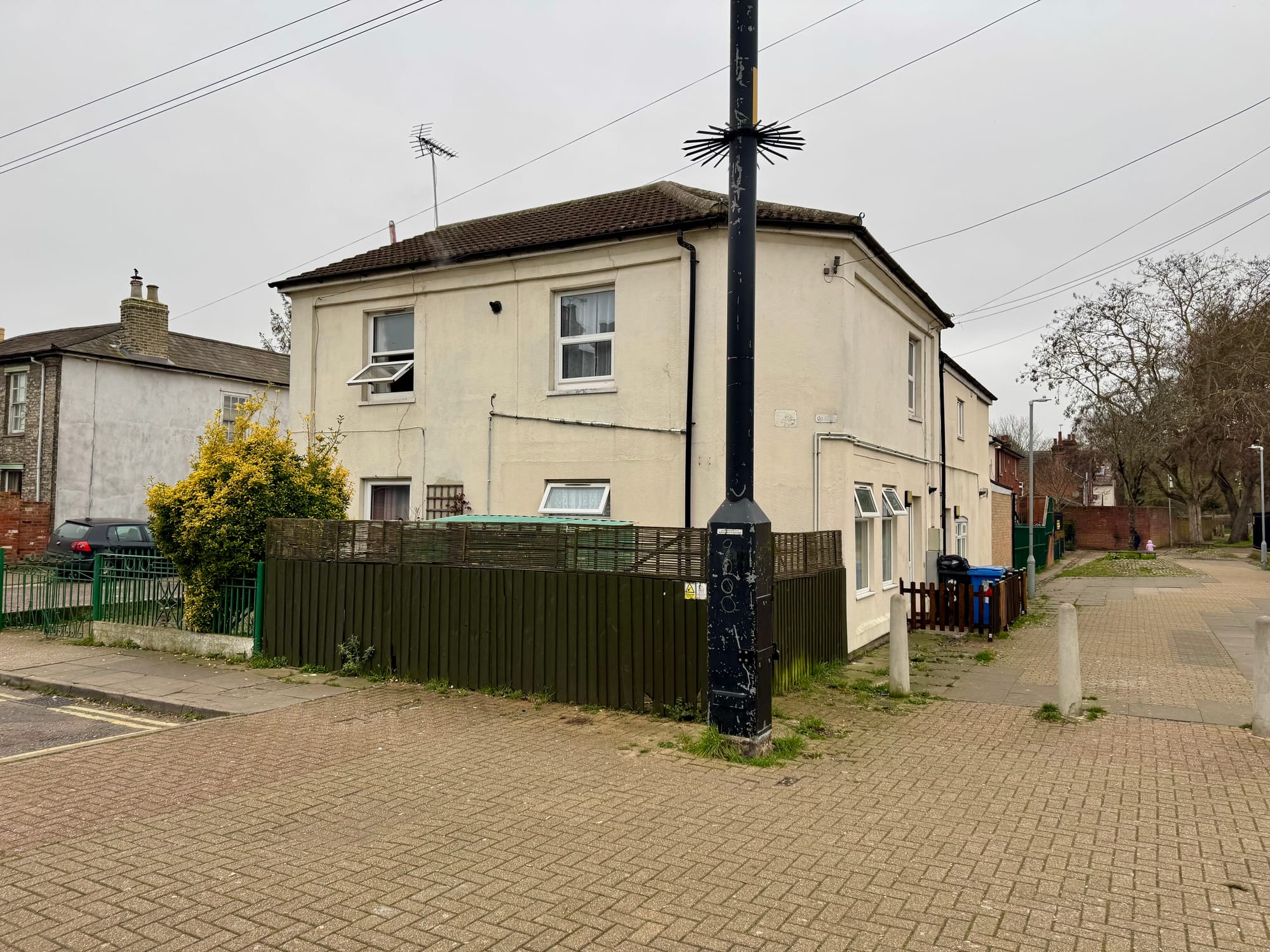
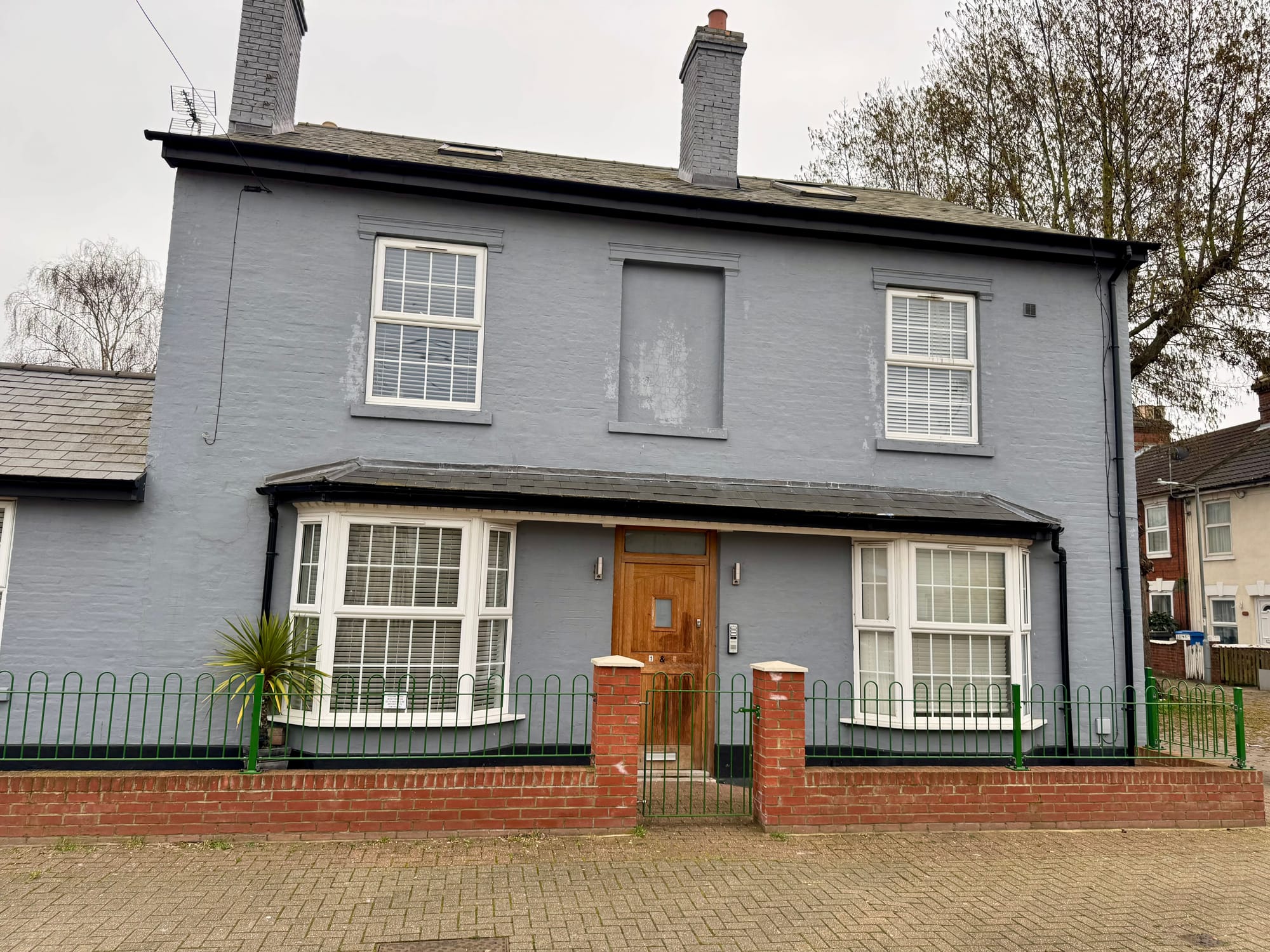
The former community butcher and pub in Maple Park (Photo: Oliver Rouane-Williams/Ipswich.co.uk)
A community built from everywhere
What strikes you first, walking with Kieran, is the depth of the history he carries. He can name, from memory, every family that lived in every house and flat on these streets when he was growing up. Many of them are gone now. Many of them remain.
"There's only two families from the 80s who live in those houses," he says. "No one lives in the flats who was originally there."
The community he describes was one of extraordinary diversity for a town the size of Ipswich. Caribbean families had been arriving since the Windrush generation, from 1948 onwards. Bangladeshi families settled alongside them. There were Irish families, a Sikh-owned corner shop, Indian landlords. Later, Kosovan refugees fleeing the war arrived at the local school. "Mario," Kieran recalls of one of them. "He just became one of our friends. We didn't know anything about Bosnia. He explained he was from Bosnia, but he was Albanian — and we were thinking, Albanian? Now it's a normal part of British culture, but back then that was rare. We were fascinated."
"The level of diversity that existed here was like nowhere else in the surrounding areas. It was only when I went to inner-city areas that it felt like, oh yeah, this reminds me of my community," he said.
Mark Straw, a youth and community worker who has spent decades in Ipswich and isn't from Maple Park, but knows the area well, describes the area as a proud working-class community, one defined by endeavour and by people striving to build better lives. "A lot of people who came from here, they're really successful," he says.
Keiran provides one example: "There was a corner shop down the street — an Indian woman, her husband died, she worked there. She put her son through private school. He became a surgeon. That's what working-class people did when they came from overseas. They created platforms for the next generation to do better."
The Black Mountain and what replaced it
Before it was Jubilee Park, before it was Maple Park, the green space at the heart of this area had another name entirely. "It was known as the Black Mountain," Kieran says, "because there was a huge black mound — higher than these houses — covered in tarmac. It had a monorail. You'd jump on the top and go down. People fell off, broke an arm, broke a leg. You'd go right around."
He laughs at the memory. It is the laugh of someone describing a childhood that was, by his own account, genuinely happy. "I loved it, man. It was a thriving community. There'd be loads of kids out here, families. You'd be up playing until 9, 10 o'clock at night, in the dark. People walking around smelling like barbecue. Everyone would know, oh yeah, that's so-and-so's kid — you'd better go home now."
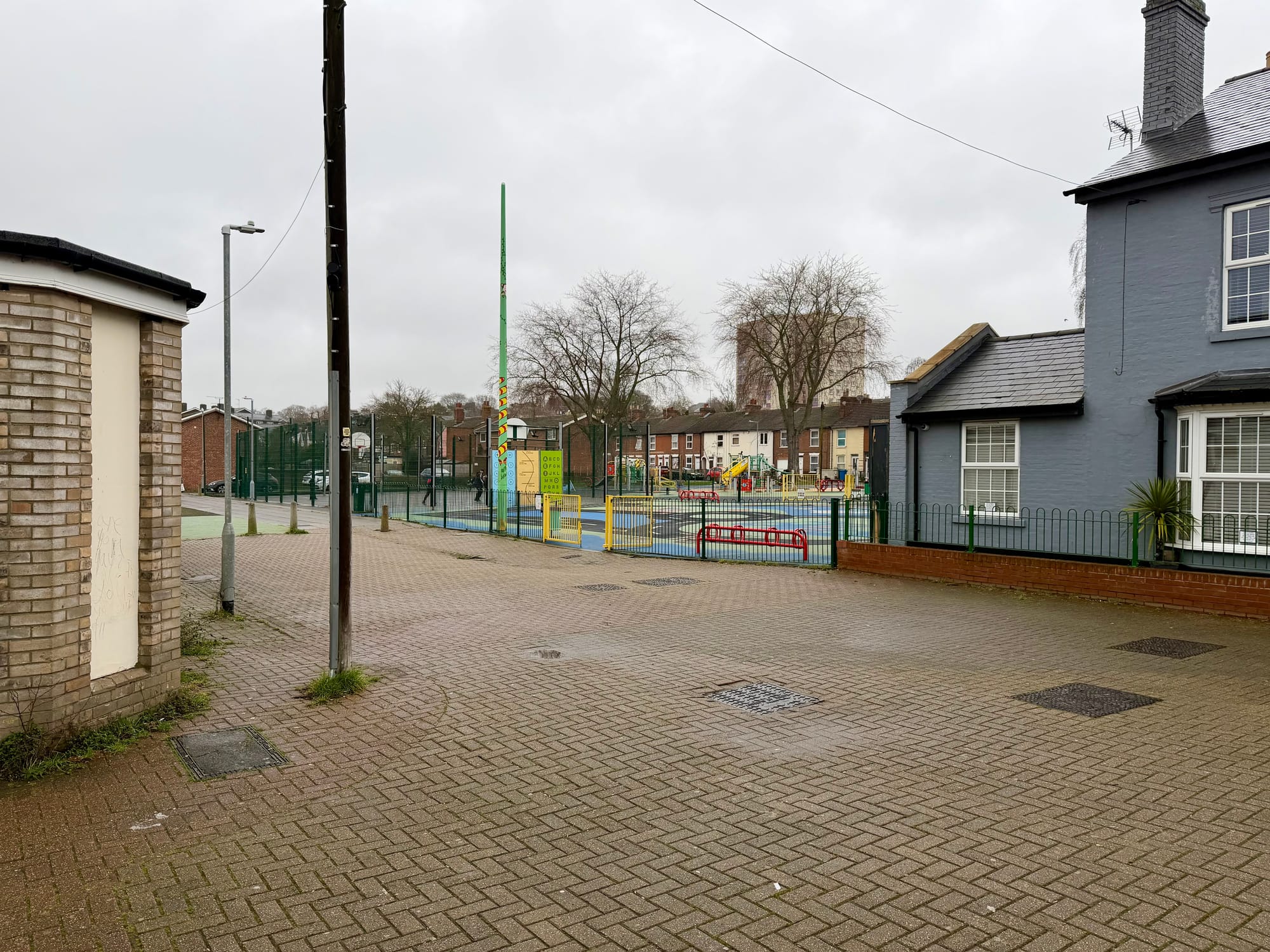
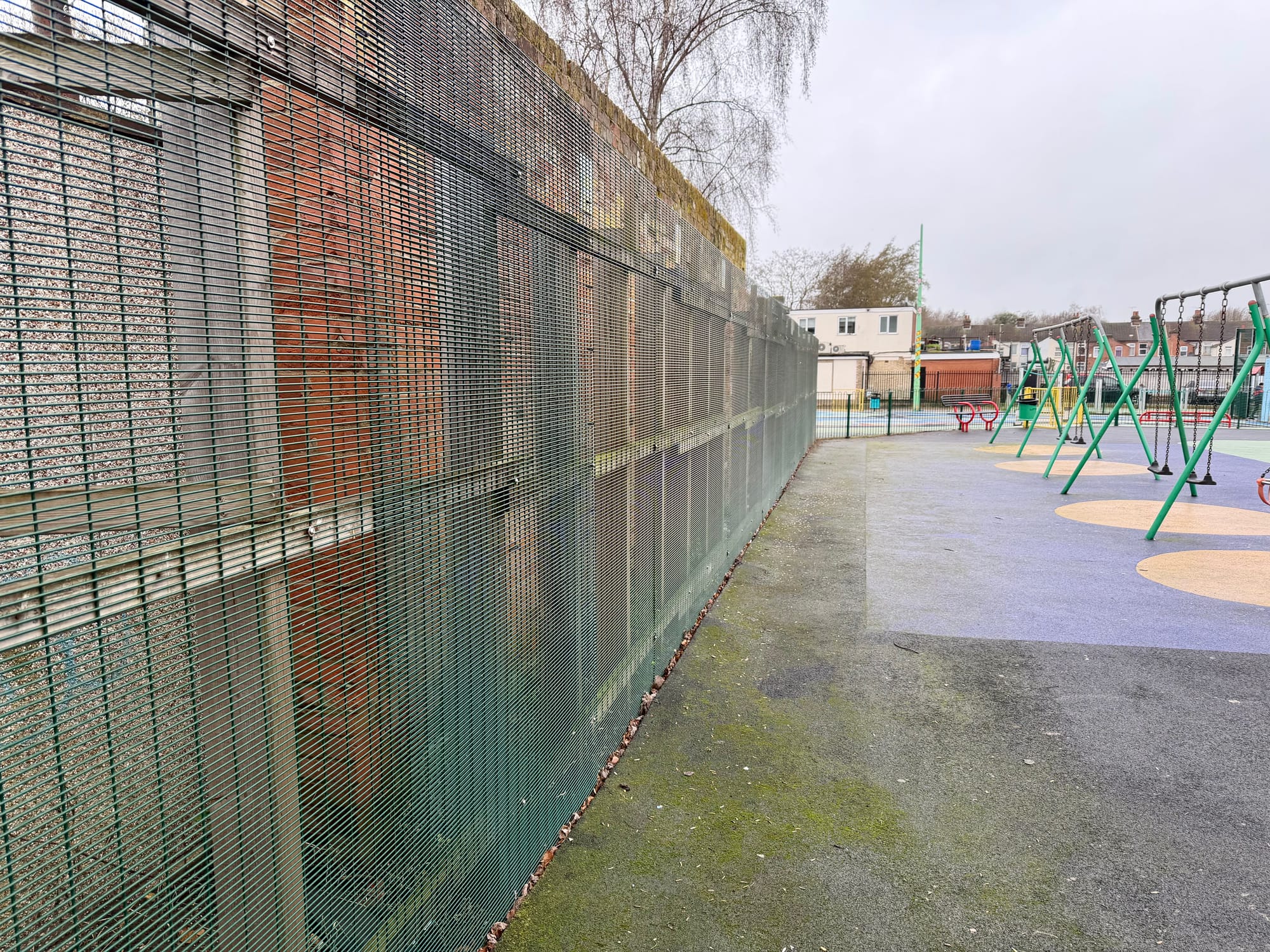
The recreation area used to be home to a vibrant mural – no one understands why it was removed (Photos: Oliver Rouane-Williams/Ipswich.co.uk)
The park itself was renamed in July 2019, taking its new name from two large maple trees at its edge. The renaming was intended to signal a fresh start for an area that had become associated, in the public mind, with crime and gang violence. A new playground and youth facility were built. They are, Kieran and others acknowledge, well-maintained. But the Black Mountain is gone, as are the pub, the butcher, and much of what once drew people together.
"There's not much of the old community left," Kieran says quietly, as we walk.
The murder that changed everything
If there is a single moment that calcified outside perceptions of this community — that turned Jubilee Park, in the public imagination, into J-Block — it is the murder of Tavis Spencer-Aitkens on 2 June 2018.
Tavis was 17 years old. He was stabbed 15 times and struck over the head with a glass bottle in Packard Avenue in a targeted, planned attack. He died in hospital. It was, the judge at the subsequent trial said, "a grim demonstration" of how knife crime had "blighted towns and cities across the UK."
Five men were convicted. Four — Aristote Yenge, Kyreis Davies, Adebayo Amusa, and Isaac Calver — were found guilty of murder and sentenced to life imprisonment, with minimum terms ranging from 21 to 25 years. A fifth, Callum Plaats, was convicted of manslaughter and sentenced to 14 years.
The killing had emerged from an intense rivalry between two Ipswich gangs: the Neno gang, based around the Nacton Road area of IP3, and the J-Block gang, whose members were associated with the Jubilee Park area. The two groups had publicly stoked their feud through music videos posted on YouTube. The attack on Tavis was, prosecutors told Ipswich Crown Court, an act of revenge — retaliation for a perceived humiliation after two J-Block members had been spotted by rivals and had hidden in a shop in the town centre.
Tavis's mother, Sharon Box, told the court her life had been "shattered" and her heart "broken beyond repair."
The murder made national headlines. It brought camera crews to these streets. And it fixed, in the minds of many people far beyond Ipswich, an image of this community that those who live here say bears little resemblance to the place they know.
A name change and an unanswered question
The decision to rename Jubilee Park came a year after the murder. The stated rationale was regeneration — to give the area a new identity, to signal that things were changing. The name Maple Park was chosen, a reference to the trees that stand at the park's boundary.
The reaction among long-term residents has been, at best, mixed. Many simply do not use the new name. Younger people, in particular, still refer to the area as Jubilee, or J-Block. Some were not even aware that the official name had changed.
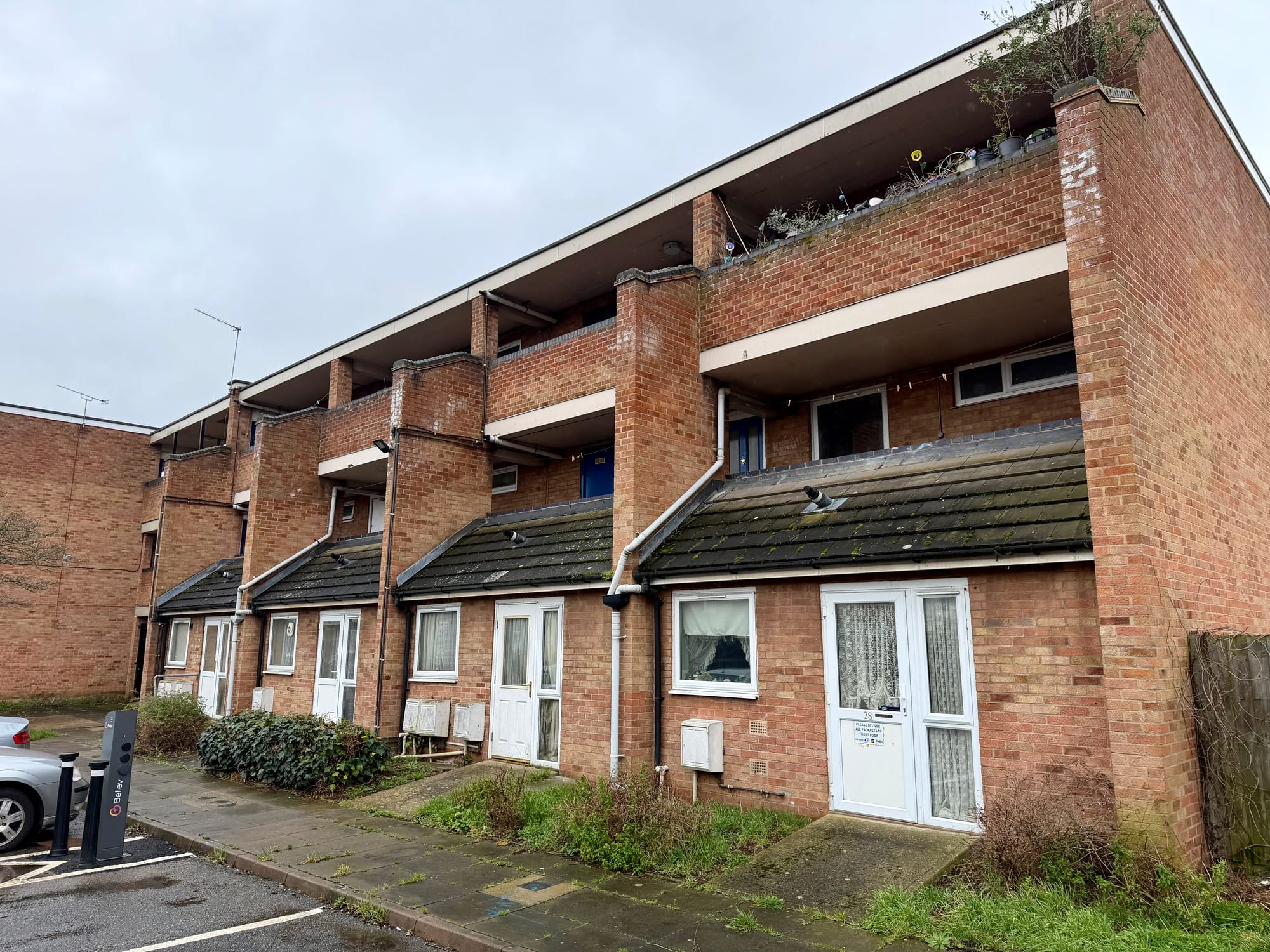
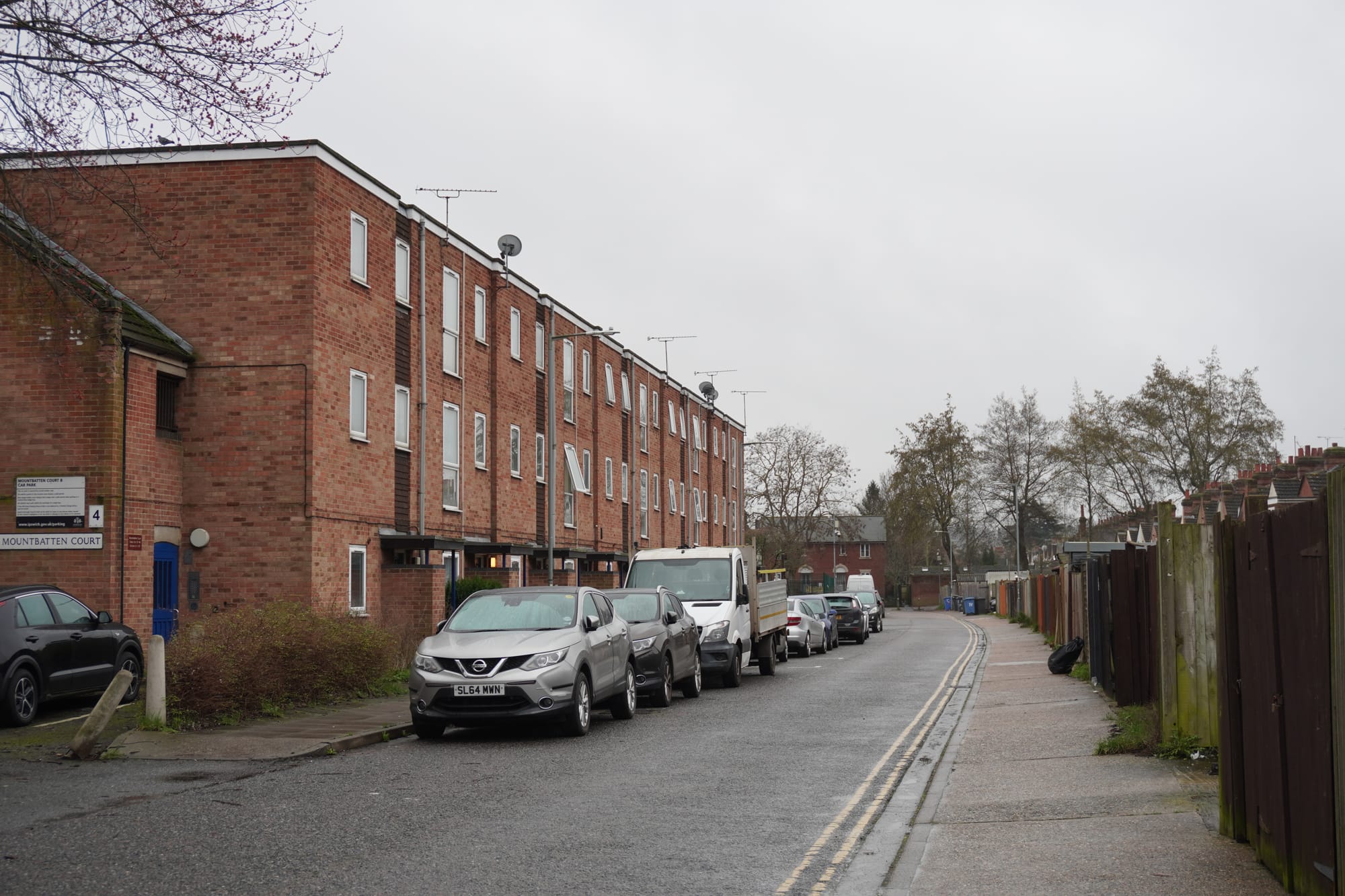
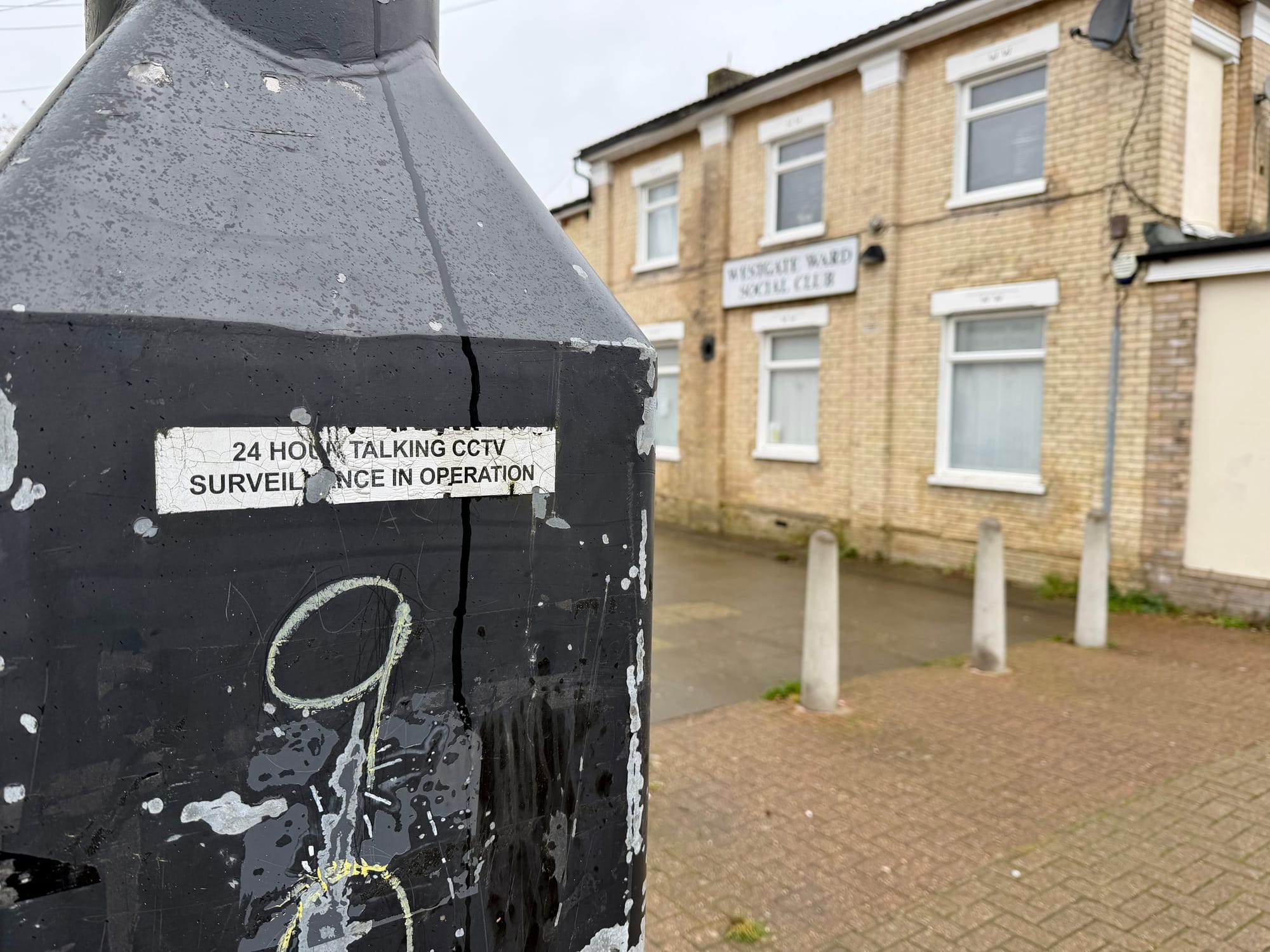
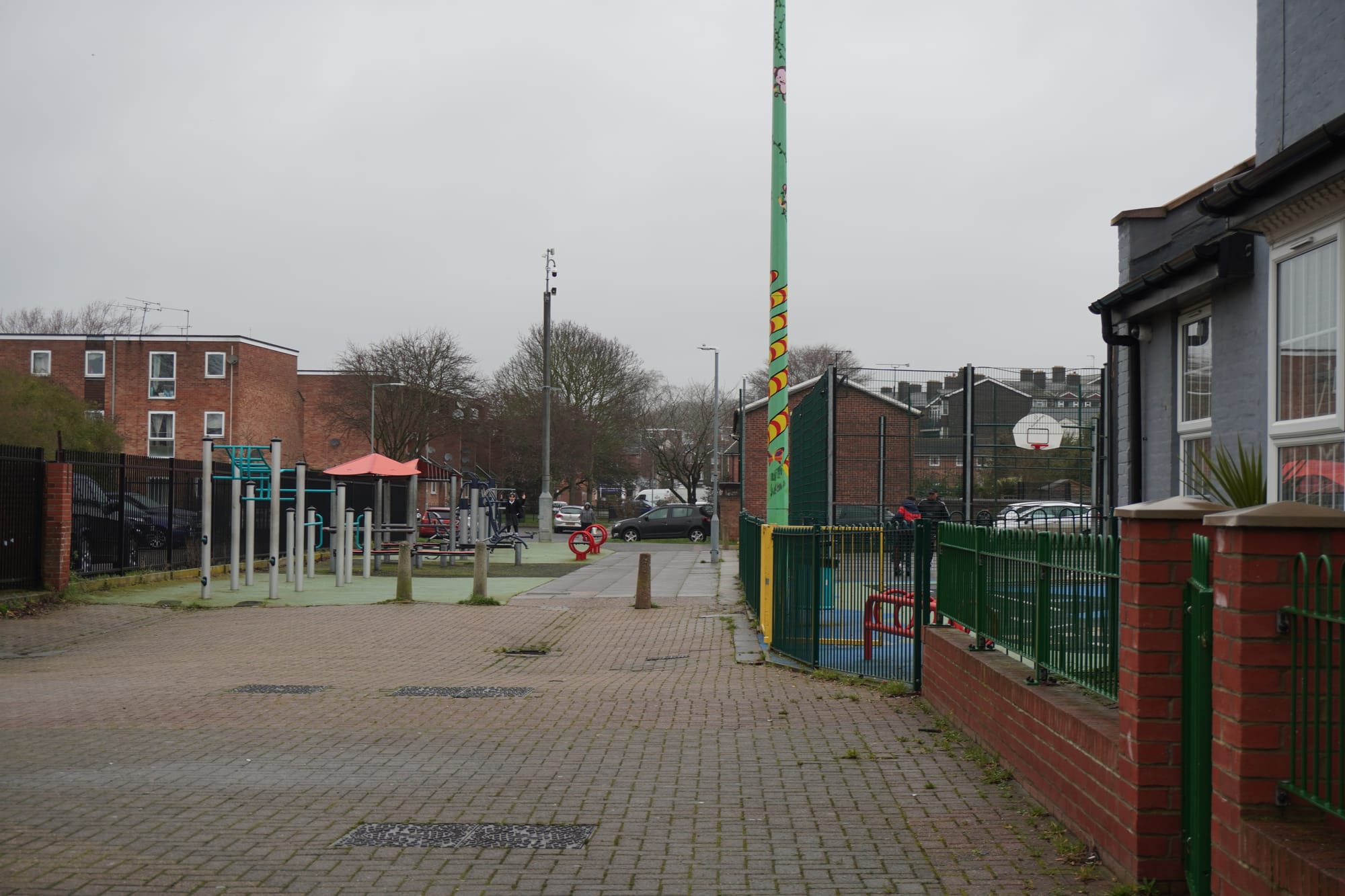
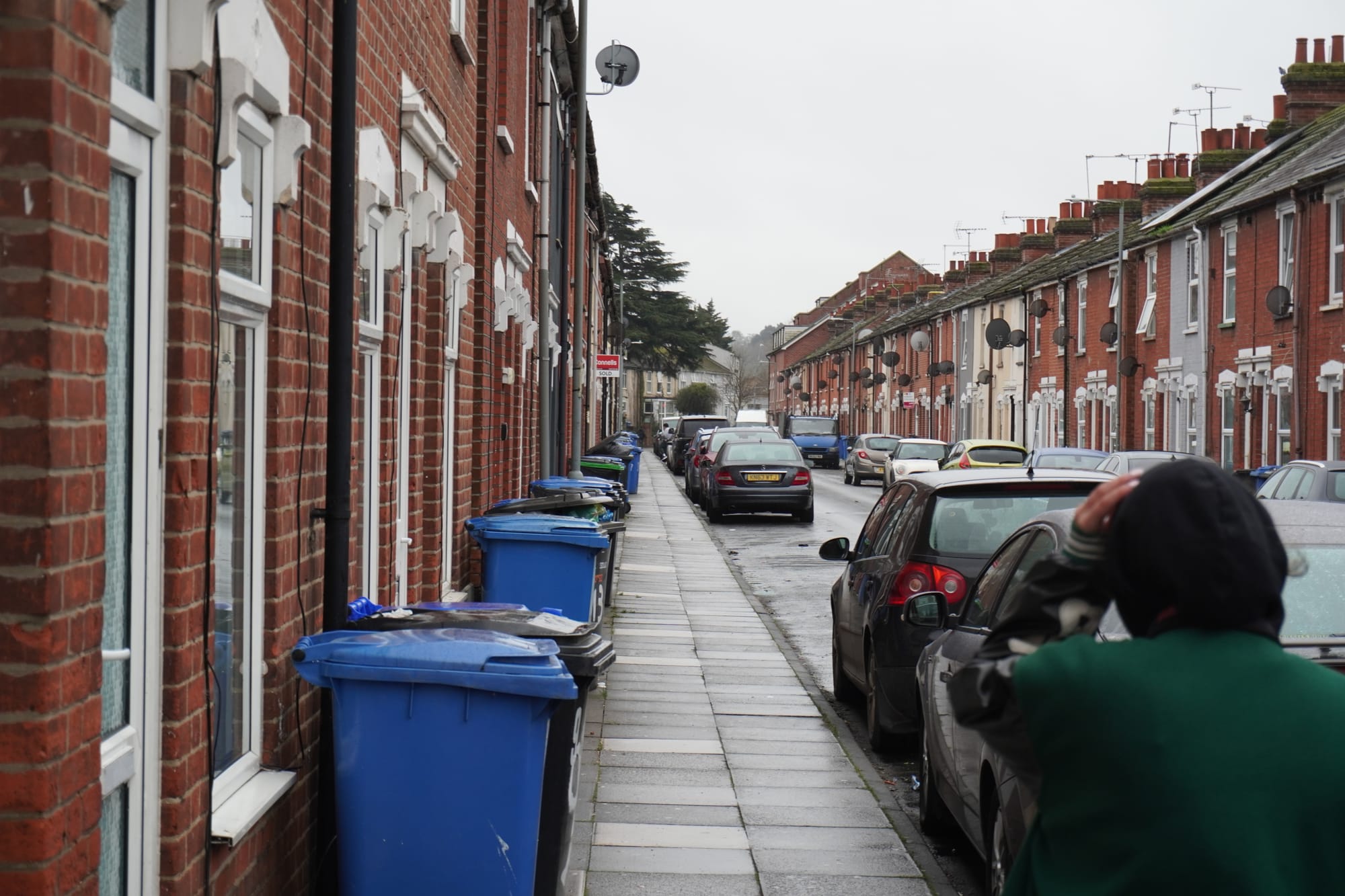
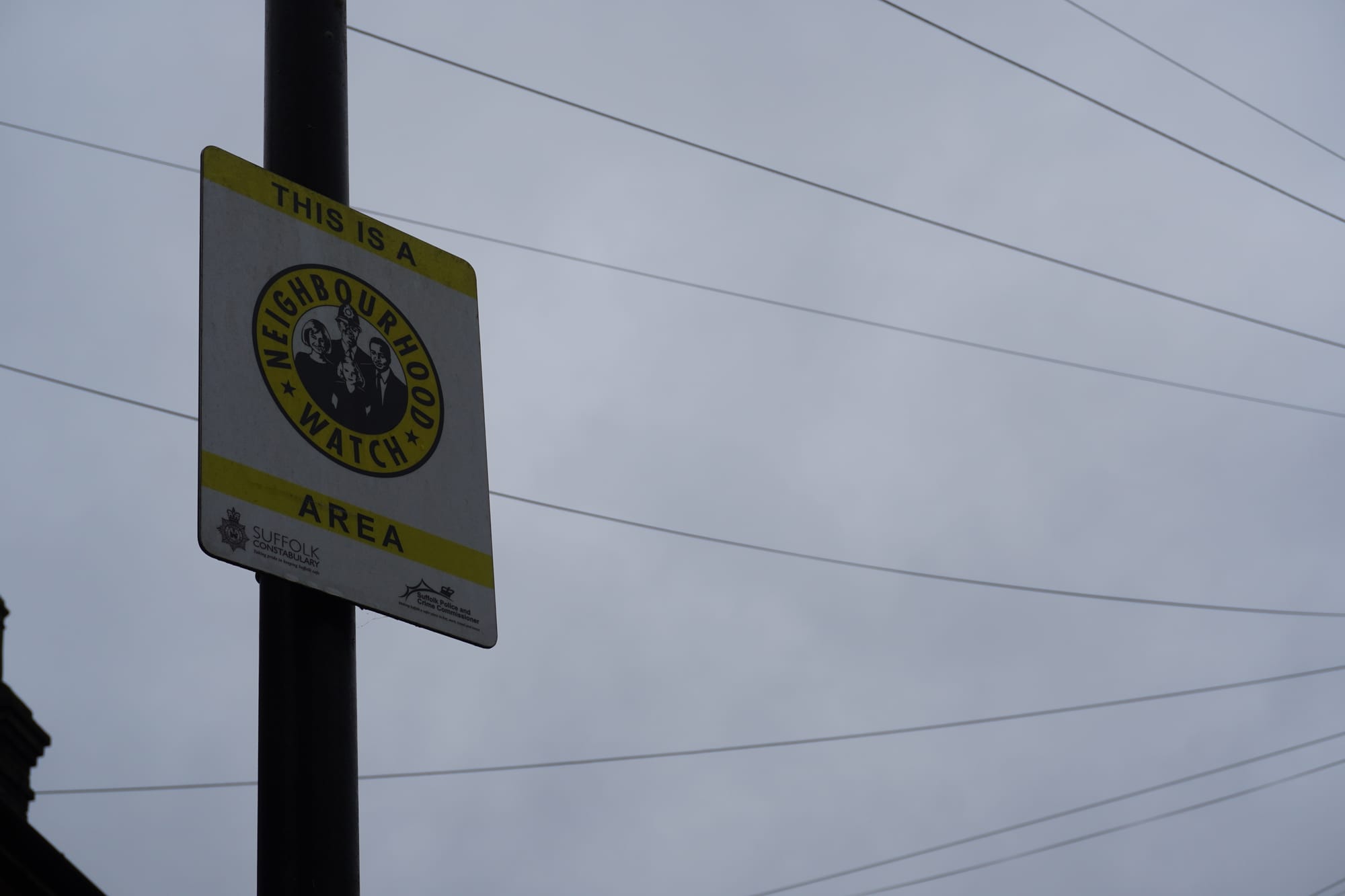
Photos taken from Youth Voice Matters participants capturing life on the estate
Straw is measured on the subject, but his hesitation is clear. "I don't think you can ever forget your heritage and your roots," he says. "I understand the reasons they did it. But by forgetting that, in a way, you're losing sight of the history and the heritage of the community."
Kieran is more pointed. He describes a community that he felt was "forgotten" — one that attracted outside attention only when something went wrong. "It was a forgotten community," he says.
The question of whether renaming a place can change it — or whether it simply papers over the conditions that made the old name stick — remains unanswered. What is clear is that for many people here, Jubilee Park is not a name they are ready to give up. It represents something the new name does not yet: a history, a heritage, and an identity that belongs to them.
"People," Kieran says, as we reach the end of our walk, "invested in other people's children. People invested in old people. Being poor didn't mean that you lived the way some people live now."
He looks back down the street. "That's the thing that's changed."
The bottom line
Maple Park is the name on the map, but Jubilee Park is still the name on people's lips — and the gap between those two things matters. Before this area can be understood, debated, or improved, it needs to be seen clearly: not as a problem to be solved, or a brand to be refreshed, but as a community with a real and layered history that stretches back generations. The people who built it, who raised families here, and who still walk these streets deserve that much. The rest of this series will attempt to give it to them.
This feature is part of a series exploring life in Maple Park. It has been produced as part of Youth Voices Matter, a youth-led community journalism project delivered in partnership by Ipswich.co.uk and ICM, and part-funded by Ipswich Borough Council.
Don't forget: If you enjoy our content, please add Ipswich.co.uk as a "preferred source" on Google so you can easily find more of the content you value.
This article cost us ~£324 to produce
It's free for you to read thanks to the generous support of our partners. Please support us by supporting them.
Below the line