
Local family law survey shows growing shift towards court alternatives
A survey of over 250 people in Suffolk and Essex highlights increasing recognition of Non-Court Dispute Resolution and identifies key barriers preventing wider adoption, despite its recognised advantages in family cases.

Why it matters: The findings reveal significant barriers preventing wider adoption of alternatives to court proceedings at a time when the traditional court system faces delays and increased costs.
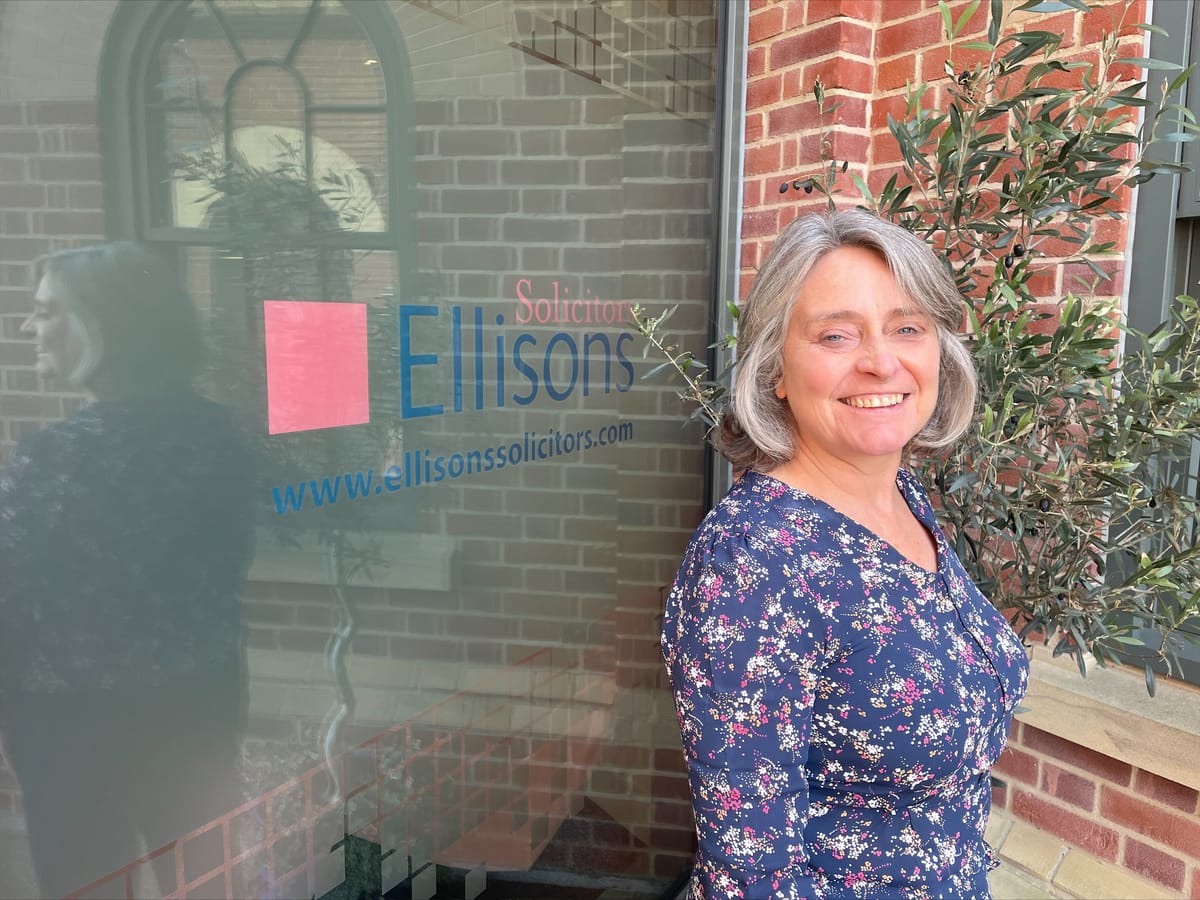
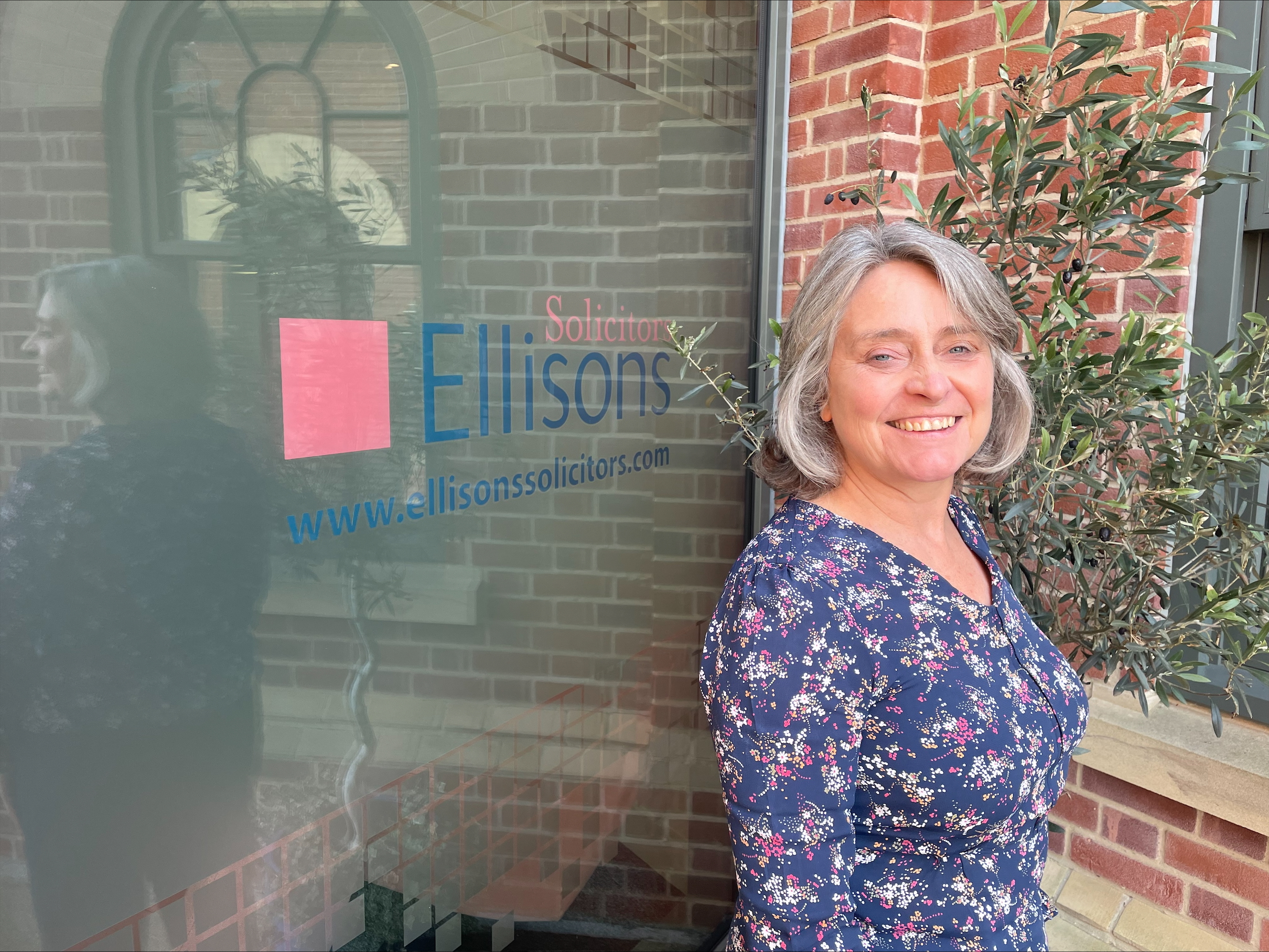
The survey, conducted by Ellisons Solicitors, identified uncertainty about legal protection as the top concern, with 27.3% of respondents citing this as a major barrier.
The big picture: Non-Court Dispute Resolution (NCDR) methods offer families more flexible, cost-effective and less adversarial options for resolving disputes, including:
- Mediation
- Collaborative law
- Arbitration
- The one-couple-one-lawyer model (Resolution Together)
- Private judge-led hearings
By the numbers:
- 27.3% of respondents cited uncertainty about legal protection as a major barrier
- 26.2% were discouraged by a lack of awareness about available options and costs
- 19.5% expressed concerns about fairness in the negotiation process
- 18.7% feared the process could be manipulated
- 16.1% lacked confidence in NCDR's effectiveness for their situation
- 12.0% believed court proceedings were more likely to result in a fair outcome
What they're saying: "As awareness grows, NCDR is expected to become a more widely accepted alternative for families seeking efficient and harmonious dispute resolution," said Sally Ward, Senior Associate in Ellisons' Family Law Team.
She added that these methods "offer families a valuable opportunity to resolve disputes in a way that minimises conflict, avoids the delays and costs of the court system and can lead to early resolution."
For context: Samantha Chase, Associate in Ellisons' Family Law Team, noted that agreements reached using NCDR methods can still be made binding by the court without requiring a formal hearing.
The bottom line: While traditional court proceedings still feel like the safest option for many families, early legal advice can help navigate the various alternatives and potentially provide quicker, less expensive and less stressful resolutions.
Independent local journalism is expensive to produce
It's free for you to read thanks to the generous support of our partners.
Below the line