
East Suffolk and North Essex outpaces national rise in hospital allergy admissions
Local NHS data shows a significant increase in emergency allergy treatments, as experts explore possible causes behind the growing trend.

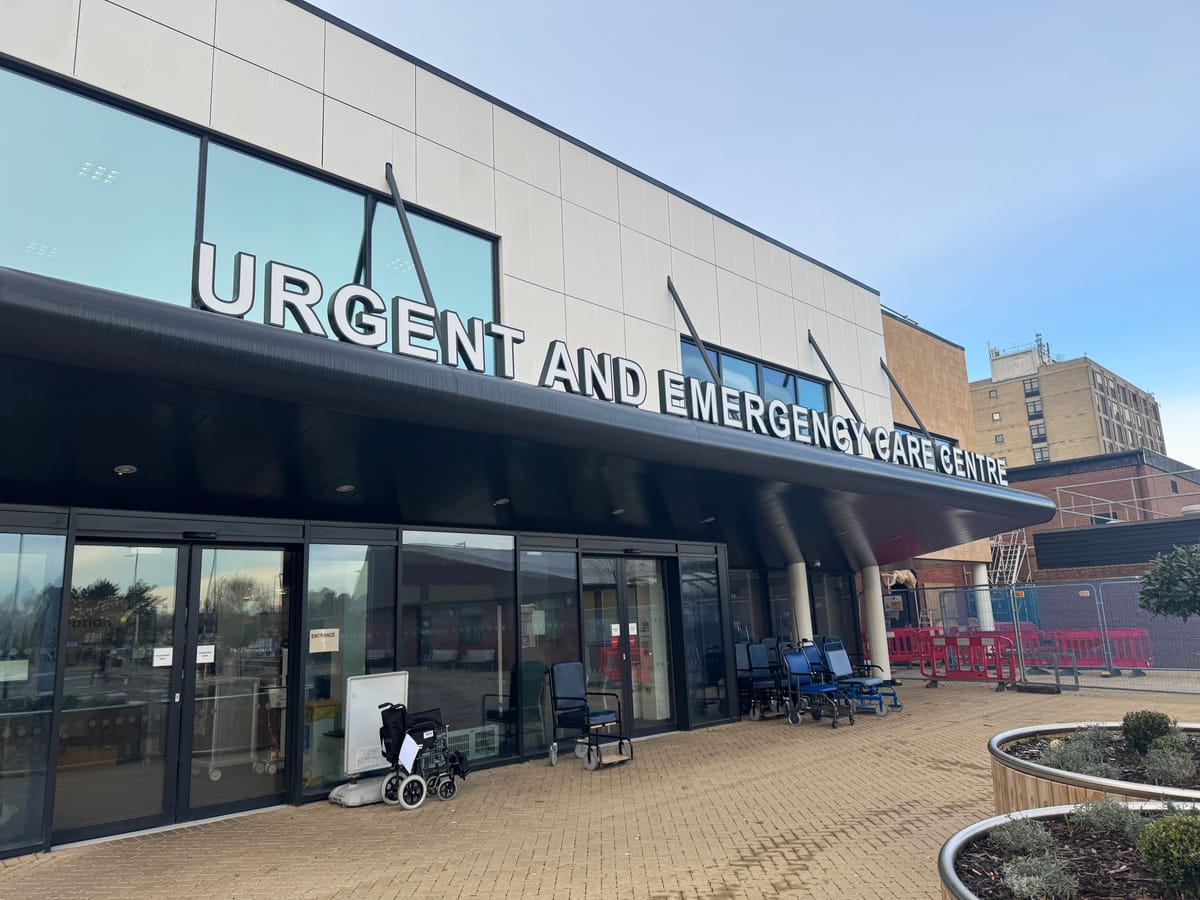
Why it matters: The rise in admissions at East Suffolk and North Essex NHS Foundation Trust reflects a concerning national pattern, with potentially life-threatening allergic reactions requiring swift medical intervention.
By the numbers:
- 235 admissions for allergic reactions at the Trust in 2023-24
- Up from 175 admissions the previous year – a 34% increase
- 26% increase in admissions across England
- National figures have more than doubled from 12,400 in 2002-03 to 32,300 in 2023-24
What they're saying: Dr Helen Evans-Howell, chair of the clinical and scientific panel at Anaphylaxis UK, said it was not clear why admissions are rising. She cited several possible explanations, including:
- Later introduction of foods to infants
- Changes to gut bacteria
- The "hygiene hypothesis" - suggesting limited early exposure to certain microorganisms could be a factor
- Increased awareness leading to more people seeking treatment
The bigger picture: Allergic reactions can develop into anaphylactic shock, which may cause:
- Coughing
- Voice changes
- Tongue swelling
- Breathing problems
- Dizziness
- Collapse
What's next: The Department of Health and Social Care says it is:
- Working with the NHS and voluntary organisations to improve allergy treatment
- Meeting with the Natasha Allergy Research Foundation to discuss appointing an allergy lead
The bottom line: While experts investigate the causes behind rising allergy admissions, Anaphylaxis UK advises anyone experiencing a severe reaction to:
- Stay still if possible
- Sit up for breathing difficulties, or lay flat with elevated legs
- Use an adrenaline auto-injector if available
- Call an ambulance, stating "anaphylaxis"
- Seek follow-up care from a doctor and allergist
Independent local journalism is expensive to produce
It's free for you to read thanks to the generous support of our partners.
Below the line